
Sign up to save your podcasts
Or

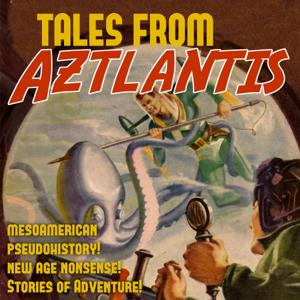

Today, we’re talking about how we tell history, and specifically, how the media treats indigenous cultures. We are diving into the recent cultural history of the so-called Aztec Death Whistle. I’ve wanted to look into this topic for a while, but a recent horror movie about the whistle prompted a discussion on the Aztlantis discord, so I felt the time was right to dive into it. The main question at hand is how and why did the whistle enter popular culture?
That indeed is an interesting question. Of all the things attributed to the Aztecs that people would gravitate towards, a whistle associated with death is going to make the list. Right? I mean think of other things that the public associates with the Aztecs – it’s disproportionately related to violence and death. Even the explosion of Dia de los Muertos (Day of the Dead) in the last 20 years, while a positive celebration of deceased loved ones, is still about death.
Okay, so how did we get here with the whistle? It’s useful to note that the Aztec Death Whistle has been known to archeologists since the 19th century. Scholars largely ignored it as a curiosity until 1999 when an archeological discovery in Tlatelolco changed the perception and led to a more serious investigation of the whistle. The site held the remains of an individual clasping a whistle in each hand, and this led to a momentary surge on the topic. We’ll get to that later, but first, back to the article.
As I was looking around, I found a 2021 article from the Daily Science Journal by Alex Mitchell entitled “The Aztec Death Whistle is History’s Reminder That the Aztecs were Terrifying.” The title of this piece says it all (what a goober, this guy).
listener comments? Feedback? Shoot us a text!
Use the promo code “KURLY” in the "How did you hear about this adventure?" field when you sign up for a $200 discount.
Visit skeptoid.com/adventures to learn more and reserve your spot. I hope you'll join me this December as we explore the mysteries of the Maya together.
This December, I'll be joining Skeptoid Adventures as your guide for The Mysteries of the Maya, where we'll travel through the Yucatán exploring remarkable archaeological sites, uncovering the real history behind the Maya civilization, and separating fact from fiction along the way.
To reserve your spot, all you need is a fully refundable $500 deposit. Your deposit is refundable through August 1, so you can reserve your place with confidence. After Au
Lignum is a haven for culture, rest, and resistance. We believe in celebrating community and honoring the land that holds us. At our urban “milpa,” we practice indigenous science that respects the natural cycles of the region, and most of our workshops are hosted by indigenous and local experts. Every project we do is grounded in collective memory, creativity, and respect for the land and its people.
Order "NEVER WILL IT BE LOST" and get $5 off!
Support Lignum: A Cultural Haven in MéridaYour Hosts:
Kurly Tlapoyawa is an archaeologist, ethnohistorian, and filmmaker. His research covers Mesoamerica, the American Southwest, and the historical connections between the two regions. He is the author of numerous books and has presented lectures at the University of New Mexico, Harvard University, Yale University, San Diego State University, and numerous others. He most recently released his documentary short film "Guardians of the Purple Kingdom," and is a cultural consultant for Nickelodeon Animation Studios.
@kurlytlapoyawa
Ruben Arellano Tlakatekatl is a scholar, activist, and professor of history. His research explores Chicana/Chicano indigeneity, Mexican indigenist nationalism, and Coahuiltecan identity resurgence. Other areas of research include Aztlan (US Southwest), Anawak (Mesoamerica), and Native North America. He has presented and published widely on these topics and has taught courses at various institutions. He currently teaches history at Dallas College – Mountain View Campus.
Find us:
 View all episodes
 By Kurly Tlapoyawa & Ruben Arellano Tlakatekatl

4.7
8181 ratings
Today, we’re talking about how we tell history, and specifically, how the media treats indigenous cultures. We are diving into the recent cultural history of the so-called Aztec Death Whistle. I’ve wanted to look into this topic for a while, but a recent horror movie about the whistle prompted a discussion on the Aztlantis discord, so I felt the time was right to dive into it. The main question at hand is how and why did the whistle enter popular culture?
That indeed is an interesting question. Of all the things attributed to the Aztecs that people would gravitate towards, a whistle associated with death is going to make the list. Right? I mean think of other things that the public associates with the Aztecs – it’s disproportionately related to violence and death. Even the explosion of Dia de los Muertos (Day of the Dead) in the last 20 years, while a positive celebration of deceased loved ones, is still about death.
Okay, so how did we get here with the whistle? It’s useful to note that the Aztec Death Whistle has been known to archeologists since the 19th century. Scholars largely ignored it as a curiosity until 1999 when an archeological discovery in Tlatelolco changed the perception and led to a more serious investigation of the whistle. The site held the remains of an individual clasping a whistle in each hand, and this led to a momentary surge on the topic. We’ll get to that later, but first, back to the article.
As I was looking around, I found a 2021 article from the Daily Science Journal by Alex Mitchell entitled “The Aztec Death Whistle is History’s Reminder That the Aztecs were Terrifying.” The title of this piece says it all (what a goober, this guy).
listener comments? Feedback? Shoot us a text!
Use the promo code “KURLY” in the "How did you hear about this adventure?" field when you sign up for a $200 discount.
Visit skeptoid.com/adventures to learn more and reserve your spot. I hope you'll join me this December as we explore the mysteries of the Maya together.
This December, I'll be joining Skeptoid Adventures as your guide for The Mysteries of the Maya, where we'll travel through the Yucatán exploring remarkable archaeological sites, uncovering the real history behind the Maya civilization, and separating fact from fiction along the way.
To reserve your spot, all you need is a fully refundable $500 deposit. Your deposit is refundable through August 1, so you can reserve your place with confidence. After Au
Lignum is a haven for culture, rest, and resistance. We believe in celebrating community and honoring the land that holds us. At our urban “milpa,” we practice indigenous science that respects the natural cycles of the region, and most of our workshops are hosted by indigenous and local experts. Every project we do is grounded in collective memory, creativity, and respect for the land and its people.
Order "NEVER WILL IT BE LOST" and get $5 off!
Support Lignum: A Cultural Haven in MéridaYour Hosts:
Kurly Tlapoyawa is an archaeologist, ethnohistorian, and filmmaker. His research covers Mesoamerica, the American Southwest, and the historical connections between the two regions. He is the author of numerous books and has presented lectures at the University of New Mexico, Harvard University, Yale University, San Diego State University, and numerous others. He most recently released his documentary short film "Guardians of the Purple Kingdom," and is a cultural consultant for Nickelodeon Animation Studios.
@kurlytlapoyawa
Ruben Arellano Tlakatekatl is a scholar, activist, and professor of history. His research explores Chicana/Chicano indigeneity, Mexican indigenist nationalism, and Coahuiltecan identity resurgence. Other areas of research include Aztlan (US Southwest), Anawak (Mesoamerica), and Native North America. He has presented and published widely on these topics and has taught courses at various institutions. He currently teaches history at Dallas College – Mountain View Campus.
Find us:

90,994 Listeners

43,898 Listeners

5,767 Listeners

1,860 Listeners

3,781 Listeners
1,117 Listeners
14,656 Listeners
1,065 Listeners

6,103 Listeners
16,645 Listeners
16,399 Listeners

2,060 Listeners
1,012 Listeners

15,950 Listeners

2,606 Listeners