
Sign up to save your podcasts
Or

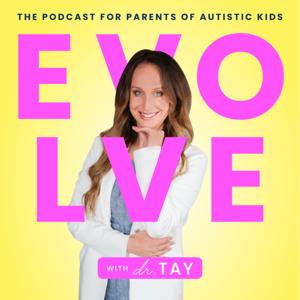


In this heartfelt mini-episode, Dr. Tay sheds light on the disturbing practice of using seclusion rooms for dysregulated children, often presented under names like 'calm down rooms' or 'regulation rooms.' Highlighting the traumatic impact of these practices, Dr. Tay empowers parents with information on how to identify and advocate against the use of these rooms. The episode includes practical tips for parents on educating themselves about state laws, inquiring about school policies in IEP meetings, and proposing proactive, humane solutions. Dr. Tay calls for community unity in advocating for neurodiversity-affirming care and ensuring autistic children are treated with dignity and respect.
00:00 Introduction to a Difficult Topic
00:29 Understanding Seclusion Rooms
01:42 Real-Life Stories and Impact
02:56 Advocating for Change
08:32 Proactive Strategies and Solutions
15:35 Final Thoughts and Call to Action
RESOURCES
⚡️ want to learn more about Dr. Tay's Whole Family Approach and current services offered? visit drtaylorday.com
⚡️ join the Evolve Facebook community to participate in the episode Q+As >> facebook.com/groups/evolveautism
⚡️ learn from me and submit your questions [could be featured on a future episode] >>
Instagram @the.dr.tay
TikTok @the.dr.tay
LinkedIn @the-dr-tay
ABOUT THIS EPISODE (+ scroll for resources) 👇
in this episode, Dr. Tay talks about helpful tips and strategies for autism families navigating the holiday season. we discuss the importance of preparing for potential disruptions to routines, setting realistic expectations, giving choices, and setting boundaries. Dr. Tay addresses several elements including helping your child anticipate upcoming events, being mindful of safe foods, empowering your child by involving them in the process, and handling comments from others. there is an emphasis on the importance of being present during these moments and cherishing the progress that your child has made since the last holiday season.
RESOURCES
⚡️ want to learn more about Dr. Tay's Whole Family Approachᵀᴹ and current services offered? schedule a free consult call here or email [email protected] if you have questions.
⚡️ join the Evolve Facebook community to participate in the episode Q+As >> facebook.com/groups/evolveautism
⚡️ learn from me and submit your questions [could be featured on a future episode] >>
Instagram @the.dr.tay
TikTok @the.dr.tay
LinkedIn @the-dr-tay
In this special mini-episode Dr. Tay, a child psychologist specializing in autism, discusses how extended family members can better support parents of autistic children during the holiday season. Drawing on over a decade of experience and direct feedback from parents, Dr. Tay shares practical advice, such as understanding triggers, recognizing the effort parents put into preparing for events, and ways to offer meaningful help. This episode is what your loved one wants you to know! A special thank you to the parents who submitted their insights and are featured on this episode.
00:00 Introduction to the Podcast
01:12 Understanding Autism and Neurodiversity
02:21 Holiday Support for Autistic Children
03:29 Parental Insights and Requests
06:38 Common Misunderstandings and Challenges
15:07 Sensory and Social Considerations
18:38 Creating a Supportive Environment for Neurodivergent Children
19:05 Offering Help and Dropping Judgment
20:21 Understanding Meltdowns and Neurodivergence
21:11 Challenges in Getting Diagnoses and Support
21:51 Validating Parents' Efforts and Experiences
23:23 Navigating Family Traditions and Accommodations
27:18 Grief and Emotional Complexity in Parenting
32:08 Final Thoughts and Encouragement
RESOURCES
⚡️ want to learn more about Dr. Tay's Whole Family Approach and current services offered? visit drtaylorday.com
⚡️ join the Evolve Facebook community to participate in the episode Q+As >> facebook.com/groups/evolveautism
⚡️ learn from me and submit your questions [could be featured on a future episode] >>
Instagram @the.dr.tay
TikTok @the.dr.tay
LinkedIn @the-dr-tay
In this episode, Dr. Tay welcomes back Ashley Barlow, a special education attorney and advocate, for her third appearance. The discussion dives into the complexities of special education disputes, specifically focusing on mediation, due process, and parental rights. They explore the challenges parents face with school systems, legal options available, and the importance of advocacy and negotiation. Essential resources and strategies for navigating these situations are also shared, providing parents with valuable insights to better support their children’s education.
00:00 Introduction and Guest Reintroduction
00:33 Overview of Today's Topic
01:18 Host and Guest Backgrounds
02:43 Challenges in Special Education
03:59 Navigating Special Education Law
05:21 Advocacy and Negotiation Strategies
10:36 Understanding Due Process
23:32 Legal Counteractions in School Disputes
24:05 Understanding Independent Educational Evaluations (IEE)
24:43 Financial Considerations and Attorney Fees
26:24 The Role of Due Process in Special Education
28:50 Navigating 504 Plans and Anti-Discrimination Laws
36:44 Alternative Approaches to Due Process
41:32 Final Thoughts and Resources for Parents
44:08 Wrap-Up and Next Steps
RESOURCES
⚡️ listen to episodes 53 and 57 for more information about special education from Ashley as well as her podcast The Collaborative IEP
⚡️ see all that Ashley has to offer here, including her newly launched IEP Guru Academy
⚡️ follow Ashley on Instagram @thecollaborativeiep
⚡️ want to learn more about Dr. Tay's Whole Family Approach and current services offered? visit drtaylorday.com
⚡️ join the Evolve Facebook community to participate in the episode Q+As >> facebook.com/groups/evolveautism
⚡️ learn from me and submit your questions [could be featured on a future episode] >>
Instagram @the.dr.tay
TikTok @the.dr.tay
LinkedIn @the-dr-tay
*please note: PDA is referenced in this episode. it is a theorized profile of autism and not a clinical diagnosis. however, it has been a helpful conceptualization for many parents to learn about how their child's brain is wired. our knowledge of PDA is currently unfolding and I do my best to share up-to-date, balanced information. to learn more about PDA, please listen to episode 110
In this episode, Dr. Tay invites Alyssa Campbell of Seed & Sew to discuss the importance of supporting autistic students at a classroom-wide level, particularly focusing on their nervous system and sensory regulation. Alyssa, with her extensive background in early childhood education and emotional development, shares insights and practical strategies for creating sensory-friendly environments and understanding individual sensory profiles. They explore the benefits of proactive versus reactive strategies in educational settings, the vital role of teachers and parents in advocating for proper supports, and the importance of normalizing neurodiverse needs to foster inclusive learning spaces for all students. The episode is filled with actionable insights that are beneficial for educators, parents, and anyone involved in the care and development of autistic children.
00:00 Introduction and Episode Overview
00:48 Meet Alyssa Campbell: Expert in Emotional Development
01:58 Dr. Tay's Background and Mission
03:33 Alyssa's Journey and Collaborative Emotion Processing Method
04:12 Understanding Sensory Regulation and Nervous System
18:00 Practical Applications in the Classroom
20:34 Supporting Sensory Needs in Education
25:19 Parental and Teacher Collaboration
25:58 Understanding Early Childhood Sensory Responses
27:17 Proactive Strategies in Schools
35:13 Supporting Teachers and Parents
38:32 Managing Diverse Needs in the Classroom
45:55 The Role of Occupational Therapy
49:26 Resources and Final Thoughts
RESOURCES
⚡️check out Alyssa and her parent-friendly resources, including the sensory quiz here: https://www.seedandsew.org/parents
⚡️check out her resources for teachers and schools, including her certification here: https://www.seedandsew.org/seedcertificationteachers
⚡️follow her on Instagram @seed.and.sew and listen to her podcast Voices of Your Village
⚡️ want to learn more about Dr. Tay's Whole Family Approach and current services offered? visit drtaylorday.com
⚡️ join the Evolve Facebook community to participate in the episode Q+As >> facebook.com/groups/evolveautism
⚡️ learn from me and submit your questions [could be featured on a future episode] >>
Instagram @the.dr.tay
TikTok @the.dr.tay
LinkedIn @the-dr-tay
*please note: PDA is referenced in this episode. it is a theorized profile of autism and not a clinical diagnosis. however, it has been a helpful conceptualization for many parents to learn about how their child's brain is wired. our knowledge of PDA is currently unfolding and I do my best to share up-to-date, balanced information. to learn more about PDA, please listen to episode 110
In this episode, Dr. Tay speaks with Courtney Peebles, co-founder of Solobo Toys, which designs educational toys with neurodivergent children in mind. Courtney shares personal stories about her diagnoses, launching the company, and navigating a neurodiverse household. Courtney designs toys for all ability levels. They discuss how parents can select toys that promote children's learning and interests.
00:00 Introduction and Guest Announcement
01:23 Meet Dr. Tay: Your Host
02:25 Courtney's Journey and Family Background
03:09 The Diagnosis Journey
09:41 Starting Solobo Toys
13:36 Challenges and Triumphs in Business
23:03 The Story Behind the Emotional Baggage Toy
23:55 Changing the Narrative in Parenting
24:52 Navigating Autism and Family Support
25:32 Self-Advocacy and Permission
26:58 Modeling Behavior for Kids
27:43 Challenging Unrealistic Expectations
28:22 Teaching Self-Advocacy Early
29:31 Creating a Safe Space at Home
32:50 Exploring and Setting Boundaries
36:11 Designing Inclusive Toys
41:53 Balancing Business and Accessibility
46:07 Conclusion and Final Thoughts
RESOURCES
⚡️ shop Solobo Toys and check out their sensory guide
⚡️ follow @solobotoys on Instagram
⚡️ want to learn more about Dr. Tay's Whole Family Approach and current services offered? visit drtaylorday.com
⚡️ join the Evolve Facebook community to participate in the episode Q+As >> facebook.com/groups/evolveautism
⚡️ learn from me and submit your questions [could be featured on a future episode] >>
Instagram @the.dr.tay
TikTok @the.dr.tay
LinkedIn @the-dr-tay
*please note: PDA is referenced in this episode. it is a theorized profile of autism and not a clinical diagnosis. however, it has been a helpful conceptualization for many parents to learn about how their child's brain is wired. our knowledge of PDA is currently unfolding and I do my best to share up-to-date, balanced information. to learn more about PDA, please listen to episode 110
ABOUT THIS EPISODE (+ scroll for resources) 👇
In this podcast episode, Dr. Tay welcomes back Dr. Arielle Rubin, a triple board certified psychiatrist, to discuss the role of psychiatry for autistic children with co-occurring mental health conditions. This is a follow-up to episode 94, where Dr. Rubin answers parent-submitted questions.
00:00 Introduction and Episode Overview
00:15 Recap of Episode 94
00:53 Challenges in Psychiatry
01:12 Disclaimer and Podcast Purpose
02:25 Welcome Dr. Arielle Rubin
02:38 Dr. Arielle Rubin's Background
03:57 Breaking the Status Quo in Psychiatry
04:22 Community Support for Families
06:18 Diving into Parent Questions
06:51 Stimulant Medication for ADHD
11:11 Alternatives to Atypical Antipsychotics
14:55 When to Consider Psychiatry
20:08 Tips for Discussing PDA with Psychiatry
23:24 Genesight Testing for Kids
27:42 Considering Mental Health Programs
29:09 Inpatient Psychiatry: When and Why
30:53 Residential Treatment Centers
32:04 Intensive Outpatient Programs and Partial Hospitalization
35:19 Medications for Rumination and Aggression
39:36 Medications to Avoid and Supplement Interactions
42:53 Final Thoughts and Resources
RESOURCES
⚡️ listen to episode 94 on Apple or Spotify
⚡️ follow Dr. Rubin on Instagram, join the Autism Roadmaps Community, and sign-up for her newsletter
⚡️ download the Supplement Guide for Autism and Mental Health referenced in the episode
⚡️ want to learn more about Dr. Tay's Whole Family Approach and current services offered? visit drtaylorday.com
⚡️ join the Evolve Facebook community to participate in the episode Q+As >> facebook.com/groups/evolveautism
⚡️ learn from me and submit your questions [could be featured on a future episode] >>
Instagram @the.dr.tay
TikTok @the.dr.tay
LinkedIn @the-dr-tay
*please note:
1) in this episode, many terminologies and phrases are used to describe autism. Dr. Tay honors what each child and family prefers, and intentionally chooses to use affirming and identity-first language after listening to autistic adults and their preferences. various guests on the podcast are likely to use the language that they have been exposed to the most.
2) PDA is referenced in this episode. it is a theorized profile of autism and not a clinical diagnosis. however, it has been a helpful conceptualization for many parents to learn about how their child's brain is wired. our knowledge of PDA is currently unfolding and I do my best to share up-to-date, balanced information. to learn more about PDA, please listen to episode 110
ABOUT THIS EPISODE (+ scroll for resources) 👇
In this episode, Dr. Tay discusses the key themes she is seeing in clinical practice. Dr. Taylor Day is a licensed psychologist specializing in neurodiversity affirming care and shares insights regarding common referral questions as well as what many families in her group therapy program are navigating.
00:00 Introduction to Common Themes in Clinical Practice
01:21 Understanding Pathological Demand Avoidance (PDA)
03:19 Challenges Faced by Parents and Families
04:41 The Role of Clinical Care vs. Social Media
07:12 The Importance of Tailored Clinical Approaches
16:23 Second Opinion Evaluations and Autism Diagnosis
20:52 Navigating the Broken System
21:27 Scholarships and Financial Aid
21:50 Late Autism Diagnoses in Children
23:02 Parents Exploring Their Own Neurodiversity
24:54 Parents' Mental Health Matters
29:46 Advocacy as a Skill
32:43 Challenges in Schools with Neurodiversity Affirming Care
36:41 Conclusion and Community Support
RESOURCES
⚡️ want to learn more about Dr. Tay's Whole Family Approach and current services offered? visit drtaylorday.com
⚡️ learn from me and submit your questions [could be featured on a future episode] >>
Instagram @the.dr.tay
TikTok @the.dr.tay
LinkedIn @the-dr-tay
*PDA is a theorized profile of autism and not a clinical diagnosis. however, it has been a helpful conceptualization for many parents to learn about how their child's brain is wired. our knowledge of PDA is currently unfolding and I do my best to share up-to-date, balanced information. to learn more about PDA, please listen to episode 110
⚠️ DISCLAIMER >> this episode dives into trauma-informed care but highly sensitive topics are discussed, including Rachel’s personal experiences with a nationally publicized traumatic event while working at a school in 2018
ABOUT THIS EPISODE (+ scroll for resources) 👇
In this podcast episode, Dr. Tay hosts Rachel Archambault, a speech-language pathologist specializing in trauma informed practices. They delve into the definition of trauma informed care, its importance in neurodiversity affirming practices, and how trauma can impact autistic individuals and their families. Rachel shares her personal experience with trauma, highlighting how professionals and parents can proactively adopt trauma informed approaches. The episode also covers practical tips for discussing traumatic events with children and ensuring that care providers are sensitive to trauma. Resources like the NASP guidelines and social stories are recommended for further support.
00:00 Introduction and Theme Overview
02:41 Guest Introduction: Rachel Archambault
03:41 Rachel's Traumatic Experience
07:03 Impact and Aftermath of Trauma
10:42 Trauma Informed Care in Schools
14:17 Supporting Children Through Trauma
16:48 Collaborative Efforts and Resources
23:26 Drills and Trauma: A Delicate Balance
31:00 Big T vs Little T Trauma
32:17 Understanding PTSD and Trauma Symptoms
33:31 Personal Experiences with Trauma
33:54 Listening and Validating Trauma
35:02 Trauma in Autism and Communication Challenges
36:03 Bodily Autonomy and Abuse Risks
38:54 Trauma Informed Care: Key Elements
47:49 Recognizing and Preventing Trauma
54:22 Proactive Trauma Informed Approaches
57:04 Resources and Final Thoughts
RESOURCES
⚡️ connect with Rachel
Instagram @ptsd.slp
Facebook @ptsd.slp
LinkedIn @rachel-archambault
Website: www.ptsdslp.com
Email: [email protected]
⚡️ want to learn more about Dr. Tay's Whole Family Approach and current services offered? visit drtaylorday.com
⚡️ join the Evolve Facebook community to participate in the episode Q+As >> facebook.com/groups/evolveautism
⚡️ learn from me and submit your questions [could be featured on a future episode] >>
Instagram @the.dr.tay
TikTok @the.dr.tay
LinkedIn @the-dr-tay
*please note:
1) in this episode, many terminologies and phrases are used to describe autism. Dr. Tay honors what each child and family prefers, and intentionally chooses to use affirming and identity-first language after listening to autistic adults and their preferences. various guests on the podcast are likely to use the language that they have been exposed to the most.
2) PDA is referenced in this episode. it is a theorized profile of autism and not a clinical diagnosis. however, it has been a helpful conceptualization for many parents to learn about how their child's brain is wired. our knowledge of PDA is currently unfolding and I do my best to share up-to-date, balanced information. to learn more about PDA, please listen to episode 110
ABOUT THIS EPISODE (+ scroll for resources) 👇
In this episode, Dr. Tay explores obsessive traits in autistic children, inspired by a conversation with Katherine @theneurodiversitymom. The discussion focuses on distinguishing between autism-related behaviors and potential co-occurring conditions like OCD. The episode highlights the need for diagnostic clarity and continuous reassessment of children's behaviors to identify effective support strategies. Dr. Tay also shares personal insights from a recent business retreat, emphasizing the importance of self-care for parents. Additionally, Dr. Tay discusses updates to her new educational membership platform aimed at empowering parents globally to advocate for their autistic children and providing tools for better support strategies.
00:00 Introduction to Obsessive Traits in Autistic Kids
00:07 Inspiration Behind the Episode
01:47 Personal Life Updates and Reflections
08:54 The Importance of Diagnostic Clarity
09:20 Understanding Obsessive Traits and OCD
12:11 Strategies for Supporting Kids with Obsessive Traits
16:58 The Role of Medication and Therapy
20:42 Final Thoughts and Encouragement
25:29 Conclusion and Upcoming Episodes
RESOURCES
⚡️learn more about the membership: drtaylorday.com/membership
⚡️learn more about group therapy: drtaylorday.com/therapy
⚡️ learn from me and submit your questions [could be featured on a future episode] >>
Instagram @the.dr.tay
TikTok @the.dr.tay
LinkedIn @the-dr-tay
*PDA is a theorized profile of autism and not a clinical diagnosis. however, it has been a helpful conceptualization for many parents to learn about how their child's brain is wired. our knowledge of PDA is currently unfolding and I do my best to share up-to-date, balanced information. to learn more about PDA, please listen to episode 110
From the publisher's feed

111,809 Listeners

1,424 Listeners

46,884 Listeners