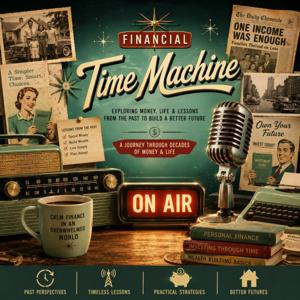
Gas stations were more than pumps and oil cans—they were tiny community hubs, roadside markets, and the engines of mid‑century family life. In this episode Megan Thomas takes us to the neon-lit corners of small towns and highway exits to explore how filling the tank shaped budgets, travel rituals, weekend freedoms, and social habits from the 1940s through the 1970s. We’ll listen to the rhythm of attendants’ calls, the value of pay-at-the-pump barters, and the economics of a Sunday drive when gasoline, tires, and tune-ups were household line items. Through historical context, cultural scenes, and practical comparisons to today’s mobility costs, the episode offers nostalgia and quiet lessons about intentional spending, community exchange, and why a tank of gas once meant so much more than motion.