
Sign up to save your podcasts
Or

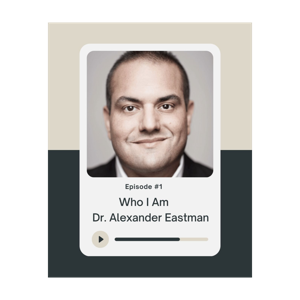


Sudden cardiac arrest gives no warning, and the minutes before help arrives decide almost everything. This episode of First 5 Minutes breaks down the two things an ordinary bystander can do, hands-only CPR and the AED, and why neither requires training you don't already have.
The show draws on the work of Dr. Alexander Eastman, a trauma surgeon and EMS physician who led the Rees-Jones Trauma Center at Parkland Memorial Hospital in Dallas, serves as a reserve lieutenant and Chief Medical Officer with the Dallas Police Department, and contributed to the Hartford Consensus, the national effort behind Stop the Bleed.
In this episode:
This podcast is for general education and information only. It is not medical advice, and it is not a substitute for professional training, diagnosis, or treatment. In an emergency, call 911 and follow the instructions of the dispatcher and trained professionals. To learn CPR and how to use an AED, take a certified, in-person course. Any cases or scenarios discussed are composites with identifying details changed; nothing here refers to an identifiable patient. The views expressed are those of the speakers alone and do not represent, and are not endorsed by, any hospital, university, employer, or government or law enforcement agency.
Almost everyone believes they would step forward in an emergency. Again and again, people freeze instead. This episode of First 5 Minutes looks at why, and at the single decision that separates the people who act from the people who wait.
The show draws on the work of Dr. Alexander Eastman, a trauma surgeon and EMS physician who led the Rees-Jones Trauma Center at Parkland Memorial Hospital in Dallas, serves as a reserve lieutenant and Chief Medical Officer with the Dallas Police Department, and contributed to the Hartford Consensus, the national effort behind Stop the Bleed.
In this episode:
The season closes where it began: the first five minutes belong to whoever is there. The training, the tools, and the system all wait on one person choosing to act.
This podcast is for general education and information only. It is not medical advice, and it is not a substitute for professional training, diagnosis, or treatment. In an emergency, call 911 and follow the instructions of trained professionals and dispatchers. To learn hands-on skills like bleeding control, CPR, or first aid, take a certified, in-person course. Any cases or scenarios discussed are composites or have had identifying details changed to protect privacy; nothing here refers to an identifiable patient. The views expressed are those of the speakers alone and do not represent, and are not endorsed by, any hospital, university, employer, or government or law enforcement agency. Techniques and guidelines change over time and vary by situation; nothing in this episode should be relied on as current or applicable to any specific case.
After you dial 911 for a serious injury and hang up, something most people never see begins to move: a trauma system built to keep a badly injured person alive. This episode of First 5 Minutes is about that system, and why where a patient is taken can matter as much as how fast.
The show draws on the work of Dr. Alexander Eastman, a trauma surgeon and EMS physician who led the Rees-Jones Trauma Center at Parkland Memorial Hospital in Dallas, serves as a reserve lieutenant and Chief Medical Officer with the Dallas Police Department, and contributed to the Hartford Consensus, the national effort behind Stop the Bleed.
In this episode:
The throughline is a quiet one: survival after a serious injury is rarely a single dramatic moment. It is engineered, in advance, by a network most people never think about until the day they need it, and by the people at every link, from the bystander to the dispatcher to the crew that chooses the destination.
This podcast is for general education and information only. It is not medical advice, and it is not a substitute for professional training, diagnosis, or treatment. In an emergency, call 911 and follow the instructions of trained professionals and dispatchers. To learn hands-on skills like bleeding control, CPR, or first aid, take a certified, in-person course. Any cases or scenarios discussed are composites or have had identifying details changed to protect privacy; nothing here refers to an identifiable patient. The views expressed are those of the speakers alone and do not represent, and are not endorsed by, any hospital, university, employer, or government or law enforcement agency. Techniques and guidelines change over time and vary by situation; nothing in this episode should be relied on as current or applicable to any specific case.
Most people picture bleeding as something you can see, blood on the ground, soaking through a shirt. But some of the most dangerous bleeding of all makes almost no mess. It happens inside the body, where no bandage can reach it and no tourniquet can stop it.
This episode of First 5 Minutes takes on internal bleeding: the hidden injuries that follow serious car crashes, falls, and hard blows to the chest or abdomen, where a person can look shaken but intact while losing blood fast on the inside. The show draws on the work of Dr. Alexander Eastman, a trauma surgeon and EMS physician who led the Rees-Jones Trauma Center at Parkland Memorial Hospital in Dallas, serves as a reserve lieutenant and Chief Medical Officer with the Dallas Police Department, and contributed to the Hartford Consensus, the national effort behind Stop the Bleed.
The hard truth at the center of the episode is that internal bleeding is not something a bystander can fix, and that changes what matters most in the first minutes. Here, the life-saving skill is not treatment. It is recognition, and speed.
In this episode:
The takeaway is one that runs against instinct: the absence of visible blood is not the absence of a life-threatening injury. Sometimes the most important thing you can do is not treat, but recognize the danger and act, getting the person to the trauma system built to stop bleeding you can't reach.
Subscribe to First 5 Minutes. The next five minutes could change everything.
This podcast is for general education and information only. It is not medical advice, and it is not a substitute for professional training, diagnosis, or treatment. In an emergency, call 911 and follow the instructions of trained professionals and dispatchers. To learn hands-on skills like bleeding control, CPR, or first aid, take a certified, in-person course. Any cases or scenarios discussed are composites or have had identifying details changed to protect privacy; nothing here refers to an identifiable patient. The views expressed are those of the speakers alone and do not represent, and are not endorsed by, any hospital, university, employer, or government or law enforcement agency. Techniques and guidelines change over time and vary by situation; nothing in this episode should be relied on as current or applicable to any specific case.
Most people are more afraid of the tourniquet than of the bleeding it stops. That fear is understandable, and it can be deadly.
This episode of First 5 Minutes takes on the myths that still keep people from using one of the simplest lifesaving tools there is. It traces how military trauma evidence from Iraq and Afghanistan overturned decades of caution, lays out what the research actually says about risk, and walks through, in plain language, how severe bleeding is controlled before help arrives. The show draws on the work of Dr. Alexander Eastman, a trauma surgeon and EMS physician who helped carry that battlefield evidence into civilian practice.
In this episode:
The bottom line: severe bleeding is one of the most preventable causes of death after injury, and one of the most treatable when someone acts early.
Subscribe to First 5 Minutes. The next five minutes could change everything.
This podcast is for general education and information only. It is not medical advice, and it is not a substitute for professional training, diagnosis, or treatment. In an emergency, call 911 and follow the instructions of trained professionals and dispatchers. To learn hands-on skills like bleeding control, CPR, or first aid, take a certified, in-person course. Any cases or scenarios discussed are composites or have had identifying details changed to protect privacy; nothing here refers to an identifiable patient. The views expressed are those of the speakers alone and do not represent, and are not endorsed by, any hospital, university, employer, or government or law enforcement agency. Techniques and guidelines change over time and vary by situation; nothing in this episode should be relied on as current or applicable to any specific case.
Most people believe survival after a serious injury is decided in the operating room. It usually isn't. It's decided in the first five minutes, before the ambulance arrives, by whoever is standing closest.
This opening episode of First 5 Minutes lays out the idea behind the whole series: what happens in those first minutes often matters more than anything that comes later. The show draws on the work of Dr. Alexander Eastman, a trauma surgeon and EMS physician who led the Rees-Jones Trauma Center at Parkland Memorial Hospital in Dallas, serves as a reserve lieutenant and Chief Medical Officer with the Dallas Police Department, and contributed to the Hartford Consensus, the national effort behind Stop the Bleed.
In this episode:
The takeaway is simple: anyone can help save a life. You just need to know what to do and be ready to act.
Subscribe to First 5 Minutes. The next five minutes could change everything.
This podcast is for general education and information only. It is not medical advice, and it is not a substitute for professional training, diagnosis, or treatment. In an emergency, call 911 and follow the instructions of trained professionals and dispatchers. To learn hands-on skills like bleeding control, CPR, or first aid, take a certified, in-person course. Any cases or scenarios discussed are composites or have had identifying details changed to protect privacy; nothing here refers to an identifiable patient. The views expressed are those of the speakers alone and do not represent, and are not endorsed by, any hospital, university, employer, or government or law enforcement agency. Techniques and guidelines change over time and vary by situation; nothing in this episode should be relied on as current or applicable to any specific case.
Trauma surgeon and Dallas Police Lieutenant Dr. Alexander Eastman has spent over 20 years treating critically injured officers in the hospital and standing beside them on the streets as a sworn officer and Chief Medical Officer.
In this episode, he shares eye-opening research on rising trauma deaths among law enforcement, why we lack proper national injury tracking, the cultural barriers to officer wellness, and how the Dallas Police Hemorrhage Control Program is saving lives in the critical first minutes.
From the operating room to SWAT callouts, Dr. Eastman offers rare insight into what real officer safety looks like and what still needs to change.
Dr. Alex Eastman shares how Parkland and Dallas SWAT shaped his belief that trauma care must start at the scene, not after transport.
Early in my career at Parkland Hospital in Dallas, I kept seeing the same heartbreaking pattern: patients arrived too late. The surgery was perfect. The team was ready. But the damage from those lost minutes was already done. In this episode, I share the story of the moment I realized trauma care cannot wait for the hospital. In 2004 I made a simple but controversial suggestion — send trauma surgeons out with the Dallas SWAT Team so real medical help starts at the scene of the injury. You’ll hear what happened when we put the idea into action: lives saved in minutes instead of hours, bleeding stopped on the spot, airways opened before brains were lost, and police officers and civilians who got to go home to their families. This is the story behind the tactical medic model that many systems now use. It’s also the reason I started this podcast — because the first five minutes after injury are the ones that matter most. If you work in emergency medicine, law enforcement, or just want to understand how real trauma systems save lives, this episode is for you.
Dr. Alexander Eastman talks about what the Parkland Trauma Handbook (Third Edition) means to him beyond just being a book on a shelf in this short reflection. He remembers the training culture at Parkland Memorial Hospital that shaped his thinking and why a practical handbook is still useful in a world full of rules, apps, and constant updates.
He also talks about the thought process behind the third edition: what needed to be made clearer, what needed to be made easier, and what rules never change when patients come in hurt and time is short. It is a focused reminder that good trauma care depends on being ready, knowing what is most important, and having teams that trust the basics.
From the publisher's feed
Trauma care for the minutes that matter most.
In the first five minutes after a gunshot, a stabbing, a car crash, or an active-shooter event, most people wait for help to…
Dr. Alexander Eastman has spent more than twenty years working to close the gap between injury and care. A trauma surgeon and EMS physician, he led the Rees-Jones Trauma Center at Parkland Memorial Hospital in Dallas and serves as a reserve lieutenant and Chief Medical Officer with the Dallas Police Department. He contributed to the Hartford Consensus, the work behind Stop the Bleed, the national campaign that has taught millions of Americans to control life-threatening bleeding before emergency crews arrive.
Each episode walks through the critical first minutes of a traumatic injury, grounded in real calls and real decisions from the street, the emergency room, and the command center. The mission is simple: share what actually works to save a life. Not political. Not dramatic. Just practical knowledge you can use.
Whether you work in healthcare, serve as a first responder, or simply want to be ready to help a stranger, this show is built to give you the confidence and the skills to act when seconds count.
Anyone can help save a life. You just have to know what to do, and be ready to do it.
Join Dr. Alexander Eastman: trauma surgeon, tactical physician, and Chief Medical Officer of the Dallas Police Department.
Subscribe now. The next five minutes could change everything.