
Sign up to save your podcasts
Or

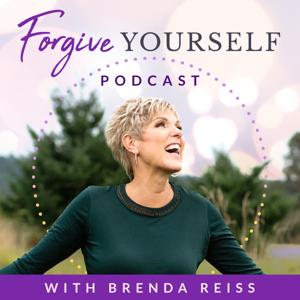


Why does guilt show up the moment you start honoring yourself? If you've ever set a boundary, said no, chosen rest, or spoken your truth only to immediately wonder if you were being selfish, this episode is for you.
In this episode, I explore the difference between healthy guilt, which invites growth and repair, and old pattern guilt, which pulls you back into people-pleasing, self-abandonment, and outdated roles. I share why guilt often intensifies when you're growing, how your nervous system can mistake self-honoring choices for danger, and why someone else's disappointment doesn't automatically mean you've done something wrong. Through personal stories, compassionate insight, and reflection questions, you’ll learn a new way to respond to guilt; one that helps you stay connected to yourself instead of returning to old patterns.
What You'll Learn
Resources:
Your FREE Forgive Yourself resources: https://brendareisscoaching.com/resources/
Are you struggling with a situation or a person in your life? Wondering if you are ready to work on forgiving yourself? Take our quiz to find out your emotional IQ and how this impacts your ability to forgive: https://archetype.brendareisscoaching.com/sf/357cdc60
Brenda’s Website/Links
Emotional freedom doesn't begin with a dramatic life change—it begins with one honest moment. In this episode, I explore what it really means to stop leaving yourself behind. If you've spent years being the dependable one, keeping the peace, saying yes when you mean no, or putting everyone else's needs ahead of your own, it’s time to recognize the hidden ways you've disconnected from yourself.
I share why self-forgiveness is essential to breaking old patterns and reclaiming your voice, and explore how resentment, exhaustion, and even menopause can reveal the places where you've been sacrificing yourself in the name of love, loyalty, or responsibility. Through gentle reflection questions, you'll discover that emotional freedom isn't about becoming someone new. It's about coming home to who you've always been.
What You'll Learn
Resources:
Your FREE Forgive Yourself resources: https://brendareisscoaching.com/resources/
Are you struggling with a situation or a person in your life? Wondering if you are ready to work on forgiving yourself? Take our quiz to find out your emotional IQ and how this impacts your ability to forgive: https://archetype.brendareisscoaching.com/sf/357cdc60
Brenda’s Website/Links
Healing doesn't mean forgetting the past or pretending it didn't hurt. It means no longer allowing what you didn't receive to define who you are.
In the final episode of this three-part series on the father wound, forgiveness, and healing, we explore what it truly means to move beyond awareness and begin rebuilding your relationship with yourself. I share how childhood experiences with an emotionally unavailable, critical, or inconsistent father can shape the way we love, trust, set boundaries, and view our own worth—and why healing isn't about waiting for someone else to finally become who you needed them to be. Instead, through gentle reflection questions and self-compassion, we can heal one small choice at a time.
What You'll Learn
Resources:
Your FREE Forgive Yourself resources: https://brendareisscoaching.com/resources/
Are you struggling with a situation or a person in your life? Wondering if you are ready to work on forgiving yourself? Take our quiz to find out your emotional IQ and how this impacts your ability to forgive: https://archetype.brendareisscoaching.com/sf/357cdc60
Brenda’s Website/Links
The father wound isn’t just about your father. It’s about the beliefs you formed about yourself when you didn’t feel fully seen, safe, protected, chosen, or emotionally met. In this second episode of my When Father’s Day Feels Complicated series, we’re exploring how those beliefs can quietly shape the way you love, trust, and choose long after childhood.
I’ll share some of my own experiences with people-pleasing, self-doubt, and trying to earn love, while helping you recognize the patterns that may still be influencing your relationships today. We’ll talk about why familiar doesn’t always mean healthy, how the father wound can impact self-trust, and what it means to begin choosing from your worth instead of your wound.
What You'll Learn
Resources:
Your FREE Forgive Yourself resources: https://brendareisscoaching.com/resources/
Are you struggling with a situation or a person in your life? Wondering if you are ready to work on forgiving yourself? Take our quiz to find out your emotional IQ and how this impacts your ability to forgive: https://archetype.brendareisscoaching.com/sf/357cdc60
Brenda’s Website/Links
Father’s Day can bring up more than celebration. It can stir grief, longing, anger, confusion, gratitude, or the ache of something that was never fully there. In the first episode of this three-part series, I explore the father wound and the impact of growing up with a father who may have been physically present but emotionally unavailable, absent, critical, inconsistent, or simply unable to give you what you needed.
I share parts of my own story and invite you to consider the difference between the father you had and the father you needed. Together, we will explore how unmet needs can shape the beliefs we carry about ourselves, the roles we adopt to earn love and approval, and the patterns that continue to show up in our relationships today.
This episode is not about blaming fathers or forcing forgiveness. It’s about telling the truth about your experience, grieving what was missing, and beginning to release the belief that what you didn’t receive says anything about your worth.
What You'll Learn
Resources:
Your FREE Forgive Yourself resources: https://brendareisscoaching.com/resources/
Are you struggling with a situation or a person in your life? Wondering if you are ready to work on forgiving yourself? Take our quiz to find out your emotional IQ and how this impacts your ability to forgive: https://archetype.brendareisscoaching.com/sf/357cdc60
Brenda’s Website/Links
Better conversations don’t begin with perfect words—they begin with a more honest relationship with yourself.
In this final episode of the self-trust series, I bring everything we've explored together and focus on what self-trust looks like in real life, especially in the conversations, decisions, and boundaries that feel the hardest. Too often, we overexplain, people-please, or abandon our own needs in an effort to keep the peace. But what if there was another way?
I share a simple self-trust practice you can use before difficult conversations, major decisions, or moments when you're tempted to seek permission outside yourself. You'll learn how to recognize the difference between the voice of fear and the voice of self-trust, pause before reacting, and take the next honest step without abandoning yourself in the process.
What You’ll Learn
Resources:
Your FREE Forgive Yourself resources: https://brendareisscoaching.com/resources/
Are you struggling with a situation or a person in your life? Wondering if you are ready to work on forgiving yourself? Take our quiz to find out your emotional IQ and how this impacts your ability to forgive: https://archetype.brendareisscoaching.com/sf/357cdc60
Brenda’s Website/Links
Why do some decisions feel impossible to make? Why do certain conversations leave you overthinking for days? And why do you keep finding yourself people-pleasing, seeking reassurance, or ignoring what you know is true?
Beneath avoidance, over-explaining, and self-doubt, there is often an unmet need asking for attention. In this episode, I continue our three-part series on self-trust by exploring the five hidden needs that shape our choices, conversations, and relationships. You’ll hear how needs for safety, belonging, validation, autonomy, and rest can quietly influence the way we show up in our lives. Instead of judging these patterns, I invite you to approach them with compassion and curiosity so you can begin making choices that are aligned with your truth rather than driven by fear.
What You’ll Learn
Resources:
Your FREE Forgive Yourself resources: https://brendareisscoaching.com/resources/
Are you struggling with a situation or a person in your life? Wondering if you are ready to work on forgiving yourself? Take our quiz to find out your emotional IQ and how this impacts your ability to forgive: https://archetype.brendareisscoaching.com/sf/357cdc60
Brenda’s Website/Links
Self-trust is not about having all the answers or never feeling afraid. It’s about learning to stay connected to yourself while taking the next honest step forward.
In this first episode of a special three-part series on self-trust, I explore why so many of us keep searching for more advice, more reassurance, and more opinions when deep down, we already know what feels true. I unpack the patterns of overthinking, people-pleasing, perfectionism, and self-doubt that pull us away from our own inner knowing. Old survival patterns can make even small decisions feel overwhelming, but self-trust is rebuilt one honest moment at a time, and I invite you to stop outsourcing your inner authority and begin reconnecting with your own truth.
What You’ll Learn
Resources:
Your FREE Forgive Yourself resources: https://brendareisscoaching.com/resources/
Are you struggling with a situation or a person in your life? Wondering if you are ready to work on forgiving yourself? Take our quiz to find out your emotional IQ and how this impacts your ability to forgive: https://archetype.brendareisscoaching.com/sf/357cdc60
Brenda’s Website/Links
There are some wounds that change the course of a life, and some healing journeys that change it again. In this deeply vulnerable conversation, I sit down with author and memoirist Heather Conn to talk about surviving childhood incest, the long and layered process of healing, and the unexpected path that eventually led her toward forgiveness. Heather shares how years of therapy, body-based healing, creativity, meditation, writing, and spiritual practice helped her reconnect with herself after trauma disconnected her from her body, emotions, and relationships.
Together, we talk about the difference between forgiveness and condoning harm, the complexity of family relationships, the courage it takes to tell the truth, and why healing is never linear. Heather also opens up about the backlash she received after publishing her memoir, “No Letter in Your Pocket,” and why she chose compassion anyway.
Please take care of yourself as you move through this episode.
What You’ll Learn
Heather will send a free copy of “No Letter in Your Pocket” to the first message she receives on her website! Visit: www.heatherconn.com
Get your copy of “No Letter in Your Pocket”: https://www.amazon.com/Letter-Your-Pocket-Memoir-Biography/dp/177183787X
Follow Heather on Instagram: https://www.instagram.com/SixStinkyFeetandaSasquatch
Connect with Heather LinkedIn: https://www.linkedin.com/in/hconn/
Watch "Journey to Forgiveness": https://www.youtube.com/watch?v=W-Ukq86zVdo
Resources:
Your FREE Forgive Yourself resources: https://brendareisscoaching.com/resources/
Are you struggling with a situation or a person in your life? Wondering if you are ready to work on forgiving yourself? Take our quiz to find out your emotional IQ and how this impacts your ability to forgive: https://archetype.brendareisscoaching.com/sf/357cdc60
Brenda’s Website/Links
So many women carry a quiet promise inside themselves: ‘I will be different from my mother.’ Maybe you grew up feeling unseen, emotionally alone, criticized, or responsible for everyone else’s feelings. And when you became a mother yourself, you vowed your children would never feel what you felt. But what happens when that promise turns into pressure?
In this episode, I talk about the emotional weight of trying to be the mom you didn’t have and the exhaustion that comes from believing you have to get motherhood “right” in order to break the cycle. I share parts of my own story, the promises I made as a young mother, the wounds that followed me into parenting, and how fear and perfectionism can quietly shape the way we show up for our children. We also explore the role of the inner child, why motherhood can feel so emotionally intense when you’re still healing your own childhood wounds, and how repair, awareness, and self-forgiveness matter more than perfection ever will.
What You’ll Learn
Resources:
Your FREE Forgive Yourself resources: https://brendareisscoaching.com/resources/
Are you struggling with a situation or a person in your life? Wondering if you are ready to work on forgiving yourself? Take our quiz to find out your emotional IQ and how this impacts your ability to forgive: https://archetype.brendareisscoaching.com/sf/357cdc60
Brenda’s Website/Links
From the publisher's feed
62,683 Listeners

28,013 Listeners

46,129 Listeners

19,271 Listeners