
Sign up to save your podcasts
Or

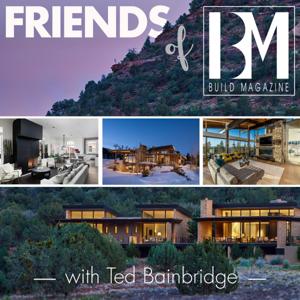


Ted speaks with CP Drewett, architect and founder of Drewett Works, about the health transformation that changed his life and work. CP shares the moment of self-inventory that led him to prioritize his health, how he distinguishes joy from happiness, and the role sleep and discipline played in his recovery. He also looks back on a career that took off within eight months of starting his business, the humbling effect of the 2009 recession, and the 2011 project that redefined his sense of purpose.
The conversation moves into CP’s approach to architecture, built on stewardship, indigenous design that responds to the desert climate, and detailed up-front planning with clients on large projects. CP discusses what clients are asking for now, including spaces for recovery and peace, and how he and his team are adopting AI to improve workflow, quality control, and the bidding process. He closes with the 21 Gold Nugget awards Drewett Works won this year and the team culture behind them.
TOPICS DISCUSSED
CONNECT WITH GUEST
CP Drewett
KEY QUOTES FROM EPISODE
Ted speaks with Brent Macklin, co-founder of Arctic Spas, about how he and his partners built one of the world's leading hot tub manufacturers, starting from a single retail store in Calgary in 1992. Brent traces the company's growth from taking over a small Edmonton manufacturer in 1997 to becoming Canada's largest hot tub maker and expanding into Europe, including long-standing dealer relationships across the UK, France, and Scandinavia.
The conversation dives into what sets Arctic Spas apart: their pioneering "perimeter insulation" design, which places equipment inside the insulated cabinet to keep hot tubs running efficiently in extreme cold, and their evolution toward more comfortable, ergonomic seating. Brent also discusses Spa Boy, the company's decade-in-the-making automated water care system, and reflects on thirty years of partnership, growth, and weathering downturns like the 2008 financial crisis.
TOPICS DISCUSSED
CONNECT WITH GUEST
Brent Macklin
KEY QUOTES FROM EPISODE
Ted speaks with Bear Barinowski about the experiences that have shaped his approach to leadership, luxury construction, and community involvement. Drawing from his travels and years in the building industry, Bear shares how trust, communication, and adaptability have become the foundation for building exceptional homes, leading successful teams, and fostering lasting client relationships.
The conversation explores the evolving expectations of luxury homeowners, the importance of community engagement, and how technology is influencing the future of construction and smart homes. Bear also discusses leadership, personal growth, and the responsibility builders have to create meaningful experiences for their clients, offering practical insights for anyone looking to succeed in the custom home industry.
TOPICS DISCUSSED
CONNECT WITH GUEST
Bear Barinowski
KEY QUOTES FROM EPISODE
Ted speaks with Bobby Banica about his journey from Romania to the United States and the experiences that shaped his career in luxury remodeling. Bobby shares the differences between construction practices in Europe and the U.S., how he grew from managing small renovation projects to leading multimillion-dollar remodels, and why quality craftsmanship and strong client relationships remain at the core of his business.
The conversation explores budgeting, market expansion into Las Vegas, and the unique challenges of high-end remodeling compared to new construction. Bobby also discusses the growing influence of AI on the construction industry while emphasizing that trust, communication, and the human element will always be essential to delivering exceptional projects. The episode offers valuable insights into leadership, craftsmanship, and adapting to an evolving industry.
TOPICS DISCUSSED
CONNECT WITH GUEST
Bobby Banica
KEY QUOTES FROM EPISODE
Ted speaks with Mark Armstrong of Peak Projects about his journey into construction and the leadership principles that have shaped his career. Drawing from his background in athletics, Mark discusses how discipline, accountability, and embracing constructive criticism have influenced his approach to building teams, managing complex projects, and creating a strong company culture. He also shares how lessons from history continue to inspire thoughtful design and craftsmanship.
The conversation explores the challenges of high-end construction, from navigating permitting and urban projects to preserving craftsmanship in a rapidly evolving industry. Mark also discusses the importance of trade skills, learning from mistakes, and maintaining a mindset of continuous improvement. The episode offers valuable insight into leadership, culture, and the enduring principles behind building extraordinary projects.
TOPICS DISCUSSED
CONNECT WITH GUEST
Mark Armstrong
KEY QUOTES FROM EPISODE
Ted speaks with Dean Jones, CEO of Realogics Sotheby's International Realty (RSIR), about Terminal One Motor and Yacht Club, a new waterfront development near the Ballard Locks in Seattle. Dean explains the site's history as a former WWII-era petroleum depot, how environmental remediation turned the contaminated brownfield into a rare nine-acre in-city opportunity, and the vision for combining luxury car and yacht storage into a single ownership community.
The conversation covers the mechanics of the project: fee-simple "dockuminium" ownership for both car collectors and yacht owners, including slips built to accommodate yachts up to 300 feet, the design partnership with Olsen Kundig, and property management through Columbia Hospitality. Dean also discusses Seattle's tax and policy climate, why buyers increasingly view the development as a "third home," and the pre-sales and construction timeline leading into this fall's groundbreaking.
TOPICS DISCUSSED
CONNECT WITH GUEST
Dean Jones
KEY QUOTES FROM EPISODE
Ted speaks with Erin Otterbeck, CEO of Corvé Fine Cabinetry and Millwork, about her unique journey from healthcare to leading an innovative cabinetry company in Naples. Erin shares how relationship building, perseverance, and a commitment to integrity helped shape her career and leadership style as she transitioned into the design and construction industry. She discusses the challenges and opportunities of stepping into a leadership role and the importance of creating meaningful experiences for both clients and industry partners.
The conversation explores how emerging technologies like AI and 3D visualization are transforming the cabinetry and construction industries while reinforcing the continued importance of human connection, trust, and collaboration. Erin also shares her perspective on evolving client expectations, showroom innovation, construction challenges, and the future of design, highlighting how technology and customer-focused service can work together to create better outcomes.
TOPICS DISCUSSED
CONNECT WITH GUEST
Erin Otterbeck
KEY QUOTES FROM EPISODE
Ted speaks with Evan Soltoff of eggersmann Kitchens and Home LIving about the legacy of one of the world's leading luxury cabinetry brands and the evolution of kitchen design. Evan shares the history of the family-owned company, its expansion beyond Germany into international markets, and how a commitment to craftsmanship, innovation, and customer-centric design has helped eggersmann remain at the forefront of the industry.
The conversation explores how kitchens have evolved from purely functional spaces into the focal point of the modern home. Evan discusses the growing importance of customization, premium materials, and integrating technology into cabinetry and kitchen systems. He also shares insights into designing for both historic and contemporary homes, balancing timeless aesthetics with modern functionality, and creating solutions that meet the unique needs of each client.
Ted and Evan also discuss emerging trends in luxury design, including sustainability, accessibility, aging-in-place solutions, and the continued role of physical showrooms in an increasingly digital world. The episode offers a thoughtful look at how tradition and innovation can work together to create exceptional design experiences and why understanding customer needs remains the foundation of lasting success.
TOPICS DISCUSSED
CONNECT WITH GUEST
Evan Soltoff
KEY QUOTES FROM EPISODE
Ted speaks with Sophia Passerini about her journey from Italy to the United States and how her experiences living across Europe shaped her approach to luxury interior design. Sophia shares how growing up in Venice, working in Spain and Italy, and eventually building a career in Palm Beach influenced her appreciation for timeless European elegance, craftsmanship, and authenticity in design.
The conversation explores the challenges of adapting to the American market, building trust with clients, and balancing European design traditions with the preferences of US homeowners. Sophia discusses the importance of textiles, materials, and sourcing skilled artisans from around the world to create interiors that feel both refined and deeply personal. She also reflects on the differences in craftsmanship between Europe and the US and why attention to detail remains central to her work.
Ted and Sophia also discuss the emotional side of design, including the role of personal connection, comfort, and storytelling within a home. The episode offers insight into Sophia’s design philosophy, her perspective on the American dream, and how diverse life experiences can shape a distinctive and enduring creative vision.
TOPICS DISCUSSED
CONNECT WITH GUEST
Sophia Passerini
KEY QUOTES FROM EPISODE
Ted speaks with Grant Bowen, founder of Peak Projects. Grant shares his journey from small-town Michigan to leading a luxury construction company focused on high-end residential projects across top markets like Deer Valley and Whitefish. He discusses the importance of collaboration, company culture, and applying lessons from innovative companies like Google to improve communication, leadership, and project execution.
The conversation also explores risk management, remote project oversight, and identifying emerging real estate opportunities in competitive luxury markets. Grant shares his perspective on AI, resilience, and the importance of mentoring the next generation, offering insight into the mindset and leadership required to succeed in luxury construction and development.
TOPICS DISCUSSED
CONNECT WITH GUEST
Grant Bowen
KEY QUOTES FROM EPISODE
From the publisher's feed