
Sign up to save your podcasts
Or

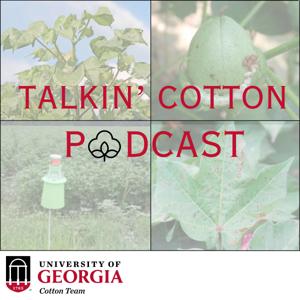

Prices are stubborn, inputs aren’t getting cheaper, and acres have shifted—but we still need cotton in Georgia. We take you inside the decisions that matter most for 2026: choosing stable, above‑average varieties with multi‑year proof, pairing trait packages to your pest pressure and management style, and building a plan where timing—not just rate—drives performance. From OVT comparisons to 25 on‑farm trial sites, we explain how to read the data for stability across environments instead of chasing last year’s headline yield.
We also unpack a hot question: can conventional cotton really save money? The math often says no once you include extra trips, worm sprays, and weed pressure. Yield per pound remains the biggest lever on profitability, so we outline where to spend and where to skip—clean starts with effective residuals, scouting‑led insect calls, and right‑time PGRs tailored to variety vigor. Small positioning choices matter too, like using semi‑smooth leaves outside whitefly zones to buy time against jassids and placing aggressive genetics on weaker ground to rein in height and hasten earliness.
Deer pressure is no longer “just a headache”—it’s measurable loss. We share new work that links NDVI satellite imagery to yield maps so you can put dollars to damage, make a case with insurers, and decide if fencing pays back in one field edge or across a whole farm. For those exploring repellents, we discuss practical ways to fold them into existing spray calendars without letting costs outrun returns. Along the way, we keep the focus where it belongs: make every input count, avoid unproven add‑ins, and keep the two‑way conversation going with your county agent.
Subscribe, share this episode with a neighbor, and leave a review with your biggest 2026 decision—what will you change to protect yield this year?
 View all episodes
 By University of Georgia's Cotton Team
5
1616 ratings
Prices are stubborn, inputs aren’t getting cheaper, and acres have shifted—but we still need cotton in Georgia. We take you inside the decisions that matter most for 2026: choosing stable, above‑average varieties with multi‑year proof, pairing trait packages to your pest pressure and management style, and building a plan where timing—not just rate—drives performance. From OVT comparisons to 25 on‑farm trial sites, we explain how to read the data for stability across environments instead of chasing last year’s headline yield.
We also unpack a hot question: can conventional cotton really save money? The math often says no once you include extra trips, worm sprays, and weed pressure. Yield per pound remains the biggest lever on profitability, so we outline where to spend and where to skip—clean starts with effective residuals, scouting‑led insect calls, and right‑time PGRs tailored to variety vigor. Small positioning choices matter too, like using semi‑smooth leaves outside whitefly zones to buy time against jassids and placing aggressive genetics on weaker ground to rein in height and hasten earliness.
Deer pressure is no longer “just a headache”—it’s measurable loss. We share new work that links NDVI satellite imagery to yield maps so you can put dollars to damage, make a case with insurers, and decide if fencing pays back in one field edge or across a whole farm. For those exploring repellents, we discuss practical ways to fold them into existing spray calendars without letting costs outrun returns. Along the way, we keep the focus where it belongs: make every input count, avoid unproven add‑ins, and keep the two‑way conversation going with your county agent.
Subscribe, share this episode with a neighbor, and leave a review with your biggest 2026 decision—what will you change to protect yield this year?

228,327 Listeners

39,143 Listeners

222 Listeners
20 Listeners

392 Listeners
352 Listeners

1,213 Listeners
1,690 Listeners

1,815 Listeners

1,690 Listeners