
Sign up to save your podcasts
Or

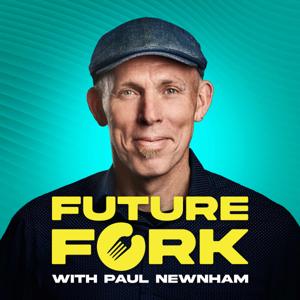


In today’s episode, I’m joined by Sally Higgins, a farmer from Allora in regional Queensland and the COP31 Presidency Youth Climate Champion. Five years ago, Sally and her partner Gus moved home to start their own mixed farm business. She’s now taking the voices of young people and farming communities into the UN climate negotiations.
You’ll hear why Sally believes the fundamental economics of farming don’t add up anymore, the country song that convinced her and Gus to move home and try farming, and the one request a group of young female pastoralists in Kenya asked her to carry into COP.
Resources and links:
Sally on LinkedIn LinkedIn
Sally on Instagram
Connect:
Future Fork podcast website
Paul Newnham on Instagram
Paul Newnham on X
Paul Newnham on LinkedIn
Disruptive Consulting Solutions website
SDG2 Advocacy Hub website
SDG2 Advocacy Hub on X
SDG2 Advocacy Hub on Facebook
SDG2 Advocacy Hub on LinkedIn
In today’s episode, I’m joined by Enock Chikava, Director of Economic Opportunity, Africa at the Gates Foundation. Enock grew up as one of 11 children on a two-hectare smallholder farm in Zimbabwe, where his mum is still farming today.
You’ll hear why chickens in Africa survived the kind of heat that was killing chickens in France, why chicken costs $7 a kilo in Nigeria and $2 in Brazil, and how Enock’s mum swapped maize for sorghum and millet, got 10 times the price, and ended up with Starlink on the farm.
Resources and links:
Enock on LinkedIn
Gates Foundation profile
Connect:
Future Fork podcast website
Paul Newnham on Instagram
Paul Newnham on X
Paul Newnham on LinkedIn
Disruptive Consulting Solutions website
SDG2 Advocacy Hub website
SDG2 Advocacy Hub on X
SDG2 Advocacy Hub on Facebook
SDG2 Advocacy Hub on LinkedIn
In today's episode, I’m joined by Bettina Campolucci Bordi, chef, cookbook author and founder of the Retreat Chef Academy. Bettina grew up in Dar es Salaam, Tanzania, where everything was made from scratch. She has built a career around plant-based cooking that's about abundance rather than restriction.
You'll hear how a missing retreat chef gave Bettina her start in food at 27, why the swede you don't know what to do with might be the best thing in your veg box, and why the humble millet, currently "budgie food", deserves a place back on our plates.
Resources and links:
Bettinas Kitchen
Bettina on Instagram
Bettina on Linkedin
Connect:
Future Fork podcast website
Paul Newnham on Instagram
Paul Newnham on X
Paul Newnham on LinkedIn
Disruptive Consulting Solutions website
SDG2 Advocacy Hub website
SDG2 Advocacy Hub on X
SDG2 Advocacy Hub on Facebook
SDG2 Advocacy Hub on LinkedIn
In today's episode, I’m joined by Chef Abiro Wisdom, executive chef of the Ghana Food Movement, a non-profit championing Ghana's indigenous ingredients and food culture. Abiro grew up in Northern Ghana, and this year the Ghana Food Movement won the World's 50 Best Champions of Change Award.
You'll hear why Ghana imports close to $1 million a year in vanilla flavouring and the indigenous spice Abiro's kitchen believes could replace it, the Northern Ghanaian food rule about eating the meat last that still shapes how he works today, and the striking testimony he heard about a woman's 90-day red sorghum diet after a cancer diagnosis.
Resources and links:
Chef Abiro on Linkedin
Chef Abiro on Instagram
Ghana Food Movement website
Connect:
Future Fork podcast website
Paul Newnham on Instagram
Paul Newnham on X
Paul Newnham on LinkedIn
Disruptive Consulting Solutions website
SDG2 Advocacy Hub website
SDG2 Advocacy Hub on X
SDG2 Advocacy Hub on Facebook
SDG2 Advocacy Hub on LinkedIn
In today's episode, I’m joined by Professor Appolinaire Djikeng, Director General of the International Livestock Research Institute and CGIAR Senior Director for Livestock-Based Systems. Recorded at ILRI's headquarters in Kenya, Appolinaire talks about growing up in a village in western Cameroon where the family's pigs, goats and chickens paid for his schooling, and the work he now leads for a sector more than 1.7 billion people still depend on.
You'll hear why Appolinaire says he would probably never have received an education without livestock, why a dairy farmer in Kenya may need ten animals to produce what one animal produces in the Netherlands or Australia, and why he argues livestock is the top climate solution the Global South has to offer rather than the problem it's usually cast as.
Resources and links:
Professor Appolinaire Djikeng, Director General, ILRI
Appolinaire on LinkedIn
International Livestock Research Institute (ILRI)
ILRI on LinkedIn
CGIAR
Connect:
Future Fork podcast website
Paul Newnham on Instagram
Paul Newnham on X
Paul Newnham on LinkedIn
Disruptive Consulting Solutions website
SDG2 Advocacy Hub website
SDG2 Advocacy Hub on X
SDG2 Advocacy Hub on Facebook
SDG2 Advocacy Hub on LinkedIn
In today's episode, I’m joined by Alice Ruhweza, President of AGRA. Alice grew up in Uganda as the daughter of the country's first post-colonial chief game warden, and spent 20 years working in conservation before taking on the job of making African farmers prosperous.
You'll hear why Alice says she worked in conservation for two decades without ever being a conservationist, what happened when the communities living around Uganda's last mountain gorillas were finally asked what they actually needed, and why she thinks nutrition is the most important bet on the continent over the next decade.
Resources and links:
AGRA Website
Alice on LinkedIn
Connect:
Future Fork podcast website
Paul Newnham on Instagram
Paul Newnham on X
Paul Newnham on LinkedIn
Disruptive Consulting Solutions website
SDG2 Advocacy Hub website
SDG2 Advocacy Hub on X
SDG2 Advocacy Hub on Facebook
SDG2 Advocacy Hub on LinkedIn
In today's episode, I’m joined by Leon Aarts, co-founder and CEO of Ample, which buys surplus food from farmers at scale and turns it into plant-based meal components for schools and hospitals. Leon became a chef by accident at 19, built a fine food wholesale business and then walked away from it.
You'll hear why between 15 and 20% of everything grown in the UK never leaves the farm, what happened on Leon's first day in the refugee camp in Calais, and why he thinks philanthropy has nothing to do with money.
Resources and links:
Leon on Linkedin
Leon on Instagram
Ample
Connect:
Future Fork podcast website
Paul Newnham on Instagram
Paul Newnham on X
Paul Newnham on LinkedIn
Disruptive Consulting Solutions website
SDG2 Advocacy Hub website
SDG2 Advocacy Hub on X
SDG2 Advocacy Hub on Facebook
SDG2 Advocacy Hub on LinkedIn
In today's episode, I’m joined by Ana Maria Loboguerrero, Director of Adaptive and Equitable Food Systems at the Gates Foundation. Ana Maria grew up in Bogotá and now leads work that sits across three dimensions at once, climate, gender and nutrition, with most of it focused on sub-Saharan Africa.
You'll hear what the latest State of Food Security and Nutrition in the World report found about the 2.7 billion people who can't afford a healthy diet, why FAO's analysis says supporting women farmers with what they need would add $1 trillion to the global economy, and the story of the two women in Ana Maria's own family who became the first and second women in Colombia to graduate as mathematicians.
Resources and links:
Ana Maria Loboguerrero at the Gates Foundation
Ana Maria on LinkedIn
Gates Foundation, Agricultural Development
The State of Food Security and Nutrition in the World (SOFI)
Connect:
Future Fork podcast website
Paul Newnham on Instagram
Paul Newnham on X
Paul Newnham on LinkedIn
Disruptive Consulting Solutions website
SDG2 Advocacy Hub website
SDG2 Advocacy Hub on X
SDG2 Advocacy Hub on Facebook
SDG2 Advocacy Hub on LinkedIn
In today's episode, I’m once again joined by Maximo Torero, Chief Economist of the Food and Agriculture Organization of the United Nations, on the day the 2026 State of Food Security and Nutrition in the World report, or SOFI, is released. Each year, SOFI gives the clearest picture of where the world stands on hunger and nutrition.
You'll hear why global hunger has fallen for a third year running even as official development assistance was cut by more than 25%, why Africa now has more hungry people than Asia, and why 2.7 billion people still can't afford a healthy diet — one that now costs more than the extreme poverty line itself.
Resources and links:
The 2026 State of Food Security and Nutrition in the World (SOFI) report
FAO website
Maximo Torero, FAO Chief Economist
Maximo Torero on LinkedIn
Connect:
Future Fork podcast website
Paul Newnham on Instagram
Paul Newnham on X
Paul Newnham on LinkedIn
Disruptive Consulting Solutions website
SDG2 Advocacy Hub website
SDG2 Advocacy Hub on X
SDG2 Advocacy Hub on Facebook
SDG2 Advocacy Hub on LinkedIn
In today's episode, I’m joined by Pete Henderson, founder of E2G Food and a former BBC cameraman who spent years filming famines before deciding to do something about them. E2G Food makes nutrient-dense food bars and gives them away to the people who need them most.
You'll hear why Pete thinks the way the world feeds people is fundamentally broken, how a teaspoon of spirulina (pond algae dried into a green powder) can carry as much protein as a quarter of a chicken leg, and the story of the Sudanese woman Pete couldn't feed one afternoon in a famine, and why he's certain a single food bar would have saved her life.
Resources and links:
Pete Henderson on LinkedIn
E2G Food
Track Your Impact
Connect:
Future Fork podcast website
Paul Newnham on Instagram
Paul Newnham on X
Paul Newnham on LinkedIn
Disruptive Consulting Solutions website
SDG2 Advocacy Hub website
SDG2 Advocacy Hub on X
SDG2 Advocacy Hub on Facebook
SDG2 Advocacy Hub on LinkedIn
From the publisher's feed