
Sign up to save your podcasts
Or

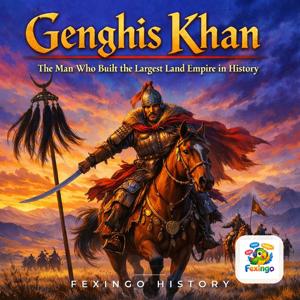


We often picture Genghis Khan as a master of land warfare, commanding vast cavalry armies across the steppes. But in 1219, he launched an unprecedented experiment: building a fleet to conquer the Khwarezmid Empire from the water. This episode explores the logistical miracle of transporting horses and timber across the Aral Sea to besiege the island city of Otrar. We examine how Mongol engineers adapted Chinese siege technology and shipbuilding techniques to create a navy capable of breaking Islamic coastal defenses. Through the eyes of commanders like Jebe and Subutai, we trace the construction of riverboats on the Irtysh River and their journey through the desert. The story reveals a side of Mongol strategy rarely discussed—their willingness to innovate beyond traditional steppe tactics when geography demanded it. Join us as we uncover the details of the first Mongol naval campaign, the role of Uyghur artisans, and the terrifying efficiency of amphibious assaults in medieval Central Asia.
#MongolEmpire #GenghisKhan #KhwarezmianEmpire #Otrar #AralSea #MongolNavy #JebeNoyan #Subutai #SteppeWarfare #SiegeTechnology #CentralAsiaHistory #UyghurArtisans #IrtyshRiver #MedievalNavalWarfare #TumenCommanders #YassaCode #SecretHistoryOfTheMongols #History
Keep every episode free: buymeacoffee.com/fexingo
We often hear about the Mongol army's size or their terror tactics, but we rarely discuss the mechanical reality of how a soldier stayed mounted for days. This episode explores the intricate design of Mongol horse tack, from the high-backed saddle to the stirrups that allowed archers to shoot while riding at full gallop. We look at how this equipment gave them a decisive advantage over heavier European cavalry. The conversation also examines the logistics of feeding these horses on the steppe, including the famous trick of drinking horse blood in emergencies. By understanding the gear, we understand the mobility that made the largest land empire possible.
#MongolEmpire #GenghisKhan #SteppeWarfare #HorseSaddle #Stirrups #CavalryHistory #MilitaryTechnology #CentralAsia #NomadicLife #HorseArchery #Logistics #IronAge #MedievalHistory #EurasianSteppe #TacticalAdvantage #AncientWeapons #FexingoHistory #History
Keep every episode free: buymeacoffee.com/fexingo
For over eight centuries, the final resting place of Genghis Khan has remained one of history’s most guarded secrets. In this episode, we trace the desperate measures taken to protect his tomb from Mongol tradition and human curiosity alike. We explore the controversial account by Persian historian Ata-Malik Juvayni, who described a funeral procession where every witness was executed to seal the grave's location. We also examine the modern archaeological hunt in the Khentii Mountains, specifically the site known as Ikh Khorig, or the Sacred Forbidden Place. Recent ground-penetrating radar surveys have revealed anomalous structures beneath the forest canopy, challenging the notion that the burial is entirely lost. We discuss the political tension between preserving cultural heritage and respecting indigenous sacred sites, while asking whether technology can finally solve what armies could not. This conversation moves beyond the myth of the secret tomb to look at the tangible evidence—and the ethical dilemmas—of digging for the man who built the largest land empire in history.
#GenghisKhan #MongolEmpire #KhentiiMountains #IkhKhorig #AtaMalikJuvayni #SecretTomb #CentralAsiaHistory #Archaeology #GroundPenetratingRadar #MongoliaTravel #BurkhanKhaldun #SteppeNomads #HistoricalMysteries #TangutWar #YassaCode #SacredSites #FexingoHistory #History
Keep every episode free: buymeacoffee.com/fexingo
We explore the sophisticated medical infrastructure that kept Genghis Khan’s armies moving across Eurasia. While popular history focuses on conquest, the Mongol military machine relied on a dedicated corps of physicians drawn from conquered territories like the Jin Dynasty and Khwarezm. Lucas and Luna discuss how these practitioners combined traditional Chinese herbal medicine with Islamic surgical techniques and steppe shamanic rituals to treat everything from arrow wounds to dysentery. We look at the role of Ali ibn Sina’s texts in standardizing care, the practical realities of field hospitals near the front lines, and how this medical network contributed to the longevity of the empire’s campaigns. This episode moves beyond the myth of the barbarian horde to examine the humanitarian and logistical systems that allowed the Mongols to sustain long-distance warfare without collapsing from disease or injury.
#GenghisKhan #MongolEmpire #MilitaryMedicine #SteppeHistory #CentralAsia #JinDynasty #Khwarezm #AliibnSina #MedicalCorps #Tangut #WesternXia #Shamanism #HerbalMedicine #IslamicMedicine #FieldHospital #Dysentery #FexingoHistory #History
Keep every episode free: buymeacoffee.com/fexingo
In this episode, we explore how Genghis Khan managed the spiritual landscape of his expanding empire, moving beyond simple conquest to a policy of calculated religious pluralism. We examine his interactions with Buddhist monks, Daoist immortals like Qiu Chuji, and Muslim clerics, analyzing why he granted tax exemptions and immunity to religious institutions across Central Asia and China. By understanding his personal devotion to Tengri alongside his pragmatic respect for other faiths, we uncover the strategic logic behind the Yassa code’s provisions on religious freedom. This approach wasn't just tolerance; it was a tool for stabilization that allowed diverse populations from the Khwarezmian Empire to the Jin Dynasty to remain productive subjects rather than rebellious ones.
#GenghisKhan #MongolEmpire #Tengri #QiuChuji #Daoism #Buddhism #IslamicReligion #YassaCode #ReligiousFreedom #CentralAsia #HistoryPodcast #FexingoHistory #Khwarezmid #JinDynasty #SpiritualStrategy #Temujin #BurkhanKhaldun #SecretHistory
Keep every episode free: buymeacoffee.com/fexingo
While previous episodes explored the Mongol postal system, military logistics, and the Yassa code, this episode shifts focus to the delicate art of steppe diplomacy and the integration of conquered peoples into the empire’s administrative fabric. We examine how Genghis Khan managed relations with distant powers like the Khwarazmian Empire and the Jin Dynasty not just through force, but through calculated messaging and the strategic use of his adopted sons as envoys. The conversation highlights the role of the Barqaq spies in gathering intelligence before conflict erupted, and how the integration of Uyghur scribes and Muslim administrators helped stabilize the empire’s vast territories. We also look at the psychological impact of Mongol mercy versus destruction, using the contrasting fates of Bukhara and Merv to illustrate Genghis’s pragmatic approach to surrender. By focusing on the human interactions behind the conquests—letters, treaties, and the complex relationships between Mongol nobles and their subjects—we uncover a more nuanced picture of imperial statecraft that goes beyond the battlefield.
#GenghisKhan #MongolEmpire #SteppeDiplomacy #KhwarezmianEmpire #JinDynasty #BarqaqSpies #UyghurScribes #Bukhara #Merv #YamSystem #MongolHistory #CentralAsia #ImperialStatecraft #Temujin #Subutai #Jebe #SecretHistory #History #FexingoHistory
Keep every episode free: buymeacoffee.com/fexingo
In this episode, we explore how Genghis Khan managed the spiritual landscape of his expanding empire, moving beyond the well-known military tactics to examine his diplomatic engagement with religious leaders. We discuss the pivotal meeting between Genghis Khan and the Taoist master Qiu Chuji in 1222, a conversation that reveals Genghis’s pragmatic approach to faith as a tool for stability. The dialogue covers the Mongol concept of Tengri, the practice of tax exemptions for clergy, and the strategic decision to protect sacred sites across Central Asia and China. By examining these policies, we see how Genghis Khan built loyalty not just through fear, but through a calculated respect for the divine authority of his subjects, ensuring that the Yam system and local administrations operated smoothly under a banner of spiritual neutrality.
#GenghisKhan #QiuChuji #Tengri #MongolEmpire #ReligiousFreedom #CentralAsia #Taoism #13thCentury #YamSystem #Khurelde #SecretHistory #Buddhism #Islam #Christianity #SpiritualStrategy #ImperialPolicy #History #FexingoHistory #Documentary
Keep every episode free: buymeacoffee.com/fexingo
While previous episodes explored the logistics, spies, and bloodlines of the Mongol Empire, this episode turns its gaze to the artisans and engineers who made conquest possible. We examine how Genghis Khan integrated Chinese siege engineers, Persian catapulters, and Muslim ballist makers into his war machine. From the brutal siege of Khwarazmian cities like Otrar and Bukhara to the construction of the capital at Karakorum, we look at the technological fusion that allowed horsemen to topple stone walls. Through the eyes of captured specialists, we trace the transfer of gunpowder, trebuchets, and fortification design from East to West, revealing a military revolution built not just on speed, but on borrowed ingenuity.
#GenghisKhan #MongolEmpire #SiegeEngineering #Karakorum #KhwarezmianEmpire #JinDynasty #Trebuchet #Gunpowder #CentralAsia #MilitaryHistory #Artisans #Bukhara #Otrar #Naiman #PaxMongolica #History #FexingoHistory #SteppeWars
Keep every episode free: buymeacoffee.com/fexingo
In this episode of Genghis Khan: The Man Who Built the Largest Land Empire in History, Lucas and Luna explore the Mongol ruler’s unprecedented policy of religious tolerance. While often remembered for conquest, Genghis Khan established a system where all faiths were treated equally before the state. We discuss how he exempted clergy from taxes and military service to secure divine favor for his empire. The conversation examines specific interactions with Buddhist monks like Chinqa, Islamic imams, Christian priests, and Daoist masters like Qiu Chuji. You will learn about the debates held in Karakorum, the concept of Tengri, and how this pragmatic approach to spirituality helped stabilize a multi-ethnic empire stretching from China to Eastern Europe. This deep dive into Mongol theology reveals why religious freedom was not just a moral choice but a strategic necessity for maintaining order across diverse territories.
#GenghisKhan #MongolEmpire #ReligiousTolerance #CentralAsianHistory #QiuChuji #Buddhism #Islam #Christianity #Daoism #Tengri #Karakorum #Yassa #Khurelde #SteppeCulture #ImperialPolicy #MedievalAsia #FexingoHistory #History
Keep every episode free: buymeacoffee.com/fexingo
Before we dive into the legal architecture that held the Mongol Empire together, let’s take a moment to talk about how this show exists. We are an independent history podcast, which means we rely on the people who listen to keep us going. If you’ve been enjoying our deep dives into Central Asia and the steppe, consider supporting us directly at buy me a coffee dot com slash fexingo. It helps us keep these episodes ad-free and allows us to spend more time on research like this. Thanks for being part of the community.
This episode moves away from horses, spies, and bloodlines to examine the Yassa, the secret code of laws attributed to Genghis Khan. While earlier episodes touched on his military tactics and succession crises, few have explored the actual legal framework that governed daily life across his vast empire. Lucas walks us through the key provisions of the Yassa, from the protection of Tengri worship and freedom of religion to the strict penalties for theft and adultery. We also look at the controversial aspects, including the role of women and the harsh punishments for disloyalty, questioning how much of the code was actually written down versus oral tradition. Luna asks probing questions about the enforcement of these laws and their long-term impact on the societies conquered by the Mongols.
#Yassa #GenghisKhan #MongolLaw #SteppeEmpire #Tengri #MongolHistory #LegalCode #CentralAsia #Khans #EmpireBuilding #MedievalLaw #Jochi #Chagatai #Tolui #Ögedei #SecretHistory #FexingoHistory #History
Keep every episode free: buymeacoffee.com/fexingo
From the publisher's feed