
Sign up to save your podcasts
Or

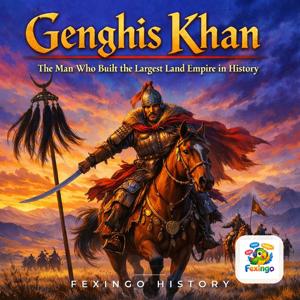


In this episode of Fexingo History, we explore the tangible infrastructure of Genghis Khan’s empire through the paiza, or golden tablet, which served as both passport and power symbol across the Silk Road. We trace how these tokens enabled the Yam relay system to function at unprecedented speeds, connecting Karakorum to distant provinces like Khwarezm and the Jin Dynasty. Lucas and Luna discuss the specific protocols governing their use, from the dietary privileges of airag to the legal immunity granted to bearers. We also examine the financial side of this network, looking at the chao paper currency issued by the Uyghur administrators and how credit mechanisms supported the logistics of siege engineers and medical corps. By focusing on the physical objects and administrative policies rather than battlefield tactics, we uncover how Genghis Khan built a sustainable economic zone that outlasted his conquests, setting precedents for global trade and communication in the thirteenth century.
#GenghisKhan #Paiza #YamRelaySystem #MongolEmpire #SilkRoadHistory #Karakorum #Khwarezm #JinDynasty #UyghurScript #ChaoCurrency #Airag #SteppeNomads #MedievalTrade #CentralAsiaHistory #MongolAdministration #Temujin #Subutai #FexingoHistory #History
Keep every episode free: buymeacoffee.com/fexingo
While previous episodes have explored the Mongol military’s devastating sieges, religious tolerance, and the Yam relay system, this episode turns to the shadows. We examine the 'Dark Hounds'—Shavkar—and how Genghis Khan built the world’s first sophisticated intelligence apparatus long before modern espionage existed. Through the stories of spies like Barqaq and the ruthless efficiency of his secret police, we see how information was as lethal as arrows. Lucas and Luna trace the origins of these networks in the Jin Dynasty campaigns, discussing how Mongol scouts used Uyghur scribes to decode enemy communications and how fear itself became a strategic weapon. From the quiet infiltration of Khwarezmian cities to the psychological warfare that preceded Subutai’s campaigns, this conversation reveals the hidden machinery behind the empire’s rapid expansion. We also look at the controversial legacy of these tactics, questioning whether the terror they instilled was calculated or inherent to steppe warfare.
#MongolEmpire #GenghisKhan #DarkHounds #Shavkar #Barqaq #Subutai #JebeNoyan #Khwarezm #JinDynasty #UyghurScript #EspionageHistory #SteppeWarfare #IntelligenceNetwork #MongolScouts #YamRelay #SecretPolice #CentralAsiaHistory #FexingoHistory
Keep every episode free: buymeacoffee.com/fexingo
We explore the intricate intelligence network that made Genghis Khan’s empire possible, focusing on the Order of the Shavkar (dark hounds) and their role in gathering secrets across Eurasia. While previous episodes covered the physical Yam relay stations and military tactics, this conversation dives into the human spies—merchants, monks, and defectors—who fed information to Karakorum. We examine how Genghis used this vast web of eyes to anticipate rebellions in Khwarezm and manage the diverse populations of his growing domain, revealing a side of the conqueror as much strategist as warrior. From the interrogation techniques used on captured Jin officials to the way Uyghur scribes codified these reports, we look at the bureaucratic backbone of Mongol dominance.
#MongolEmpire #GenghisKhan #IntelligenceNetwork #YamRelay #Shavkar #Karakorum #Khwarezm #JinDynasty #UyghurScribes #SpiesAndSecrets #CentralAsianHistory #SteppeWarfare #EurasianHistory #MedievalEspionage #MongolMilitary #SecretHistoryOfMongols #FexingoHistory #History
Keep every episode free: buymeacoffee.com/fexingo
In this episode, we explore the psychological warfare that complemented Genghis Khan's military might: the use of terrifying symbols and rituals to break enemy morale before a single arrow was loosed. We examine the significance of the black banner, or khara sulde, which represented Tengri’s will and served as the spiritual anchor of the Mongol army. Lucas and Luna discuss how this sacred object was protected by elite guards and carried into battle to inspire both fear in enemies and divine confidence in the warriors. We also look at the role of shamans like Koku Chu, who interpreted omens and conducted rituals to ensure victory. Through accounts from Persian historians like Ata-Malik Juvayni and Chinese sources, we uncover how these spiritual practices were not mere superstition but calculated tools of statecraft. The conversation touches on the integration of different religious traditions within the empire, the power of propaganda, and the enduring legacy of Mongol mysticism. Listeners will learn about the specific rituals performed before major campaigns, the treatment of captured banners as trophies, and how the concept of divine mandate shaped Mongol identity. This episode moves beyond battlefield tactics to reveal the deep spiritual and psychological layers of one of history’s greatest empires.
#GenghisKhan #MongolEmpire #KharaSulde #Tengri #PsychologicalWarfare #MongolHistory #CentralAsia #AtaMalikJuvayni #Shamanism #BlackBanner #KokuChu #Yassa #Kurultai #SteppeWars #MedievalHistory #ReligiousFreedom #FexingoHistory #HistoryPodcast
Keep every episode free: buymeacoffee.com/fexingo
In this episode, we explore a surprising chapter of Genghis Khan’s military career that rarely makes it into mainstream history books: the creation of the first Mongol navy. While we often picture horsemen sweeping across the steppe, the siege of Otrar on the Syr Darya River forced Temüjin to adapt in ways few expected. When the Khwarezmid governor Inalchuq executed Mongol envoys and seized their goods, the resulting conflict demanded more than just cavalry charges. We dive into how Subutai and Jebe Noyan engineered a fleet from scratch, utilizing local craftsmen and captured ships to launch an amphibious assault on fortified islands in the Aral Sea. This story highlights the incredible logistical flexibility of the Mongol command structure, which could shift from nomadic raiding to complex naval warfare in a matter of months. You will hear about the specific tactics used to breach river defenses, the role of Uyghur engineers in building transport vessels, and how this maritime campaign helped secure the western flank of the empire before the march toward Persia.
#MongolNavy #GenghisKhan #AralSea #Subutai #JebeNoyan #KhwarezmianEmpire #OtrarSiege #SyrDarya #MongolMilitary #NavalHistory #AmphibiousWarfare #Inalchuq #UyghurEngineers #CentralAsiaHistory #13thCentury #Temujin #FexingoHistory #History
Keep every episode free: buymeacoffee.com/fexingo
We explore the Yam relay system, the logistical backbone that held Genghis Khan’s empire together across thousands of miles. While earlier episodes touched on the Yam in passing, this episode dives into its operational reality: how paiza tokens granted safe passage, how horse stations were stocked with specific rations like airag and dried meat, and how a message could travel from Karakorum to the Persian border in weeks rather than months. We examine the role of Uyghur administrators in managing these routes and how this infrastructure survived the fragmentation of the empire, influencing trade and diplomacy long after Temüjin’s death. You’ll hear about the strict legal penalties for delaying messengers, the cultural exchange facilitated by these riders, and how the Yam became a precursor to modern postal systems. This is not just about military speed; it is about the creation of a shared space where ideas, goods, and people moved with unprecedented freedom under Mongol protection.
#YamRelay #MongolEmpire #GenghisKhan #Temujin #PaizaTokens #SteppeHistory #CentralAsia #UyghurScript #MongolInfrastructure #SilkRoad #Karakorum #Khwarezmian #HorseStations #Airag #PostalHistory #EurasianTrade #FexingoHistory #History
Keep every episode free: buymeacoffee.com/fexingo
Before modern banks, Genghis Khan engineered a financial revolution that connected the Silk Road from China to Europe. This episode explores the paiza system of imperial identification and how it evolved into a sophisticated credit network known as the chao paper money system in conquered territories. We examine how merchants could exchange silver for paper notes backed by imperial authority, reducing the danger of carrying heavy coinage across thousands of miles. Lucas and Luna discuss the role of Uyghur administrators who designed these early banking mechanisms, the strict penalties for counterfeiting, and how this economic infrastructure allowed the Mongol Empire to sustain its massive military campaigns without collapsing under logistical strain. You will hear about specific figures like Altani, the first mint master, and the complex web of trade routes that depended on this monetary trust. The conversation also touches on the inflationary pressures that emerged when successor khans printed too much currency, leading to the eventual collapse of the Yuan dynasty's financial model. By understanding this monetary policy, we see the Mongols not just as conquerors, but as architects of the first truly globalized economy.
#GenghisKhan #MongolEmpire #SilkRoadTrade #PaizaSystem #ChaoPaperMoney #UyghurScript #AltaniMint #YuanDynasty #CentralAsiaHistory #MedievalEconomics #PaperCurrency #ImperialCredit #Karakorum #MervSiege #SteppeNomads #GlobalTradeRoutes #InflationHistory #FexingoHistory
Keep every episode free: buymeacoffee.com/fexingo
For centuries, historians have debated where Genghis Khan was buried, but recent archaeological work in the Burkhan Khaldun mountain range suggests we may finally be closing in on the truth. This episode explores the Ikh Khorig, or Great Taboo, a massive protected zone surrounding his alleged burial site that has remained undisturbed for nearly eight hundred years. We examine the extreme measures taken by his successors to conceal his grave, including the killing of witnesses and the deliberate misdirection of funeral processions. Through satellite imagery and restricted ground surveys, researchers are mapping the forbidden territory without disturbing the sacred earth, offering new insights into Mongol spiritual beliefs and imperial secrecy. Join us as we navigate the mist-shrouded peaks of the Khentii Mountains and uncover the enduring mystery of the world’s largest land empire founder.
#GenghisKhan #IkhKhorig #BurkhanKhaldun #MongoliaHistory #Archaeology #SecretTomb #SteppeEmpire #CentralAsia #KhentiiMountains #MongolWarfare #HistoricalMysteries #Yassa #Temujin #OgedeiKhan #Tolui #SecretHistoryOfTheMongols #FexingoHistory #History
Keep every episode free: buymeacoffee.com/fexingo
While earlier episodes explored Genghis Khan’s military tactics, religious policies, and administrative systems, Episode 245 turns to the fragile foundation of his empire: succession. We examine the Kurultai of 1206, where Temüjin was proclaimed Genghis Khan, and contrast it with the chaotic power struggles that followed his death in 1227. This conversation focuses on the rivalry between his sons—particularly the tension between Ögedei, the designated heir, and Chagatai, who questioned the legitimacy of Tolui’s lineage. We also look at how Genghis Khan’s Yassa code attempted to codify succession, only to be overridden by Mongol tradition and political necessity. By tracing the fate of his daughters like Altani and Chaka, we see how women navigated this patriarchal system, often wielding more soft power than their brothers. The episode concludes with the immediate aftermath of Genghis’s death, including the mysterious circumstances surrounding the burial at Burkhan Khaldun and the secret kept from the Western Xia captives, setting the stage for the global expansion led by his successors Subutai and Jebe.
#GenghisKhan #MongolEmpire #SuccessionCrisis #Kurultai #OgedeiKhan #ChagataiKhan #Tolui #YassaCode #BurkhanKhaldun #WesternXia #Altani #Chaka #Subutai #JebeNoyan #MongolHistory #CentralAsia #FexingoHistory #History
Keep every episode free: buymeacoffee.com/fexingo
We shift our focus from the grand strategies and political marriages to the rigorous, often overlooked training grounds that forged the Mongol military machine. This episode explores the institutionalized education system of the Kheshig, the elite imperial guard, where young recruits like Subutai were groomed not just as warriors but as strategic thinkers. We examine how Temüjin’s decision to integrate captured artisans, scholars, and soldiers into this system created a meritocratic environment that defied traditional steppe hierarchies. By looking at the daily drills, the psychological conditioning, and the specific role of commanders like Jebe and Subutai in these early formations, we uncover the hidden curriculum behind the Mongol conquests. The conversation delves into primary sources like the Secret History of the Mongols and Jami' al-tawarikh to reconstruct what a day in the life of a cadet actually looked like, revealing a sophisticated approach to military pedagogy that allowed a fragmented tribal confederation to become the largest contiguous land empire in history.
#Subutai #Kheshig #MongolMilitary #Temujin #SteppeWarfare #SecretHistoryOfTheMongols #JebeNoyan #Meritocracy #Karakorum #CentralAsiaHistory #MongolEmpire #MilitaryAcademy #Tengri #Yassa #JamiAltawarikh #HorseArchery #FexingoHistory #History
Keep every episode free: buymeacoffee.com/fexingo
From the publisher's feed