
Sign up to save your podcasts
Or

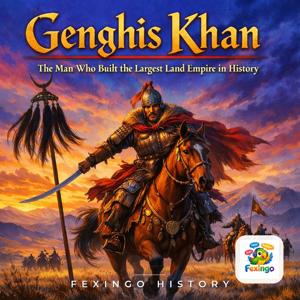


While history remembers Genghis Khan as a conqueror, his daughters wielded influence that rivaled his sons. This episode explores the lives of Alaltun, Altani, and Sorkhan Khatun, who managed vast territories, commanded military units, and negotiated treaties across the expanding Mongol Empire. We examine how these women operated within the Yassa legal code, utilizing their status as daughters of the Great Khan to maintain loyalty among vassal states. Through the lens of Persian chroniclers like Ata-Malik Juvayni and Rashid al-Din, we reconstruct the political maneuvering of these powerful figures. You will learn about the specific roles they played in the administration of Karakorum and their diplomatic missions to the Khwarezmian remnants. Discover how Mongol society allowed women to inherit property and lead armies, creating a unique power network that sustained the empire long after Temüjin’s death. From battlefield commands to trade route protection, these women were not merely consorts but architects of Pax Mongolica.
#AlaltunKhatun #AltaniKhatun #SorkhanKhatun #MongolEmpire #GenghisKhanDaughters #YassaLaw #PaxMongolica #CentralAsianHistory #RashidAlDin #AtaMalikJuvayni #Karakorum #Khwarezmian #MongolWomen #SteppeNomads #MedievalPolitics #MilitaryLeadership #DiplomaticTreaties #FexingoHistory
Keep every episode free: buymeacoffee.com/fexingo
While history books fixate on Genghis Khan’s sons, his daughters wielded immense political power, commanding armies, managing vast estates, and acting as crucial diplomatic bridges across the expanding empire. This episode explores the lives of Sorkhan Khatun, Altani Khatun, and Alaltun Khatun, who were not merely passive figures but active administrators and military leaders in their own right. We examine how Genghis Khan elevated women to positions of authority in a society often misunderstood as purely patriarchal, allowing them to inherit property, command troops, and negotiate treaties with neighboring states like the Jin Dynasty and the Khwarezmian Empire. Through the lens of these powerful women, we uncover the complex social fabric of the Mongol Empire, where merit and family loyalty often superseded gender norms, creating a unique governance model that sustained the largest contiguous land empire in history.
#GenghisKhan #MongolEmpire #SorkhanKhatun #AltaniKhatun #AlaltunKhatun #MongolWomen #SteppeHistory #CentralAsia #MedievalHistory #KharezmianEmpire #JinDynasty #MongolMilitary #YassaLaw #Tengri #BurkhanKhaldun #SecretHistoryOfTheMongols #FexingoHistory #History
Keep every episode free: buymeacoffee.com/fexingo
While previous episodes explored Genghis Khan’s military tactics, diplomatic letters, and secret tomb, this episode shifts focus to a biological mystery that has captivated scientists for decades. We examine the 'Star Cluster' Y-chromosome lineage, a genetic signature found in roughly eight percent of men across a vast region of Asia, originating from Central Asia around the twelfth century. Lucas traces how modern DNA analysis intersected with historical records, particularly the accounts of Juvayni and Rashid al-Din regarding Genghis and his male relatives. Luna questions the statistical probability versus the political reality of polygamy among Mongol elites. Together, they explore how one man’s reproductive success became an enduring genetic footprint, challenging our understanding of empire-building not just through conquest, but through bloodlines. This conversation bridges archaeogenetics, medieval history, and the complex legacy of power, offering listeners a new lens on the Mongol Empire’s most personal impact.
#GenghisKhan #MongolEmpire #YChromosome #GeneticHistory #CentralAsia #DNAAnalysis #Khwarezmian #Juvayni #RashidAlDin #SteppeNomads #HistoricalGenetics #MongolDynasty #TurkicPeoples #PaxMongolica #MedievalHistory #Archaeogenetics #FexingoHistory #History #ScienceAndHistory
Keep every episode free: buymeacoffee.com/fexingo
While previous episodes explored the Yam relay network, military tactics, and the paiza passport system, this episode dives into the fiscal backbone of the Mongol Empire: its taxation and economic policy. We examine the debter, or tax collector, and the controversial qubchura, a head tax that funded the state but often sparked rebellion. Lucas walks through how Genghis Khan integrated captured populations into a cash-and-kind economy, relying on Persian administrators like those from the Khwarezmian Empire to manage complex ledgers in cities such as Bukhara and Merv. Luna asks about the human cost of these reforms and how the empire balanced extraction with the stability needed for trade to flourish under the Pax Mongolica. The conversation also touches on the role of religious institutions in tax exemption and how the Yassa legal code attempted to standardize revenue collection across diverse cultures.
#MongolEmpire #GenghisKhan #TaxationHistory #Qubchura #Debters #PaxMongolica #KhwarezmianEmpire #Yassa #Bukhara #Merv #CentralAsia #SteppeEconomy #MedievalFinance #PersianAdministration #TributeSystem #IslamicCaliphate #NomadicStates #FexingoHistory
Keep every episode free: buymeacoffee.com/fexingo
This episode explores the sophisticated diplomatic correspondence of Genghis Khan, moving beyond military conquest to examine how he used written words as weapons. We analyze surviving fragments of his letters to foreign rulers, including the famous ultimatum to the Khwarezmian Shah Muhammad II and his communications with the Jin Dynasty. Lucas and Luna discuss the specific rhetoric Genghis employed—blending theological threats from Tengri with pragmatic offers of submission or total annihilation. The conversation highlights the role of scribes in translating these messages across languages like Persian, Chinese, and Turkic, and how these documents served as tools of psychological warfare before armies even crossed borders. We also look at the cultural context of steppe diplomacy, where messengers were often protected by sacred law, yet those who ignored Genghis’s demands faced catastrophic consequences. By examining the tone, structure, and intent of these letters, we understand how Genghis built an empire not just through the sword, but through the terrifying clarity of his written word.
#GenghisKhan #MongolEmpire #Diplomacy #KhwarezmShah #MuhammadII #JinDynasty #Tengri #SteppeHistory #CentralAsia #MedievalLetters #PsychologicalWarfare #MongolScribes #PersianLanguage #ChineseHistory #Yassa #Kurultai #FexingoHistory #HistoryPodcast #AncientCommunication
Keep every episode free: buymeacoffee.com/fexingo
While earlier episodes explored the mechanics of Mongol warfare, logistics, and intelligence, we now turn to the intellectual architecture that held the empire together: the Yassa legal code. This episode examines how Genghis Khan transformed a nomadic confederation into a governed state through law rather than just terror. We trace the origins of the Yassa from oral tradition to written statute, exploring its provisions on military discipline, animal welfare, and family structure. Crucially, we analyze the unprecedented religious tolerance embedded in these laws, which allowed Nestorian Christians, Muslims, Buddhists, and Taoists to practice freely within the empire. Through the accounts of observers like Qiu Chuji and Persian historians, we see how this legal framework created a safe environment for trade and dialogue across Eurasia, challenging the stereotype of the Mongols as purely destructive barbarians.
#Yassa #GenghisKhan #MongolLaw #ReligiousTolerance #NestorianChristianity #Islam #Buddhism #Taoism #QiuChoji #JamiAlTawarikh #RashidAlDin #MongolEmpire #CentralAsiaHistory #LegalHistory #NomadicLaw #SteppeCivilization #FexingoHistory #History
Keep every episode free: buymeacoffee.com/fexingo
While the Mongol Empire is famous for its terrifying cavalry and vast intelligence networks, we have barely touched upon one of their most revolutionary innovations: a systematic military medical corps. In this episode, Lucas and Luna explore how Genghis Khan integrated Tibetan, Chinese, and Islamic physicians into his army, creating what might be the first organized field hospital system in history. We look at the specific triage protocols used after battles like Khwarezm and the Jin campaigns, where treating the wounded was not an act of mercy but a strategic necessity to maintain combat strength. You will hear about the 'Silver Needle' technique for draining abscesses, the use of fermented mare’s milk for hydration, and how doctors like those recommended by Qiu Chuji were given high status within the camp. This story reveals a side of the Mongols often overlooked—their pragmatic approach to human biology and their willingness to adopt superior foreign knowledge to solve logistical problems on the steppe.
#GenghisKhan #MongolEmpire #MilitaryMedicine #BattlefieldTriage #QiuChuji #TibetanMedicine #KhwarezmCampaign #JinDynasty #MedicalCorps #SteppeHistory #AncientHealthcare #YamSystem #Temujin #Subutai #JebeNoyan #FermentedMilk #SilverNeedle #FexingoHistory #History
Keep every episode free: buymeacoffee.com/fexingo
While popular history often paints Genghis Khan as a brutal conqueror driven by bloodlust, his true revolutionary act was dismantling the aristocratic caste system of the steppe. This episode explores how Temüjin built his inner circle, the Kheshig, not from noble birth but from proven competence and loyalty. We trace the unlikely rise of Subutai, a blacksmith’s son who became one of history’s greatest military commanders, and Jebe Noyan, an enemy archer pardoned for his skill. Through their stories, we examine the Yassa code that enforced merit over lineage, and how this radical shift in leadership created a unified Mongol identity capable of conquering vast empires. Listeners will discover the specific battles where these men proved their worth, the psychological warfare tactics they employed, and the administrative genius that held the empire together long after Temüjin’s death.
#Subutai #JebeNoyan #GenghisKhan #MongolMeritocracy #Kheshig #Yassa #Temujin #SteppeWarfare #BlackSmithSon #MongolEmpire #CentralAsia #MilitaryHistory #AncientChina #PersianEmpire #RussianPrinces #Jochi #Chagatai #FexingoHistory #History
Keep every episode free: buymeacoffee.com/fexingo
We often think of Genghis Khan as a conqueror who ruled by fear, but his empire survived because it was deeply curious. In this episode, we explore the quiet, high-stakes world of Mongol diplomacy and the search for hidden knowledge. We follow the journey of Qiu Chuji, a Daoist immortal from China, as he travels thousands of miles to meet Temüjin in Central Asia. This wasn't just a political visit; it was a profound exchange between two very different worlds. We also look at how Genghis recruited scholars from Persia, Islam, and Christianity, not just to administer taxes, but to understand medicine, astronomy, and law. From the Yassa legal code to the integration of Uyghur scribes, we see how the Mongols built a bridge between East and West through intellectual humility rather than just military might.
#GenghisKhan #QiuChoji #MongolEmpire #Daoism #CentralAsia #Temujin #Khwarezm #Yassa #UyghurScript #ReligiousPluralism #SecretHistory #BurkhanKhaldun #Diplomacy #MedievalHistory #SilkRoad #PersianScholars #Tengri #FexingoHistory #History
Keep every episode free: buymeacoffee.com/fexingo
We often think of Genghis Khan’s empire as a strictly bloodline-driven conquest, passed down to his biological sons Ögedei, Chagatai, Tolui, and Jochi. But the true backbone of the early Mongol state was the system of adopted sons, or zaya, which created a network of loyalty that transcended biology. In this episode, we explore how Temüjin elevated men like Subutai, Jebe Noyan, and Muqali from enemies or low-born soldiers into his innermost circle of command. These adoptions were not merely ceremonial; they were legal bonds that granted these generals access to wealth, political power, and the highest echelons of decision-making, effectively creating a meritocratic aristocracy within the Kheshig guard. We will look at specific cases where an adopted son outshone a biological brother in battle, such as Jebe’s legendary recovery after being shot with an arrow, and discuss how this practice helped stabilize the empire during the succession crises that followed Genghis’s death. By understanding the role of the adopted son, we see a different side of Genghis Khan: not just a conqueror, but a master architect of human relationships who understood that blood could be chosen.
#GenghisKhan #MongolEmpire #Subutai #JebeNoyan #Muqali #Kheshig #Zaya #AdoptedSons #Temujin #OgedeiKhan #ChagataiKhan #Tolui #JochiKhan #MeritedMeritocracy #SteppeWarfare #CentralAsiaHistory #MongolGenerals #History
Keep every episode free: buymeacoffee.com/fexingo
From the publisher's feed