
Sign up to save your podcasts
Or

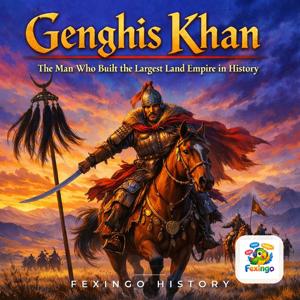


In this episode of Fexingo History, Lucas and Luna trace the Mongol Empire's mastery of Silk Road intelligence — the spies, merchants, and couriers who turned a steppe confederation into a world-conquering machine. From the early days when Temüjin sent traders to scout the Jin frontier, to the deadly cat-and-mouse of 1218 when a caravan's massacre triggered the fall of the Khwarezmid Empire, they reveal how information moved faster than armies. They explore the yam relay system, the coded messages of nerge hunts, and the double agents who flipped. They also meet Jebe and Subotai, whose reconnaissance of the Caucasus turned into a campaign that reached the Kalka River in 1223. And they confront a dark paradox: the same networks that enabled conquest also opened the world — through the Silk Road, the first global exchange of ideas, goods, and plagues. A fresh episode for anyone who thought they knew Genghis Khan.
#GenghisKhan #SilkRoad #MongolEmpire #Spies #Yam #Jebe #Subotai #KhwarezmidEmpire #KalkaRiver #CentralAsia #History #FexingoHistory #MongolConquests #IntelligenceHistory #SteppeHistory #Merchants #TradeRoutes #JinDynasty
Keep every episode free: buymeacoffee.com/fexingo
Before Karakorum, there was Avarga — the Mongol Empire's first true capital, hidden in the Khentii Mountains. In this episode, Lucas and Luna explore how Genghis Khan turned a nomadic camp into a political and logistical hub, and why he chose this specific valley. We look at the daily life of the camp, its role in the Yam relay system, and the kurultai that gathered there. We also examine the archaeological evidence and the debates over what Avarga really was. Along the way, we meet the men and women who kept the camp running — from the kheshig guard to the qatun's household — and we consider how a 'capital' could be so mobile yet so fixed. A story of how empire was born from a felt tent on a riverbank.
#GenghisKhan #Avarga #MongolEmpire #KhentiiMountains #KherlenRiver #Karakorum #NomadicCapital #Kurultai #YamSystem #Kheshig #SecretHistoryOfTheMongols #MongolHistory #CentralAsia #SteppeEmpire #Archaeology #WorldHistory #FexingoHistory #History
Keep every episode free: buymeacoffee.com/fexingo
Long before Karakorum, Genghis Khan built a hidden power base on the Kherlen River: Avarga, his first capital. In this episode, Lucas and Luna explore why a nomadic conqueror needed a fixed seat, how the camp functioned as the nerve center of the nascent Mongol Empire, and what archaeology reveals about its layout and purpose. They trace Avarga's role in the 1206 kurultai, its transformation under Ögedei, and its eventual eclipse by Karakorum. Along the way, they unpack the logistics of feeding a court on the steppe, the symbolic significance of the golden lasso, and the fate of the site after the empire's center shifted. The episode also touches on how Avarga challenges our assumptions about Mongol urbanism and what its ruins tell us about the empire's rapid consolidation.
#Avarga #GenghisKhan #MongolEmpire #KherlenRiver #Karakorum #Ögedei #Kurultai #SteppeCapital #MongolArchaeology #NomadicEmpire #1206 #Yassa #Tengri #BurkhanKhaldun #SecretHistory #GoldenLasso #History #FexingoHistory
Keep every episode free: buymeacoffee.com/fexingo
In Episode 201, Lucas and Luna explore how Genghis Khan's daughters became political anchors of his empire. While sons fought for succession, Alakhai Bekhi and Checheyigen held strategic marriage alliances—Alakhai as 'nation-protecting princess' among the Ongguts, Checheyigen among the Oirats. Drawing on the Secret History of the Mongols and Rashid al-Din's Jami' al-tawarikh, they discuss how these women managed territories, governed, and wielded influence, often outshining male relatives in loyalty and capability. The conversation touches on the practical role of marriage in steppe diplomacy, the blurred lines between hostage and ally, and how later chroniclers erased or minimized their contributions. Lucas explains the concept of 'daughter-queens' in Mongol political culture and how these alliances secured the empire's borders from China to Siberia. The episode also examines the contrast between their public roles and their near-invisibility in later histories, raising questions about how we reconstruct the lives of powerful women from fragmentary sources.
#GenghisKhan #AlakhaiBekhi #Checheyigen #MongolEmpire #MongolHistory #SecretHistory #RashidalDin #Ongguts #Oirats #SteppeDiplomacy #WomenInHistory #MedievalHistory #CentralAsia #MongolDaughters #PoliticalMarriage #HistoryPodcast #FexingoHistory #History
Keep every episode free: buymeacoffee.com/fexingo
In the 200th episode of Fexingo History, Lucas and Luna explore the technology that made the Mongol Empire possible: the composite bow. This episode dives into the construction of the bow—layers of wood, horn, and sinew glued together—and how it gave Mongol horsemen a range and power that stunned their enemies. We look at the training required to master it, from childhood practice to the famous thumb-ring draw, and how the bow shaped Mongol military tactics, including the devastating hit-and-run maneuvers that broke armies from the Jin dynasty to the Khwarezmid Empire. We also revisit the legend of the long-range shot that allegedly killed the son of the Khwarezmid Shah, a story that may be more myth than history. Along the way, we discuss the bow's cultural significance on the steppe, its role in the hunt, and its eventual decline with the rise of gunpowder. Tune in for a deep-dive into the weapon that conquered a continent.
#GenghisKhan #MongolEmpire #CompositeBow #MongolHorseman #SteppeWarfare #SecretHistoryOfTheMongols #Juvayni #RashidAlDin #Tumen #Kheshig #ThumbRing #Nerge #KhwarezmidEmpire #JinDynasty #Subotai #Tengri #History #FexingoHistory
Keep every episode free: buymeacoffee.com/fexingo
Genghis Khan conquered an empire, but what about the women who helped hold it together? In this episode, Lucas and Luna explore the lives of Genghis Khan's daughters — the queens who ruled from the steppe to the Silk Road. From Alakhai Bekhi's reign over the Ongguts to Checheyigen's diplomacy with the Oirats, we uncover how these women governed, married, and shaped the Mongol Empire. We also confront the gaps in the historical record — the Secret History of the Mongols focuses on sons and warriors, while Persian chroniclers like Juvayni and Rashid al-Din offer only glimpses. Through royal marriages, strategic alliances, and administrative duties, these daughters were as crucial to empire-building as any general. Drawing on recent scholarship, we piece together their stories and ask what their omission says about the sources. A fresh look at a familiar empire, this episode reveals the hidden hand of Genghis's queens.
#GenghisKhan #MongolEmpire #Daughters #AlakhaiBekhi #Checheyigen #Ongguts #Oirats #SecretHistory #Juvayni #Rashidaldin #Queen #SilkRoad #Steppe #WomenInHistory #CentralAsia #History #FexingoHistory #EmpireBuilders
Keep every episode free: buymeacoffee.com/fexingo
In the summer of 1227, Genghis Khan died while campaigning against the Tangut kingdom of Xi Xia. His body was carried back to the sacred mountain of Burkhan Khaldun, where it was buried in a secret grave that has never been found. This episode explores the funeral rites, the legends of the burial party slaughtering everyone who saw the procession, the river diverted over the tomb, and the curse that supposedly protects it. We look at the earliest sources—the Secret History of the Mongols, the chronicles of Rashid al-Din, and the travelogues of Marco Polo—and separate the likely facts from the mythological accretions. Why was the grave kept secret? What did the Mongols believe about the afterlife and the sanctity of the earth? And what really happened to the hundreds of soldiers who knew the location? We also discuss modern expeditions that have tried to find the tomb, from American archaeologists to Japanese researchers, and why the site remains elusive. Finally, we consider the enduring power of Genghis Khan's grave as a symbol of Mongol identity and national pride.
#GenghisKhan #Burial #MongolEmpire #BurkhanKhaldun #XiXia #SecretHistory #RashidAlDin #MarcoPolo #KhentiiMountains #FuneralRites #Steppe #History #FexingoHistory #MongolianHistory #DeathOfConqueror #Archaeology #Legends #1200s
Keep every episode free: buymeacoffee.com/fexingo
For every conqueror, there's an inner circle. For Genghis Khan, it was the kheshig — a thousand-strong imperial guard drawn from the sons of generals and trusted warriors. In this episode, Lucas and Luna explore how Genghis transformed a personal bodyguard into a political institution that secured his empire. From the night guard's exclusive access to the khan's tent to the morning guard's role as judges, the kheshig were more than soldiers; they were the empire's nervous system. Learn how Genghis recruited the brothers of his most trusted companions, why he deliberately mixed tribal bloodlines to break old loyalties, and how the kheshig's discipline, passed down through the generations, shaped the Mongol military machine. Through the Secret History of the Mongols and Juvayni's chronicles, we uncover the everyday workings of the guard: their strict hierarchy, their training on the hunt, and their unshakeable oath to die for the khan. This episode offers a fresh lens on Mongol power, revealing how the kheshig's loyalty was bought with privilege and forged in absolute obedience — a model that later conquerors, from Timur to the Qing, would borrow. Tune in for a gripping tale of brotherhood, ambition, and the foundations of the largest land empire in history.
#GenghisKhan #MongolEmpire #Kheshig #ImperialGuard #SecretHistoryOfTheMongols #Juvayni #SteppeHistory #CentralAsia #MongolMilitary #MedievalHistory #EmpireBuilding #Loyalty #EliteSoldiers #MongolWarfare #BurkhanKhaldun #Yassa #History #FexingoHistory
Keep every episode free: buymeacoffee.com/fexingo
In this episode, Lucas and Luna explore the shadowy world of Mongol espionage. Before the tumens rode, the spies moved. From the early scouts who mapped the steppe for Temüjin to the sophisticated networks that penetrated the Jin and Khwarezmid courts, Mongol intelligence was the hidden engine of empire. Discover the role of the yam system in moving information fast, the strategic uses of terror and misinformation, and the legendary tale of the two merchants who became Genghis Khan's eyes in Khwarezm. Drawing on the Secret History of the Mongols, Juvayni, and Rashid al-Din, Lucas pieces together how a nomadic people built the most effective intelligence-gathering operation of the medieval world — and how it shaped the fate of cities from Bukhara to Baghdad.
#GenghisKhan #MongolEmpire #Espionage #Intelligence #Spies #YamSystem #SecretHistoryOfTheMongols #Juvayni #RashidAlDin #Khwarezm #JinDynasty #MongolConquests #Steppe #Tengri #CentralAsia #History #FexingoHistory #MedievalWarfare
Keep every episode free: buymeacoffee.com/fexingo
Before Genghis Khan conquered cities, he mastered the steppe hunt. This episode digs into the Mongol nerge — the great battue hunt that was more than food gathering. Lucas and Luna explore how the nerge was a military exercise, a loyalty test, and the blueprint for Mongol tactics. From the Secret History of the Mongols' account of a winter hunt with Jamukha to the grand hunts that followed the conquest of the Khwarezmian Empire, they trace how this ancient tradition shaped an empire. They also look at the hunt's ecological role, the discipline it instilled, and how Genghis Khan turned a simple practice into a tool of conquest. Tune in for a fresh angle on the Mongol war machine, one that starts not with swords but with spears and dogs.
#GenghisKhan #MongolEmpire #nerge #steppe #hunting #MongolTactics #SecretHistory #Jamukha #Khwarezm #Tumen #Kheshig #Tengri #CentralAsia #History #MilitaryHistory #Nomads #Battue #FexingoHistory
Keep every episode free: buymeacoffee.com/fexingo
From the publisher's feed