
Sign up to save your podcasts
Or

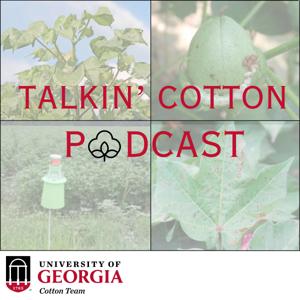

Georgia cotton is trying to get started with one hand tied behind its back: dry soil, low ponds, and more pivots running in late April than most of us like to see. We sit down with Dr. Bob Kemerait, Dr. Wes Porter, and Dr. Phillip Roberts to break down what this drought pattern means for cotton production decisions you’re making right now, from getting a stand to protecting roots and stretching limited water through the season.
We dig into why soil moisture matters beyond germination, especially for nematode management and the performance of nematicides like aldicarb. Wes shares what he’s hearing on pre-watering, irrigation inefficiencies, and why a water allocation plan matters when surface water sources are already low and the state is running a major rainfall deficit. We also talk planting depth, seed placement, and how cover and residue can buffer soil temperature swings that stress seedlings.
On the pest management side, Phillip gives a straight update on thrips pressure, what immatures on seedling cotton really indicate, and how seedling vigor can reduce injury. We also hit grasshoppers, the ongoing cotton jassid search (okra, sunflowers, even hibiscus checks), and early whitefly monitoring with sticky cards as hot, dry weather builds risk. We close with thoughts on cotton acres, input costs, and making ROI-based fertilizer and protection decisions even when cotton prices improve.
Subscribe on your favorite podcast app, share this with a grower who’s making planting calls this week, and leave a review so more cotton folks can find the show.
 View all episodes
 By University of Georgia's Cotton Team
5
1616 ratings
Georgia cotton is trying to get started with one hand tied behind its back: dry soil, low ponds, and more pivots running in late April than most of us like to see. We sit down with Dr. Bob Kemerait, Dr. Wes Porter, and Dr. Phillip Roberts to break down what this drought pattern means for cotton production decisions you’re making right now, from getting a stand to protecting roots and stretching limited water through the season.
We dig into why soil moisture matters beyond germination, especially for nematode management and the performance of nematicides like aldicarb. Wes shares what he’s hearing on pre-watering, irrigation inefficiencies, and why a water allocation plan matters when surface water sources are already low and the state is running a major rainfall deficit. We also talk planting depth, seed placement, and how cover and residue can buffer soil temperature swings that stress seedlings.
On the pest management side, Phillip gives a straight update on thrips pressure, what immatures on seedling cotton really indicate, and how seedling vigor can reduce injury. We also hit grasshoppers, the ongoing cotton jassid search (okra, sunflowers, even hibiscus checks), and early whitefly monitoring with sticky cards as hot, dry weather builds risk. We close with thoughts on cotton acres, input costs, and making ROI-based fertilizer and protection decisions even when cotton prices improve.
Subscribe on your favorite podcast app, share this with a grower who’s making planting calls this week, and leave a review so more cotton folks can find the show.

228,383 Listeners

39,153 Listeners

227 Listeners
20 Listeners
392 Listeners
350 Listeners

1,207 Listeners
1,694 Listeners

1,843 Listeners

1,694 Listeners