
Sign up to save your podcasts
Or

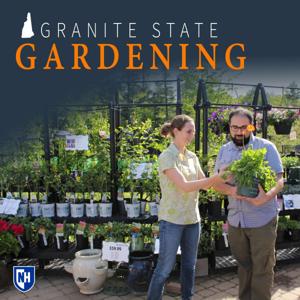


We’ve all heard that bees are in trouble, but you may wonder why, and more importantly what you can do to support bees and other pollinators. In this episode of Granite State Gardening, UNH Extension’s Emma Erler and Nate Bernitz share proven tips and solutions for supporting pollinators on your property. This conversation is very practical, and gets into the kind of detail and nuance gardeners are looking for to go beyond basic concepts. Emma and Nate also cover a wide range of topics, discussing bees and what differentiates them from other insects, and different types of bees including but not at all limited to honeybees. You’ll definitely walk away from this episode with ideas you can put to practice.
· Featured Plant: Cosmos (Cosmos bipinnatus)
Resources:
· Pollinator Week
· Pollinator Plants for Northern New England Gardens
· Establishing a Wildflower Meadow from Seed
· Other UNH Extension resources for creating pollinator habitat
· Protecting Pollinators While Using Pesticides
· Bee Nest Box Guidelines
· Building a Bee Hotel
· Bees and their habitats in four New England states
Connect with us at @askunhextension on Facebook, Instagram and Twitter and subscribe to the monthly Granite State Gardening newsletter.
Email us questions, suggestions and feedback at [email protected]
Cover image by - Robert Durant
Transcript by Otter.ai
While insects are a part of every garden, and an important part at that, there are some insects that cause unacceptable damage to our plants and need to be managed as pests. In this episode of Granite State Gardening, UNH Extension’s Emma Erler and Nate Bernitz are joined by Anna Wallingford, host of the Overinformed on IPM podcast, to share proven tips and solutions for managing these insect pests with an integrated pest management approach. Anna has an uncanny ability to make pest management fun, and while she focuses on advising farmers, recording this episode was a unique opportunity to bring her expertise to gardeners. Anna shares unexpectedly interesting information about the lives these insects lead, and how understanding their life cycles and peculiarities can give gardeners a leg up in battling these garden foes.
· Featured Plant: Ground Cherries (Physalis pruinosa)
· Closing Tip: Choosing your battles with pests in the garden
Resources:
· Over-informed on IPM podcast
· Garden Irrigation Webinar
· Garden IPM
· IPM Resources for NH Growers
· Growing Ground Cherries and Tomatillos
Connect with us at @askunhextension on Facebook, Instagram and Twitter and subscribe to the monthly Granite State Gardening newsletter.
Email us questions, suggestions and feedback at [email protected]
Transcript by Otter.ai
What to bring home and how to choose – just two of the questions top of mind as gardeners race through their local garden center in late May, snagging plants and supplies left and right after enduring months of shoveling snow and a spring torrent of black flies. But finally it’s time to plant, and in the shopping frenzy many gardeners may throw caution to the wind. In this episode of Granite State Gardening, UNH Extension’s Emma Erler and Nate Bernitz are joined by their colleague Rachel Maccini to chat about how they strive to be smart garden center shoppers, and how you can do the same. Happy shopping and happy gardening!
Connect with us at @askunhextension on Facebook, Instagram and Twitter and subscribe to the monthly Granite State Gardening newsletter.
Email us questions, suggestions and feedback at [email protected]
Plants need air, water and sunlight, but require sources of essential nutrients too. Fertile soil rich in organic matter provides nutrients to be sure, but fertilizer is typically needed to grow vigorous, healthy plants. Organic or not, slow release or fast acting, specialty products or versatile mainstays – we face a lot of options when choosing fertilizers. And that doesn’t even begin to cover when and how to use the fertilizer for the wide diversity of plants you’re growing.
In this episode of Granite State Gardening, UNH Extension’s Emma Erler and Nate Bernitz are joined by Becky Sideman to share proven tips and solutions for using fertilizer to grow healthy and productive plants in the garden and landscape. The conversation brings up topics and questions bound to get gardeners of all experience levels thinking about fertilizing plants in the yard and garden in new ways.
· Featured Question: Should I use fertilizer spikes or a granular fertilizer for my trees and shrubs?
· Featured Plant: Bee Balm (Monarda fistulosa)
· Closing Tip: New Hampshire’s Turf Fertilizer Law
Resources:
· Fertilizing vegetable gardens
· Fertilizing fruit trees
· Fertilizing trees and shrubs
· New Hampshire’s turf fertilizer law
· Soil testing
· Spring Webinar Series
UNH Cooperative Extension’s Vegetable & Fruit team, together with a group of undergraduate and graduate students at the University of New Hampshire, conduct research on vegetable and fruit crops. While the team does much of their work at theNH Agricultural Experiment Station in Durham, NH, they are located throughout NH and their research project topics are driven by the needs of NH growers. The team believes that using effective growing practices for our region (including new varieties, new crops, and season extension strategies) can help farmers diversify, improve yields, and improve crop quality. Many of their integrated research and extension projects focus on high-value specialty crop production systems and methods of extending the growing season (e.g. season extension). They offer an up-to-the-minute snapshot of what we're up to on Instagram at unh_sidemanlab.
Connect with us at @askunhextension on Facebook, Instagram and Twitter and subscribe to the monthly Granite State Gardening newsletter.
Email us questions, suggestions and feedback at [email protected]
Transcript by Otter.ai
Soil amendments have the ability to transform soil health by adding organic matter, changing soil properties and ultimately improving plant growth. In this episode of Granite State Gardening, UNH Extension’s Emma Erler and Nate Bernitz are joined by New Hampshire Agricultural Experiment Station researcher Becky Sideman to share proven tips and solutions for using soil amendments to build and transform soil to support healthy and productive plants in the garden and landscape. The conversation brings up topics and questions bound to get gardeners of all experience levels thinking about amending soil in new ways.
· Featured Question: How to manage ground nesting bees and wasps
· Featured Plant: Mountain Laurel (Kalmia latifolia)
· Closing Tip: Determining when compost is finished
Resources
· Purchasing top soil
· Purchasing compost
· Guidelines for using manure
· Soil testing
· Controlling wasps, bees and hornets around the home
· Spring Webinar Series
Connect with us
While we often focus on growing fruits and vegetables, flower gardening brings unmatched beauty and life to any yard and is a lifelong passion for many gardeners. It can also be overwhelming: which flowers go together, what should I choose, how to stop weeds. Growing beautiful flower gardens brings its own challenges while offering endless opportunities for your personality and creativity to shine.
In this episode of Granite State Gardening, UNH Extension’s Emma Erler and Nate Bernitz share proven tips and solutions for creating and maintaining vibrant ornamental flower gardens. We hope you’ll take away new ideas, inspiration and techniques that you can use this year and for years to come. And if you’re so inclined, send us photos of your flower gardens looking their best to [email protected].
· Featured Question: Cut Flower Gardens
· Featured Plant: Foam flower (Tiarella cordifolia)
Resources:
UNH Extension resources on growing annuals and perennials: https://extension.unh.edu/tags/annual-perennial-gardens
Upcoming events: https://extension.unh.edu/topic-events/Home,%20Yard%20&%20Garden
Connect with us at @askunhextension on Facebook, Instagram and Twitter and subscribe to the monthly Granite State Gardening newsletter.
Email us questions, suggestions and feedback (and photos from your garden) at [email protected]
As much as gardeners love the outdoors and the diversity of wildlife that call our region home, there are some parts of the yard and garden where we have to draw the line. With as much effort as we put into gardening and landscaping, we all know the sinking feeling of seeing what can happen seemingly overnight. In this episode of Granite State Gardening, UNH Extension’s Emma Erler and Nate Bernitz share proven tips and solutions for dealing with animals that can damage yards and gardens. Straddling the line between supporting wildlife and managing nuisance wildlife can be a challenging balancing act, but we share an approach that does just that. After listening, you will be equipped to prevent damage, and if necessary manage whichever critters take an interest in your gardens this growing season. We hope you will take away some new ideas, as well as what strategies not to spend time and money on.
· Featured Question: Growing garlic
· Featured Plant: Inkberry (Ilex glabra)
· Gardening Tip: Using Tree Guards
Resources:
· wildlifehelp.org
· USDA APHIS Wildlife Services in NH
· NH Fish & Game: Living with Wildlife, Wildlife Control, & Nuisance Wildlife
Connect with us at @askunhextension on Facebook, Instagram and Twitter and subscribe to the monthly Granite State Gardening newsletter.
Email us questions, suggestions and feedback at [email protected]
Some of our favorite vegetables can not only be grown before last frost, but thrive in the cool months before we can grow tomatoes and other classic warm season crops. With our region’s short growing season, moving up your planting window is a welcome opportunity for antsy gardeners after a long winter. In this episode of Granite State Gardening, UNH Extension’s Emma Erler and Nate Bernitz share proven tips and solutions for successfully growing cool season veggies. After listening, or even while you’re listening, head out to the garden and get growing. With a few tricks, you’ll be amazed how much you can grow and harvest before the heat of summer.
Background reading:
Upcoming Events
Access the transcript for this episode at https://extension.unh.edu/blog/growing-cool-season-vegetables-your-spring-garden
Show Notes
If you aren’t starting seeds, you’re limited to whatever you can plant directly into the garden and whatever starts you can pick up from your local garden center. Starting your own seeds opens up possibilities for growing new crops you couldn’t grow otherwise, better varieties for your garden and tastes, and earlier and better harvests to make it all worth it. In this episode of Granite State Gardening, UNH Extension’s Emma Erler and Nate Bernitz share proven tips and solutions for successfully starting your seeds indoors, from set up and germination to transplanting. Come for the accessible science, stay for the demystifying banter. Once you learn how to start seeds indoors, you can take your gardening to the next level.
Featured Question: Homemade seed starting and transplant media
Featured Plant: Hyacinth Bean (Lablab purpureus)
Gardening Tip: Planting Depth
Background Reading:
Starting Plants From Seed [fact sheet]
Growing Vegetables: When to Plant Your Vegetable Garden [fact sheet]
Growing Seedlings Under Lights [fact sheet
Connect with us at @askunhextension on Facebook, Instagram and Twitter and subscribe to the monthly Granite State Gardening newsletter.
Email us questions, suggestions and feedback at [email protected]
Transcript by Otter.ai
Nate Bernitz 0:00
Welcome to the Granite State gardening podcast from UNH Cooperative Extension. On today's show, we're talking about starting seeds indoors. in the show notes, you'll find a link to our fact sheet on seed starting, as well as helpful resources on when to start your seeds, indoor lighting and more. eight episodes in we're having a blast putting this podcast together and want to hear from you with your feedback, topic suggestions and gardening questions. Our email is gsg dot [email protected]. We really appreciate the emails we've gotten so far. And hey, if you're not already connected with us on social media, we're on Facebook and Instagram. Just search for ask UNH extension. Now let's get started with seed starting.
Greetings Granite State gardeners I'm Nate Bernitz, co host with Emma Erler of the Granite State gardening podcast, a production of UNH extension. Today we're talking about seed starting a practice that opens so many possibilities for gardeners, especially somewhere with a relatively short growing season like New Hampshire. By starting seeds. You won't rely on just whatever seedlings you can get your hands on from local garden centers and plant sales. And you won't be limited to what can be so directly in the garden. You'll have your choice of crops, flowers, and varieties galore to choose from all because you'll be able to provide ideal germination conditions indoors. Once you learn the science and know how of seed starting, you'll be at a whole other level of gardening and won't believe how limited you once were, with spring rapidly and mercifully approaching despite what Punxsutawney Phil says there's no time to waste. So let's get started. Emma, when it comes to seed starting, I want to first know the science, we always want to know the science first. So what are those ideal conditions for germinating seeds?
Emma E 2:05
Well, a seed is is basically a shell or husk that's holding an an embryo on the inside. And in order for a seed to germinate, you need to have some specific conditions, you need to have moisture in you need to have light, and you need to have oxygen. And if you don't have those things, then the seeds not going to germinate. When we're talking about germinating seeds at home, we are providing that at least the moisture, at least moisture and oxygen in our seed starting mix that we're using. So that's that potting media that we've chosen to start our seeds in. And then light that's either going to be coming from a really bright window, or ideally actually from some sort of some sort of supplemental lighting system that you have inside your home.
Nate Bernitz 2:59
Okay, so moisture, oxygen and light, not nutrients because these seeds already have the nutrients they need to at least get started, so to speak. So ideally, we're recreating these really ideal germination conditions indoors. We know the science, it's been researched, it's been determined, this is what you want to do for these seeds. So if you're doing everything right, what kind of germination percentages are you expecting? Like for every 100 seeds you're trying to start? Are all of them going to germinate? And what sort of practices that maybe aren't so ideal might bring that germination rate down?
Emma E 3:40
Wow, that's a really good question. And honestly, it depends a lot on the exact plant that you're trying to propagate. Not all plants create viable seeds equally, some produce a lot more viable seeds than others. So germination rates, gonna vary a fair amount, and it's gonna depend a bit too on the age of that seed, exactly how it was harvested, how it was stored. So if you're buying seeds and packets like most of us do, those seed packets will will have been germination tested by the Seed Company. And on that packet, you'll see a percentage stamped on there somewhere that indicates what the germination percentage of that seed should be under ideal conditions. It's interesting though, because, like I said, some plants do you have a lot of really viable seeds. I mean, if we're looking at something outdoors, let's say an invasive plant like oriental bittersweet, the germination percentage of those seeds tends to be well over 90%. Whereas something like a paperbark maple, it's really only about 5%. So, you know, it helps maybe to know a little bit about the seed that you're starting. But if you have brand new seeds in a packet, you really just need to pay attention to what that jar percentage is listed on that packet and know that really, it would be very rare to have absolutely every seed germinate for you, that typically doesn't happen. But if you have some good quality seed, at least 80%, I think would be acceptable.
Nate Bernitz 5:17
Okay, folks, don't go out there and just start germinating oriental bittersweet seeds, because you know, you're good germination, it's alright. It's not impressive. They're invasive, don't do it. When I go to the store, really any store right now, there are seed starting kits everywhere. These they're pretty cheap. They claim, you know, this is what you need. But I want to know from you, what do you actually need in terms of supplies, equipment, what kind of setup is really essential to get to get started and be successful with seed starting,
Emma E 5:53
it could definitely be handy to buy one of those complete kits, but you're right, you don't need it. So to start with, I think it's helpful to figure out what sort of containers you want to start your seeds in. seed starting containers are typically on the smaller side, because you don't need to have a whole lot of potting media for a small seedlings root system. And they also are going to have drainage of some sort in them just just like you would for any ...
Every homeowner knows they should prune, but beyond that, there’s a lot of confusion. Making things worse, there are examples all around us of poor pruning: fall snipping, summer shearing, tree topping, the list of pruning transgressions goes on and on. In this episode of Granite State Gardening, UNH Extension’s Emma Erler and Nate Bernitz share proven tips and solutions for approaching the ever intimidating and often-counterintuitive task of pruning. Come for the accessible science, stay for the demystifying banter. Once you learn how to prune, you’ll never see the trees and shrubs all around you the same.
Featured question: Can trees be topped to reduce their height?
Featured plant segment: Vernal witch hazel (Hamamelis vernalis)
Closing gardening tip: Staking trees
Background reading:
It’s Pruning Season article, with information about upcoming events: https://extension.unh.edu/pruningseason
March 17 live event with Emma and Nate on Pruning: https://extension.unh.edu/events/pruning-ornamental-trees-and-shrubs-online
Basics of Pruning Trees and Shrubs fact sheet: https://extension.unh.edu/resource/basics-pruning-trees-and-shrubs-fact-sheet
Pruning Deciduous Trees fact sheet: https://extension.unh.edu/resource/pruning-deciduous-trees-fact-sheet
Pruning Hydrangeas fact sheet: https://extension.unh.edu/resource/pruning-hydrangeas-fact-sheet
Science of Pruning webinar Q&A: https://extension.unh.edu/blog/science-pruning-qa
Cleaning and Sharpening Pruners: https://extension.unh.edu/blog/how-clean-and-sharpen-your-pruners
TRANSCRIPT
by Otter.ai
Nate Bernitz 00:00
Welcome to the Granite State gardening podcast from UNH Cooperative Extension. On today's show, we dive into the world of pruning. At the top of the show, I want to put in a plug for a series of online events we're offering on this very topic. The first is on March 9 on pruning fruit trees, then on March 11, on pruning blueberries on March 15, it's burning raspberries, blackberries and grapes. And finally on March 17, ornamental pruning. If this episode leaves you with questions, join us on March 17. To ask me those questions live. These four events will all be streamed for free on our Facebook page, ask UNH extension. And I'll play host and moderator speaking with extension specialists including Emma and Becky Seidman, who you know from our vegetable garden planning episodes. Check the show notes of this podcast for the details. And speaking of the show notes, we have links to several parenting resources Emma has written herself and one of the things I appreciate most about these resources are the hand drawn diagrams Emma has done which really help illustrate these concepts. Greetings Granite State gardeners. I'm Nate bernitz. co host with me earlier of the Granite State gardening podcast a production of UNH extension. Today we're talking about pruning and specifically pruning ornamental trees and shrubs. So not the trees and shrubs that grow edible fruits because we're going to devote a whole other episode to printing those up. Now today we're talking about pruning landscape favorites like hydrangea, lilacs, Rhododendron, and well you get the idea. You may refer to pruning as trimming or cutting, but for today, we'll use the word pruning. Our goal here is for you to feel confident about pruning, and understand just a bit about how plants actually grow and respond to cuts, you're going to find that is really helpful. Inevitably pruning is something that takes practice and experience as well as an understanding of how particular plants grow and what you'd like them to actually look like as the real expert here. So I hope you don't mind if I learn a bit right along with you. Okay, let's get into it.
Emma E 02:29
Can trees be topped to reduce their height. That's this episode's featured question. Topping a tree is the cutting back of large branches and mature trees, cutting them to Stubbs trees are often top because they're perceived as being too tall to be safe. This fear is largely unjustified though, as a healthy tree we'll have a root system that is adequate to support it. Topping has the potential to harm trees and actually make them more prone to breakage. Trees respond to topping by producing a lot of long sprouts below the cut of the large branch that quickly grow to the height the tree was initially. Additionally, these limbs are weakly attached to the parent branch and are very prone to wind, snow and ice damage, which can obviously be hazardous. Another thing to consider is that large pruning wounds from large branch removal often did not seal properly and invite decay and insect invasions into the tree topping can lead to a long slow decline of a tree. So topping trees is hardly ever a good option. If the height of a tree really needs to be reduced for some reason. My advice, work with a certified arborist to have the work done properly. Your trees will thank you.
Nate Bernitz 03:53
Emma I mentioned in the introduction how this is a kind of a separate episode from pruning fruit trees and shrubs. Can you just really briefly explain why this is kind of a different animal?
Emma E 04:07
Well, it's different I think for a few different reasons. First off, when you're pruning or ornamental trees, typically you're most concerned about having the best possible structure to promote the beauty of that plant, as well as the the health of that plant in general. Whereas if you're growing a fruit tree, you're more concerned about production than how that plant looks in the end, right. You just want to be able to get the most fruit you possibly can on a healthy tree. Are those two things different? Well, I mean, they are to a certain extent and it it gets more particular depending on the exact species that you're talking about. But the big thing is that you're you're either looking at promoting the beauty of the plant or you're trying to make it as productive as possible.
Nate Bernitz 04:57
Hence the word ornamental. So That makes sense. Let's start with the really basic question of wiper and what are some of the benefits and reasons why someone might want to look out their backyard window at the trees and shrubs out there. And think, yeah, pruning is worth my time, I should definitely be doing that.
Emma E 05:18
I guess I'll start by saying that pruning isn't something that you necessarily have to do in your landscape, it can be really important. But just because you have a tree or shrub growing in your garden doesn't mean that it needs pruning. But there are some key purposes to pruning. The first thing I think of is to maintain or create good structure within a plant. When when plants are young, in particular,...
From the publisher's feed
1,578 Listeners

1,843 Listeners
875 Listeners