
Sign up to save your podcasts
Or

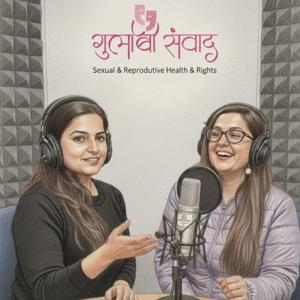


Digital safety is crucial as online sexual harassment and cyberbullying are on the rise, especially affecting adolescents. These forms of abuse can take many shapes, including unwanted messages, images, or threats. To protect themselves in digital spaces, young people should be cautious about sharing personal information, use privacy settings, and report inappropriate behavior. It's important to understand digital consent, which means respecting others' boundaries online, just like in person. Adolescents should be provided with resources like educational guides and trusted platforms to learn about consent and ways to stay safe online.
In this episode of Gulabi Sambad, we have highlighted the same with Adcovate Baburam Aryal, an expert on information technology law. Aryal has discussed how adolescents can protect themselves in digital spaces and ways of providing resources and guidance on
#onlineharassment #cyberbullying #festivals #SRHR #podcast #gulabisambad
Consent and boundaries are fundamental to the sexual and reproductive health and rights (SRHR) of children and adolescents. It is essential to ensure they understand their right to bodily autonomy, the ability to make informed decisions, and the importance of respecting their own and others' boundaries. Comprehensive sexuality education tailored to their age helps them navigate relationships, recognize inappropriate behavior, and understand that consent must always be freely given, mutual, and reversible. Protecting their SRHR involves creating safe, non-judgmental spaces where they can ask questions, express concerns, and access services without fear or coercion.
In this episode of Gulabi Sambad, we sit down with Prakash Lamichhane, a media professional with over two decades of experience and a parent of two. Lamichhane shares his insights on teaching his children about consent and boundaries, reflecting on both the challenges and the positive outcomes he encountered along the way. He also emphasizes the importance of discussing consent and boundaries in the context of Sexual and Reproductive Health and Rights (SRHR) for children and adolescents, highlighting why these conversations are crucial for their development.
#consent #boundaries #sexeducation #sexualrights #reproductiverights #goodparenting #srhr #podcast #gulabisambad
In Nepal, menstruation is still surrounded by various cultural taboos, particularly during festivals and religious rituals. If a woman begins menstruating during a festival, she is often prohibited from participating in any rituals or religious activities. Beyond festivals, during menstruation, women are commonly restricted from entering the kitchen or worship rooms, as they are considered impure. These taboos, deeply rooted in traditional beliefs, continue to marginalize menstruating women, preventing them from fully engaging in both social and spiritual life.
In the festival special episode of Gulabi Sambad, we discuss whether traditional menstrual taboos are still relevant or necessary. Although menstruation is a natural process and menstrual blood is not impure, these deep-rooted practices persist in society. In this episode, we engage in an insightful conversation with writer Sarala Gautam, who sheds light on how these superstitions limit women's freedom and overlook their life-giving power. Gautam emphasizes that menstrual taboos stem from a struggle between creativity and awareness.
#menstruationtaboos #menstruationmatters #festival #festivalsandperiod #srhr #podcast #gulabisambad
Sexual health, sexuality, and mental health are especially important during festivals, as societal expectations and family gatherings can increase stress. Traditions often limit open conversations, particularly for those with diverse sexual identities. Discussing these topics during festivals promotes acceptance, reduces stigma, and ensures everyone feels supported and able to prioritize their well-being. Addressing all these, in this episode of podcast we have had an insightful conversation with Rakshya Ghimire, Mental Health Counselor.
#sexualhealth #sexuality #mentalhealth #srhr #podcast #gulabisambad
Sexual abuse and exploitation by someone known during festivals is a serious issue that often gets overlooked. Festivals bring people together, but they can also give abusers—usually family members or trusted people—a chance to take advantage of others, especially women and children. The trust within these relationships makes it easier for abusers to hide their actions or stop victims from speaking up. Cultural pressures, like keeping family secrets or respecting elders, often prevent survivors from coming forward, allowing the abuse to continue.
In this festival-centric episode of Gulabi Sambad, we focus on the issue of sexual harassment and abuse, particularly in the context of festivals, with references to cases from the Terai region of Nepal. To shed light on the topic, we are joined by Sushma Sharma, who is deeply involved in counseling children affected by sexual harassment and violence in Madesh Pradesh.
#sexualharassment #sexualabuse #festivals #srhr #podcast #gulabisambad
Toxic relationships can have severe emotional, mental, and even physical consequences. They often lead to feelings of low self-worth, anxiety, and depression as individuals endure manipulation, control, or constant criticism. Over time, these harmful dynamics can erode self-confidence, isolate a person from supportive networks, and lead to stress-related health issues such as insomnia, headaches, or weakened immunity. In extreme cases, toxic relationships may result in long-term trauma, affecting one's ability to trust or form healthy relationships in the future.
In this episode of Gulabi Sambad, we explore why people struggle to leave toxic relationships, even when facing abuse and disrespect from partner. We discuss the physical and mental health impacts of toxic relationships and share insights from social media users. Also, this episode features an interactive and insightful conversation with Counseling Psychologist Tara Adhikari.
#toxicrelationships #relationships #mentalhealth #psychology #SRHR #podcast #gulabisambad
This episode of Gulabi Sambad discusses the Rishi Panchami festival. We have addressed myths and taboos about celebrating Panchami and advocated for Dignified Menstruation.
#menstruation #myth #taboos #practices #SRHR #podcast #gulabisambad
In Nepal, Female Community Health Volunteers (FCHVs) are essential in addressing sexual and reproductive health and rights (SRHR) in rural areas. However, they face challenges like limited resources, cultural barriers, and insufficient training. These difficulties are heightened by societal norms that restrict discussions on sensitive SRHR issues. Despite these challenges, FCHVs remain crucial in promoting SRHR awareness, emphasizing the need for better support and training.
In this episode of Gulabi Sambad, we explore these topics through a conversation with Shanta Poudel, a Female Community Health Volunteer from Bardiya. Poudel shares her experiences working as an FCHV, highlighting her dedication, along with other FCHVs, to improving the lives of local citizens. She discusses how they have been actively raising awareness on sexual health, reproductive health, and women's health issues within the community.
#FCHV #Nepal #SRHR #reproductivehealth #womenhealth #podcast #gulabisambad
This episode delves into an important and necessary conversation about the ongoing issue of sexual violence. We discuss the recent case of a gang rape of a doctor in Kolkata, India, as well as incidents of sexual violence and harassment in Nepal. We emphasize the importance of addressing these issues, taking action against perpetrators, and the crucial role of sex education in preventing such crimes.
#rape #sexualviolence #sexualassault #sexeducation #SRHR #podcast #gulabisambad
In Nepal, the efficiency of milk banks is vital for providing safe and nutritious breast milk to vulnerable infants, especially those in neonatal care. Paropakar Maternity and Women's Hospital in Thapathali, Kathmandu, has been successfully operating a milk bank for several years. However, public awareness of the benefits of breast milk and the role of milk banks remains limited. By increasing education and outreach efforts, we can improve public understanding, encourage more donations, and enhance the impact of milk banks on infant health across the country.
In this episode of Gulabi Sambad, we explore the current status of the milk bank at Paropakar Maternity and Women's Hospital, its operations, and ways to raise awareness about the importance of breast milk. To provide insights, we interviewed Dr. Kalpana Subedi, Chief Consultant Pediatrician at the hospital.
#breastfeeding #breastmilk #milkbank #Nepal #newmom #breastfeedingmom #SRHR #podcast #gulabisambad
From the publisher's feed

142 Listeners

0 Listeners