
Sign up to save your podcasts
Or



The guest for this Episode is Brian Robert Moore. He spoke about his stint in Italy as a publisher and Editor and his Translation of the beautiful Short story collection 'You-Bleeding Childhood' written by the great Italian Author Michele Mari.
Brian Robert Moore is a literary translator originally from New York City. His published and forthcoming translations from Italian include Meeting in Positano by Goliarda Sapienza (Other Press), A Silence Shared by Lalla Romano (Pushkin Press), and You, Bleeding Childhood and Verdigris by Michele Mari (And Other Stories). His translations of shorter works have appeared in 3:AM Magazine, Asymptote, Brick, the Nation, the Poetry Review, and elsewhere. His Translation of Michele Mari’s Story, ‘The Soccer Balls of Mr. Kurz,’ has won the O’Henry Prize for Short Story for the year 2023. He also won the 2021 PEN Grant for the English Translation of Italian Literature and was selected for a translation residency at the Casa delle Traduzioni in Rome. After receiving degrees from Brown University (BA in comparative literature and Italian studies) and Trinity College Dublin (MPhil in Irish writing), he worked for several years in Italian publishing, including as an editor of literary fiction in translation.
To Buy 'You-Bleeding Childhood' -
https://shorturl.at/0hjfk
Photo Credit: Daniel Horowitz
* For your Valuable feedback on this Episode - Please click the link below.
https://tinyurl.com/4zbdhrwr
Harshaneeyam on Spotify App –https://harshaneeyam.captivate.fm/onspot
Harshaneeyam on Apple App – https://harshaneeyam.captivate.fm/onapple
*Contact us - [email protected]
***Disclaimer: The views and opinions expressed by Interviewees in interviews conducted by Harshaneeyam Podcast are those of the Interviewees and do not necessarily reflect the official policy or position of Harshaneeyam Podcast. Any content provided by Interviewees is of their opinion and is not intended to malign any religion, ethnic group, club, organization, company, individual, or anyone or anything.
Jessica Cohen is an independent translator born in England, raised in Israel, and living in Denver. She translates contemporary Hebrew prose and other creative work. In 2017, she shared the Man Booker International Prize with David Grossman for her translation of A Horse Walks Into a Bar. She has also translated works by major Israeli writers including Amos Oz, Etgar Keret, Ronit Matalon and Maya Arad, and by filmmakers Ari Folman and Nadav Lapid. She is the recipient of a National Endowment for the Arts fellowship in translation, and a Guggenheim Fellowship. Cohen works with the Authors Guild and the American Literary Translators Association to advocate for literary translators’ recognition, rights, and working conditions.
She spoke about Hebrew Literature, the Authors Guild and working with David Grossman, the famous Israeli Author in this episode.
Link to the wonderful Talk by Jessica Cohen about Translator as Editor -
https://www.youtube.com/watch?v=44nzLroK0iU&t=1748s
* For your Valuable feedback on this Episode - Please click the link below.
https://tinyurl.com/4zbdhrwr
Harshaneeyam on Spotify App –https://harshaneeyam.captivate.fm/onspot
Harshaneeyam on Apple App – https://harshaneeyam.captivate.fm/onapple
*Contact us - [email protected]
***Disclaimer: The views and opinions expressed by Interviewees in interviews conducted by Harshaneeyam Podcast are those of the Interviewees and do not necessarily reflect the official policy or position of Harshaneeyam Podcast. Any content provided by Interviewees is of their opinion and is not intended to malign any religion, ethnic group, club, organization, company, individual, or anyone or anything.
మూలం : మికేలి మరి ‘ఇటాలియన్’ లో రాసి, బ్రైన్ రాబర్ట్ మూర్ ఇంగ్లీష్ లోకి అనువదించిన ‘The Black Arrow’
‘ఆ మధ్యాహ్నం, వసంత కాలపు ఆఖరిరోజుల్లో, ఒక అరుదైన సమయాన దుర్గపు బురుజు నుంచి ఘంటారావం మొదలైంది.’
‘ఒక మధ్యాహ్నం, వసంతకాలం ఇంక ముగిసిపోతోందనగా, ఆ అసాధారణ సమయాన కోట బురుజు నుంచి ఘంటానాదం విన్పించింది.’
మా అమ్మమ్మ వాళ్ళింట్లోని లైబ్రరీలో, ఏ పుస్తకం చేతిలోకి తీసుకోవాలా అని ఆలోచిస్తూ ఒక రోజంతా అలా అలమరల ఎదురుగా నిలుచుండిపోయాను. ప్రతి వేసవి సెలవుల్లో నేను చదివే బుట్టెడు పాత బొమ్మల పుస్తకాలు గత నెలరోజుల్లో చదివేసాను. నేను ఏదో ఒక పుస్తకం చదవడం మొదలుపెట్టాలనే పట్టుదలతో ఆ రోజు నిద్ర లేచాను. నాకు ఊహ తెల్సినప్పటినించీ వెంటాడుతున్న పుస్తకాల పేర్లన్నీ వరుసగా చదువుకుంటూ వెడుతున్నాను – Littleman, what Now? , What Do you think of America?, And How Green was My valley, విచిత్రమైన పేర్లు… కొన్ని జడిపించి అయోమయానికి గురిచేసినవైతే… కొన్ని విపరీతంగా ఆకర్షించినవి. పేర్ల తర్వాత పేర్లు ; ఏది చేతిలోకి తీసుకోవాలో తెలీక బుర్ర గిర్రున తిరిగేస్తోంది. నా జీవితమంతా చదవబోయే పుస్తకం మీద ఆధారపడినట్టు అక్కడే ఊగిసలాడాను. చివరికి నేనాగిపోయింది అలసట వల్లే తప్ప ఒక స్థిరమైన నిర్ణయానికొచ్చికాదు. ఆఖరికి నా సమస్య మూడు పుస్తకాలకే పరిమితం కావడానికి వాటి పేర్లు కూడా కారణం అయ్యుండొచ్చు. ఎక్కడో మూలన ఉన్నాయి – కాన్రాడ్ రాసిన ‘Arrow of Gold’, రాబర్ట్ లూయీ స్టీవెన్ సన్ రాసిన ‘ The Black Arrow’ కూపర్ రాసిన ‘White Arrow and Other Stories’. వాటి రచయితల గురించి నాకేమీ తెలీదు కానీ నేనైతే పూర్తిగా ఆ రంగుల మాయాజాలంలో పడిపోయాను. – అప్పటికే చాలా సార్లు చదివిన ‘వైట్ ఫాంగ్’ , ‘బ్లాక్ కోర్సయిర్’ లతో అల్లుకుపోయిన నా తీపి జ్ఞాపకాలు ‘యారో అఫ్ గోల్డ్’ ను ముందుగా వెనక్కి తోసాయి. చివరికి ఏదో దుష్టశక్తి నన్నావహించినట్టుగా, చీకటి రంగే గెలిచింది. (కొన్నిపేజీలు ముందుకు వెళ్ళినతర్వాత పుస్తకంలోని ముఖ్యమైన సన్నివేశం, వైట్ రోజ్ ఆఫ్ యార్క్ , రెడ్ రోజ్ అఫ్ లాంకాస్టర్ అనే రెండు పాత్రల మధ్యన అని తెలుసుకుని, మూడు రంగులు కదా అని చాలా సంతోషించాను)
బాగాఅలోచించి ‘The Black Arrow’ ను చేతిలోకి తీసుకున్నాను. ఆ పుస్తకాన్ని నేను ఆతృతగా చేతిలోకి తీసుకుని ఆనందంగా అతి జాగ్రత్తగా చదివాను. మూడురోజుల్లో పూర్తిచేసాను. పుస్తకం సృష్టించిన కాల్పనిక లోకంలో విహరించి వెంటనే బయటకు రాలేక, ఆ అద్భుత ప్రపంచపు జ్ఞాపకాలు పూర్తిగా వీడక, రోజూవారీ జీవితంలోని సామాన్య పరిస్థితులతో సమాధానపడలేక, నేను తికమకపడుతూంటే అకస్మాత్తుగా మా తాతయ్య మరుసటి రోజు సాయంకాలం ఏడు గంటలకు మా నాన్న వస్తున్నారన్న కబురందించారు.
ఇప్పుడు ఈ కథలో విషాదం అర్థం కావాలంటే మా నాన్న భీకర స్వరూపం నాకెదురైనప్పుడు – ఒళ్ళు గగుర్పొడిచే భయాందోళనలు, వ్యక్తీకరించలేని ప్రేమానుభూతులు, ఎందుకో తెలీని వ్యతిరేకత, అపరాధ భావం, మనసు విప్పి మాట్లాడాలనే అమితమైన కోరిక, అయోమయం, మా నాన్నతో కలిసివున్నట్టు నాకొచ్చే కలలు, చివరికి ఏళ్ళ తరబడి అలవాటైన దూరం వల్ల నన్ను చుట్టేసే నిశ్శబ్దపు సంకెళ్ళు – వీటి మధ్య నేను ఉక్కిరిబిక్కిరి అవుతానని మీరు తెలుసుకోవాలి. అత్తగారింటి వాళ్ళను పూర్తి పరాయి మనుషులుగా నాన్న భావిస్తారని, వాళ్ళ ఇంటికొచ్చి నాతో ఏనాడూ ఒక పూట కూడా గడపలేదన్న విషయాలు తెలిసిన వాళ్ళకి, ఆయన వస్తున్నాడన్న సమాచారం నాలో అలివికాని సంతోషంతో పాటు అపరాధభావాన్ని ఎందుకు కలిగించిందో అర్థం అవుతుంది. ఆయన ప్రశాంత వదనం ఓ పక్క పరిస్థితిని ఉధృతం చేస్తూంటే అంతటితో సరిపోనట్టు ఆయన అకస్మాత్తుగా నీకోసం ఒక బహుమతి తీసుకొచ్చానని చెప్పినప్పుడు ఏవనాలో తెలీలేదు. గుండెబరువై దిక్కుతోచలేదు: ఆయన వాత్సల్య ప్రదర్శన నన్నింకా ఇబ్బంది పెట్టింది. మా నాన్న సూటుకేసు తెరుస్తూంటే నోటమాట రాక నేనక్కడే నిలుచుండి పోయాను. ఆయనకు తిరిగి ఏమి ఇవ్వాలా అని ఆలోచిస్తూ, నా దగ్గరుండే పనికిమాలిన వస్తువుల చిట్టానంతా ఒకసారి బుర్రలో తిరగేసుకున్నాను; మాగ్నోలియా మొక్క, గ్లాసుడు గులకరాళ్లు, కొత్తచొక్కాతో వచ్చిన అట్టపెట్టె … ఈ బీద పదార్థాలన్నిటికీ వెల కట్టలేని విలువనాపాదించి, మా మధ్య వున్న అరమరికలను శాశ్వతంగా దూరం చేసే ప్రతీకలుగా వాటిని భావించి, ఒక్కసారిగా మా మధ్య అన్ని అపార్థాలు సమసిపోయిన అనుభూతిని పొందాను.
పడుకునే ముందర ఆ బహుమతిని ఆయన నా చేతికిచ్చాడు. అదో పుస్తకం. పేరు చూడగానే ఏం చెయ్యాలో అర్థం కాలేదు. ఒక్కసారిగా రాబోయే ఇబ్బంది పసిగట్టాను. నమ్మశక్యంగా లేకపోయినా, అది నాలుగు రోజులక్రింద నేను ఆస్వాదిస్తూ చదివిన ‘ Black Arrow’ నవల. ‘దారుణం!’ – అదే నాకు తట్టిన మొదటి పదం; ఘోరం, బాధాకరం కూడా. ఆలోచిస్తూంటే నాకనిపించింది – ‘దీనికి దురదృష్టమో మా నాన్నో కారణం కాదు… ఇదంతా నా వల్లే జరిగింది.’ ( నాన్న ఆ పుస్తకాన్ని వస్తూ వస్తూ నార్తర్న్ రైల్వే స్టేషన్ ప్లాట్ఫారం మీదే కొన్నాడన్న విషయం గుట్టుగా తెలుసుకున్న తర్వాత కూడా నా స్థితి మెరుగుపడలేదు; అప్పటికే నా మనసులో ‘బహుమతి’ అన్న పదం తన అర్థాన్ని విస్తరించుకుని చెరిగిపోని చేదు గుర్తుగా ముద్రించుకుపోయింది.)
అదీ పరిస్థితి. క్రిస్మస్కో నా పుట్టినరోజుకో సంబంధం లేకుండా, తన ప్రేమను వ్యక్తం చేయడానికి మా నాన్న బాహాటంగా ఇలాటి పనికి పూనుకోవడం ఎంత అసాధారణంగా ఉందంటే అది నన్ను తట్టుకోలేని ఇబ్బందికి గురిచేసింది; బహుమతి వల్ల వచ్చిన అసౌకర్యంతో పాటూ ఇంకో ఆలోచన కూడా మొదలైంది. నాకిచ్చిన పుస్తకానికి ఒక ఖరీదు అంటూ ఉండటం ( నా మీద ఒకరు డబ్బులు ఖర్చు చేయడం నన్ను ఎంతో సిగ్గుపడేలా చేస్తోంది.) నాకు సంతోషం కలిగించాలనీ, అందులోనున్న మానవతా విలువలు నాకు ఒంటపట్టాలని, ఇదికాక మా నాన్న పుస్తకాల షాపులో (వాడికి నచ్చుతుందా, వాడిలాటి పుస్తకాలేనా చదివేది?) నా కోసం… కేవలం నాకోసం కొంత సమయం ఖర్చుచేయడాన్ని ఊహించుకుంటే నాకు విచిత్రంగా ఉంది. ఇది ఎవ్వరి ఊహకూ అందనంత సంతోషాన్నిచ్చే విషయమే కానీ, ముందే ఆ పుస్తకాన్ని చదివేసి ఆ ఆనందాన్ని దూరంచేసుకున్నానని అర్థం అయ్యాక, ‘మరో సారి చదువుదాంలే!’ అన్న ఆలోచన వచ్చినా ‘ఎన్ని మార్లు చదివినా, మరిన్ని రోజులాగి చదివినా, అది నాలో పుట్టే బలమైన కోరిక వల్ల జరగాలి తప్ప, ఏవీ జరగనట్టుగా అదే పుస్తకం తీసి చదవడం, పుస్తకాన్నీ, ఇచ్చిన వ్యక్తినీ మోసగించడమే అవుతుంది’ అనుకుంటూ ఆగిపోయాను. నా మీదున్న ప్రేమను ముద్రించిన అక్షరాల ద్వారా మీరందించారు కానీ ఆ అక్షరాలను అంతకు ముందే మీకు తెలీకుండా స్పృశించాను. తెలీక నేను చేసిన తప్పు మీ ప్రేమకు నన్ను దూరం చేసింది. పుస్తకం చేతికందిస్తున్నప్పుడు దాంతోపాటు చూసిన ఆయన చూపు, ఆ తీయనైన చూపులో నిద్రాణమై దాగి వున్న సంతృప్తిని నేను అనుభవించాను. ఆ చూపు ఒక్కటే చాలు నన్ను కాల్చి వెయ్యడానికి. చేసిన తప్పుతో పాటూ ఆ తర్వాత నా మౌనం ఆ అనుభవాన్ని మరింత చేదు చేసింది. నోరు తెరవకుండా నోటికి శాశ్వతంగా తాళం పడేలా శిక్షను విధించుకున్నాను. లేని ఉత్సాహం చూపిస్తూ కృతజ్ఞతలు తెలిపి, అంతటితో ఆగకుండా తొందరగా చదవాలన్నట్టుగా నటించాను కదా! ఎప్పటికైనా ఆయనకు నిజం చెప్పేంత ధైర్యం ఎక్కణ్ణించోస్తుంది? ఆయన బహుమతి ఇచ్చిన ఆ భయంకర ఘడియ మొదలు, నేను గడిపిన ప్రతి క్షణం నా అబద్ధపు ప్రపంచాన్ని విస్తరిస్తోంది; అదే రోజు రాత్రి బెడ్ లైటు వెలుగులో చదవడానికి, మా నాన్న ‘యూనివర్సాలి సైన్టిఫికా బోరింగెయిరి’ చేతపడితే నేను నా శాపగ్రస్త నవలను తీసుకుని కళ్ళను అక్షరాల వెనక పరుగు పెట్టిస్తున్నట్టు నటిస్తూ ఉండగా – ‘మా అనుబంధాన్ని సరిచేసుకోవడం అసాధ్యం’ అన్న వాస్తవం స్పష్టంగా కళ్ళెదుట నిలిచింది. ఆ భయానక రాత్రి గడుస్తున్న కొద్దీ ఎదురుగా కనపడుతోన్న అక్షరాల ముద్రలు క్రమంగా వాటి రూపాన్ని కోల్పోతున్నా, కారవాగ్గియో గీచిన ఛాయాచిత్రంలా కన్పడుతోన్న మా నాన్న నీడ వైపు చూడాల్సొస్తుందన్న భయంతో తల పైకెత్తలేకపోతున్నాను. వేదనను, అపరాధభావననూ శక్తి మేరకు అనుభవిస్తూ ఒక్కో పేజీ చదివి తిప్పడానికి సరిగ్గా ఎంత సమయం అవసరంవుతుందో లెక్కకట్టి పక్క పేజీకి వెడుతున్నాను. సరిగ్గా లైటు ఆపబోయే సమయంలో మా నాన్న ‘ అయితే నీకు ఈ పుస్తకం నచ్చినట్టేనా?” అని ప్రశ్నించినప్పుడు ఊరికే ‘నచ్చింది’ అని చెప్పాలో, ‘ చాలా నచ్చింది’ అని చెప్పాలో, అసలేది చెప్తే నేను అబద్ధాన్ని తక్కువ చేయగలనో అర్థం కాక చివరికి ఊ !” అని నీలిగి – తడబడుతూఇచ్చిన సమాధానం వల్ల నాన్నకు ఎక్కడ అనుమానం వస్తుందో, ఎక్కడ ఆయన వీడికి ఈ పుస్తకం నచ్చక మొహమాటపడుతున్నాడని భావిస్తాడో అని అనుకుంటూ నరక యాతన పడడం నాకు గుర్తుంది.
ఆ తర్వాతి రోజుల్లో అదే పుస్తకం కొత్త కాపీ మళ్ళీ చదువుతున్నానని తాతయ్య మా నాన్న ముందు తొందరపడి అనేస్తాడేమో అన్న అనుమానంతో ఆయన కళ్ళపడకుండా జాగ్రత్త పడాలన్న ఆందోళనతో ఆ బాగోతాన్ని అలాగే సాగించాను. ‘కొత్త కాపీ ’… మా నాన్న వెళ్ళి పోయిన కొన్ని రోజులు గడిచినతర్వాత కానీ నా విముక్తికి ఆ పదం బీజం వేస్తుందన్న ఆలోచన నాకు రాకుండా క్రూరమైన విధి నాకు అడ్డుపడింది. ద్రాక్ష పందిరి క్రింద నిల్చుని భయానకమైన అసంతృప్తితో నాన్నకు వీడుకోలు పలికేటప్పుడు, ప్రతిసారీ నాకిష్టమైన వ్యక్తి వదిలి వెడుతున్నప్పటి లాగానే, ఆ మనిషి తిరిగిరాని లోకాలకు వెళ్ళిపోతున్నట్టు, ఇంక చెయ్యగలిగింది ఏమీ లేనట్టు, ఏదైనా చేయడానికి అసలు సమయం మించిపోయినట్టు, బయటకి చెప్పని మాటలు శాశ్వతంగా నాలోనే మిగిలిపోతాయన్నట్టు అనిపించడం నాకింకా గురుతుంది. ఎంతో కాలం నించీ పరిచయం వున్న ప్రదేశాలన్నీ ఆయన ప్రతిబింబంతో నిండిపోయి ఆయన దూరం అయిన కొన్నిరోజుల్లోనే ఆ ప్రతిబింబం నీడలా మారిపోయి ఆ ప్రదేశాలనంతా ఆవరించి అచేతనంగా, అసంపూర్తిగా మార్చింది. ఇంత జరుగుతున్నా ఒక ఆలోచన మటుకు నన్ను వదిలిపెట్టడం లేదు, ప్రపంచంలో అన్ని రకాల పుస్తకాలుంటే …. నాకున్న ఆతృతకొద్దీ పుస్తకాల అలమరా దగ్గరికి పరిగెత్తాను ; ఉత్తమస్థాయి లైబ్రరీ నా ముందు లేకపోయినా,లోకంలో వున్న అన్ని పుస్తకాల సంఖ్యతో బేరీజు వేస్తె ఆ అలమర్లలో వుండే పుస్తకాల శాతం అతితక్కువైనా, తాతయ్య దగ్గరుండే లైబ్రరీ పెద్దదే. ఊపిరి బిగపట్టుకుని పుస్తకాలను లెక్కపెట్టాను. ఒక అలమరలో వున్న పుస్తకాలను లెక్కపెట్టి అక్కడున్న అలమరల సంఖ్యతో హెచ్చవేస్తే వేస్తే దాదాపుగా ‘వెయ్యి’ లెక్క తేలింది. అంటే నన్ను నవ్వులపాలు చేసి నన్ను ఈ దురదృష్టపు స్థితికి నెట్టివేయడానికి ఉన్న అవకాశం వెయ్యిలో ఒకటి. కాదు కాదు – పక్కనే బల్ల మీద బయట పెట్టిన పుస్తకాలు ఇంకో యాభై వున్నాయి. ఈ రెండిటినీ హెచ్చవేస్తే, యాభై వేలల్లో ఒకటి – ఊహూ మనం లెక్కల జోలికి వెళ్ళడం అంత గొప్ప ఆలోచన కాదు; యాభయి వేలంటే … ఇన్ఫినిటీ ని ఊహించడంకంటే కష్టంగా ఉంది…
ఆ నిస్సహాయత వల్లనే కాబోలు అకస్మాత్తుగా ఒక జ్ఞానదీపం వెలిగి పైకి సరళంగా కనపడే ఆ సంక్లిష్టమైన పదం నాకు స్ఫురించింది – ‘వేరే ఎడిషన్’. వెంటనే నన్ను చుట్టుముట్టిన విరక్తిని అధిగమించి, నేను ఇంతకు ముందు చదివిన ‘బ్లాక్ ఆరో’ ను తీస్కొని కింది అంతస్థులో వున్న నా గదికి చేరుకున్నాను. పక్కనే బల్ల మీద మా నాన్న ఇచ్చిన కొత్త కాపీ వుంది. రెండిట్నీ ఒక దగ్గరకు తెచ్చి జాగ్రత్తగా పరీక్షించాను. రెండూ ఒకే మాదిరిగా వున్నాయి. అయితే ఒక పుస్తకం కవరు మామూలుగా ఉంటే, రెండో దాని కవరు మెరుస్తోంది. దానిమీద ఒక రంగుల బొమ్మ… రెండు గుర్రాలతో ఒక బగ్గీ; ఏదో సినిమా పోస్టర్ లా వుంది.
మొదటి పుస్తకం లోపల ఇలా రాసుందని నాకు ఇప్పటికీ గుర్తుంది. ‘మిలాన్ మదెల్లా 1924’
రెండో పుస్తకం తెరిస్తే మాసిపోయిన చిన్న చిన్న అక్షరాల్లో ‘1965 – డెల్ అల్బెరో ఎడిషన్ – ట్యూరిన్’ అని రాసుంది.. అదే పేజీలో కింద అర్థం పర్థం లేకుండా ‘’ఎడిటింగ్ – అల్బెర్టో మిత్తోనే’ అని కనపడింది.
ఆ వయసులో నాకు ‘ఎడిటింగ్’ అంటే ఎలా తెలుస్తుంది. కానీ ఆ వివరం కొట్టిపారేసేదేవీ కాదు అని నాకనిపించింది. ఈ రెండు పుస్తకాలు నిజంగా వేరే వేరే ఎడిషన్లకు చెందినవైతే, చాలా తేడాలు ఉండాలేమో కదా. మొదటి పుస్తకంలోకి మళ్ళీ వెళ్ళి చూస్తే; ‘అనువాదం – గిగ్లియోలా ఒలివేరో’’ అనిరాసుంది.
‘అనువాదం’ అనే పదం నన్ను అక్కడికక్కడ ఆపి ఆలోచనలో పడేసింది. ‘స్టీవెన్సన్’ ఇటాలియన్ పేరు మటుకు కాదు, కాబట్టి నవల వేరే ఏదో భాషలో రాసుంటారు. అంటే నేను చదివింది… నా ఒళ్ళంతా పులకరించిపోయింది. కొండంత ఆశతో పుస్తకాలు రెండూ ఒకటికాదని ఎలాగోలా నన్ను నేను భ్రమింపచేసుకోవాలని తీవ్రంగా పైపై తేడాలకోసం వెతుకుతూ ఉంటే, ఈ పుస్తకాలనీ పూర్తిగా వేరు చేసి దూరం పెంచగల మంత్రం స్ఫురించింది; ఈ రెండూ ఒకటే కాదు అని చెప్పడానికి, వీటిల్లో వేరుగా రాయబడ్డ ఒక్క పదం దొరికినా చాలు. అప్పుడు ముల్లోకాలు కల్సి నన్ను పెడుతున్న ఈ ముప్పుతిప్పల నుంచి బయటపడడానికి నేను నాన్న ఇచ్చిన పుస్తకాన్ని, ఒక కొత్త పుస్తకంలా అంతా చదువుతాను.
మా నాన్న ఇచ్చిన పుస్తకంలో ఎవరు అనువదించిందీ రాసిలేదు – అంటే పుస్తకం సవరించిన మిత్తోనే కానీ ఆయనతో పని చేసిన ఇంకెవరైనా కానీ అనువదించి ఉండాలి. ఎవరైతేనేం! ఆ వ్యక్తి పట్ల అంతుతెలీని కృతజ్ఞతా భావంతో నా హృదయం నిండిపోయింది. కానీ అలా కాకుండా ఒలివేరో చేసిన అనువాదమే మళ్ళీ ప్రచురింపబడి ఉంటే? ఈ ఊహ రాగానే ఒళ్ళంతా చల్లబడి పోయింది. పుస్తకం వైపు చూడ్డానికి కూడా ధైర్యం కోల్పోయి, వెంటనే గది వదిలి వెళ్ళిపోయాను. భోజనం చేసిన తర్వాత మళ్ళీ వెనక్కొచ్చాను. ఒక పిచ్చి సంకల్పంతో, మంచంమీద గోడకానుకుని కూర్చుని, రెండు పుస్తకాలనూ ఒళ్ళో పెట్టుకున్నాను, మాదెల్లా ఎడమ వైపు, డెల్ అల్బెరో కుడి వైపు. ఊపిరి ఆడడం లేదు. ఒకే సారి రెండిట్లో ఐదో పేజీ తెరిచాను; నిరాశాజనకంగా రెండిట్లోనూ సరిగ్గా ఐదో పేజీలోనే కథ మొదలయ్యింది. ఇప్పుడు తేలిపోతుంది. ఎడమవైపు ‘ఆ మధ్యాహ్నాన ‘ అని కుడివైపు ‘ ఒక మధ్యాహ్నాన ‘ అని చదివాను. ఇంకేం పర్లేదు. ‘ఒక మధ్యాహ్నం’, ‘ఆ మధ్యాహ్నం’ రెండూ ఒకటే కాదు. ఆ మధ్యాహ్నం అంటే, ఆ మధ్యాహ్నానికి ఒక ప్రత్యేకతను ఆపాదించడం. కానీ ఒక మధ్యాహ్నం అంటే… అది మధ్యాహ్నం పూట మాత్రమే – ‘రాత్రో, పొద్దునో కాదు’ అని చెప్పడం. ఈ రెండు పుస్తకాల్లో మా నాన్న ఇచ్చిన పుస్తకం మొదటి వాక్యంలోనే తేడా చూపించడం మొదలుపెట్టింది. ‘ఒక వసంతకాలం ఆఖరి రోజుల్లో’ అంటే ఎన్నో వచ్చి పోయిన వసంతాలలో ఒక వసంతం ముగుస్తూండగా అని – ఇక్కడ గడిచిపోయిన సమయం గురించి రచయిత చెప్తున్నట్టు. వసంతకాలం ముగుస్తూండగా అంటే, నాలుగు ఋతువుల్లో ఒక ఋతువైన వసంత ఋతువులో అని ప్రత్యేకంగా ప్రస్తావిస్తున్నట్టు. ఒకచోట ‘కాలం’ గురించి మాట్లాడుతుంటే ఇంకో చోట ‘ ప్రకృతి ’ గురించి చెప్పినట్టు. ఇది తట్టగానే, నాకెంత ఆనందం కలిగిందంటే, పిచ్చోడిలా రెండు పుస్తకాలనూ , ఒక సారటూ ఒక సారిటూ తలను తిప్పుతూ కాలం – ప్రకృతి , కాలం – ప్రకృతి అని బయటికి పదే పదే అనడం మొదలుపెట్టాను. అవును – ఈ రెండూ, అనువాదకులు సృష్టించిన రెండు వేర్వేరు ప్రపంచాలు. ఇంకా చెప్పాలంటే ఎడమ వైపు ‘వసంతం ఆఖరి రోజులు’ అనడం- ఒక వేదనను సూచిస్తూంటే , కుడివైపు వున్న పుస్తకం ఏదో వివరం ఇచ్చినట్టు ‘వసంతం ఇంక ముగుస్తోంది’ అంటోంది. అసలు ఈ రుతువులు అంతాలు ఈ గోలంతా అవసరమా, నేనేవన్నా నిజంగా పట్టించుకోవాల్సిన విషయాన్ని పట్టించుకోకుండా వ్యవహరిస్తున్నానా! అన్న అనుమానం వచ్చింది. వెంటనే నేను అక్కడితో ఆగి కొంత ఆలోచించాను. దాని వల్ల నాకర్థం అయ్యింది ఏమిటంటే నేనింకా లోతుల్లోకి వెళ్లి యాతన భరించడం తప్పదని. ‘ఆఖరు’ అన్న పదం వాడడాన్ని ఏదో ఇబ్బందినీ బాధను సూచిస్తున్నట్టుగా, చివరి రోజులు అనడంలో, విషయం ముగింపుకు వచ్చినట్టుగా, లేదా పూర్ణత్వం సంతరించే అర్థంలో వాడినట్టుగా అనిపించింది నాకు: మొదటి పుస్తకంలో కథంతా విషాదంతో కలగలసి ఉన్నట్టు, రెండో కథలో సాహసయాత్ర గురించి రాసినట్టు తోచింది. ఇంకా ముందుకు వెళ్తే – అటువైపు పాత్రలన్నీ గంభీరంగా, అంతర్ముఖులుగా ఉన్నట్టు, (నిజానికి మొదటి పుస్తకం చదివినప్పుడు అలాటి భావన కలిగినట్టు నాకు గుర్తు లేదు), ఇటు వైపు పాత్రలన్నీ ఉల్లాస భరితమైన యోధులతో నిండున్నట్టు. నా ఆలోచనలు పాత్రలతో ఆగకుండా, అనువాదకులపైకి గూడా పాకాయి. ఒలివేరో ఒక బక్కపలచటి, దయాళువైన మనిషిలా , అల్బెర్టో మిత్తోని ఒక ఉడుకు రక్తం కలిగిన, ఉద్రేకమైన వ్యక్తిలా (సీసాలోంచి పెద్ద గ్లాసు లోకి వంచుకుని మద్యం తాగుతూ , అనువాదం చేస్తూ, అప్పుడప్పుడూ పాత్రలను తిట్టేస్తూ, బల్ల మీద పిడికిలితో గుద్దుతూ… ) ఉంటారనిపించింది.
కానీ ఈ దయగల మహా తల్లి ఒలివేరో ‘దుర్గం’ లాంటి పదం కూడా వాడిందే.
‘ఆ మధ్యాహ్నం, వసంత కాలపు ఆఖరిరోజుల్లో, ఒక అరుదైన సమయాన దుర్గపు బురుజు మీదినుంచి ఘంటారావం మొదలైంది.’
మిత్తోనే వాడిన ‘కోట’ అన్న పదం కంటే దుర్గం అన్న ఈ పదం కచ్చితంగా యుద్ధవాతావరణాన్ని సూచిస్తోంది.
‘ఒక మధ్యాహ్నం, వసంతకాలం ఇంక ముగిసిపోతోందనగా, ఆ అసాధారణ సమయాన కోట బురుజు నుంచి ఘంటానాదం విన్పించింది.’
కోట అంటే యుద్ధాలు మాత్రమే కాదు , మల్లయుద్ధ పోటీలు, నృత్యాలు, విందులు జరిగే స్థలం కూడా. దుర్గం అనగానే, దాంట్లో ఆయుధాగారాలుండి, ఎత్తైన బురుజుల చుట్టూ ఫిరంగుల మోహరించినట్టు భావన కలిగితే, కోట అంటే విశాలంగా లోపల అనేక సభాభవనాలు, ఉద్యానవనాలతో ఉంటుంది. (మిలాన్లోని స్ఫోర్జా కోటలో ఉన్నట్టు); ఒకటేమో ఎవరికీ అందని పర్వతపు శిఖరం మీద, రెండోది మైదానంలో. దుర్గం చిక్కని నలుపు రంగులో ఉంటే , కోట ఎర్రమట్టి రంగులో ఉన్నట్టు… అలా విజయవంతమైన విశ్లేషణతో వచ్చిన ఆత్మ విశ్వాసంతో ఇంకా ముందుకెళ్ళి అవే పదాలను పిప్పి పిప్పి చేసే అవకాశమున్నాకూడా, అక్కడితో ఆపి ముందుకెళ్ళాను:
‘ఆ మధ్యాహ్నం, వసంత కాలపు ఆఖరిరోజుల్లో, ఒక అరుదైన సమయాన దుర్గపు బురుజు మీదినుంచి ఘంటారావం మొదలైంది.’
‘ఒక మధ్యాహ్నం, వసంతకాలం ఇంక ముగిసిపోతోందనగా, ఆ అసాధారణ సమయాన కోట బురుజు నుంచి ఘంటానాదం విన్పించింది.’
1924 లో వచ్చిన పుస్తకం ప్రకారం గంటలు అలానే ఆగకుండా మోగుతూ ఉంటే, 1965 లో వచ్చిన పుస్తకం ప్రకారం గంట ఒక్కసారే మోగింది. ఒకటేమో గణగణమంటూ ఆందోళనతో మోగించినట్టుంటే, రెండోది నిమ్మళంగా, సాధికారంగా. మొదటి వ్యక్తి దుస్థితిలో ఉన్న సన్యాసి అయితే, రెండో వ్యక్తి బలాఢ్యుడైన సైనికుడిలా. దిక్కుతెలియని ఆశ్రమవాసి సహాయం కోసం చేసిన ఆక్రందన ఒకటయితే, రెండోది శిక్ష అమలుచేసే ముందు వేసే దండోరాలా. అసలు ‘ఘంటారావం మొదలైంది’ అంటే గంటలు కొడుతూ పోయారని కాకుండా, గంటల శబ్దం చుట్టూ వున్న ఖాళీ స్థలంలో ప్రతిధ్వనించి ఉండొచ్చు. శబ్దం మీద రచయిత దృష్టి పెట్ట కుండా, ఆ శబ్దం శ్రోత మీద సృష్టించిన అనుభూతి గురించి చెప్పాలని ఆ పదం వాడి ఉండొచ్చు. అయినా నిజం చెప్పాలంటే, ఈ ఘంటానాదం అనే పదప్రయోగం కొంచెం నాటకీయంగానే వుంది. ఏది ఎటున్నా, రెండు అనువాదాల్లోనూ, ఈ వాక్యం కొంత మార్మికతను సూచిస్తూ ఆగిపోయింది.
‘ఆ మధ్యాహ్నం, వసంత కాలపు ఆఖరిరోజుల్లో, ఒక అరుదైన సమయాన దుర్గపు బురుజు మీదినుంచి ఘంటారావం మొదలైంది.’
‘ఒక మధ్యాహ్నం, వసంతకాలం ఇంక ముగిసిపోతోందనగా, ఆ అసాధారణ సమయాన కోట బురుజు నుంచి ఘంటానాదం విన్పించింది.’
.
ఈ అరుదైన సమయం / అసాధారణ సమయం పదాలు – ‘మామూలు సమయం కాదు’ అనే అర్థంలో కాకుండా వేరేలా వాడారేమో అని గమనిస్తే, ‘అరుదైన’ అన్న విశేషణం అందంగా, కుదురైన పదంలా అనిపిస్తే, ‘అసాధారణం’ అన్న పదం ఏదో అద్భుతం లోక పదజాలంలా,ఏ ఇరవైఐదో గంటలోకో తీసుకెళ్తున్నట్టు.
కానీ ఈ పోల్చిచూడడంలో ఉద్దేశ్యం, పాత అనువాదం కంటే కొత్త అనువాదం బాగుంది అని నిర్థారించుకోవడానికి కాదు, ( మొదటి వాక్యాన్ని తరిచి చూసిన తర్వాత అసలు అలా చెప్పడం నావల్ల సాధ్యం కాదు కూడా) – వాటిల్లో వున్న తేడా, అంతరార్థం తెలుసుకుని రెండో పుస్తకాన్ని మొత్తం కొత్త పుస్తకంలాగా, అసలు అదే మాతృక లాగా భావించి చదువుకోగలగాలి. ఈ రకంగా చదివితే మాత్రమే నాన్న బహుమతికి నేను పూర్తి సార్థకతను చేకూర్చినట్టు; పుస్తకాన్ని నిస్పాక్షికంగా, సంపూర్తిగా చదివి నేను నా కోరిక తీర్చుకోగలను. నేను గమనించిన తేడా అంతా బుర్ర ఉపయోగించి శ్రమించినందుకు నేను పొందిన బహుమతి. అదే విషయం పూర్తిగా నిర్థారించుకోవడానికి ఆ రోజు పొద్దునంతా కేటాయించి, మొదటి పేజీ అంతా విశ్లేషిస్తూ కూలంకషంగా చదివాను: దాని తర్వాత ఏమాత్రం ఆగకుండా, మాదెల్లా పుస్తకాన్ని అలమరాలో వెనక్కి పెట్టేసి, నాన్న తెచ్చిన డెల్ అల్బెరో పుస్తకం చేతిలోకి తీసుకున్నాను. పుస్తకం ముందేసుకుని మొట్టమొదటి సారి చదువుతున్నట్టుగా, మున్ముందు ఎదురవబోయే విశేషణాలు, క్రియావిశేషణాలు, సమాసాలు వీటన్నిటి గురించి ఊహిస్తూ ఆసక్తిగా చదివాను. చదువుతున్నన్ని రోజులూ, దేశ పర్యటనకు వెళ్ళిన యువరాజు ప్రతిరోజూ వార్తాహరుల ద్వారా రాజుగారికి జాబురాసి పంపించిన చందాన, నేను నాన్నకు ప్రతిపూటా ఏదో ఒక ఆత్మీయ సందేశం పంపిస్తున్నట్టుగా అనిపించింది. ఇంకొన్ని పేజీలలో పుస్తకం పూర్తవుతుంది అనగా, నాన్నకు ఏదో ఒక మిషతో ఫోన్ చేసి ‘పుస్తకం ఇంకా ఇంకా నచ్చిందని, మొదటిసారే సరిగ్గా కృతజ్ఞతలు చెప్పి ఉండాల్సిందని, పుస్తకం మొదటి పేరాలో వున్న ఇరవై ఐదో గంట గురించి, ఘంటానాదం గురించి చెబుతూ ఆయన ఈ పుస్తకాన్ని చదివాడా?, నచ్చే నాకు కొన్నాడా? లాంటి సందేహాలన్నీ తీర్చుకోవాలని అనుకున్నాను.
కానీ అదంతా నాలోనే దాచుకున్నాను.
——-
‘ఒక రోజు మధ్యాహ్నం, వసంతకాలపు అంతిమ ఘడియల్లో, వేళ కాని వేళలో బురుజు మీది గంట శబ్దం వినిపించింది.’
Author – Michele Mari ( From the Short story Compilation – ‘You Bleeding Childhood’)
Italian to English Translation by Brian Robert Moore
* Thank you, Einaudi Press, Michele Mari and Brian Robert Moore.
* For your Valuable feedback on this Episode - Please click the link below.
https://tinyurl.com/4zbdhrwr
Harshaneeyam on Spotify App...
The guest for this Episode is Peter Bush. Born in Lincolnshire, UK, He has translated works from Catalan, French, Spanish and Portuguese to English. He spoke about his Translations in Catalan, Prominent authors in Catalan, Translation as an academic Discipline, and his Experience at the British Center for Literary Translation (BCLT).
Bush has been active not only as a translator but also in developing literary translation as an academic discipline by working in the academic world, serving in key literary translation organisations, serving on the editorial boards of literary translation publications, and organising international events and projects.
He was Director of the British Centre for Literary Translation (BCLT) at the University of East Anglia and Professor of Literary Translation at the School of English and American Studies. Bush has held key positions in important literary translation organisations: Literary Translation Committee, International Translators Federation American Literary Translators Association and Committee for Literary Translation in Higher Education.
Harshaneeyam: Your first book-length translation was in 1986. So tell us about what prompted you to get into translation.
Peter Bush: I was working in a school in London called Holland Park School, which was a very multilingual school, and I had an advanced class of Spanish, and we'd been reading a book called Campos de Níjar by Juan Goytisolo, and my class comprised students whose grandparents came from Spain or North Africa, and I thought it would interest them because it was written in 1959, and about the poverty their grandparents had been trying to escape from, as well as the Franco dictatorship. They weren't interested! They didn't really respond to the text. So I thought it would be a good idea to do a critical edition with an introduction. And I contacted Juan Goytisolo and he agreed that I could do it. I did it. He liked it. When his autobiography was published in Spain I read it and liked it and thought translating might be a new challenge for me. The suggestion actually came from a fellow teacher, John Lyons, who translates, also from Spanish, but mainly poetry. He's the translator of Ernesto Cardenal.
I started to extend the idea to publishers. Goytisolo told his agent that he wanted me to translate it. And eventually I got a phone call from a publisher, Stephen Pickles at Quartet Books, asking me whether I wanted to translate it. And I said yes. And he asked me to do a 50-page sample because I hadn't published any literary translations. So I did the 50-page sample. And I waited and waited, but didn't get any kind of reply, I thought he must have put it in the rubbish bin. I phoned him one day and said, what about it? He said, oh no, the translation’s fine, we'll be sending you a contract. So that's how it started. Although I signed the contract with Quartet Books, the volume was initially contracted by North Point Press in San Francisco. They did the editing, so my first experience of literary translation was being edited by North American editors. That gave it another interesting twist. This was the initial prompt to get into translation. But if I go back to my childhood, there are various experiences that might have set me up to become a translator. I was born into a rural working-class family, my mother and father spoke non-standard English, which is what I spoke. My first mother tongue, if you like, was non-standard English. And when I went to primary school, I was surprised when my teacher said: ‘You don't speak proper English.’ And then I got a scholarship to go to grammar school, I was the first one in the family to go to grammar school. And the situation was worse there really, because obviously I was surrounded by children who didn't have non-standard English, they spoke, they'd only ever spoken standard English.
Harshaneeyam: How did you get into French and Portuguese translation?
Peter Bush: One of the things that happened at school is that I had all these issues over English, non-standard and standard, and I had a complex about it… what I got into was Latin, which we started learning in the first year, and I was really good at Latin. And in the school, if you were in the ‘A’ form, that was the top. If you were in the C form, that was the bottom. I was in B and was booted up to A because I was good at Latin and there I enjoyed French. And then I was given the opportunity of doing Spanish or physics and chemistry. I'm not sure why, but I didn't like physics and chemistry, so I thought, I'm good at French and Latin, I'll do Spanish. I had excellent teachers, which meant within the English system that by the age of 16 I was reading French and Spanish literature in the original, say a Balzac novel or Lorca’s poetry. Portuguese was different. When I was at Oxford university in the late 60s, I became involved in a radical socialist group. We had a newspaper, and I worked as a journalist on this daily newspaper. Because I had languages, I ended up being like a foreign correspondent. I read the newspapers and wrote articles on the situation in Spain and Latin America. I also started to read Portuguese and learn Portuguese in order to write articles on the situation in Portugal, where, of course, there was the Salazar dictatorship.
Then after my translation of the autobiography of Goytisolo came out, my publisher, Stephen Pickles, at Quartet Books was very generous. He liked the translation and asked: What else would you like to translate? Why don't you come up with some Latin American authors? We haven't got very much on our list that's Latin American. So I recommended Juan Carlos Onetti, the Uruguayan writer, five, or six novels, and I ended up translating five. So it was really a lucky break in the sense that I got with Quartet Books, that had this wonderful series called Encounters, where they published writers like Thomas Bernhardt.
There was a Spanish author I was interested: Antonio Muñoz Molina. And he had a noir novel Beltenebros. Quartet Books weren't interested in it when I first took it to them. So I took it to Bloomsbury. And Liz Calder, one of the founders of the Bloomsbury Publishing House, asked me to go and have a cup of tea with her at Bloomsbury in Soho Square in London to talk about it. I went and had that cup of tea with her and she clearly wasn't interested in Beltenebros. She had this book by Chico Buarque the Brazilian singer who'd written his first novel. And she said: Why don't you translate this? I thought: I know some Portuguese, but I’m not sure about translating a whole novel, so I said: Let me take it home and read it. Which is what I did, and I enjoyed the novel. And Liz said, translate 40 pages, because there's already an English translation that’s been rejected by Chico Buarque and his publisher in São Paolo, Companhia das Letras, Luis Schwarcz, and also Rubem Fonseca, who had better English than Chico, and was another advisor. Because Chico saw this novel like a baby, it was his first novel, and he was keen to be known as a writer as well as an important singer.
So I did the 40 pages, sent it off, and fortunately Liz and Co liked it. I'd made a few mistakes, but they thought that I'd caught the music of the style and the atmosphere in the novel. So I revisited my Portuguese, which was Peninsular, not Brazilian Portuguese. I got a book and some tapes, and started to build up my knowledge of Brazilian Portuguese. That's how I came to publish a translation of Chico Buarque. Then I did a novel from Portugal.
I wrote my first translation when I was 40. But I was a young translator in the sense that I knew nothing about the publishing scene and soon discovered that what you had to be in England and in the United States for that matter was proactive. If you don't take ideas to publishers, if you don't badger, if you don't go to the London Book Fair, if you don't get involved in the whole scene, then you're going to find it very difficult to get contracts.
Harshaneeyam: The first book that you translated, you said it was edited in North America. What kind of editing was it?
Peter Bush: There were two volumes of the autobiography and I had a different editor for each volume. The text is a mixture of chronological narrative and stream of consciousness. Goytisolo is a complex writer. There isn’t a lot of colloquialism or dialogue in it. But I do remember there were one or two things to do with sex, and they thought what I had written was too British. I ended up having this discussion over the phone with an editor I didn't know about some quite intimate sexual details. But in the end, we didn't have to come to a mid-Atlantic decision, we found colloquial phrases that worked naturally for both of us..
Harshaneeyam: What was your first contact with the Catalan language?
Peter Bush: I did my first degree in Cambridge in the mid-sixties. My best friend Brian Nield and I listened to music together. And he started reading to me Catalan poets, Jacint Verdaguer and Carlos Riba. So that was my first contact with Catalan literature. At the same time there was a group of Cambridge historians who were very keen on Catalan history and organized a series of lectures on the contemporary history of Catalonia, which I went to. Also, I studied Medieval Spanish. And as part of Medieval Spanish, one couldn't avoid Catalonia, because Catalonia in the Middle Ages was an extremely important kingdom. Because Spain didn't exist as such in the Middle Ages, it was a series of small kingdoms. And the Catalonia was in the 11th and 12th centuries, the most important kingdom in the Mediterranean. It even colonized Rhodes. Maritime law for the Mediterranean was written by Catalans in the Middle Ages.
So I had numerous links to Catalan way back in the 1960s. And then at the end of the 70s, I had an opportunity to go to Spain to live for a year. I wanted to go to Barcelona to live for a year and that was when I seriously started to learn Catalan. But unfortunately I didn't get to go to Barcelona. I went to Murcia in the southeast of Spain. However when I was director of the British Centre for Literary Translation at the end of the 90s, I was an active participant in the European network of literary translation national centers and I started to collaborate with Teresa Solana, the director of the Spanish National Centre. We organized joint translation summer schools in Tarazona and Norwich. Then our kind of collaboration at an intellectual, literary level became something else, and we were going to have a child. We had to decide whether we were going to live in Norwich or in Barcelona, we decided to give up our full-time posts as directors of national centers to become freelancers in Barcelona. A bold, if not rash step!
I started living in Barcelona, and I used to go back to the London Book Fair to maintain my contact with the publishing scene in the UK. I would meet up with Simon Smith from Peter Owen, and pitch ideas to him, but without success. Ater I'd been in Barcelona for a couple of years, I got this email from Simon, in which he said they’d just signed the contract for the rights to Quim Monzó’s La Magnitud de la Tragèdia, (The Enormity of the Tragedy) and he asked me if I would like to translate it I discussed with Teresa and I thought, yeah, why not have a go? And my first translation from Catalan was this novel. What I didn't realize at the time was, how important a writer Quim Monzó is. He is one of the leading Catalan prose writers from the 1980s onwards, and he's still writing. Nor did I realize that Catalonia was going to be the country invited to the Frankfurt Book Fair in 2007, which meant that throughout the world publishers were taking an interest in Catalan literature, and I think this was part of the reason why Peter Owen got interested as well. So that's how I started translating Catalan literature.
Harshaneeyam: You have translated Spanish and Catalan. How similar are they, language-wise? What are the major differences that you have to look for?
Peter Bush: All of the languages that I translate are Romance languages. They all have similarities, but they're all very different and unique in their own right. So Catalan is as different from Spanish as Spanish is from French and French is from Portuguese. So in terms of translation, I don’t think it's the intrinsic qualities of the languages that are the issue. The issue is my relationship with, and my knowledge of, these respective languages, which is at different levels. and comes at different times in my developing career. I've translated relatively little from French, but my knowledge of French goes back to when I started learning it at the age of 11, and I studied French when I was at Cambridge. I've never studied Catalan or Portuguese academically. In a sense, translating from those languages brings many elements beyond the normal research a literary translator has to pursue with every project.
It was a kind of a voyage of discovery and exploration of literary cultures I wasn't at all familiar with. And especially with Catalan. It was a kind of revelation, if I can use that word. Because here I was, I consider myself to be a specialist in Hispanic literature and culture and Latin American culture, but I'd never read. Catalan literature. And I didn't know these extraordinary works that existed in Catalan. Of course, you have to consider the backdrop to all this, which is the history of Catalonia. I mentioned the importance of the Catalan language and culture and politics in the Middle Ages. After Ferdinand and Isabella expelled the Jews in 1492, they started to move against the Spanish Muslims (Muslims came to Spain from the 8th century) and expelled the last Moriscos in 1612. After that the Spanish central government worked to take away from Catalonia and the Basque Country the rights that they'd had from the Middle Ages and before. That led to a situation where the Catalan language was no longer recognized by the state, and in fact it was the desire of the central state to eliminate the language and the culture, but they never succeeded. However, they did succeed in eliminating the existence of meaningful published written culture in Catalan from the 17th century. In the 19th century, by which time Barcelona had become the “Manchester” of Spain, and Catalonia was the center of the Spanish textile industry, there was a parallel growth of the Catalan bourgeoisie and the Catalan working class. As part of that expansion of power, there was a move to resurrect Catalan in a cultural sense. So there's something called the Renaixença and people began to write and publish in Catalan again.
Harshaneeyam: Now, please tell us about some of the important Catalan authors that you translated and their contribution.
Peter Bush: I should mention three writers who wrote novels about the Spanish Civil War. I'm not sure what the situation is in India, but in the United Kingdom, and the States, when people think of the Spanish Civil War, their literary reference points are George Orwell and his Homage to Catalonia. George Orwell went to fight in the Spanish Civil War and wrote this book when he came back to the UK. Then there is Ernest Hemingway, who wrote a novel called For Whom the Bell Tolls, partly based on his experience of the civil war, and other works with a Spanish content. So people read Hemingway and Orwell and they see the Spanish Civil War through their perspective. I think it is important that works written in Spanish or Catalan by people who experienced the war in Spanish or Catalan, are translated. Some work has been translated from Spanish, but very little from Catalan. I have translated Uncertain Glory, Forty Lost Years and In Diamond Square.
I translated Uncertain Glory by Joan Sales, one of the finest novels written about the Spanish Civil War, or about war, and Sales was a Catholic and Republican. The Spanish Civil War was started in July, 1936, by a fascist insurrection, a group in the army rose up against the democratically elected Republican government and began the civil war. People tend to think of the war as being Liberalism or Bolshevism against Catholicism, but it's not so simple. Joan Sales was one among numerous Catholics on the side of the Republic and his novel is interesting from that perspective. It is also that because he was an army officer and sent to the front in rural Aragon, where he was put in charge of an anarchist battalion. Here was a Catholic Republican commanding a bunch of anarchist soldiers! The novel is set in the countryside but also in Barcelona. One gets descriptions of the hardships of life for people fighting at the front, and struggling to survive on the home front. Uncertain Glory is a novel that has been published in India so it is readily available there.
Juan Sales had to go into exile in 1939. He went to the Dominican Republic but ended up in Mexico. He came back in 1948 when the dictatorship was still in power; the Francoist dictatorship lasted until 1975, so it was a long period of dictatorship. And he went back in 1948, and started writing his novel of the civil war. Strangely enough, it was published in 1956 in Catalan, under the dictatorship. The Francoist censors said the book should never be published: ‘It's pornographic, it's anti-church, it's obscene.’ Because he was a Catholic and had connections with the Bishop of Barcelona who gave it the nil obstat; it was okay to publish it. So the bishop trumped the dictator, and Uncertain Glory was published in 1956 in censored form. Much later when the French translation was being done, Joan Sales worked with the French translator, Bernard Lafargue, and what they did was restore what had been cut, but at the same time Sales actually added a lot to the novel. So the French translation was really the first full version to be published of Uncertain Glory. He even added to it after that and when there was a subsequent Catalan edition, he published this full version that had come out in French. And that is the version I translated. But Sales was also important because he set up a publishing house called Club Editor, and published the next book about the civil war that I will talk about, which is In Diamond Square, which is set in Barcelona, and written by Mercè Rodoreda: the civil war from the point of view of a working-class woman, Natàlia, who starts off in life in a pastry shop selling cakes and bread.
Natàlia gets bowled over by this young man, Quimet or Jo, who is a cabinet-maker maker, in the Gracia district of Barcelona and they marry and he nicknames her Colometa or Pidgey and they have two children. But he gets caught up in anarchist politics and goes off to the front and is killed. And she's left there with two children, struggling to survive. And he had bought lots of pigeons. He was a pigeon fancier and had this dream of making loads of money by...
In this episode, Senior translator Alex Zucker spoke about his work, Translation contracts and the Czech Author Jachym Topol.
Alex Zucker has translated novels by the Czech authors Magdaléna Platzová, Jáchym Topol, Bianca Bellová, Petra Hůlová, J. R. Pick, Tomáš Zmeškal, Josef Jedlička, Heda Margolius Kovály, Patrik Ouředník, and Miloslava Holubová. He has also Englished stories, plays, subtitles, young adult and children’s books, song lyrics, reportages, essays, poems, philosophy, art history, and an opera.
Apart from translating, he organises, on a volunteer basis, with the National Writers Union and the New York City chapter of SURJ (Showing Up for Racial Justice).
Conversation:
Harshaneeyam: Welcome, Alex, to Harshaneeyam.
Alex Zucker: Hi, Anil. I am so glad to be here. Thank you for having me.
Harshaneeyam: Before we move on to your literary journey, translations and all, I follow you on Twitter, and I see that you are very vocal about the current situation in Gaza. I also read that you worked for a human rights organisation earlier.
Alex Zucker: Yes, of course. For about five years, I was the communications officer for a genocide prevention organisation called the Auschwitz Institute for Peace and Reconciliation, AIPR. Now, as a communications officer, I was always a little bit disturbed at our name, because actually we had nothing to do with peace and reconciliation. We were working in genocide prevention. But they’ve since changed their name, by the way. But [that was] after I left. This was a small organisation, about five staff people based in New York City, doing education and training for mid-level government officers in genocide prevention. The idea of the organisation was that, all too often in history, there are government leaders whose countries are engaging in atrocities that are not quite maybe yet at genocide, or [actually] genocide, and of course there can be resistance from outside the government, [but] unless the government decides to stop it, it’s not going to stop. So the idea of [AIPR] was if they could get to these mid-level government officials, those people would rise up [through the ranks] and become the leaders of their country, and they would be people committed to preventing genocide. I want to say also that by prevention, what we meant was not military intervention. That’s stopping, maybe, a genocide in progress, but preventing meaning that it never happens in the first place. Also, keeping in mind that genocide, as people have been pointing out in relation to the situation in Gaza, but as in any genocide, it doesn’t necessarily involve killing, right? It can be preventing births within a group, any kind of creation of conditions that make it impossible for a group to survive. The key is that the intention is to destroy the group as such. So it has to be focused on a group of people, not just individuals. Having worked in that organisation for five years, I read a lot about genocide historically. I also was following very closely many genocides that were happening in the world at that time. For instance, in Myanmar, in the Democratic Republic of Congo, which is happening again now, in Sudan, that was happening the first time back then. I think the reason that I feel compelled to speak up about Gaza is because the genocide is being perpetrated by a state, Israel, that gets a huge amount of support from the government that I pay taxes to. To me, that’s a very straightforward moral and ethical equation. 95 per cent of the aid that the U.S. sends to Israel is military, right? Russia’s invasion of Ukraine, now the second time, two years ago, and probably committing genocide there as well, but none of my money goes to Russia, so I don’t feel responsible [for that]. I mean, it’s not that I don’t care about what’s happening to Ukrainians, but as a human being, if I’m looking at what I’m responsible for, what my money goes to is a very elementary piece in that. I know that some people don’t like to think that way, and they like to think in a more abstract sense of morals and ethics; everybody has a right to decide how they want to act themselves. But this is what makes sense to me. Besides tweeting, though, I should say that I am engaged also in other ways. I’ve taken part now, several times, in civil disobedience, both in Washington, DC, and here in New York, as well as uplifting, on Twitter, more disruptive direct actions that are either too far away for me to take part in or that I myself don’t feel physically capable of. I’ve also been calling, and will continue to call, as I have for months now, my representatives in Congress, to demand that they support a permanent ceasefire and stop sending military aid to Israel, and will continue to donate both to individual Palestinians, who are trying to get out of Gaza, and to organizations that are supporting the Palestinians in Gaza who either can’t get out, or for various reasons don’t want to. So I’m engaging in what organizers call a diversity of tactics, and I do so not only because of my responsibility as a taxpayer, but also because I’ve found, from my experience over the years, that to be blunt I just can’t live with myself unless I act in accordance with my values.
Harshaneeyam: I have a follow-up question for that.
Alex Zucker: Sure.
Harshaneeyam: See, if there is a writer, he has the freedom and flexibility to express his opinions through his writing. What should a translator do?
Alex Zucker: Yeah, I find that more difficult. Part of the reason, a big part of the reason that I’m involved in organising is because I don’t feel that my translating work can sufficiently express my values in that way. A writer of course can write whatever they want, right? You sit down, pick up a piece of paper, write, pick up your laptop and type, and it’s from you directly. As a translator, I can choose who not to translate, in the sense that if something is offered to me I can turn it down. And of course I can decide not to pitch or propose any number of authors. But I don’t have total control over who I do translate. And especially as somebody who is trying to make a living as a translator, it’s not a hobby, or a side hustle, or any of those other things. There are jobs that I take simply because I need to keep making money. Now, again, if something was objectionable to me on moral grounds, I can turn it down, and I have turned things down. I don’t take everything that’s offered to me. Sometimes I turn things down because I don’t have time, right? I feel like it would be much more difficult, as a professional literary translator, to translate only things that I felt expressed my politics and beliefs.
Here’s another thing I’ve thought a lot about, and I think that if you’re a translator working for any length of time, you have to reckon with this, which is that there are authors I translate who I’ve been translating now for decades. We’ll talk about some of them, I’m sure. For instance, Jáchym Topol or Petra Hůlová. Guess what? We evolve. My politics are not the same now as they were in the mid-1990s. And neither are theirs. There are things we agreed on then that we don’t agree on now. And there were things we disagreed on then that we do agree on now.
And also the Czech Republic is a country with a very different history from the U.S., and I don’t have any Czech heritage. I don’t translate Czech literature because I’m trying to represent the Czech state or Czech culture. It’s not a nationalistic project for me. If I were to translate only novels that I agreed with 100 percent in every aspect, I would be translating very little. Now I know there are other translators who do translate only things they 100 percent agree with. They may have the good fortune of either not having to work all the time, or maybe it’s just that the authors in that society happen to, there are more of them who are aligned with their politics. I would also say that I’ve noticed that younger Czech writers tend to have politics closer to mine, and there are some that I’ve been trying to pitch, but that’s a reality. Being a translator is not the same as being a writer.
Harshaneeyam: You were a student of zoology.
Alex Zucker: As an undergraduate, yes. I have a bachelor’s in zoology.
Harshaneeyam: So how did you move into full-time translation?
Alex Zucker: I studied zoology as an undergraduate at UMass Amherst. The reason I did that was that when I was a kid, when I was little, my idol was Jacques Cousteau. I grew up watching The Undersea World of Jacques Cousteau and reading books with photographs of all these undersea, you know, sea creatures. And I was just really enthralled by it. And I had a mask and snorkel, and we would go to the–I grew up in Michigan, but we used to go to Cape Cod in Massachusetts in the summer, and I would swim around with my mask on. And that kind of fantasy of mine, or yeah, was something that lasted, so that began when I was maybe six, seven, eight. I went to college when I was 18. And so I was studying zoology, but what happened was that I had a professor. So, I was approaching the end of college and trying to decide what to do. I knew that I had to continue if I wanted to be a marine biologist. You can’t do anything with a bachelor’s degree. The problem was getting into a PhD program in whatever it would be. You have to say not only which school you want to apply to but also which department, not only which department but which professor. So you have to choose I want to study under this professor in this department in this school, and I want to look at, I don’t know, the evolution of the anterior dorsal fin in this species and I want to do this for the next six years. At the age of 20 or 21, I wasn’t prepared to narrow down that much, basically. I didn’t feel I knew enough to do that. I had a professor who was a good advisor. He told me if you can imagine life without a PhD, then you don’t need one. I don’t know if you can call it advice, but that was his statement. So I thought about it, and I thought, Yeah, I can easily imagine life without a PhD. I hadn’t had one before, so I knew I didn’t want to go on and apply for a PhD, but then what do I do? So that was sort of a derailment for me. So I graduated from college … The other thing was that I had been studying French. My mother was born in France, so I’m a one-and-a-half-generation USian. My father was born in New York City. His father was from what is now Poland, and his mother was from what is now Austria. My mom’s parents were both from France, and she was also born in France. She spoke French with her parents, so I grew up hearing French. She did not speak it with me and my sisters because I found out when I was older that she thought it would alienate my father, although she never actually asked him. So I lost the chance to be bilingual, which is a shame, but I started studying it in high school and took some in college, even though that wasn’t my major. And I decided when I figured out I didn’t want to go into, get a PhD, that I would go to France for a while and try to get my French to a point where I was fully fluent and then see. I’m 20, 21 years old, I don’t know what I’m doing here. So I took this intensive course in French in Paris and was fluent in French. Probably in a way that I could never be in Czech, because I was younger then and French is easier than Czech for an English speaker. Then I came back to the States. That was the summer after I graduated college.
I came back to the States. I moved to Cambridge, Massachusetts, because my older sister was there. One of my close friends from college was there. I started looking for jobs where you could use French, and all the jobs that I found were at banks, and I didn’t want to work at a bank, so there I was, lost again. What am I going to do? And but what happened was that just after and before that stay in Paris, where I studied French, I had travelled around Europe with an old girlfriend of mine from college, and we went to Czechoslovakia for the first time. That was in ’87. And the reason we went to Czechoslovakia was when I was in college, she read a book by Milan Kundera, and she was a political science major. She had read this book in one of her courses, The Unbearable Lightness of Being, and we were both readers. She loaned it to me, and I read it and liked it. And I would say that, pretty much based on that novel, we decided to go visit Czechoslovakia in 1987, when it was still communist. So I was there for a week with her in the spring of 87. It was April. It was like Easter. And then I went back, so after this. I went to an intensive French course in Paris and signed up to do an international youth work camp. So there was this organisation called the Council on International Educational Exchange, which among other things, issued Eurail passes to students, but they also had these programs, like this international youth work camp, which was designed to promote mutual understanding across the Iron Curtain, something like that. And they had these camps in the East Bloc, where you could go and people from the west met people from the east. And I wanted to go to Poland, because my father’s father had been born in what is now Poland, but I applied late, and so I didn’t get my first choice; I got my fifth choice in Czechoslovakia. So I ended up going to Czechoslovakia. That was when I started reading more about Czechoslovakia. And I cannot tell you today, I just don’t remember how, but I got interested in human rights, because human rights back then was not that big a thing.
Human Rights Watch didn’t exist yet. There was Helsinki Watch, which just focused on the Soviet Union. There was Amnesty International. I don’t remember any other groups existing at the time. Somehow, Anil, I got it into my head that I wanted to work in human rights. I wish I could tell you how I decided that. Have you ever looked back at any of the decisions you made in your early 20s and say, How did I make that decision? I have no idea. And I started looking for how I could do that, and again, this is before the internet, remember, so doing research was different, you know. You would go to the library and ask some person at a desk: “I want to try to get a job in human rights. What would I do to do that? Where would I find information on what to do to prepare? And they would say, there were books on career guidance or whatever. So I found a book that said that people who go into human rights usually have a master’s degree or a law degree. So I was like, well, I don’t want a law degree, so I guess I’ll see if I can get a master’s degree, and I started looking into the master’s programs. So there was this thing called International Affairs. The only school in the United States at that time–so now we’re in 1987–that had a master’s program in international affairs and somebody at the university who taught Czech, was Columbia University. And they had this Institute on East Central Europe, and they had a person teaching Czech named Peter Kussi, K U S S I, who was actually Milan Kundera’s translator. Before Michael Henry Heim. So I applied there and I think I got in mainly on the strength of actually having been to Czechoslovakia. I mean I had good grades but they were in zoology. I actually had taken a short Czech course when I was living in Cambridge; Harvard had like a, what do you call it, like a night school. You didn’t have to apply; you just paid the money, and I took an introductory course in Czech already in, I guess that would have been spring 88 with Karen von Kunes, who still teaches, I think. She was actually on a Zoom call that I was on the other day, but we were both in the audience, so I couldn’t say hello. Anyway, so I was accepted, and what happened was I went to this school in fall of ’88 to do a two-year degree in international affairs, and Kussi was my Czech teacher, and he was a translator, and he would bring in, he was working on the Kundera novel Nesmrtelnost, Immortality, at that time.
So he brought in pieces of it, he had the printout of Milan Kundera’s, you know, primitive, back then, word processing, whatever, computer, this was the early days of computer. And we would talk about like a page or two at a time. And we would translate songs and poetry. He was a translator, so that was one of his main teaching tools. So even though I was planning to go into human rights, that was how I got into translating. So like I said, I knew French, but it had never occurred to me to translate French. I had never met a translator before. You have to know that translation exists to want to do it, you know? I always say I caught the translation bug from Kussi; I discovered it was something I enjoyed doing, I was pretty good at doing it, and what happened was, in the second year of my program, fall of ’89, there was this, you know, uprising in Eastern Europe, the so-called Velvet Revolution, and the main organisation I had been hoping to work for in human rights was, again, Helsinki Watch. And I went on an informational interview there in spring of 1990, and the person there, whose name was Ken Roth, who went on to become the CEO of Human Rights Watch, but back then he was just a regular lawyer at Helsinki Watch. He actually told me that they were shutting down their program in the East bloc because they didn’t think there would be a human rights problem anymore. Years later, I read an interview with him where he talked about the mistake they made and how they reopened their programs eight or nine months later, because of course human rights were still a problem, but that’s how closed communist society was, that human rights groups from outside didn’t know, or didn’t understand, for instance, the situation of Romani people in Czech society, because it was kept so under wraps by the communist regime that it was impossible for those people to know about it. So that’s just one example. Anyway, but for me it meant I couldn’t go into this area that I thought I was going to go into. Meanwhile, I know this is a long story, but meanwhile, between the two years of grad school, so summer of ’89, I went back to Czechoslovakia, right? So I had been there for a week and then a month in ’87, and then I went back in summer of ’89, so that’s my third time there now under communism. I was there for two months; I did two month-long language programs. But somebody I met through my time in Czechoslovakia in the summer of ’89 told me in spring of 1990 that the Czechoslovak News Agency, Československá tisková kancelář, technically Czechoslovak Press Agency, had a wire service in English that was translated from Czech–they translated the Czech, and Slovak, wire service into English–and they were looking for people to work in their English-language section. So I applied for that job in the summer of 1990, and I got it. They offered me, you know, whatever salary and a subsidised apartment to stay in. And I took that job and I moved there in fall of 1990. And that was my translation school. So I spent two years full-time, five days a week, translating Czech and Slovak wire service into English, but when I say translating, really we did a lot of rewriting and revising, because the way that Czech and Slovak journalists wrote news was for a domestic audience, and we needed to add things, we needed to rearrange things to make it a more appealing product for non-Czech subscribers to the news service.
Harshaneeyam: Your first book-length...
The Guest for Today's Episode is Tiffany Tsao.
Tiffany Tsao is a writer and literary translator. She is the author of the novel The Majesties and the Oddfits fantasy trilogy (so far, The Oddfits and The More Known World.)
She has translated five books from Indonesian into English. For her translation of Budi Darma’s People from Bloomington, she was awarded the 2023 PEN Translation Prize and the 2023 NSW Premier’s Translation Prize. Her translation of Norman Erikson Pasaribu’s 'Happy Stories, Mostly' was awarded the 2022 Republic of Consciousness Prize for Small Presses and longlisted for the 2022 International Booker Prize.
Born in the United States and of Chinese-Indonesian descent, her family returned to Southeast Asia when she was 3. She spent her formative years in Singapore and Indonesia before moving to the US to study at a university. She has a B.A. in English literature from Wellesley College and a Ph.D. in English literature from UC Berkeley. She lives in Sydney, Australia.
You can buy her work using the links in the Show Notes.
You can follow Harshaneeyam Podcast on Spotify or Apple Podcast apps.
To buy 'Happy Stories Mostly' -
https://harshaneeyam.captivate.fm/happy
To buy 'People from Bloomington' -
https://harshaneeyam.captivate.fm/blooming
To Buy 'The Majesties' -
https://harshaneeyam.captivate.fm/majesties
* For your Valuable feedback on this Episode - Please click the link given below.
https://tinyurl.com/4zbdhrwr
Harshaneeyam on Spotify App –https://harshaneeyam.captivate.fm/onspot
Harshaneeyam on Apple App – https://harshaneeyam.captivate.fm/onapple
*Contact us - [email protected]
***Disclaimer: The views and opinions expressed by Interviewees in interviews conducted by Harshaneeyam Podcast are those of the Interviewees and do not necessarily reflect the official policy or position of Harshaneeyam Podcast. Any content provided by Interviewees is of their opinion and is not intended to malign any religion, ethnic group, club, organization, company, individual, or anyone or anything.
Today’s guest is Aananth Daksnamurthy. He is speaking about his passion for reading and publishing and his upcoming trip to India and Srilaka to look for literature for publication as a part of the SALT initiative. Aananth Daksnamurthy is a Fulbright scholar graduating with a master's in publishing from New York University. His first book, Acquisition, a Swedish novel titled The Details, was shortlisted for the International Booker Prize 2024. Ananth is also part of the SALT contingent, visiting India, Sri Lanka, and Bangladesh this year and scouting literature for publication in the USA and UK.
SALT—‘South Asian Languages in Translation’ is an initiative by the University of Chicago to bring South Asian literature in English Translation to the Anglophone world. Translators Daniel Hahn, Jason Grunebaum, Arunava Sinha, Daisy Rockwell, and Author VV Ganeshanandan are part of the team leading SALT.
SALT Travel Grant
About the SALT Project
Harshaneeyam: Welcome to Harshaneeyam Aananth.
Aananth Daksnamurthy: Thank you for having me. It's a pleasure to be here.
H: How did you develop an interest in literature?
A: I was born and raised in a small town, Trichy, in Tamil Nadu. From childhood, I started reading pretty early. With all the supplements, usually, the newspaper supplements that come, these are Siruvar Malar, Siruvar Mani, the kid supplementary books I started reading, and mostly newspapers. That's how my literary journey started. I was not a very avid reader initially. I only engaged with news and media in general, but I followed the traditional route of higher education and went on to do engineering. I'm a mechanical engineer with a bachelor's degree and went on to do a postgrad diploma in liberal arts at Ashoka University as a young India fellow. This was partly due to some elective courses I took during my final semester, and I needed to explore more humanities. It gave me a lot of exposure, and two courses stood out.
I took one critical writing course, and I began to write. I became a very effective communicator both in writing and in oral communication. Then, I took another course, Culture and Communication, which was a sociology course. This course gave me a lens on caste, religion, sexuality, and gender. These two courses moulded me into a very different person from who I was initially. Then, I went on to work with ‘The Print’. YIF also gave me a thirst for reading, and I've just started reading a lot of nonfiction. That was a phase when I was reading a lot of nonfiction coming out of Ashoka, more public policy, economics, or history-related nonfiction. I used to go to Delhi Tamil Sangam's library and pick some of these Tamil books there. I initially started with Prabhanjan's short stories, a collection of short stories by the Tamil writer Prabhanjan. I've explored many authors, many genres within Tamil, and contemporary Tamil writing.
And yeah, I've read Jeyamohan. He's a great writer. I love his work. Nooru Naarkaaligal is one of my favourite works from Aram. I've heard so much of S Ra. S Ramakrishnan is another Tamil writer and Sahitya Akademi Award winner. In those days, his videos were podcasts. So, the YouTube videos were an hour or two long. He introduced, at least to this generation, Gogol, Dostoevsky, Tolstoy, and Pushkin. So, a huge introduction to Russian literature came through S. Ramakrishnan. And that's when I remember I started reading much more fiction. Again, short stories were my favourite format. It's also easy to finish short stories and move on to another story, But translated fiction was very recent. I've started reading much more translated literature in the last two or three years. So, I started with some literature from neighbouring states, especially Kerala. I read some of the Malayalam works in Tamil first, and then I started reading in English. I started reading Mukundan's, N S Madhavan's, and M T. Vasudevan Nair's works. I started reading a lot of Korean literature in translation. I've read most of Anton Hur's work. I started with Love in the Big City, Sang Yang Park's Love in the Big City, and Bora Chung's Cursed Bunny. Then there is this beautiful chapbook series called Iyagi from Stranger Press, where they published eight Korean authors from eight Korean translators.
And one of my favourite formats is chapbooks and Korean short stories. Then I've been reading some East Asian literature, Yu Miri's Tokyo Ueno Station. I'm reading Confession, Martin Cohen's Confession, Danny, and Daniel Hans. So yeah, this has been my reading journey so far. I'm trying to be as wide as possible. I don't; I've not narrowed my reading down to a particular genre. I've also read part of my current program. I've read children's, young adult, middle-grade, romance, and thrillers. As a publisher or aspiring publisher, I want to experience all kinds of formats and genres.
So that's where I'm at in terms of reading.
H: Your father is a very reputed translator of English and Tamil. Congratulations. Last week, he won the Kendra Sahitya Academy Award for Translation.
A: Yeah. Thank you.
H: Please convey my best wishes to him.
A: Of course.
H: As a mechanical engineer, I am jumping to liberal arts. It's a big leap. Your father is a literary person and a translator. Has it helped you since switching from engineering to Liberal Arts? Did he approve it?
A: So, the early influence came from him. We used to go to literary events and local literary events together, even when I was a child. I've also seen him writing and translating, but I was always intrigued by translation or literature. I was in my world doing things as a kid, but I started reading trying to figure out what's happening in the publishing house, how a book is published, and what goes around in getting a book to the market.
Then, there were some gaps in the industry. So, it still needs to be more organised regarding the local Tamil publishing industry; Tamil has no full-time writers. I was wondering why. That was my first question: Why are no full-time writers in Tamil? When there are so many full-time writers in the West, or the English language, especially, it's financially not viable here because the authors here don't get and are not financially remunerated properly with advances and royalties.
In most cases, the current young generation of authors have a day job as an IT engineer or medical professional. That struck me quite a bit. So, I wanted to change and bring some intervention into the local industry. That is one, but even contemporary works from other languages reached Tamil very quickly, but it only happened the other way around. No Tamil works went to other languages, as much as there were inward translations. European and Latin American works frequently come into Tamil, and Russian literature has always been there. But Tamil only went to some of these places. Tamil literature never went outside.
Tamil, even within India, never went to, let's say, East India or Northeast. That's where I figured, okay, as a publisher, only I can make such an intervention, and that's how I took this leap into the publishing industry. So, to answer your question, yes. Initially, my father. He Disapproved of it when I shifted to liberal arts. As a usual Indian parent, they said, you studied engineering. You had to become an engineer. I applied to all these fellowships, such as Teach for India and India Fellowship. That's how the journey started.
I think confidence came in. I think after or during my YIF journey, they got to know, okay, he'll figure it out. He's probably taking another route, but I think he's proud of me now. Now that I'm here, I got this Fulbright and moved here for grad school at NYU. I am now pursuing this full-time job as a publisher. So I think he's proud.
H: I believe you were writing too when you were at print.
A: My day job was as a business analyst, so print was a news venture that began in 2017. So, I was part of the founding team. As you might know, Shekhar Gupta is one of the country's senior journalists. He is the founder of the print. When he began, he picked a bunch of us from Ashoka. I was helping him as a business analyst, working out of his office to build the print. So my work was finance operations and editorial product development, a lot of things together. Still, I also started writing on my interest, seeing that no one covered Tamil Nadu then. That's where I started with one opinion or a column. Then, I began writing news reports against short columns and features, et cetera. Notably, I started profiling some of the Tamil authors while I was working there.
I started doing that, at least for the Tamil literary space. Nobody outside Tamil Nadu knew these names again. So, I wanted to get these names outside Tamil Nadu. So I wrote about them. That's pretty much it when working with ‘Print’ writing, but I also continued writing. I was with them until the end of 2019 when I came to work with the Higher Education Institute in Chennai. I then worked with the government of Tamil Nadu in their industries department, heading their media team. I was still contributing parallelly. I was still writing for the print here and there. It's something I love doing, writing and seeing my byline. Yeah, that's been my writing journey.
H: Currently, you're pursuing your master's at NYU, right? in publishing. Okay. What exactly is that in publishing? It is an alien term for me, a master's in publishing.
A: Okay. This is very interesting. So, I just found out a graduate course existed in publishing. While I was looking at some of the courses I wanted to pursue, a friend of mine, my batchmate, had taken this course. This course had two specialisations: magazine publishing and book publishing. She had done magazine publishing, and that's how I learned it. Okay, there is this course that exists. This was a time again, a Fulbright scholarship. So this is an exchange scholarship between India and the US.
S. So Fulbright Masters, Fulbright Nehru Masters Fellowship, is what it's called. They introduced a category called journalism and mass communication in 2021 while I was applying, so I thought, okay, this is the right time. Let's give it a chance and apply under this category for the publishing program, and that's how it happened. I got through this program. The program is a holistic view of publishing a book in different formats. So we study the basics of book publishing, how to acquire a book, how to edit a book, how to market, and how to sell.
So we do have courses on marketing, publicity, and even finance. How do you do a PNL, a profit and loss statement for a book, etc.? It gives you or moulds you to enter any publishing vertical as a professional. We also study genres like children's publishing, academic publishing, romance, thriller, and some formats like podcasting and audiobooks. One exceptionally good thing about this course is meeting some big publishers within the classroom. So, most of my instructors are professionals, especially from the big four. So you get to meet them in the classroom. And that's how even the first book I acquired came from my classroom. That was one of my class assignments in the first term, and I went on to acquire ‘the details’.
H: Congratulations. ‘The Details’, the first book you picked up, was long-listed for The Booker International. Please tell us about your engagement with Ulysses Press.
A: So Ulysses is a small independent press in Brooklyn, and they publish a lot of pop culture, self-help, and non-fiction works. They do also have Some children's and YA imprints as well. Keith Rieger is the CEO of Ulysses. So, he's also an adjunct professor at NYU. He teaches a course in the publishing program. His family has an endowment with NYU. So, they have an internal scholarship, and I received it last spring. At that point, they offered an internship with Ulysses. So, somewhere last year, I interned with Ulysses, and when Keith asked, what do you want to do after this program? I said I wanted to start a publishing venture and bring South Asian literature into translation to the West or the global marketplace. He said, okay, let's get you started. Let's set it up. He asked me, what is the first book you want to acquire? And that's how I said, okay, the details. So The Details was one of the first books I read or worked on when I came here. One of my initial coursework assignments was an intro to book publishing, and my instructor was Tara. Parsons from Hapaviaya. So, she had just acquired that book for her publication. And we were working on that as part of our coursework. I loved that book. She also had other works to work on as part of the program coursework, but only a few of us selected this particular book because it was the only translated work. There were other works that were originally English, and this was the only translated work there. So, I picked this book and worked on it as part of my project. At that point, I decided to become a publisher when I acquired a book, and this would be my first book. And it so happened that I acquired this wonderful book when it all came along. And it's being translated. My father is translating now. It's a relay translation. We don't have a translator who can translate from Swedish to Tamil directly. So it's a relay translation. So I expect this to be published this fall in a couple of months; August or around August, September is the publication date.
H: But you said the Ulysses, they're basically into nonfiction?
A: Ulysses is currently acting as an accelerator for this imprint. So it's not fully integrated into, it's not outside imprint. Ulysses is an accelerator. But at some point, it might become a standalone publishing venture or an imprint. So that's what I'm aiming to do. So, at this point, it's currently under Ulysses. I'm taking some resources and working out, but it's been amazing. He's been mentoring me, and yeah, we also acquired another book recently. It's also a Swedish book, When the Cranes Fly South, by Lisa Risden.
H: I hope your imprint becomes the Charco for South Asia, like what they're doing for Latin America.
A: Yes, I'm amazed by some of these independent or small presses. Tilted Access is one, and Fitzcarraldo is another. They have been here for ten years. So, in ten years, they have done much more than the big four have done. I'm trying to take inspiration from many of these small presses that have come in recent years to win all major awards in the last ten years—five, six years of their operation. It's amazing.
H: You are part of the contingent that is visiting India and Sri Lanka, South Asia, through the SALT initiative.
A: Yes.
H: What is it about?
A: SALT is a recent initiative under UChicago. The acronym SALT stands for South Asian Literature in Translation. This body was founded by Jason, Danny, and Daniel Hahn. Danny, a more renowned translator, was my BCLT British Center for Literary Translation summer school instructor. I met Danny in New York just before BCLT. He had also come here to receive his Ottaway award. So, while we were talking, he mentioned SALT and its vision and what programs it has for publishers and translators,. They instituted a Publishers grant. And they have incredible people on the board, from Arunava, Daisy, and Jayshree Kalathil. This travel grant allows publishers from the West to do a self-directed study in India, Sri Lanka, or any South Asian country.
It's a travel grant where you come to scout for books or meet publishers and authors, do your groundwork, do ground research to know the market, and come back to commission sample translations and take them to English. So this is the process. I applied because I'm trying to work again, work this venture out as a part of Ulysses press, and take some of the world literature to Tamil.
My main motive is to translate Tamil or South Asian literature into English. And I'll be visiting. I was supposed to do this December, but things got delayed. So, I'll be visiting this May after my graduation. I intend to meet publishers, authors, translators, and the community in Tamil Nadu and the neighboring state of Kerala: Telangana, Andhra Pradesh, and even Karnataka. So, I'll first concentrate on southern India and Sri Lanka and contact authors to find out what contemporary works interest me. I'm looking for contemporary works and young writers at the forefront of the literary scene.
H: So you will make the connections meeting publishers, writers, and all that, or has it been formalised?
A: All the selected folks make their own plans, and then they'll make their own trips. You make your own plans, schedules, and meetings. I am even thinking that if I get a chance, I will have a pitch session with translators or publishers to see if I can acquire any initial work. I wanted to come to the Chennai Book Fair, but things got delayed, and I think it was probably very hectic at that point. Harshaneeyam: You are also into translations.
A: I'm translating from Tamil to English. I'm starting with a few short stories.
I did. I translated a Tamil author, Vijay Ravan, into one of his stories. This was long-listed for his Commonwealth Short Story Prize 2020. So, I translated it, but it never got published. It's a very long story, so, like most publications, it has a word limit of less than 5000.
H: Okay, Aananth. I wish you all the very best in your translations and publishing career. I hope to see you in India soon.
A: Thank you so much for having me. It's a pleasure. I've followed your podcast for some time now, and it's a pleasure being here.
* For your Valuable feedback on this Episode - Please click the link given below.
https://harshaneeyam.captivate.fm/feedback
Harshaneeyam on Spotify App –https://harshaneeyam.captivate.fm/onspot
Harshaneeyam on Apple App – https://harshaneeyam.captivate.fm/onapple
*Contact us - [email protected]
***Disclaimer: The views and opinions expressed by Interviewees in interviews conducted by Harshaneeyam Podcast are those of the Interviewees and do not necessarily reflect the official policy or position of Harshaneeyam Podcast. Any content provided by Interviewees is of their opinion and is not intended to malign any religion, ethnic group, club, organization, company, individual, or anyone or anything.
Romesh Gunesekera is on Harshaneeyam talking about evaluating the International Booker Prize - 2024 and his journey as a reader and writer.
Romesh Gunesekera was born in Colombo and lives in London. He is a Fellow of the Royal Society of Literature. He is currently judging the 2024 International Booker Prize.
(00:00) Introduction to Ramesh Bhunasekara and His Literary Journey
(01:16) The Beginnings of a Reader Turned Writer
(07:38) The Evolution of a Writer: From Reader to International Author
(09:53) Diving Deep into 'Reef': A Booker Prize Journey
(16:12) The Art and Impact of Translation in Literature
(18:54) Inside the International Booker Prize 2024: A Judge's Perspective
(28:09) Reflecting on the Magic of Writing and Reading
33:58 Ramesh Bhunasekara's Current Literary EndeavorsHe is internationally acclaimed for fiction that explores the key themes of our times — political, ecological, and economic — through novels and stories of wide appeal. His fiction over the years includes Reef, shortlisted for the Booker prize in 1994, The Match. and Noontide Toll. His most recent novel, Suncatcher, returns to an earlier era in Sri Lanka and is a story of divided loyalties and endangered friendships in the turbulent 1960s.He has chaired the Commonwealth Short Story Prize and the Gratiaen Prize in Sri Lanka. .He has taught creative writing and run workshops around the world. He is also the co-author of the Writers’ & Artists’ Companion to Novel Writing.
* For your Valuable feedback on this Episode - Please click the link given below.
https://harshaneeyam.captivate.fm/feedback
Harshaneeyam on Spotify App –https://harshaneeyam.captivate.fm/onspot
Harshaneeyam on Apple App – https://harshaneeyam.captivate.fm/onapple
*Contact us - [email protected]
***Disclaimer: The views and opinions expressed by Interviewees in interviews conducted by Harshaneeyam Podcast are those of the Interviewees and do not necessarily reflect the official policy or position of Harshaneeyam Podcast. Any content provided by Interviewees is of their opinion and is not intended to malign any religion, ethnic group, club, organization, company, individual, or anyone or anything.
In this episode, Book Blogger, Reviewer, Stuart Allen spoke about the novel 'Undiscovered' and his passion for book reading.
Stuart Allen Lives in Chesterfield near the Peak District in UK. He works for the NHS to support patients with learning disabilities in the community to avoid going into hospital. He started his blog 'Winston'sdad' 14 years ago.
Initially, the challenge was to read 52 books from 52 countries; having done that, the focus has predominantly been on books in translation. He has reviewed over 1300 books from 110-plus countries.
He has shadowed the old independent Foreign Fiction Prize and now the Booker International. Where they read and make their own shortlist and choose winner out of longlisted books.
He has also started the hashtag #translationthurs on twitter to promote books in translation.
To Read his blog on Literature in Translation. -
https://harshaneeyam.captivate.fm/stuart-allen
* For your Valuable feedback on this Episode - Please click the link given below.
https://harshaneeyam.captivate.fm/feedback
Harshaneeyam on Spotify App –https://harshaneeyam.captivate.fm/onspot
Harshaneeyam on Apple App – https://harshaneeyam.captivate.fm/onapple
*Contact us - [email protected]
***Disclaimer: The views and opinions expressed by Interviewees in interviews conducted by Harshaneeyam Podcast are those of the Interviewees and do not necessarily reflect the official policy or position of Harshaneeyam Podcast. Any content provided by Interviewees is of their opinion and is not intended to malign any religion, ethnic group, club, organization, company, individual, or anyone or anything.
'హాటకం' తమిళ రచయిత జయమోహన్ రాసిన కథ. తెలుగులోకి అవినేని భాస్కర్ అనువదించారు. క్రితం వారం 'ఉదయిని' వెబ్ మేగజైన్ లో ప్రచురింపబడింది.
ఈ లింక్ లో కథను చదువుకోవచ్చు.
https://harshaneeyam.captivate.fm/haatakam
* For your Valuable feedback on this Episode - Please click the link given below.
https://harshaneeyam.captivate.fm/feedback
Harshaneeyam on Spotify App –https://harshaneeyam.captivate.fm/onspot
Harshaneeyam on Apple App – https://harshaneeyam.captivate.fm/onapple
*Contact us - [email protected]
***Disclaimer: The views and opinions expressed by Interviewees in interviews conducted by Harshaneeyam Podcast are those of the Interviewees and do not necessarily reflect the official policy or position of Harshaneeyam Podcast. Any content provided by Interviewees is of their opinion and is not intended to malign any religion, ethnic group, club, organization, company, individual, or anyone or anything.
From the publisher's feed
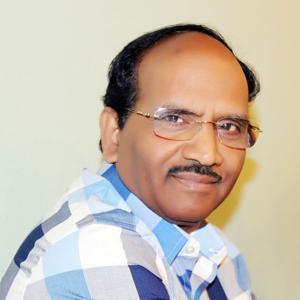
52 Listeners