
Sign up to save your podcasts
Or



This guide provides ski patrollers with a foundational understanding of on-site lower leg injury management. It outlines crucial skills, emphasizing scene safety, stabilization, and frequent checks of circulation, motor function, and sensation (CMS). Specific techniques for applying various splints, including quick, airplane, and rigid splints, are described with critical performance indicators highlighted. The text also covers boot removal procedures for aid room settings and considerations for shock management and transport. Ultimately, this resource prioritizes proper assessment and stabilization to prevent further harm during initial treatment.
This compilation of materials comprises a student manual for the IS-0100.c course, providing an introduction to the Incident Command System (ICS). Released in March 2025, the manual outlines the fundamentals of ICS, its organizational structure, and its role within the broader National Incident Management System (NIMS). Lessons cover the NIMS management characteristics, the functional areas and roles within ICS (including Command and General Staff), and how ICS principles apply to various personnel involved in incident management. The document aims to familiarize individuals with ICS for effective incident response across different types and sizes of events.
This collection of materials serves as a student manual for IS-0100.c: An Introduction to the Incident Command System (ICS), ICS 100, released in March 2025. The manual outlines a five-lesson course designed to familiarize students with the Incident Command System, a nationwide standard for managing incidents of any size or type. The lessons cover topics including a course overview, NIMS management characteristics, ICS functional areas and roles for both Command and General Staff, and guidance on how ICS applies to various personnel and situations. The manual incorporates learning objectives, visual aids, activities, and review questions to facilitate understanding of ICS principles and its role within the National Incident Management System (NIMS).
This compilation of materials comprises a student manual for the IS-0100.c course, providing an introduction to the Incident Command System (ICS). Released in March 2025, the manual outlines the fundamentals of ICS, its organizational structure, and its role within the broader National Incident Management System (NIMS). Lessons cover the NIMS management characteristics, the functional areas and roles within ICS (including Command and General Staff), and how ICS principles apply to various personnel involved in incident management. The document aims to familiarize individuals with ICS for effective incident response across different types and sizes of events.
This compilation of materials comprises a student manual for the IS-0100.c course, providing an introduction to the Incident Command System (ICS). Released in March 2025, the manual outlines the fundamentals of ICS, its organizational structure, and its role within the broader National Incident Management System (NIMS). Lessons cover the NIMS management characteristics, the functional areas and roles within ICS (including Command and General Staff), and how ICS principles apply to various personnel involved in incident management. The document aims to familiarize individuals with ICS for effective incident response across different types and sizes of events.
The provided document is a student manual for the IS-0100.c: An Introduction to the Incident Command System, ICS 100 course, released in March 2025. This manual outlines five lessons covering the fundamentals of ICS, including its overview, NIMS management characteristics, functional areas, command and general staff roles, and application. The course aims to familiarize students with ICS principles for effective incident response and coordination across various governmental and private sector entities, ultimately promoting safer and more efficient incident management.
"Ski Sentinels" from Vermont Public provides a comprehensive overview of the National Ski Patrol's history and evolution. The video transcript traces the organization's origins in the 1930s, inspired by European ski safety practices and driven by the vision of Minnie Dole. It highlights the early challenges of providing mountain safety, the crucial role of volunteers, and the development of essential rescue techniques and equipment. The narrative further explores the Ski Patrol's significant contributions during World War II, particularly in the formation of the 10th Mountain Division. Post-war, the organization continued to shape the burgeoning ski industry, focusing on safety education, avalanche control, and the development of standardized emergency care. The transcript emphasizes the dedication, camaraderie, and enduring mission of the National Ski Patrol as a vital volunteer force in mountain safety.
Stop the Bleed is an initiative born after the Sandy Hook tragedy, aiming to empower civilians with battlefield-proven techniques to control life-threatening bleeding before professional help arrives. The program highlights that bleeding is the leading preventable cause of death after injury and emphasizes immediate action in real-world scenarios like shootings and accidents. Key skills taught include applying direct pressure, wound packing, and using tourniquets, stressing scene safety and calling emergency services. Real stories, such as the Pittsburgh Synagogue attack and the Boston Marathon bombing, illustrate how bystander intervention with Stop the Bleed knowledge saved lives. The initiative underscores that anyone can make a difference by learning these simple techniques and having the courage to act.
This text outlines the principles of high-quality cardiopulmonary resuscitation (HQ-CPR), emphasizing its importance in improving outcomes during cardiac arrest. It details the critical components of HQ-CPR, such as compression rate and depth, complete chest recoil, and minimizing interruptions. The text further explains the significance of chest compression fraction (CCF) and the need for effective teamwork through defined roles like the compressor, airway manager, and CPR coach, who operate within a triad rotation. Finally, it highlights the crucial role of regular practice, clear communication using closed-loop techniques, and post-event debriefing in maintaining and enhancing resuscitation skills.
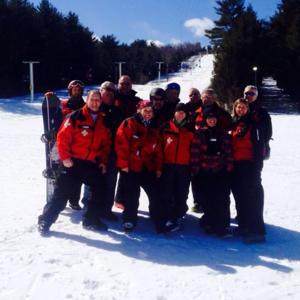
Hermon Mountain Ski Patrol's guide outlines the essential steps for infant CPR for individuals, whether they are the sole rescuer or part of a team. The guide details procedures for assessing the infant, including checking responsiveness, breathing, and pulse, as well as when and how to activate emergency services. It thoroughly explains the techniques for chest compressions and rescue breaths, highlighting differences between single and two-rescuer approaches and emphasizing proper depth and rate. The document also covers AED use with pediatric considerations and the importance of switching roles during two-person CPR. Finally, it mentions the use of Prestan infant manikins with indicator lights for practicing and maintaining correct CPR technique, specifically noting these manikins do not connect to iPads.
From the publisher's feed