
Sign up to save your podcasts
Or

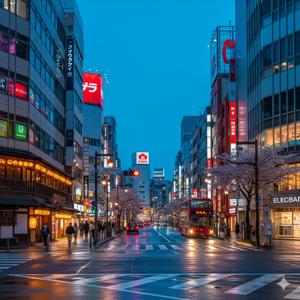


Ce rapport explore la géographie spirituelle et historique du district de Wanhua à Taipei, analysant comment les strates culturelles s’y superposent depuis l’époque aborigène jusqu’à nos jours. L’étude examine la transition de la cosmologie animiste des Ketagalan vers les croyances populaires taïwanaises, tout en documentant les traumatismes urbains liés aux conflits ethniques et à la colonisation japonaise. À travers des sites emblématiques comme le temple Longshan et le quartier de Bopiliao, l'auteur démontre comment la sacralité d’un lieu s’intensifie paradoxalement à mesure que sa position économique décline. Ce document propose le concept original de « syndrome du port déchu », suggérant que la puissance spirituelle se concentre là où la société est la plus marginalisée. En reliant l'histoire ancienne aux crises contemporaines, le texte redéfinit Wanhua non pas comme un quartier en déclin, mais comme le noyau sacré et résilient de la capitale.
Les pages non écrites d'hier Écoutez attentivement le long vent et parlez du vieux fleuve
Soutenez ce podcast sur — https://redcircle.com/shows/cfc0e32d-c1fc-435f-8d4b-b3f5fb352872
Lisez l'histoire complète avec photos et itinéraire de la journée sur mon site Web:
🔗 Site Web – Récits de voyages historiques (5 langues) : https://www.lawrencetravelstories.com
🇯🇵 Récits de voyages historiques japonais : https://www.lawrencetravelstories.com/japanri-ben/
🇭🇰 Récits de voyages historiques à Hong Kong : https://www.lawrencetravelstories.com/hong-kong-xiang-gang/
🇹🇼Récits de voyages historiques à Taiwan : https://www.lawrencetravelstories.com/taiwan-tai-wan/
Este informe de investigación analiza la geografía espiritual e histórica de Wanhua, el distrito más antiguo de Taipéi, a través de cinco relatos que abarcan desde la era indígena hasta la actualidad. El texto examina cómo la identidad del área se construyó sobre la cosmovisión fluvial de los Ketagalan y los conflictos entre inmigrantes, destacando la resiliencia de la fe popular taiwanesa frente a desastres como los bombardeos de 1945. Se introduce el concepto de "síndrome de acumulación sagrada en puertos decadentes", que explica cómo la decadencia comercial de una zona potencia su densidad ritual y espiritual. A través de un enfoque de geografía del trauma, los documentos exploran la relación entre el estigma social y el poder sagrado en espacios marginados como Bopiliao y Huaxi Street. En conjunto, las fuentes presentan a Wanhua no como un sitio en declive, sino como un núcleo de resistencia cultural donde lo sagrado florece en la periferia de la modernidad.
Las páginas no escritas del ayer Escucha atentamente el largo viento y habla del viejo río.
Apoye este podcast en: https://redcircle.com/shows/cfc0e32d-c1fc-435f-8d4b-b3f5fb352872
Lea la historia completa con fotos e itinerario del día en mi sitio web:
🔗 Sitio web – Historias históricas de viajes (5 idiomas): https://www.lawrencetravelstories.com
🇯🇵 Historias de viajes históricos japoneses: https://www.lawrencetravelstories.com/japanri-ben/
🇭🇰 Historias de viajes históricos de Hong Kong: https://www.lawrencetravelstories.com/hong-kong-xiang-gang/
🇹🇼Historias de viajes históricos de Taiwán: https://www.lawrencetravelstories.com/taiwan-tai-wan/
這份研究報告從多維時空的視角剖析台北萬華區的歷史與精神地理,探討其從原住民文明到現代都市邊緣的演變。報告核心提出「落港聚靈症候群」理論,解釋萬華雖在商業地位上衰落,卻因民間信仰中的「污穢與靈力辯證」而在精神層面愈發神聖。內容涵蓋了凱達格蘭族的河道宇宙觀、1853年頂下郊拚的族群衝突、龍山寺在二戰空襲中的神蹟傳說,以及剝皮寮的建築考古。透過這些故事,報告揭示了萬華如何成為一個集集體創傷、殖民記憶與社群韌性於一身的特殊空間。最終,作者主張萬華的「邊緣性」與其強大的「神聖能量」互為表裡,構成了台北獨有的城市拓撲結構。
Unwritten Pages of Yesterday 細 聽 長 風 說 舊 河
Support this podcast at — https://redcircle.com/shows/cfc0e32d-c1fc-435f-8d4b-b3f5fb352872
在我的網站上閱讀包含照片和一日行程的完整故事⬇️
🔗 網站-歷史旅行故事(5種語言):https://www.lawrencetravelstories.com
🇯🇵 日本歷史旅行故事:https://www.lawrencetravelstories.com/japanri-ben/
🇭🇰 香港歷史旅行故事: https://www.lawrencetravelstories.com/hong-kong-xiang-gang/
🇹🇼台灣歷史旅行故事:https://www.lawrencetravelstories.com/taiwan-tai-wan/
This research dossier explores the multidimensional spiritual and geospatial history of Taipei’s Wanhua District, examining how cultural identity and sacred power persist through centuries of urban change. The text categorizes the area's evolution into distinct layers, ranging from the indigenous Ketagalan river civilization to the folk religious belief systems that define its modern character. It highlights pivotal historical events, such as the 1853 ethnic conflict and the 1945 bombing of Longshan Temple, to illustrate how trauma and survival reshape urban geography. A central thesis, the "Sunken-Port Sacred-Accumulation Syndrome," argues that as Wanhua’s economic and political status declined, its spiritual density and ritual importance paradoxically intensified. Ultimately, the report frames Wanhua not as a failed commercial center, but as a liminal sacred city where divine energy and social marginalization coexist in a unique dialectic. Physical landmarks like Bopiliao’s architectural layers and the stigmatized spaces of the sex industry serve as material witnesses to these complex historical shifts.
The Unwritten Pages of Yesterday Listen carefully to the long wind and speak of the old river
Support this podcast at — https://redcircle.com/shows/cfc0e32d-c1fc-435f-8d4b-b3f5fb352872
Read the full story with photos and day itinerary on my website⬇️
🔗 Website – Historical Travel Stories (5 languages): https://www.lawrencetravelstories.com
🇯🇵 Japanese historical travel stories: https://www.lawrencetravelstories.com/japanri-ben/
🇭🇰 Hong Kong historical travel stories: https://www.lawrencetravelstories.com/hong-kong-xiang-gang/
🇹🇼Taiwan historical travel stories: https://www.lawrencetravelstories.com/taiwan-tai-wan/
呢份研究檔案係一套以日蓮宗宇宙論為核心、重新解讀東京大田區池上町靈性地理同歷史變遷嘅深度文獻,將池上本門寺一带理解成一個跨越七百幾年、由「法難」同壓制不斷堆疊而成嘅精神能量場。
文本透過五個關鍵歷史故事串連:日蓮聖人於 1282 年喺池上入滅(圓寂),令呢個地方成為日蓮宗最重要嘅入滅靈場;武士家族(尤其在地領主)喺鎌倉至室町時期對日蓮信仰嘅接受、排斥同衝突,展現信仰與權力之間嘅張力;御會式祭典入面「十月櫻」同萬燈練供養嘅宗教意涵——傳說日蓮圓寂嗰陣十月櫻花奇蹟盛開,因此祭典以紙造櫻花同五重塔形萬燈巡遊,將季節錯位轉化為神聖記號。
檔案進一步解析德川幕府如何利用五重塔進行政治收編:池上本門寺現存五重塔建於 1644 年,由三代將軍德川家光捐資重建,係關東最古老五重塔之一,透過幕府資助同建築規制,將原本具強烈「法華」色彩嘅聖域部分納入江戶體制之中。
同時,研究亦討論明治時代「神佛分離」「廢佛毀釋」政策對池上聖域空間嘅強行切割:寺院土地被沒收、祭祀路線被打斷、部分建築被改為神社或學校,令原本連貫嘅信仰地景變成斷裂嘅碎片。
作者提出一個獨特觀點:池上唔單止係宗教聖地,更加係一個「法難地理沈積層」——由鎌倉時期嘅流放、室町至江戶嘅宗派壓制、到明治嘅制度性拆解,每一次打壓都冇消滅信仰,反而令精神能量喺同一地點反覆濃縮、沉積,形成今日御會式萬燈遊行所呈現嘅超高密度精神場域。
整體研究旨在揭示:池上町點樣透過歷史上嘅壓制、火災、政策切割同社會動盪,反向形塑出一個以日蓮宗法華宇宙觀為基底、同時承載政治、軍事同民間記憶嘅多層次靈性地景。
Unwritten Pages of Yesterday 細 聽 長 風 說 舊 河
Support this podcast at — https://redcircle.com/shows/cfc0e32d-c1fc-435f-8d4b-b3f5fb352872
在我的網站上閱讀包含照片和一日行程的完整故事⬇️ https://www.lawrencetravelstories.com/chi-tokyo-ikegami/
🔗 網站-歷史旅行故事(5種語言):https://www.lawrencetravelstories.com
🇯🇵 日本歷史旅行故事:https://www.lawrencetravelstories.com/japanri-ben/
🇭🇰 香港歷史旅行故事: https://www.lawrencetravelstories.com/hong-kong-xiang-gang/
🇹🇼台灣歷史旅行故事:https://www.lawrencetravelstories.com/taiwan-tai-wan/
この資料は、東京都大田区の池上を舞台と
、日蓮宗宇宙論に基づく霊性的・歴史的な空間考察アーカイブです。日蓮の入滅から現代に至るまでの歴史を、**「法難」という宗教的迫害とそれに対する抵抗の積み重ねとして読み解いています。具体的には、日蓮の最期や池上兄弟の信仰、五重塔の建立、明治期の神仏分離といった五つの主要なエピソードを通じ、この地がいかにして聖地化したかを分析しています。外部からの政治的圧力や抑圧が加わるたびに、むしろ宗教的な権威が深まっていくという「圧制と強化の螺旋構造」を指摘している点が特徴です。地名が持つ地形的な二元論や、年中行事である御会式の儀式的な意味についても触れ、多角的な視点から地域の精神史を再構築しています。最終的に、池上を単なる安息地ではなく、七百年にわたる宗教的記憶が地層のように積み重なった「記憶の容器」**として定義しています。
昨日の書かれなかったページ 長い風に耳を傾けて、古い川について話してください
このポッドキャストをサポートするには — https://redcircle.com/shows/cfc0e32d-c1fc-435f-8d4b-b3f5fb352872
私のウェブサイトで写真と一日の旅程を含む全文を読んでください:https://www.lawrencetravelstories.com/jpn-tokyo-ikegami/
🔗 ウェブサイト – 歴史的な旅行物語 (5 か国語): https://www.lawrencetravelstories.com
🇯🇵 日本の歴史旅行物語: https://www.lawrencetravelstories.com/japanri-ben/
🇭🇰 香港の歴史旅行ストーリー: https://www.lawrencetravelstories.com/hong-kong-xiang-gang/
🇹🇼台湾の歴史旅行ストーリー: https://www.lawrencetravelstories.com/taiwan-tai-wan/
Ces archives explorent la géographie spirituelle d'Ikegami, un quartier de Tokyo dont l’identité est profondément façonnée par le bouddhisme Nichiren. Le texte analyse comment ce site, lieu du trépas du saint Nichiren en 1282, a transformé un espace privé en un sanctuaire de résilience face aux pressions politiques successives. À travers cinq récits historiques, l'auteur détaille l'évolution de ce territoire, de la ferveur des guerriers médiévaux à la construction de la pagode de l'époque d'Edo. Il met en lumière une dynamique paradoxale où chaque tentative de contrôle par le pouvoir renforce la densité sacrée du lieu. Cette étude utilise la cosmologie religieuse pour révéler comment la mémoire des persécutions s'est cristallisée dans le paysage urbain actuel. Elle souligne enfin l'importance des rituels ancestraux, comme la procession des lanternes, dans la préservation de cette atmosphère spirituelle unique.
Les pages non écrites d'hier Écoutez attentivement le long vent et parlez du vieux fleuve
Soutenez ce podcast sur — https://redcircle.com/shows/cfc0e32d-c1fc-435f-8d4b-b3f5fb352872
Lisez l'histoire complète avec photos et itinéraire de la journée sur mon site Web:https://www.lawrencetravelstories.com/fra-tokyo-ikegami/
🔗 Site Web – Récits de voyages historiques (5 langues) : https://www.lawrencetravelstories.com
🇯🇵 Récits de voyages historiques japonais : https://www.lawrencetravelstories.com/japanri-ben/
🇭🇰 Récits de voyages historiques à Hong Kong : https://www.lawrencetravelstories.com/hong-kong-xiang-gang/
🇹🇼Récits de voyages historiques à Taiwan : https://www.lawrencetravelstories.com/taiwan-tai-wan/
Este archivo realiza un análisis histórico y espiritual del distrito de Ikegami en Tokio, centrándose en el templo Ikegami Honmon-ji y la cosmología de la secta budista Nichiren. El texto reconstruye la identidad del territorio mediante cinco relatos clave, que abarcan desde el fallecimiento de Nichiren Shonin en 1282 hasta las transformaciones políticas de la era Meiji. Se examina cómo la geografía pasó de ser un asentamiento prehistórico y una residencia samurái a convertirse en un punto de densidad espiritual definido por la resistencia religiosa. La investigación destaca símbolos como la floración milagrosa de los cerezos en otoño y la arquitectura de la pagoda de cinco pisos como marcas de poder y fe. En última instancia, la fuente propone que Ikegami funciona como un contenedor de memoria colectiva, donde cada intento de supresión histórica ha fortalecido su carácter sagrado.
Las páginas no escritas del ayer Escucha atentamente el largo viento y habla del viejo río.
Apoye este podcast en: https://redcircle.com/shows/cfc0e32d-c1fc-435f-8d4b-b3f5fb352872
Lea la historia completa con fotos e itinerario del día en mi sitio web: https://www.lawrencetravelstories.com/spa-tokyo-ikegami/
🔗 Sitio web – Historias históricas de viajes (5 idiomas): https://www.lawrencetravelstories.com
🇯🇵 Historias de viajes históricos japoneses: https://www.lawrencetravelstories.com/japanri-ben/
🇭🇰 Historias de viajes históricos de Hong Kong: https://www.lawrencetravelstories.com/hong-kong-xiang-gang/
🇹🇼Historias de viajes históricos de Taiwán: https://www.lawrencetravelstories.com/taiwan-tai-wan/
This archival document provides a spiritual and historical analysis of Ikegami, a district in Tokyo defined by its deep ties to Nichiren Buddhism. The text frames the area's geography as a layered "cosmological map," centered on the site where the sect's founder passed away in 1282. It explores five key historical narratives, ranging from the miraculous lore of unseasonal cherry blossoms to the political tensions of the Edo and Meiji periods. These sources argue that the landscape serves as a physical repository for religious memory, where every attempt at political suppression ultimately strengthened the site’s sacred identity. By examining architectural landmarks like the five-story pagoda and rituals like the Manto festival, the document traces how private land transformed into a permanent spiritual sanctuary. Ultimately, the text defines Ikegami not just as a location, but as a complex accumulation of faith and resistance against shifting historical powers.
The Unwritten Pages of Yesterday Listen carefully to the long wind and speak of the old river
Support this podcast at — https://redcircle.com/shows/cfc0e32d-c1fc-435f-8d4b-b3f5fb352872
Read the full story with photos and day itinerary on my website⬇️ https://www.lawrencetravelstories.com/eng-tokyo-ikegami/
🔗 Website – Historical Travel Stories (5 languages): https://www.lawrencetravelstories.com
🇯🇵 Japanese historical travel stories: https://www.lawrencetravelstories.com/japanri-ben/
🇭🇰 Hong Kong historical travel stories: https://www.lawrencetravelstories.com/hong-kong-xiang-gang/
🇹🇼Taiwan historical travel stories: https://www.lawrencetravelstories.com/taiwan-tai-wan/
這份檔案深入考證了東京池上町的靈性地理與歷史變遷,核心環繞著日蓮宗宇宙論展開。內容詳述了日蓮聖人於此入滅的地點如何從私宅轉化為法性聖地,並探討其家族信仰衝突與政治壓力的交織。透過「十月櫻」傳說與御會式祭典,文獻分析了宗教儀式如何折疊時間並建構集體記憶。此外,研究揭示了德川幕府與明治政府如何試圖透過建築捐贈與神佛分離政策對此空間進行政治收編。最終,檔案將池上定義為「法難的地理沉積層」,強調該地神聖性源於其跨越七百年對抗壓制與同化的反諷性歷史結構。
Unwritten Pages of Yesterday 細 聽 長 風 說 舊 河
Support this podcast at — https://redcircle.com/shows/cfc0e32d-c1fc-435f-8d4b-b3f5fb352872
在我的網站上閱讀包含照片和一日行程的完整故事⬇️ https://www.lawrencetravelstories.com/chi-tokyo-ikegami/
🔗 網站-歷史旅行故事(5種語言):https://www.lawrencetravelstories.com
🇯🇵 日本歷史旅行故事:https://www.lawrencetravelstories.com/japanri-ben/
🇭🇰 香港歷史旅行故事: https://www.lawrencetravelstories.com/hong-kong-xiang-gang/
🇹🇼台灣歷史旅行故事:https://www.lawrencetravelstories.com/taiwan-tai-wan/
From the publisher's feed
Multiple Language: