
Sign up to save your podcasts
Or

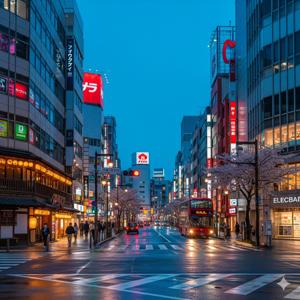


El texto es un informe experto y detallado sobre el distrito de Ebara en Shinagawa, Tokio, que busca revalorizar su significado histórico como el antiguo origen de la civilización de la capital. El análisis presenta cinco narrativas históricas interconectadas para transformar el área en una experiencia de turismo cultural profundo, enfatizando sus "tesoros ocultos". Estas narrativas recorren la historia de Ebara, desde su origen en el siglo VII como el antiguo centro administrativo (el kori o condado) de la provincia de Musashi, denominado por el cultivo de sésamo perilla, hasta su papel como bastión militar del clan Minamoto durante el período Heian. Finalmente, el informe subraya cómo la zona mantuvo su relevancia espiritual, atrayendo apoyo financiero incluso del Ōoku (el harén del shogun) en el período Edo, y propone una ruta de senderismo para conectar estos puntos clave como la estación de Ebara-machi y el Santuario Hataoka Hachiman.
The provided source is an expert-level historical report detailing the deep history and potential for cultural tourism in Ebara-machi, Tokyo. The document repositions Ebara-machi, currently within Shinagawa Ward, as the "Ancient Origin Point" of Tokyo civilization, tracing its administrative and geographical evolution from the seventh-century Ebara Kōri (district) to its modern status. The report is structured around five distinct historical narratives, designed to transform historical research—such as the speculated location of the ancient Ebara County Government Office and the sites associated with Minamoto no Yorinobu’s military campaign and the Ōoku (Shogun's Harem) patronage—into "hidden treasure" walking tours. These narratives focus on critical historical sites like Hatagaoka Hachiman Shrine and Hōrenji Temple, highlighting the area’s significance as an administrative center, a medieval military stronghold, and a place where Shinto and Buddhist faiths converged across different historical eras. Ultimately, the text offers a strategic framework for professional storytellers to guide visitors through this seemingly ordinary residential area to uncover its rich, often-overlooked, millennial past.
Der vorliegende Bericht, überschrieben mit "荏原町歷史故事與隱藏寶藏.docx", ist eine expertenbasierte Tiefenanalyse über den historischen Stadtteil Ebara-machi in Tokios heutigem Bezirk Shinagawa. Er präsentiert fünf zentrale historische Narrative, um Ebara-machi von seinem Status als moderner Randbezirk zu einem wichtigen "uralten Ursprungspunkt" der Tokio-Zivilisation neu zu positionieren. Die Analyse beginnt mit der etymologischen Herkunft des Namens "Ebara" aus dem 7. Jahrhundert, der auf die wirtschaftliche Bedeutung von Perilla-Samen (荏胡麻) hinweist, und verfolgt die administrative Entwicklung vom Ebara-Bezirk (評/郡) bis zur Gründung des modernen Shinagawa-Bezirks. Die vorgeschlagene Tourismusstrategie konzentriert sich darauf, diese historischen Knotenpunkte – darunter der vermutete Standort des alten Bezirksamtes in der Nähe des Ebara-machi-Bahnhofs und die Flaggenhügel-Hachiman-Schreine (旗岡八幡神社), die mit dem militärischen Wirken Minamoto no Yorinobus und der Finanzierung durch die Ōoku-Damen verbunden sind – als "versteckte Schätze" für kulturell interessierte Reisende zu inszenieren.
Die bron is 'n omvattende, kundige verslag oor die geskiedenis en verborge toerisme-skatte van Ebara-machi in Tokio, wat dit herposisioneer as die "Ou Oorsprongspunt" van die stad se beskawing. Dit beskryf die historiese evolusie van die gebied, van die antieke Ebara-distrik—vernoem na die egoma (perillasade) gewas—tot sy uiteindelike inlywing in die moderne Shinagawa-wyk. Die verslag bied vyf narratiewe aan wat as 'n tematiese toerroete vir kultuursoekende reisigers gebruik kan word, insluitend die legende van Minamoto no Yorinobu en die Hataoka Hachiman-heiligdom. Hierdie narratiewe onthul hoe die gebied se status verander het van 'n administratiewe kern in die Nara-tydperk na 'n militêre vesting in die Heian-tydperk, en later 'n plek wat steun van die Ōoku (die Shōgun se harem) in die Edo-tydperk ontvang het.
這些來源全面地探討了東京品川區荏原町及其周邊地區的歷史、地理和當代風貌。多數文章聚焦於東急大井町線荏原町站周邊的住宅區特性、老式商店街(如戶越銀座和武蔵小山PALM)的下町人情味,以及該地區作為宜居安靜街區的吸引力。歷史文獻和YouTube來源則詳細回溯了**「荏原」地區的行政沿革**,指出其曾是東京市荏原區的一部分,涵蓋了現今品川區、目黒區、大田區及世田谷區的部分區域,並強調了立會川暗渠、歷史古蹟和鐵路發展對街區形成的影響。此外,部分文章也記錄了荏原町的鐵道舊貌、外國移民(如尼泊爾社群)的出現,以及該區域相對穩定的房地產市場和治安環境。
この文書は、香港の辺境地帯である坪輋、蓮麻坑、および沙頭角を統合的な文化ベルトとして捉え、その歴史と文化遺産を高品質な観光商品へと転換するための戦略的な研究報告です。この地域は長年にわたり辺境禁区(FCA)として隔離されてきた結果、葉氏宗祠などの宗族文化、蓮麻坑鉛鉱洞のような産業遺産と生態系(コウモリのSSSI)、そして麦景陶碉堡群といった地政学的記憶が高純度で保存されていると論じています。特に、北部都会区開発と沙頭角禁区の段階的開放に伴い、歴史考証に基づいた五つの核心的な物語(例:沙頭角魚燈舞、香港最長の桟橋)を軸に、環境保護と観光の質を両立させた持続可能な開発を推進する必要性を強調しています。
O texto é uma análise aprofundada dos esforços para transformar a área de fronteira de Hong Kong — especificamente Ping Che, Lin Ma Hang e Sha Tau Kok — num destino de turismo cultural e de alta qualidade, após o levantamento gradual das restrições de acesso que vigoravam há décadas. Este plano de desenvolvimento faz parte da estratégia mais ampla do Northern Metropolis e visa reinterpretar a área fronteiriça de isolamento militar para um repositório de história e ecologia de Hong Kong. O documento detalha cinco "tesouros escondidos", como o Bunker MacIntosh, o Templo Ancestral Yeung de Lin Ma Hang e a Dança do Peixe Lanterna de Sha Tau Kok, demonstrando a rica tapeçaria de legados geopolíticos, industriais e clânicos preservados pelo longo período de isolamento. Finalmente, a análise aborda os desafios operacionais e éticos da conservação, como a necessidade de equilibrar o desenvolvimento turístico com a proteção de habitats cruciais para espécies como os morcegos, sublinhando a importância de gerir a "escassez" da área com rigor administrativo.
El texto proporciona una investigación detallada sobre el potencial de turismo cultural de alto nivel en la zona fronteriza de Hong Kong, específicamente en Ping Che, Lin Ma Hang y Sha Tau Kok, áreas históricamente designadas como zonas de acceso restringido militar. El documento identifica cinco "tesoros escondidos"—el Fuerte MacIntosh, la Mina de Plomo de Lin Ma Hang, el Muelle Público de Sha Tau Kok, la Danza del Pescado de Sha Tau Kok y la Sala Ancestral Ye de Lin Ma Hang—y los utiliza para construir narrativas de historia, herencia industrial y resiliencia clánica. Además, la fuente describe el plan de desarrollo del Distrito Metropolitano del Norte y cómo la reciente apertura gradual de la Zona Fronteriza Cerrada está transformando estos sitios en atractivos turísticos de nicho, al mismo tiempo que subraya la necesidad de equilibrar la conservación ecológica y el patrimonio cultural con el desarrollo turístico de baja densidad y alta calidad.
This extensive document details a proposed cultural tourism strategy for the former Frontier Closed Area in Hong Kong, encompassing the border regions of Ping Che, Lin Ma Hang, and Sha Tau Kok. It frames this area's unique history—shaped by its proximity to Shenzhen, its Hakka clan heritage, and long-term military isolation—as a "time capsule" of historical and ecological assets, ripe for high-quality tourism development under the Northern Metropolis plan. The core of the strategy focuses on five "hidden treasures," including the geo-political memory preserved at the MacIntosh Forts, the industrial and ecological significance of the Lin Ma Hang Lead Mine, and the cultural continuity embodied by the Sha Tau Kok Fish Lantern Dance. Ultimately, the source advocates for balancing economic development with strict ecological and heritage conservation, using specific examples like managing bat habitats in the mine and controlling visitor access through mandatory border permits and public transport restrictions to ensure a "low-density, high-quality" experience.
這份研究報告以「禁區邊緣的史詩」為題,聚焦於香港新界北部的坪輋、蓮麻坑與沙頭角地區,分析其作為長期邊境禁區所形成的獨特歷史、文化及生態資產。報告首先確立了該地區在北部都會區發展策略下的重新定位,指出長期的隔離狀態意外保存了豐富的歷史遺產,使其具有高度的稀缺性旅遊價值。隨後,報告以五個核心故事為載體,詳細介紹了蓮麻坑的麥景陶碉堡(冷戰記憶)、鉛礦洞(工業遺產與蝙蝠生態保育),以及沙頭角的最長碼頭(邊境貿易樞紐)與魚燈舞(非物質文化遺產)等隱世瑰寶。最後,文章提出了將這些歷史敘事轉化為高端文化旅遊產品的策略,並強調在發展中必須平衡生態保育與文化傳承,同時遵守嚴格的禁區行政管理要求。
From the publisher's feed
Multiple Language: