
Sign up to save your podcasts
Or

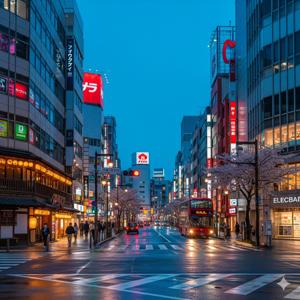


The text provides a detailed historical and philosophical overview of Hong Kong’s Admiralty district, known as Kam Chung, analyzing its transformation from a military enclave into the city’s administrative and commercial hub. It explores five core historical narratives, including the colonial origins of its name and its systematic de-militarization and re-commercialization during the 1970s. The analysis highlights significant conflicts between development efficiency and historical preservation, noting the destruction of the Wellington Battery during metro construction versus the expensive, legally mandated conservation of a 140-year-old banyan tree at Pacific Place. Furthermore, the source examines the resilience of the rule of law, tracing the history of the Court of Final Appeal Building from a symbol of justice to a Japanese wartime headquarters and back, concluding with a reflection on how the Tamar site became a focal point for major civic action, demonstrating the area’s persistent role as a testing ground for urban ethics and governance.
這篇深度探討文章聚焦於香港金鐘區(Admiralty)從軍事飛地轉變為現代商業和行政核心的複雜歷史。文章識別了金鐘區的五個關鍵歷史維度,包括其名稱來源(源自英國海軍本部和金色警鐘)以及系統性的去軍事化和再商業化進程。此外,文章闡述了城市發展中兩極化的倫理考驗,例如太古廣場為保護一棵百年古榕樹而進行的天價工程,與港鐵擴建時威靈頓炮台遺址被犧牲的對比。最後,文章著重分析了終審法院代表的法治韌性,以及添馬艦地區從「永久綠地」迅速轉化為公民抗爭中心的當代政治意義。總體而言,金鐘的歷史體現了香港在極致實用主義、法律契約精神和公民記憶之間的複雜哲學取捨。
提供された文書は、香港の銅鑼湾と跑馬地という地理的に近接した二つの地域の歴史的深層を探る専門家報告の抜粋です。この報告書は、植民地時代の階級隔離と人種差別、商業的権力の確立、そして地理的な大変動という三つの主要なテーマに基づき、これらの土地が香港のアイデンティティをいかに形成したかを分析しています。特に、1918年の跑馬地馬場大火が華人社会の民族意識の覚醒につながった経緯や、怡和午炮が軍事権威と商業資本の力関係を示す儀式となった背景など、五つの具体的な「隠された秘宝」に焦点を当てています。さらに、大規模な埋め立てや削山工事によって地理が強制的に変貌し、従来の海岸線や自然の記憶がどのように抹消されていったかという問題にも論及しており、現代の観光客に向けて知識と感情的な共鳴を促す深い歴史探訪を提案しています。
O relatório analisa a história e o desenvolvimento de dois distritos de Hong Kong, Causeway Bay (銅鑼灣) e Happy Valley (跑馬地), detalhando as complexidades do período colonial e a evolução urbana. O texto explora cinco histórias centrais que demonstram as tensões entre classes sociais, religião e o impacto da colonização, utilizando locais específicos como "tesouros escondidos" para orientar a experiência turística. Em Happy Valley, o foco recai sobre o incêndio de 1918 e o despertar da consciência chinesa contra a segregação, contrastando com a coexistência do Cemitério Parse (Zoroastrismo) e o Templo Tam Kung, evidenciando o multiculturalismo precoce de Hong Kong. Já em Causeway Bay, o documento discute a transformação violenta da geografia por meio de aterros marítimos e remoção de colinas, a ritualização do poder colonial através do Tiro do Meio-Dia de Jardine, e a resiliência do clã Dai que mantém a propriedade privada do Templo Tin Hau face à legislação colonial. Em suma, o relatório estrutura-se como um guia de turismo histórico, visando transformar a visita a marcos modernos numa exploração profunda da memória e identidade da cidade.
El texto es un informe de expertos que examina la historia de Causeway Bay (銅鑼灣) y Happy Valley (跑馬地) en Hong Kong, identificando cinco narrativas clave que reflejan el legado colonial y la transformación urbana. La sección de Happy Valley aborda el tema de la discriminación racial y la conciencia cívica a través de la devastadora quema del hipódromo de 1918 y la historia del cementerio parsi, que ilustra la diversidad cultural temprana de la región. En Causeway Bay, los puntos focales giran en torno al poder comercial y militar representado por el Cañón del Mediodía de Jardine Matheson, el drástico cambio geográfico causado por la recuperación de tierras y la resiliencia de las tradiciones chinas personificada por el Templo Tin Hau, que mantiene la propiedad privada del clan a pesar de las leyes coloniales. En esencia, el informe utiliza estos "tesoros ocultos" geográficos como anclas físicas para interpretar las complejidades de la historia, el conflicto y la identidad de Hong Kong.
The expert report presents a historical analysis of Hong Kong’s Causeway Bay (銅鑼灣) and Happy Valley (跑馬地), examining five pivotal stories that illustrate the complexity of the colonial period. It highlights how these adjacent areas represent social conflict and cultural duality, with Happy Valley symbolizing colonial isolation and the eventual awakening of Chinese national consciousness following the 1918 fire. Conversely, Causeway Bay’s history is defined by the Jardine Matheson commercial empire, showing the forceful transformation of the coastline through massive reclamation and the ritualistic display of colonial power, such as the Noonday Gun. Ultimately, the document maps out "hidden gems" like cemeteries and street elevations, encouraging visitors to use these physical remnants to understand the enduring resilience of traditional Chinese clans and the city's profound geopolitical changes.
這份專家報告深入探討了香港銅鑼灣與跑馬地的歷史縱深,將其視為充滿殖民時期張力的雙生場景,旨在透過五個具代表性的故事,提供一個深度的心靈導覽。報告將歷史事件與現代地標相連結,揭示了階級衝突、文化共融、信仰堅守和地理劇變等宏大議題;例如,跑馬地的歷史涵蓋了1918年馬棚大火所引發的華人民族意識覺醒,以及巴斯教徒與本土客家信仰(譚公廟)在藍塘道的並存。至於銅鑼灣,則聚焦於怡和午炮作為商業權力儀式化的過程,大規模移山填海對自然地貌的「暴力」改造,以及銅鑼灣天后廟在殖民法規下成功捍衛宗族私有產權的韌性。最終,報告將這些故事歸納為「隱藏瑰寶」,強調了衝突與制衡如何塑造了香港獨特的城市性格,並呼籲遊客超越物質消費,進行一場關於空間記憶與歷史代價的知識探索。
Hierdie bron bestaan uit uittreksels van 'n verslag getiteld "ba太平山、山頂與馬己仙峽", wat 'n gedetailleerde kultuurroete vir die Victoria Peak-gebied in Hong Kong aanbied. Die teks fokus op vyf "verborge skatte" wat die dieper, dikwels vergete koloniale geskiedenis en sosiale dinamika van die streek verteenwoordig. Hierdie historiese narratiewe ontbloot die skerp kontraste van koloniale mag, rasse-segregasie (veral die verbod op Chinese inwoners op die piek), en die bloed, sweet en trane van Chinese arbeiders wat die infrastuktuur soos Lugardweg gebou het. Ander sleutelpunte wat bespreek word, sluit in die oorblyfsels van die Goewerneur se Bergverblyf, die militêre geskiedenis van die Pinewood Battery en Magazine Gap (Kruitmagasynnek), en die betekenis van die Victoria City-grensmerker op Old Peak Road. Die oorkoepelende doel is om die "vreedsame illusie" van die piek te verbreek en besoekers te lei om die komplekse erfenis van klas- en rassekonflik wat die gebied gevorm het, te verstaan.
この資料は、香港の太平山、山頂、および馬己仙峽の地域に焦点を当てた詳細な歴史文化報告書であり、単なる観光地としての側面を超えた深い歴史的空間を解説しています。報告書は、植民地時代の階級隔離、軍事防衛、そして主要インフラ建設における華人労働者の貢献という五つの隠れた物語を紹介しています。具体的には、華人労働者の血と汗の上に築かれた盧吉道の桟道、総督の特権の象徴であった旧総督山頂別荘の遺構、香港防衛戦の脆弱性を示す松林砲台、地名に軍事戦略が隠された馬己仙峽、そして階級差と行政境界を示した旧山頂道の界碑といった「隠れた宝物」を、専門的な文化観光ルートとして提示しています。最終的に、これらの歴史的痕跡をたどることで、香港の「太平」という名の裏に隠された、複雑な歴史的対立と社会的な不平等を現代に再認識させることを目的としています。
Este texto é uma análise cultural e histórica profunda dos locais de Hong Kong, The Peak (太平山), o Cume, e Magazine Gap (馬己仙峽), apresentando cinco narrativas principais sobre o período colonial. O foco principal é revelar a complexa história de segregação de classes e raças e o trabalho chinês negligenciado que sustentou a criação desta área de elite, particularmente através de infraestruturas como a Lugard Road (盧吉道), uma via aérea pioneira. Os artigos detalham a história de vários "tesouros escondidos", incluindo os vestígios da Antiga Residência de Verão do Governador (e a sua irónica guarita sobrevivente) e as ruínas da Bateria Pinewood (松林炮台), que servem como símbolos do poder colonial e da fragilidade da defesa. Por fim, a análise examina as estratégias militares escondidas por trás de topónimos como Magazine Gap (Armazém de Munições) e a importância dos Marcos da Cidade de Victoria (維多利亞城界碑) na Old Peak Road, que demarcavam as fronteiras administrativas e sociais.
From the publisher's feed
Multiple Language: