
Sign up to save your podcasts
Or

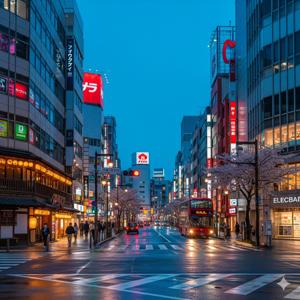


この資料は、東京の大森文化圏を焦点とした、深い歴史と文化的な魅力を探求する報告書からの抜粋です。この地域は、日本考古学の発祥地である縄文時代の貝塚から、川端康成や三島由紀夫らが集った昭和初期の馬込文士村、そして映画産業の黄金期を支えた蒲田撮影所に至るまで、多層的な歴史を持っています。報告書は、海苔産業の栄枯盛衰や昭和の日常を伝える飲食文化といった五つの物語を通じて、主流の観光地にはない隠れた名所を提示し、深度のある文化体験を求める旅行者向けの具体的な観光戦略を提案しています。最終的な分析では、大森の価値は**「非中心」の静けさ**の中にある文化的遺産の保存と継承にあると結んでいます。
Questo testo è un'analisi approfondita e una guida turistica che delinea il ricco contesto storico e culturale dell'area di Ota Ward a Tokyo, focalizzandosi sul quartiere di Omori e sulla sua influenza circostante. Il documento descrive cinque principali narrazioni storiche, presentandole come "tesori nascosti" per il turismo culturale: l'area è presentata come la culla dell'archeologia giapponese attraverso il sito preistorico di Omori Shell Mound (Kaizuka), che risale al periodo Jomon. Il testo esplora poi il Magome Bunshimura, un quartiere che fu il centro della letteratura e dell'arte durante il periodo Showa. Vengono poi discusse la ricca storia dell'industria locale delle alghe (Nori) e l'eredità del vicino studio cinematografico Shochiku Kamata, il quale diede origine allo stile noto come "Kamatacho". Infine, l'ultima sezione si concentra sull'estetica della vita quotidiana del quartiere, evidenziando i caffè d'epoca e i ristoranti tradizionali che consentono ai visitatori di connettersi con lo spirito dell'era Showa.
Sumber teks tersebut merupakan laporan komprehensif yang membahas kawasan Ōmori di Tokyo sebagai destinasi wisata budaya mendalam, berfokus pada lima narasi sejarah utama yang disebut "Harta Karun Tersembunyi" di kawasan tersebut. Laporan ini menggarisbawahi bagaimana Ōmori memiliki dimensi historis yang unik, mulai dari asal-usul Zaman Jōmon melalui penemuan situs kerang, hingga peran pentingnya dalam sejarah modern Jepang. Secara khusus, teks ini menjelaskan bagaimana kawasan tersebut menjadi pusat bagi desa sastrawan Magome pada periode Showa awal dan juga lokasi studio film Kamata yang melahirkan gaya "Kamatachō." Selain itu, laporan tersebut mendokumentasikan kebanggaan masa lalu Ōmori sebagai pusat industri rumput laut nori berkualitas tinggi, yang kini diabadikan di museum, serta estetika kehidupan sehari-hari melalui kafe retro dan kuliner lokal yang telah berusia lama. Intinya, laporan ini bertujuan untuk mengubah kisah-kisah historis ini menjadi aset pariwisata yang terstruktur bagi para pencari pengalaman budaya yang otentik.
Ce document explore l'histoire et la culture de la région d'Omori à Tokyo, la présentant comme une destination de tourisme culturel profond. Il définit le « cercle culturel d'Omori » par cinq thèmes narratifs principaux, qui s'étendent des origines de la civilisation japonaise à l'ère Shōwa. Le texte met en lumière des « trésors cachés » tels que le site archéologique de l'ancien Kaizuka d'Omori, le célèbre Village littéraire de Magome, et l'héritage de l'industrie du Nori (algue). Il examine également le rôle de la zone dans le développement du cinéma japonais à travers le studio Shochiku Kamata et décrit l'esthétique de vie paisible qui subsiste dans ses vieilles ruelles et ses restaurants historiques. En fin de compte, ce rapport propose une stratégie de tourisme durable basée sur la valorisation de ce patrimoine culturel discret et son attrait pour le voyageur averti.
This extensive report outlines the rich historical and cultural tapestry of the Oomori cultural sphere in Tokyo, arguing that its value lies in its "hidden treasures" for deep cultural tourism. The document structures its analysis around five major narratives, establishing Oomori's unique historical depth from the Jōmon period, which began with the discovery of the Oomori Shell Mound, the birthplace of modern Japanese archaeology. It extensively details the region's cultural peak during the Showa era, highlighting the Magome Literary Village, which housed figures like Yasunari Kawabata, and the nearby Shochiku Kamata Studio, which pioneered the "Kamata Style" in Japanese cinema. Furthermore, the source chronicles the area's maritime history as the center of the Edo-mae seaweed industry, a tradition that ended due to urbanization, and concludes by examining the enduring slow-life aesthetics and culinary heritage found in the neighborhood's retro cafes and old-town eateries.
Dieser Bericht bietet eine umfassende Übersicht über die kulturelle und historische Bedeutung des Tokioter Ōmori-Gebiets und seiner Umgebung, das als Ōmori-Kulturkreis definiert wird. Er identifiziert fünf zentrale Erzählstränge, die Ōmori von seinen Ursprüngen in der prähistorischen Jōmon-Zeit bis zur Shōwa-Ära umfassen. Zu diesen Hauptthemen gehören die archäologische Bedeutung der Ōmori-Muschelhaufen, die Konzentration berühmter Schriftsteller im Magome-Bunshimura (Schriftstellerdorf) und die lange Geschichte der Nori-Algenproduktion in der Region. Darüber hinaus wird die Rolle Ōmoris bei der Entstehung des japanischen Kinos durch das nahegelegene Shōchiku-Kamera-Studio in Kamata und die einzigartige Ästhetik des Shōwa-Alltagslebens in den örtlichen Gassen hervorgehoben. Das Ziel des Textes ist es, diese versteckten Schätze als Grundlage für kulturell tiefgehende Tourismusrouten zu strukturieren, die über die typischen Sehenswürdigkeiten Tokios hinausgehen.
Hierdie dokument is 'n omvattende oorsig oor die geskiedenis en kultuur van die Oomori-gebied in Tokio, en identifiseer dit as 'n diepgaande bestemming vir kultuurtoerisme. Die teks verduidelik dat Oomori se unieke sjarme spruit uit sy vyf kern historiese narratiewe, wat strek van die antieke Jōmon-tydperk tot die moderne era. Hierdie narratiewe sluit die ligging van die Oomori-skulpheuwel in, wat die geboorteplek van Japannese argeologie is, en die Magome-skrywersdorp, wat die tuiste was van invloedryke literêre figure van die Shōwa-tydperk. Verder behandel dit die streek se voormalige rol as die sentrum van nori-produksie en die invloed van die Shōchiku Kamata-filmstudio op Japannese kinematografie, asook die streek se voortdurende leefstyl-estetika wat deur outydse kafees en gevestigde restaurante behou word. Die doel is om hierdie "verborge juwele" in samehangende toerisme-ervarings te omskep.
這份文件提供了針對東京大森地區及其周邊文化圈(包含山王、馬込和蒲田)的深度旅遊報告,旨在將該區域的歷史事實轉化為引人入勝的體驗路線。 文件核心概述了五個主要的歷史敘事主題,包括該地區作為日本現代考古學發源地的大森貝塚,以及昭和初期馬込文士村的文學黃金時代。 其他重要內容涵蓋了曾經興盛的江戶前海苔產業的輝煌與消逝,松竹蒲田攝影所所代表的日本電影啟蒙「蒲田調」風格,以及山王巷弄中凝結的昭和生活美學。 最終目標是引導深度遊客探索這些超越主流景點的**「隱藏瑰寶」**,從繩文時代到現代,全面體驗大森豐富的時間深度與文化密度。
この文書は、東京都大田区入新井町の歴史的・文化的深さを探る専門的な観光ガイド提案書です。入新井町を、江戸時代の道徳的抗争から明治の産業革命、考古学の発見、鉄道時代の遺産、そして文学者たちの簡素な生活に至る、日本近代化の重要な転換期を体現する地域として位置づけています。特に、新井宿義民六人衆の物語、西村勝三による日本初の西洋靴工場設立、E.S. モースによる大森貝塚の発見、C57型蒸気機関車、および馬込文士村の五つの「隠れた至宝」に焦点を当てています。これらの微細な歴史的現場を巡ることで、訪問者に多層的で時間的広がりを持つ東京の歴史理解を提供することを目指しており、地域コミュニティとの精神的な繋がりを強調しています。
Đoạn trích này là tài liệu hướng dẫn tham quan lịch sử nhằm khám phá năm câu chuyện văn hóa quan trọng tại khu vực Iriarai-chō (nay thuộc Ōta, Tokyo), một địa điểm đóng vai trò then chốt trong quá trình chuyển đổi của Nhật Bản từ thời kỳ Edo sang hiện đại. Tài liệu tập trung giới thiệu những "báu vật ẩn giấu"—các địa điểm phi truyền thống nhưng giàu ý nghĩa tinh thần—thông qua năm chủ đề lịch sử chính: sự hy sinh vì chính nghĩa của Sáu Nghĩa dân Arai-juku thời Edo; vai trò của Nishimura Katsuzō là người tiên phong trong ngành công nghiệp hiện đại hóa; khám phá khảo cổ của E.S. Morse về Vỏ sò Ōmori từ cửa sổ xe lửa; lưu giữ đầu máy hơi nước C57 "Quý phu nhân" như một ký ức sống động về Kỷ nguyên Đường sắt; và sự hình thành của Làng Văn sĩ Magome lân cận như một nơi phản ánh tinh thần nghệ thuật tối giản. Mục đích cuối cùng của tài liệu là cung cấp một chuyến tham quan sâu sắc, đa tầng lớp, nhấn mạnh rằng lịch sử vĩ đại thường được tìm thấy trong những chi tiết khiêm tốn và những cá nhân bình thường.
From the publisher's feed
Multiple Language: