
Sign up to save your podcasts
Or

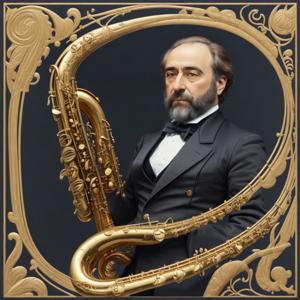


Jacques Fromental Halévy writes a letter to Adolphe Sax, praising his musical innovations and encouraging him to continue perfecting the musical instruments of the time. He emphasizes the importance of sound combinations in the orchestral field and the potential influence of his research in the realm of music. Halévy's words will strengthen Sax's determination to move to Paris definitively.
General Rumigny visits Adolphe Sax in Brussels to express his interest in the young musician's musical innovations. He will inform him about the reorganization of the military music corps in France, significant news for Sax. This visit will mark the beginning of the genius inventor's transition to Paris, where he will face numerous challenges and achieve glory in his musical career.
Despite prior rumors, at the Brussels Industrial Exhibition in 1841, Adolphe Sax officially presents the Bass Saxophone in C, the first member of the saxophone family that he would patent years later. Although he was nominated for the gold medal, the jury argued that he was too young for such an accolade. This event marked a pivotal point in his life and strengthened his desire to leave his country and move to Paris.
Our protagonist returns to Brussels after visiting the prestigious clarinetist François Dacosta in Paris in the year 1839. Despite facing numerous family losses, Sax is determined to continue his advancements and refinements in the field of music. During this time, the first rumors about his new instrument, the saxophone, were already being heard.
Adolphe Sax will achieve a significant milestone in his young musical career, presenting his innovative bass clarinet at the Industrial Exhibition of Brussels at the age of sixteen. His design substantially improved the resonance and tuning of the instrument, earning admiration, even from the renowned musician François-Antoine Habeneck. However, his success also provoked envy, especially from Louis Auguste Buffet. Sax patented his creation in 1838 and continued to refine it. Despite numerous debates about his contributions, Sax will leave an indelible mark on history.
From the publisher's feed