
Sign up to save your podcasts
Or

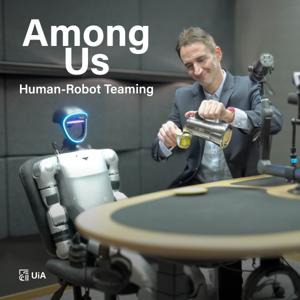


In this episode of Among Us, Human-Robot Teaming, we sit down with robotics pioneer Professor Paolo Fiorini to discuss the evolution of robotic autonomy, ethics, and the future of collaboration between humans and machines. Discover his insights on surgical robotics, trust in AI, and the role of simulation and haptics in advancing human-robot interaction.
Main Topics:
Timestamps:00:45 - Introduction to Professor Fiorini and his pioneering work in robotics
01:27 - Biographical overview of Professor Fiorini's career and achievements
02:18 - Bridging theoretical control and real-world application through robotics
03:16 - Key projects: surgical robotics: autonomy, safety, and certification
04:43 - The rise of Needle Eye Robotics in prostate cancer diagnosis and therapy
05:42 - The evolution of human-robot interaction and physical collaboration
07:11 - From segregated robots to immersive teaming: autonomy levels’ progression
08:38 - Telerobotics, telepresence, and the early days of autonomy in robotics
09:37 - AI development stages and risks: from neural networks to semantic control
10:55 - Shared control and the importance of reciprocal trust in human-robot interaction
12:29 - Ethical challenges in AI: emerging misbehavior and training data issues
13:52 - Control theory versus machine learning: stability and adaptability in robotics
14:19 - Ethical dilemmas and decision-making transparency in autonomous systems
15:14 - The practical limits of AI in safety-critical applications like surgery
16:21 - Mechanical constraints: managing the challenge of safe AI deployment
17:51 - The slow pace of legislative and standardization updates in robotics
19:05 - Advances in surgical robotics and autonomous assistance in interventions
20:14 - Data availability as a barrier in robotic surgery AI development
23:12 - Modeling complex surgical procedures with logic-based systems
25:33 - The unpredictability and creativity of human surgeons versus AI
26:37 - The use of haptics and tactile feedback in medical robotics
28:42 - The debate on force feedback benefits and user adaptation
30:16 - The significance of tactile sensing for learning, especially in soft tissues
33:09 - Challenges of sensory integration and synchronization in multi-modal feedback
35:14 - Future of AI: focused, reliable tools over general artificial intelligence
37:27 - Simulation as a trust-building tool and explanation of robotic actions
38:25 - Limitations of simulation in personalized medicine and soft tissue modeling
39:49 - AI in prostate cancer diagnosis: small steps with high societal impact
40:54 - The importance of balanced, practical solutions for human-robot collaboration
41:46 - The ongoing challenge of connecting generations and sharing experience
42:52 - Closing thoughts from Professor Fiorini and upcoming conferences.
Connect with Professor Fiorini:
Additional Notes:
In this episode, Filippo Sanfilippo hosts Omar Serghini, a PhD researcher specializing in speech emotion recognition, spectrum sensing, and neuromorphic cameras, to discuss the future of human-robot teaming. They delve into how emotional awareness through speech and visual cues can transform collaborative AI systems, especially in healthcare and social contexts.
Key Topics:00:45 - Introduction to Omar Serghini and his research background
01:31 - The importance of emotional detection in human-robot teaming
02:58 - Speech emotion recognition: what it is and why it matters
05:15 - Using vocal cues like tone and rhythm to gauge confidence and hesitation
06:39 - How emotion detection helps robots adapt behavior and ensure safety
08:07 - The evolution of human-robot interaction from command-based to peer-like relationships
10:09 - Spectrum sensing as a metaphor for decision-making in robotics under uncertainty
12:15 - Robustness in noisy environments: lessons from spectrum sensing applied to robotics
16:11 - The role of neuromorphic (event-based) cameras in real-time emotion perception
17:39 - How event-based vision captures fast, subtle changes for dynamic interaction
22:53 - Integrating multiple sensory channels for a richer understanding of human emotions
25:21 - The potential and limitations of robotic empathy in social and care settings
27:22 - Ethical and cultural considerations in emotion recognition technology
28:47 - Challenges and future directions for emotion-aware AI in healthcare and safety
35:23 - Final thoughts on multidisciplinary collaboration and the future of emotional AI
Resources & Links:This episode emphasizes the importance of integrating multiple sensory modalities for emotionally intelligent human-robot interactions and highlights ongoing interdisciplinary efforts to bring empathetic AI closer to human behavior.
Insights from Professor Florenc Demrozi. Explore how sensors, AI, and wearable technology are transforming human-robot collaboration, healthcare, and assisted living. Discover the vision of lifelong learning machines and their potential to evolve with us, aiding independence and safety.
Key Topics:
Timestamps:
00:00 - Introduction to human-robot teaming and interview guest Professor Florenc Demrozi
01:16 - The historical transition from isolated robots to collaborative human-robot interaction
02:13 - The progression towards physical collaboration and shared space in human-robot teaming
02:43 - Recognizing human activity and intent through sensing and AI
03:12 - The importance of understanding human status within physical and environmental contexts
04:08 - How ubiquitous sensors and multi-modal data fusion advance healthcare robotics
05:10 - Applications in healthcare: Parkinson’s, Alzheimer’s, disabilities, and aging population challenges
09:17 - Robots in assisted living: coaching, teaching, and digital therapeutics
11:10 - Empowering the elderly: training and maintaining independence with robots
12:40 - Robots as lifelong companions, physical helpers, and co-learners
14:08 - Challenges of trust, reliability, safety, and real-time collaboration in human-robot teaming
15:02 - Controlling and ensuring safety of robots via constraints and innovative actuators
16:00 - Developing intrinsically safe and elastic actuators like human muscles
17:25 - Data quality, sensor noise, and AI model generalization challenges
20:50 - Regulatory hurdles and the necessity of validation for medical applications
21:51 - Generalization across different environments, sensors, and users
23:21 - Envisioning the future: robots as lifelong learning partners and companions
24:25 - The concept of the lifelong learning digital companion evolving with users
26:25 - Knowledge exchange between humans and machines, and eventual AI surpassing human knowledge in specific tasks
27:24 - Digital coaching systems: recognizing and blocking risky behaviors
28:22 - The vision of humans and robots as equal, continuously evolving partners
29:07 - The role of curiosity and ongoing research in advancing human-robot teaming
29:44 - Closing thoughts and a special message for the next generation of researchers
Resources & Links:
Connect with Professor Florenc Demrozi:
In this episode, we delve into innovative research on bio-inspired snake robots and their transformative potential in disaster scenarios. Syed Kumayl Raza Moosavi, a PhD researcher, shares insights on how these modular, adaptable robots can navigate complex terrains, assist first responders, and enhance safety through autonomous aid delivery.
Key Topics:For more detailed research papers and collaboration inquiries, visit the research group's official site here.
00:00 - Welcome and introduction to Professor Siciliano's impact in robotics
01:13 - The significance of his research and cultural background
02:33 - Passion for football and its influence on engineering creativity
03:43 - The role of adrenaline and emotional engagement in research and teaching
05:03 - The social and cultural insights from stadium visits across Europe
06:44 - Creativity inspired by local city culture and its impact on innovations
09:14 - The story behind the ERC grant and the pizza robot demonstrator
11:44 - Robotics as a societally inspired pursuit rooted in cultural identity
12:45 - The sociological dimension of human-robot interaction in urban environments
13:14 - Gesticulation, cultural behaviors, and AI training datasets
14:43 - The importance of sensory development and education in human evolution
15:42 - Interdisciplinary approaches and cross-fertilization between robotics and other fields
16:09 - Teaching beyond textbooks: inspiring the next generation
18:11 - Student assessments, ethics in education, and the value of understanding concepts
20:14 - The role of AI and accessible knowledge in democratizing robotics
22:29 - The founding of the "Technology Humanism" initiative and societal responsibilities
23:51 - Creativity as a driver for research and the symbolic link to soccer
24:37 - Imagining robots playing soccer and rethinking human-robot interaction
25:14 - Supporting and connecting people across disciplines for innovative collaborations
33:42 - The potential of joint human-robot creative endeavors and storytelling
34:00 - The importance of shared control and the blending roles in human-robot teaming
50:53 - The balance between control, safety, and social acceptability in robots
54:43 - The emerging era of diverse robotic systems beyond humanoids
59:34 - The future of design, control, and integration in robotics
60:00 - The establishment of Stanford’s new Robotics Center and the pillars of modern robotics
61:10 - The four pillars: Knowledge, Design, Interaction, Impact
65:21 - Shared emotions, the human side of robotics, and the euphoria of technological progress
66:15 - Barriers to human-robot teaming and strategies to overcome them
70:38 - Unexpected applications of robotics (surgical, industrial, assistive)
75:29 - Enabling new applications, from virtual guides to assistive devices
79:31 - Rethinking the human-robot relationship and the evolution of “robots” into collaborative partners
82:29 - Standards, regulations, and international differences in robotics development
90:22 - The potential of robotics to bridge cultural and societal gaps
94:08 - The importance of interdisciplinary and international cooperation for future progress
99:50 - Visions of the future: technological, emotional, and societal changes in the next decades
104:37 - The responsibility of today’s scientists and engineers to preserve emotional and cultural legacies
115:41 - Final reflections: inspiring the next generation to dream bigger and collaborate globally
Resources & Links:This episode encapsulates the synergy between passion, culture, and scientific curiosity, demonstrating that the future of robotics is fundamentally human-centered and inspired by shared dreams and responsibilities.
Recorded live at the European Robotics Forum 2026 in Stavanger, this special episode of Among Us: Human–Robot Teaming takes you inside one of Europe’s most important robotics gatherings—through conversations, demos, and cutting-edge research.
This is not theory. This is what robotics actually looks like today.
🎤 Who You’ll Hear in This Episode🔹 Opening Perspective: The Vision Behind ERFWe start with Nabil Belbachir, organizer of ERF, discussing:
Next, a fascinating discussion with Matěj Karásek from Flapper Drones:
We then speak with Marco Aggravi, Project Manager and R&D Engineer at Haption:
A hands-on demo with SenseGlove showcases:
The episode concludes with a presentation of the paper:
“Transformer-Based Human Trajectory Prediction in Manufacturing Settings”
Authored by:
Key ideas explored:
At first glance, these look like separate topics:
They’re not.
They all point toward one thing:
👉 Robots that understand, adapt, and physically interact with humans in real environments
⚙️ The Real Insight (No Sugarcoating)Most robotics systems today:
This episode shows what it takes to fix that:
If you want real human–robot teaming, you need to combine:
Miss one—and your system breaks in the real world.
In this episode, Dr. Gionata Salvietti shares groundbreaking perspectives on human-robot collaboration, emphasizing the crucial role of tactile feedback and multisensory interaction. Discover the advances in robotic hand manipulation, sensory integration, and how these innovations are paving the way for more seamless and intuitive teaming between humans and robots.
Key Topics:00:00 - Introduction to human-robot teaming and its significance
02:25 - Defining human-robot collaboration in a rapidly evolving context
03:49 - The bilateral communication channel for effective teaming
04:54 - Moving towards balanced human-robot interactions
07:15 - The role of touch and tactile feedback in communication
08:44 - How biological tactile interactions inspire robotic hand design
10:08 - The importance of emotional and functional touch in humans
11:17 - Using touch for guidance irrespective of sight and hearing impairments
12:44 - Historical overview of sensory technology, focusing on touch
14:24 - The revolutionary potential of recording and reproducing tactile interactions
15:44 - The integration of multiple senses and multisensory teaming
17:15 - Manipulation synergies and brain-inspired control strategies
18:47 - Simplifying control through synergies and compliance in robotics
20:16 - The concept of invisible threads and brain's organization of hand movements
21:39 - The brain's management of hand complexity and use of compliance
23:50 - The impact of synergy and compliance on collaborative manipulation
26:01 - Exploring augmentation: the story of the sixth finger
28:52 - Assistive robotics: aiding stroke patients with robotic augmentations
31:47 - The pathway from prototypes to commercial products (e.g., Sixto)
34:25 - Scaling devices for education and medical training
35:23 - Main barriers and future challenges for human-robot teaming
37:40 - Sensor technology limitations and future directions
39:50 - The importance of standards, safety, and societal acceptance
42:14 - The societal impact, fears, and opportunities of robotics revolution
44:57 - Cross-disciplinary collaboration and the role of AI in sensor networks
46:16 - Final thoughts and encouragement for active engagement in the field
Resources & Links:This episode highlights the importance of multidisciplinary approaches—combining neuroscience, robotics, AI, and design—to address the challenges and unlock the full potential of human-robot teaming. We also discuss societal implications, ethical considerations, and the accelerating pace of technological change.
Join us in this episode as we explore the cutting-edge developments in human-robot collaboration, emphasizing sensor technologies, gesture-based interfaces, privacy preservation, and emotional understanding. Hamza Zafar shares insights from his PhD research, highlighting how new sensors and algorithms are transforming the way humans and robots work together safely and intuitively.
Main Topics Covered:00:00 - Introduction to "Among Us" podcast and episode theme
01:23 - High-level overview of human-robot teaming and core elements
04:16 - Hamza discusses gesture-based interfaces and sensor types
05:36 - Sensors used in human-robot interaction: RGB, EMG, neuromorphic cameras
07:18 - Privacy-preserving methods in gesture recognition using federated learning
09:09 - Differences between traditional and predictive gesture interfaces
10:54 - Real-time limb and hand tracking for improved robot responsiveness
13:40 - Merging digital twins with machine learning for Industry 5.0
16:17 - Ensuring safety and risk mitigation via digital twins
17:25 - Future visions: robots living with humans, especially the elderly
20:50 - Incorporating emotion prediction and physiological sensing
23:33 - Physiological vs non-verbal emotion recognition for adaptive systems
26:27 - The importance of interdisciplinary collaboration in advancing HRT
28:24 - Neuromorphic event cameras: how they work and their advantages
32:49 - Summary of benefits of event cameras: efficiency, privacy, low data load
34:17 - Final thoughts, collaborations, and closing remarks
Resources & Links:In this episode, we bridge the latest technological advancements with the ethical and human-centered considerations essential for safe and effective human-robot collaboration.
In this episode, we explore the evolving field of human-robot teaming (HRT), emphasizing the importance of understanding human psychology, nonverbal communication, and ethical considerations in creating trustworthy and effective robotic partners. Our guest, Dr. Cristina Brasi, brings her expertise in forensic psychology and behavioral analysis to shed light on how robots can better read and respond to human cues, especially in high-pressure environments.
Key Topics00:00 - Introduction to human-robot teaming and its significance
03:08 - Why robots need to move beyond mere automation and towards true collaboration
04:32 - The evolution from industrial robots to physical and shared space teaming
05:29 - Critical elements for effective human-robot interaction: sensors, actuators, algorithms
06:56 - The importance of humanizing robots through emotional and behavioral understanding
12:21 - The story behind naming the robot "Ambroggio" and symbolic meaning
13:43 - Identifying gaps between robotics and behavioral sciences
14:12 - Personalizing robotic responses through behavioral signatures and leakage detection
15:11 - Moving from action recognition to intent recognition in robots
16:08 - Embracing cognitive ergonomics and adapting to diverse neural profiles
18:28 - Risks of misinterpreting signals in emergency rescue environments
19:38 - Distinguishing pain vs. deception through micro-dynamic gesture analysis
20:35 - The importance of social fluency and subtle cues in high-stakes scenarios
22:27 - Defining successful human-robot non-verbal collaboration: trust, transparency, predictability
24:20 - Designing robots that display their internal states visually for better predictability
27:35 - The future potential of human-robot teaming in mental health and operational safety
29:14 - Contextual adaptive responses for social appropriateness
30:12 - The vision of robots recognizing and respecting the social fabric of human life
31:50 - Closing remarks and encouragement for ongoing collaboration
Resources & LinksJoin us in future episodes as we continue to unravel the fascinating intersection of human psychology, AI, and robotics. Stay tuned for more inspiring insights and innovative visions for a harmonious future of humans and robots working together.
From the publisher's feed