
Sign up to save your podcasts
Or



The Color Pink: How Pink and Blue Became Gendered
The hosts discuss favorite colors and focus on why pink is associated with girls and blue with boys, arguing it is largely learned and marketing-driven. They explain that before the 1940s children commonly wore white and colors were not gendered; in 1918 a trade publication even suggested pink for boys and blue for girls. They describe a post–World War II shift in the 1940s–50s as companies reinforced traditional gender roles through advertising and consumer goods, a dip during women’s liberation in the 1960s–70s, and a resurgence in the 1980s with prenatal sex identification and increased commercialization. They critique gender reveal parties (citing a wildfire and a fatal accident) and advocate respecting LGBTQ and non-binary identities. Studies are cited showing no infant color preference, rapid indoctrination, and different adult treatment based on baby clothing color.
00:00 Content Warning Intro
00:16 Sunny Day Catch Up
01:15 Meal Prep And Music Finds
04:39 Pink Theme And Men Warning
05:25 Favorite Colors Talk
07:04 When Colors Weren't Gendered
09:08 Pink For Boys Blue For Girls
10:13 WWII Marketing And Gender Roles
13:48 Liberation Era Color Shift
15:00 Ultrasounds And Gendered Baby Gear
17:08 Rise Of Gender Reveals
17:42 Gender Reveal Backlash
19:30 LGBTQ Rights Line
20:38 Why We Love Blue
21:27 Red Preference Myths
23:15 Kids Learn Color Bias
25:22 Colorful Homes Beige Hate
27:04 Pink Pride And Pushback
29:11 Pink Paper And Pink Men
31:39 Color Should Be Fluid
33:37 Sources And Sign Off
Umoja: Kenya’s Women-Only Village Resisting FGM and Abuse
The hosts of Hysterical Hysteria (with trigger warnings for sexual assault, violence, death/suicide, and abuse) discuss Umoja, a women-only village founded in 1990 in Kenya’s Samburu County, where girls may be forced into marriage as young as 12 and subjected to female genital mutilation. They describe severe local misogyny and add allegations tied to the British Army Training Unit Kenya (BATUK), which has operated for decades in exchange for $45 million annually, leaving environmental damage and reportedly enabling assaults and other crimes without accountability; evidence gathered in 2012 was allegedly denied and then “misplaced.” The episode centers on Rebecca Lolosoli, who, after being beaten for speaking against FGM, formed Umoja with other women cast out or fleeing. Umoja sustains itself via tourism, jewelry sales, security measures, and education, has rules barring men from living there, and has inspired similar villages.
00:00 Content Warning
00:15 Morning Catch Up
00:38 AC Sticker Shock
02:10 Errand Miracle
02:45 Introducing Umoja
03:33 Trigger Warnings
04:22 Life for Women Samburu
06:53 Tradition and Perspective
08:36 British Army in Kenya
11:03 Abuse and Aftermath
13:50 Rebecca Founds Umoja
15:11 Building a Safe Village
17:02 Men Try to Undermine
19:00 Women Defend Umoja
20:02 Building a Women Run Economy
21:41 Rules of the Village
23:26 Fighting FGM Through Education
25:29 British Military Abuse Cover Up
28:45 Support Umoja Jewelry
31:02 Why Umoja Matters
32:18 FGM Reality Check
34:06 Sources and Last Thoughts
36:19 Episode Wrap and Contact Info
Hysterical Hysteria Ep. 1: Hysteria—A Catch-All Diagnosis Used to Control Women
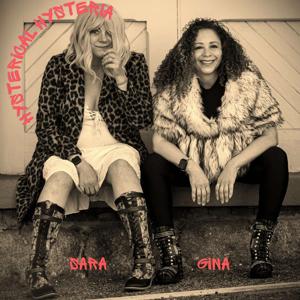
Hosts Sara and Gina introduce their podcast Hysterical Hysteria, explaining they met while training as genitourinary teaching associates who use their bodies to teach breast and pelvic exams, and that the show supports women, those who identify as women, and those assigned female at birth, with humor and serious discussion plus trigger warnings about assault and violence. Their first episode examines “hysteria,” describing its historical use as a patriarchal catch-all diagnosis for women, its Greek root meaning uterus, and its removal from the DSM only in 1980. They review purported symptoms and “treatments” (including marital sex, pregnancy, childbirth, and abusive “rest cures”), trace beliefs from Egypt, Greek philosophers, Romans, Christianity, Charcot’s asylum demonstrations, and Freud’s conversion disorder, and recount Marie (“Queen of Hysteria”), later thought to have psychogenic non-epileptic seizures. They connect hysteria to modern PTSD and current harms to women, then share where to find and contact the show.
00:00 Content Warning
00:45 Casual Catch Up
01:42 Workday Chaos
02:37 Birthday Week Curse
04:07 How We Met
05:41 Podcast Mission
07:13 Naming The Show
07:45 Trigger Warning Again
09:33 Hysteria Word Trauma
11:11 Patriarchy Control
14:50 Symptoms Explained
21:01 Treatments And Abuse
24:30 Meaning And DSM
26:37 Ancient Origins
29:07 Greek Philosophy Misogyny
31:09 Sexist Double Standards
32:22 Hippocrates And Healers
33:49 Miscarriage And Menopause Blame
35:28 Saints Satan And Exorcisms
38:30 Bad Air And Lazy Women
39:22 Charcot Asylum Spectacles
42:11 Freud And Modern Progress
43:40 Marie Queen Of Hysteria
56:09 Trauma Reframed As PTSD
57:01 Reclaiming Hysterical
59:31 Goodbyes And Contact Info
From the publisher's feed
A podcast for women, trans women and AFAB