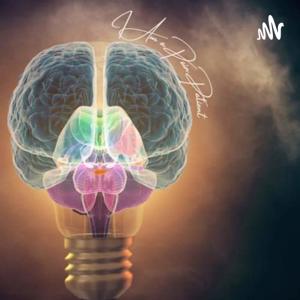
Cingulate Cortex (ACC).
The ACC acts as your brain’s central air traffic controller for self-regulation and behavior adaptation. It monitors errors, processes emotion, helps you learn from mistakes, and re-routes your decisions toward long-term goals.
When you make a misstep, a healthy, operational ACC says, "Oops, that didn't work. Let's adjust our strategy next time."
However, when you trigger intense shame, something dramatic happens:
When you judge yourself harshly, your brain doesn't register a helpful critique; it registers a threat. Your amygdala fires, flooding your system with stress hormones like cortisol. In response to this high-threat state, activity in the ACC drops or becomes dysregulated.
Instead of adapting your behavior, your brain switches to basic survival tactics: freeze, avoid, or seek immediate comfort. The very brain center you need to reflect, plan, and adjust shuts down. You end up trapped in the very loop you were trying to break.
Radical Self-Compassion: Loving the Self You Have Today
If shame freezes the brain, radical self-compassion thaws it.
Self-compassion is not about making excuses or accepting mediocrity. It is a biological tool. When you treat yourself with warmth and objectivity after a setback, you lower cortisol levels, quiet the amygdala, and allow the ACC to stay online. You preserve your ability to think clearly and make a different choice next time.
This brings us to a foundational principle of strengths-based wellness: you cannot build future potential on a foundation of self-rejection.
Embracing your current self—with all your current habits, quirks, and past slip-ups—isn't a sign of giving up. It is the only real starting line. Realizing your strengths means acknowledging what is already working, honoring your resilience, and using those existing traits as levers for sustainable growth.
Rewriting the Inner Monologue
Moving from shame to self-compassion takes practice. Here is how you can reframe common inner-critic thoughts into ACC-friendly, strengths-focused dialogue:
T
he Inner Critic (Shame Trap)
The Radical Reframe (Self-Compassion & Strengths)
"I ruined my diet today. I have no willpower."
"I was under a lot of stress today. What did my body actually need, and how can I support myself better tonight?"
"I missed the gym again. I'm just lazy."
"Rest was what happened today. My body was exhausted. How can I use my organizational strength to plan a quick 15-minute movement tomorrow?"
"I'll never get this wellness habit right."
"Building habits is an iterative process. This setback is just data showing me where my system needs adjustment."
You Don't Have to Silence the Inner Critic Alone
Unlearning years of shame-based conditioning isn't easy. The inner critic is loud, familiar, and often feels like an authoritative voice.
That is where coaching changes everything.
As a certified Health and Wellness Coach through Wellness Australia, I don't give you a rigid set of rules or judge your progress. Instead, I provide an objective, supportive partnership that acts as an external mirror to your strengths when your own view gets clouded by self-doubt.
In a 1:1 coaching environment, we work together to:
Deconstruct the shame loop so your brain feels safe enough to explore real, lasting change.
Identify your core strengths and build a health strategy that fits who you actually are—not who you feel you "should" be.
Develop actionable, compassionate accountability that keeps you moving forward without fear of failure.
Transformation doesn't start when you reach your end goal; it starts the moment you decide to stop warring with yourself.
https://www.evergreenwellnesscoaching.net/