
Sign up to save your podcasts
Or

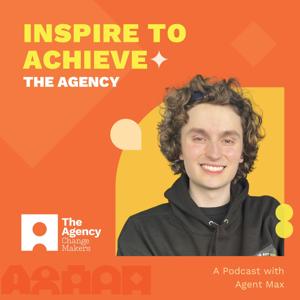


Digital Storyteller Max chatted with Agents Ethan and Tyler from Lache in Chester, creators of The Storyteller and Food Communita respectively. Manchester Correspondent Diana interviewed Mary and Melissa, Agents who founded MASK and Inner Canvas respectively. Their projects have been funded by The Agency Chester (Storyhouse), who supported them to deliver a pilot of their projects in Lache.
The Storyteller invited 55 children to use books to learn of social issues like individuality and cultural connection, inspired by Ethan’s background as a queer immigrant. With help from Agent Nancy, Ethan built a welcoming community among families in Lache with activities like robot building and nature-inspired craft.
Food Communita recreated the warm family dinner vibe Tyler felt was important, especially among high-school-aged children. With the help of Agents Cian and Herbert, young people enjoyed free meals together, along with activities like stress ball making. Guest speakers not only supported their mental wellbeing but also helped strengthened their bonds with each other. Listen to the podcast below:
Max
We are The Agency of Change, a charity for 15 to 25 year olds that champions creativity for leadership and opportunity. The young people involved are Agents, project creators who want positive change in their communities. We're all over the UK in places like London, Manchester, Southampton, Bolton, Belfast. And in today's podcast, we're covering Chester. I'm Max Wiseman and I chatted with young people in the Lache part of Chester who are really making a difference with their variety of projects. The first Agent I chatted with was Ethan, creator of The Storyteller, an interactive event at the Lache Library, bringing families together in a really engaging environment.
Ethan
The Storyteller in essence, it's basically having families come together to learn more about different social issues through children's books and storytelling with our storyteller, Owen Ellis, who is genuinely so amazing. It matters to me personally as opening up conversations about social issues is a really hard hitting thing for me personally. Growing up as a queer immigrant, it really hurt to see how othered people felt, people like me felt when it came to learning about these issues and working through them with other people is really emotional and we've had a great turnout at our sessions, so I'm really proud of that.
Max
How has your understanding of your community changed since you started your project?
Ethan
Since starting, it's been interesting because I've gotten to know some of the younger families in the area and I've gotten to see how they interact with the storytelling sessions and how they open up to it.
Max
Where did your idea for The Storyteller come from?
Ethan
Well, it came from my family. My older brother and his fiancé now are really into reading and they really push social change and helping people with different social issues talk about them and work through them. And it came from a personal want to help people who are queer, people who are immigrants, people who have dealt with racism, xenophobia in their area. And I wanted to be that change. I wanted to be the face of change.
Max
How did you originally hear about The Agency?
Ethan
I had heard about The Agency through one of my upperclassmen named Joel. Actually he came into our class and basically advertised The Agency to us as a way of helping people, as a way of embodying change and wanting to help others. And I really felt a need to use my platform as someone who could help. It was such an interesting experience. Getting to talk to people older than me who've had more experience on dealing with issues like this. Getting to present my idea to people who have had experience going through these issues was truly a harrowing experience, but I really enjoyed it. It was great. It was genuinely so awesome. The most unexpected event for me so far would have been getting picked, my project, being picked, and getting to talk to my family about how moving forward I could help a community.
Max
Tell me a bit about the people helping you on your project.
Ethan
Well, we had three project managers so far, them being Treena, Millie and Lizzy. And they have been so wonderful. They've helped me through so much, whether that be social media or talking and emailing different people or just building my confidence. It's been such an enjoyable experience working with them. Like, I can't even put into words how much I enjoy it.
Max
And what about fellow Agents?
Ethan
Working with my fellow Agents, it's been so fun on, well, one of the projects, the Open Air Cinema, Lache, they've been so fun to work with. I'm actually best friends with one of their agents, Seden, and she's been really a rock for me when it comes to this. She's one of the main reasons that I wanted to start doing The Agency. Me and her, we ended up joining together. So it's been really fun getting to bloom into our relationship, our friendship.
Max
Are there any Agents who have helped you in particular on your project?
Ethan
Oh my gosh, Nancy. Big shout out to my project partner, Nancy. She's been so amazing. I can't put into words how much I enjoy working with her. She's so funny, she's so creative, and she's been the biggest help when it comes to my project and working through it.
Max
So what is something you're really going to take away from working on this project?
Ethan
One of our main issues when working with this project is our advertising. So I'm definitely going to take away being better at that for sure.
Max
How did you advertise and catch the attention of different families?
Ethan
Getting the different families in? We've used Facebook, we've used Instagram, we've used, heck, we've even gone to the Community Centre and talked to people in person about our project. We've also used some of our other projects like the Open Air Cinema or Food Communita and the Study Sphere as different ways of advertising. We've asked families to talk to the people in their area about having their family come down to our sessions. So I'd really hope to work with them in the future if possible.
Max
Talking about the future, do you see yourself bringing The Storyteller back?
Ethan
Oh, for sure. The library have actually asked to put The Storyteller in different libraries in our local area. They've asked if it would be okay to use our project as a backboard, as a springboard, even to launch this and have it in different areas so as many as they can do it.
Max
In what is something you really want to add to The Storyteller.
Ethan
I would definitely have more sessions if I had the resources and the ability to do it. I would 100% have way more sessions going through each of the different books in our Storyteller section. And I'd really like to get more families in the local area involved and get their response and their reaction and see how we could have changed our community. I'm so excited to see where our project leads into the future. Like helping different families talk about these social issues has been truly an experience that I could never forget.
Max
The next Agent is Tyler, creator of Food Communita.
Tyler
Food Communita. It basically acts as a way for young people age 11 to 17 to come together in like a safe space and take part in activities and well being to hopefully make them feel better. As well as games, particularly games. I didn't scout because I believe, like it's a lot of fun. We all have like a meal. This depends on what the participants want. It's a free meal. People don't have that sort of family dinner vibe anymore. And so that's what we're trying to create. I think it matters because especially in Lache, like I've noticed a lot of young people at that age are struggling with well being. I mean, I myself struggle a lot with it, especially during those high school years from 11 to 17. I picked that age range specifically because I feel as if it's underlooked a lot.
Even though people speak a lot about mental health and well being, I believe that in my experience those people are often underlooked. And so it's best to target those people because I can help them. Sort of the help I didn't get. You know, went to high schools and we spoke to pastoral support, which is like they sort of help people on the well being. We explained the project to them, all the perks for the young person. But we told them to not sort of describe it as a way to boost well being, but as a laugh and food. We did obviously explain, you know, the well being side of it, but I think it's just better, a better way to attract people without sort of labelling it with the well being thing because that doesn't really work for them.
Max
What has been the most memorable or unexpected moment from joining The Agency?
Tyler
Definitely getting funded. I did not expect that to happen. I mean went through a lot of my Agency compass and what I can then do to form an idea. When I presented a panel it was very bare bones, like it was just I want to do a free meal to people who are struggling with well being to create the family vibe. After that we incorporated all the games activities. The games side from my history of scouts came to it. I mean we've had like guest speakers, people from Radiate Arts come in which is like a group of people and I'm dead proud of it. Someone that was helping me in my project, they invited someone from Radiate Arts to come. They said, you know, if you want to contact us, we're happy to help.
And then I had a meeting with someone from Radiate Arts, their name was Pam who then presented the idea of, you know, someone can come and help show the creative side of mental well being.
Max
What advice would you have to a young person who wants to start a project to change their area?
Tyler
Just trust the process.
Max
Looking back now, what is one thing you'd want to say to yourself at the start of The Agency?
Tyler
Trust the people around you. Because Treena, Millie, who I've mentioned, I think they've definitely had the biggest influence on this project. It looked amazing. Like them, we had a game with a funny looking pen. Yeah, they all enjoyed it. It was great.
impact - alumni - leadership - podcast - chester
Digital Storyteller Max was joined by Agents Magenta and Lily, young changemakers behind Pop Up Cinema Lache and Study Sphere. Their projects have been funded by The Agency Chester (Storyhouse), who supported them to deliver a pilot of their projects in Lache.
Pop Up Cinema Lache is an opportunity for families to have a fun outdoor cinema experience. Magenta achieved this with a free cinema event, screening movies like ‘Back to the Future’ and presenting creative activities like time capsule, inviting people join as a community and enjoy themselves.
Lily’s Study Sphere is a sociable resource for GCSE students to study in a setting that engages them, all while being provided free materials to help their revision. Lily’s goal was to give young people equal opportunity; to achieve great success in exams and have a chance to excel beyond them.
Max
We are The Agency of Change, a charity for 15 to 25 year olds that champions creativity for leadership and opportunity. The young people involved are Agents, project creators who want positive change in their communities. We're all over the UK in places like London, Manchester, Southampton, Bolton, Belfast. And in today's podcast, we're covering Chester. I'm Max Wiseman and I chatted with young people in the Lache part of Chester who are really making a difference with their variety of projects.
Next up we've got Magenta, creator of Pop Up Cinema Lache, an affordable cinema experience for families in Lache to come together and encourage discussion as a community.
Magenta
Pop Up Cinema Lache, a free cinema experience for families in Lache. I'm like tired of seeing all these families like they've, they want to go to the cinema or like they want to have these nice experiences but like they can't because they're like expensive or they have to like travel really far. So I wanted to create like the space for people so they could have a cinema that's free for families in the local area. I think it's necessary for the community because of how it brings people together. Being at this event right now, like I'm seeing all these people like laughing and like talking to each other.
Max
How is it like finding your desire for change in your area?
Magenta
I think that it took quite a bit of like thinking for the first time. But then after like I got like an idea like it came quite like naturally to bring families in Lache together.
Max
Why did you choose a cinema for your project?
Magenta
I was trying to find like an activity that everyone like enjoyed doing together and that's like I don't know Just like something that people like doing, like out going out and like, something that you would usually spend money on but, like, make it free, you know.
Max
What has it been like working with the team who's helped you with your project?
Magenta
It's been fun. Like, everyone's been really supportive and, like, really helpful with everything and, like, giving me a lot of guidance on how to do the project, which has been really good. I think just like, the effort you put in is going to be the outcome that you, like, get out of it. Like, you need to try hard in order to make something really work and stuff like that.
Max
Any memorable takeaways from people in the Lache?
Magenta
I think Paula was really nice. She's the head of the Gardening Club. I never knew that the Lache had a Gardening Club, so it was nice, like, meeting her for the first time about the cinema project. I didn't think it was going to reach, like, random people. I'd say that overall it's good. I'm proud of it.
Max
We are now going to cap it all off with Lily, creator of Study Sphere, providing resources for young people in Lache to come together and study.
Lily
Study Sphere is an environment for young people to come study and whilst not making it boring, I want to give everyone equal opportunity to thrive in the future.
Max
When it comes to desire for change in your area, where did that originally come from?
Lily
Because I didn't like to see how some areas, the GCSEs were a lot lower and I think that came from people not having the extra money to be spending on resources to revise. Therefore, we made Study Sphere with a bunch of free resources so everyone gets that equal opportunity.
Max
What was your original idea for your project and how did it evolve?
Lily
It was originally, like, quite calm and not sociable, but we've changed it so students actually want to come and it's more sociable and more relaxed, so less like school.
Max
What have the students thought about Study Sphere?
Lily
They've said that they're really excited for the prizes to be drawn and, like, that's what motivates them coming here to study.
Max
How did you go about spreading the word and recruiting for your project?
Lily
Well, we've gone door to some houses, we've gone into schools, we've posted on Instagram and on Facebook, just asking students what they would like to see from the environment. We went to Queen's Park High and Catholic High. It was a bit hard at first, but Mr. Yeoman was really kind and he let it happen very easily. It didn't take a Lot of effort, which was good.
Max
How are you feeling about the progress of your project?
Lily
I don't think there's enough people. I feel like more people. I would like to come, but in sessions, people are doing, like, what we wanted them to do, socialising with their friends whilst getting work done and eating our free food crisps, pretzels, chocolate squares, bars, like Winders. So I think what they're actually doing is good. We just would like more people coming.
Max
Who have you added to your network from your project?
Lily
Andrew from Chip’d. We've got in touch with Chester BID, Tenpin, STABILO, CGP for, like, prizes for us and then this lawyer firm. They were just possibly giving, like, a donation of money.
Max
Where do you see Study Sphere going in the future after its first cycle?
Lily
I hope it just encourages students to study more because we'll be giving out, like, packs that you can take home, so hopefully that will be, like, encouraging. When they're at home, they have the resources to study, so it's not like they've just been cut off.
Max
How has your understanding of your community changed since you started your project?
Lily
Well, since I've joined, I've noticed that the community is, like, quite tightly knitted together and they're very close with each other and the community helps out with each other. For example, if there's a thing going on at The Larder, maybe Karlie would tell her customers about it. So, yeah, it gets more exposure.
Max
What would you do differently for another cycle of your project?
Lily
Maybe I'd go more into school for the recruitment, because I think that's the best place and the easiest place.
Max
And lastly, how are you feeling today?
Lily
I'm in a happy mood today. Some people have come today and they're really focused.
Max
I'm Max Wiseman and this has been The Agency of Change. Chester, thank you so much to the Agents who chatted with me about the great work they're putting in. They can use creativity to make communities imaginative, connected and fair. Only if you let them, though.
impact - alumni - leadership - podcast - chester
Manchester Correspondent Diana interviewed Mary and Melissa, Agents who founded MASK and Inner Canvas respectively. Their projects have been funded by The Agency Manchester (Contact), who supported them to deliver a pilot of their projects in Moston and Harpurhey.
MASK promotes upcycling in a responsible and environmentally friendly way through in-person and online sessions. Mary felt young people aged 15-19 lacked opportunities to learn skills in personalising clothes for themselves, which could give them a second life, save costs and minimise waste.
Melissa’s Inner Canvas brings young girls together in a mental health space that engages them creatively, so they have a structure to meet likeminded people and form lasting connections. Participants could feel at ease in a space where they could reflect and find confidence engaging with others. Listen to the podcast below:
Max
The Agency of Change is a charity for 15 to 25 year olds that champions creativity as a catalyst for leadership and opportunity. The young people involved are Agents, project creators, who want to make a positive difference in their communities. Across the UK. We have groups in London, Southampton, Bolton, Belfast, Chester, and today Manchester. Four Agents were interviewed by Manchester correspondent Diana, whose role is to really show the difference Agents are making with their projects. We're hearing from Mary, creator of MASK, a transformative, creative, impactful online space to motivate and upcycling and shopping in a responsible, humane and also environmentally friendly manner.
Mary
It’s MASK. It stands for minimal action stylish contribution.
Diana
Thank you. Why does this project matter to you or to the community?
Mary
It matters to me because I feel like there's not enough projects out there or any extracurriculars for people the age from 15 to 19, especially girls and guys out there, to upcycle clothes, to personalize clothes to you, to make them feel and look like you. Because I think first impressions matter and the way that you carry yourself is really important, but you're not really able to do that if you don't know how to do a back stitch. You don't know how to do a simple stitch, basic stitches. You don't know how to use fabric glue. You don't know that you can actually use fabric glue to glue on patches that you can buy from Amazon. There's just a ton of ways that you can upcycle clothes from the charity shop. So it's not even.
It's good quality and it's cheap, and you're giving clothes second life, so you're reducing your carbon waste and mitigating, obviously, a lot of the effects. So you're just doing a lot of positive and a lot of good in a fun way that really boosts your drip. There's not enough of that for me and young people around here, and I feel like a lot of young people in the community, such as myself, could really benefit from that.
Diana
What were your initial insecurities when starting your project, and how did you overcome them?
Mary
I didn't know a lot of people that had these skills of how to use. It's a dyeing skill, how to embroider, how to mend clothes, how to dye clothes. You gotta have enough drive to learn on the Internet because there's so many information out there. It's overloading, it's suffocating. So you need to. I wanted to use community people to help me learn these skills and teach people the same skills so that you can make your clothes feel and look like exactly how you want them to. The challenge was finding local people who had the skill and who were willing to be recorded and demonstrate that skill to me and hold an event with me. But I was able to do that by working with fellow people that my producers were able to source that we just found through social media.
That's how were able to overcome it and just create a network and a great working environment with them.
Diana
What was the most memorable or unexpected moment of The Agency?
Mary
I think the most memorable, meeting so many wonderful people and gaining so many wonderful skills. That's the most memorable part of it. I've met so many people and I've gotten to know so many different things and it's been wonderful making new friends because it's life changing really and it's a great opportunity. You meet wonderful people who are like minded and are able to push you further and just truly shapeshift you in the best way. They just transform you to be the best version of yourself. So it's meeting people who truly respect you and you respect in a way that's so admirable and amazing. The most unexpected I think is building as much confidence as I do and I have.
I think you build a lot of self trust within yourself and you're able to truly be who you are when you have an environment that challenges you, which is what Agency does.
Diana
When you got announced as one of the projects out of 20 people, what ran for your head at that moment?
Mary
I wasn't too sure. I was just like, how come there were so many, many great ideas? I didn't take it seriously because this is my second year. The first year I was taking things too seriously. This year I just wanted to have fun and you know, socialize. But I think I realized how much of a, how much your mindset matters when it comes to thinking through your project and actually acting in a way that you love. Because this is only going to be a short time, but it's going to matter. It's going to be very rewarding and have fun with it. Make sure it's something that you would do, that you would love and it would have impact if you think it through. If you can overlap fun and responsibility, fun of, you know, reusing materials so then you're helping the environment.
It's just, it's just finding a blend and that middle ground is where your project blossoms and blooms. So I think when I found out that it actually, that strategic way of thinking actually got me funding, I was like, maybe I need to have this attitude with a lot of other things and not just Agency.
Max
And now we are capping it all off with Melissa, creator of Inner Canvas, a mental health space for girls to use creativity to inspire. Inspire discussion.
Melissa
Inner Canvas is the name that I picked for my project because the inner stands for what's in your mind and the mental well being, whereas the canvas stands for the creativity bit of my project.
Diana
What does this project matter to you or the community?
Melissa
Inner Canvas matters to me because I've seen how rare it is for Girls to have a space where they can just be themselves without pressure and judgment or like having to explain who they are. And a lot of the time, we're expected to be strong, confident, or fit into certain expectations. But we don't always get the chance to slow down, express how we actually feel and be seen. So that's why I wanted to make Inner Canvas. And this project creates that space through creativity where girls can connect, reflect, and build confidence in a way that I want it to feel natural and safe for the girls that will be attending my session.
Diana
For the community.
Melissa
It brings people together, encourages positive friendships, and supports well being in a way that's engaging, relatable, and not fast. Because when there's things like this around in the community, when your mom's like telling you, oh, I've seen this, you should go, it feels more fast, not natural. Like, I want something where people. People want to be there. So that's why I made my project. And it's about giving girls a space where they want to be there, which is why this project matters to me.
Diana
What were your initial insecurities when starting your project, and how did you overcome them?
Melissa
When I started this project, when I started with The Agency, I didn't really like talking in front of people. You know, when.
Diana
What it was like showing our compass.
Melissa
Yeah, when were showing. I really didn't like that. Like, to the point when we're being interviewed, my friends. When my friends will talk, I just agree. So I was thinking that this would be a struggle for me, talking in front of people and talking in front of others. But then I started speaking, and one of my biggest insecurities was just speaking in front of people, because I'm not naturally someone who feels confident leading a group or being the centre for attention. So the idea of facilitating sessions and guiding discussions felt intimidating to me. I also worried about whether people would take the project serious or actually engage or even bother coming to my session. Back to the point when I was doing Agency, I hardly ever spoke about it to my friends.
But then I started to overcome this by focusing on the purpose of the project rather than my fear of speaking in front of people. So whenever I was here, I would just tell myself I could do it and that I don't mind talking in front of all these people and that everyone else has to do it. It's not just me. So then that's why I realized it wasn't just about being perfect, but about creating a space that felt safe and real for others. That's why preparing in advance, planning my sessions and reminding myself why I started this project helped build my confidence. And I've also accepted that it's okay to be a bit nervous person, that being genuine is more important than being perfect.
And when I was near the end of that whole session, the first part of Inner Canvas, on Panel Day, I literally had to be there by myself, and I did all the talking and presenting in front of people. The judges I didn't even know, and I managed to do it because I ended up getting funded anyway. So that's why I started my project and that's how I overcame my insecurities.
Diana
Yeah, I think that Panel Day, you being able to do it, was the thing that I admire the most. I understand how, like, because I'm a person that doesn't really like speaking in public, so, like, I understand what it actually took for you to actually go in there and do it by itself, and I feel like that's really admirable.
Max
I'm Max Wiseman and this has been The Agency of Change Manchester. Thank you so much to the agents and Diana for chatting with them. Young people, they have the power to build fair, connected and imaginative communities if you let them.
impact - alumni - leadership - podcast - manchester
Manchester Correspondent Diana spoke with 25/26 Agents Kelisha and Christian, respective founders of Diary of Freedom and No Blade. Their projects have been funded by The Agency Manchester (Contact), who supported them to deliver a pilot of their projects in Moston and Harpurhey.
Diary of Freedom is Kelisha’s brainchild, an interactive book following the journey of a girl in search of her identity. The goal was to help girls in high school find their sense of self through creativity, without feeling they had to compromise who they are just to fit into social groups.
No Blade educates people around knife crime through workshops in Manchester Youth Zone, which includes pushing for use of amnesty bins to dispose of blades and other harmful weaponry. Christian was determined to do his part in making the streets safer and reduce knife attacks by drawing more attention to it among fellow youths. Listen to the podcast below:
Max
The Agency of Change is a charity for 15 to 25 year olds that champions creativity as a catalyst for leadership and opportunity. The young people involved are Agents, project creators, who want to make a positive difference in their communities. Across the UK. We have groups in London, Southampton, Bolton, Belfast, Chester, and today Manchester. Four Agents were interviewed by Manchester correspondent Diana, whose role is to really show the difference Agents are making with their projects. The first Manchester agent is Kelisha, creator of Diary of Freedom, aiming to activate young girls minds and pave a path of creativity.
Kelisha
When I first, like, heard about the Agency, one of my friends did it in the cycle before me, and they were literally like “Oh, Agency is the best thing ever”. And like “I loved it. Oh, my gosh”. And about the experiences that I gave them to, you know, have all these different skills and assets, like problem solving trailblazers and all that stuff. So I was like, really intrigued. And also, you're getting paid. Why would I not go? So I'm like “Okay, fine”. So I walked because I live quite close and I'm in the community, and that's what agency is all about. I walked in through the building doors, and I just see a bunch of people that I know, and I'm like “Why are you guys here?” I don't know why I asked, but, you know, they're gonna do Agency.
I'm like “Okay, fair enough. Fine”. So we're just waiting there in the lobby and then we go in. I go in with my friend, my two friends, and they basically just ask us, like, questions about, like, what we'd like to change, our favourite hobbies, favourite type of music and stuff like that. I literally, it was so bad because I sat there and I wanted to say a song by Levy, but like, I said a lyric instead of the name of the song. So I would say from the start, but I said something in my heart, I don't know what I said, but I said the wrong name. I was like “Oh, my gosh, they're gonna search that up and they're gonna see that there's the wrong lyric”. I was just so scared. I was like, my heart was pumping on my chest.
But yeah, me and my friends were there. We left and I went home. And then a couple weeks, a couple days later, I don't know, I don't remember. But we get the call and they're like, oh, I was in KFC and I get a text and like “Oh, hi, this is Kelisha”. I'm like “What the hell?” I looked at my friend next to my friend. My friend's like “I'm not gonna text you”. I'm like, “What is going on?” And this is really unexpected for me because I really thought they were gonna be like “That song doesn't even exist. That girl was chatting a lot”. And I don't know. But yeah, I said Diary of Freedom because a diary is something that's a little bit more personal to a person.
Diana
Why does this project matter to you or the community?
Kelisha
This project matters to me and my community because it's to do with finding your own freedom and being yourself and being true and being new to you. It's mainly targeted towards young girls in high school because high school is definitely a place where you're trying to follow a crowd and be a lot different to who you think you are. I found myself in high school trying to follow people who just were not meant to be followed. They're meant to be left alone.
So when Josh asked us to think about something that was meaningful to us and our desires and how that may impact the community as well, I was like “Okay, so I'm definitely going to focus on the idea of peer pressure and individuality, especially in a society that's so dependent on social media in finding who they are and dependent on their friends as well”. That's not a bad thing. There's positives and good side, but positives and negatives effects to peer pressure. But because of our community, I feel like when you do give into peer pressure, you are surrounded by a lot of antisocial behavior. And so I decided that this would matter to my community because it would help a lot of young girls find who they are outside of, like, negative behaviour.
Diana
Yeah. What were your initial insecurities when starting your project? How did you overcome that?
Kelisha
I think my initial insecurities about starting this project in Cycle 2 was mainly my timing and my urgency. I've not got a lot. Well, I've got a lot of urgency, but because I procrastinate quite a lot, it puts me and sets me back in completing the goals I want to complete. So writing the book was one of the things I had to talk about with my producer. I might set myself back sometimes, but the people around me, they really support me in making sure I'm on point and making sure I'm hitting all those points on time and also just setting timers to remind myself that I have a book to do. But, yeah.
Diana
Thank you, Kelisha.
Max
The next Agent is Christian, creator of No Blade, educating schools and young people around knife crimes.
Christian
No Blade is a construct of my desire for change to reduce knife crime rates in the area. Because I. Not personally, but I've witnessed people lose their lives due to knife crime. Like a person in my high school, people in the area. I just wanted to make the streets safer. And we're going to do this by holding workshops in the Manchester Youth Zone. They've also been approached to hold an amnesty bin in their location. And using that as an incentive, we call it No Blade because it's like, you say no to blades. Like, no knife crime. After I come back from a basketball training, it always feels like it's somewhat unsafe, not applicable for me to be walking there. Especially like sleeping when our friends, like, it just feels like we're gonna get attacked by some random person.
I just want everyone to feel safe, including family, friends, people I know so that they don't find themselves in the same situation as me.
Diana
Why does this project matter to you or to the community?
Christian
Who wouldn't want to be safe? Who would want to lose their loved ones to, like, a knife crime incident or get harmed by a knife crime incident? That won't make anyone happy in any way. I just want to feel safer. I don't want to be at fear of losing my life, cutting my life short just because I ran into the wrong person at the wrong time, holding a weapon.
Diana
What were your initial insecurities and how did you overcome them?
Christian
Not getting the people, the project, not starting, and like, just not having the drive for the project. But I overcame that by staying persistent, pushing through and just having support to help the project increase. But if we're to overcome everything, it would just be me pushing through, making plans and schedules and good time management, taking breaks when you need to and when I needed to.
Diana
What was the most memorable moment of The Agency for you?
Christian
Oh, it would most likely be, oh yeah. When. When we wonder the funding as part of the group, me and Wally, and like, it just changed everything because the project could actually happen. So that was like another path of overcoming the insecurity. So after we got the funding, it was like, unexpected. I mean, I had a feeling that the project was gonna be good because, like, of all the ideas and time dedication we put into it, and it just made sense for the community. So it was kind of expected to win, but it was very memorable because we won. Out of, like 20 groups, there's, like, just three of us.
impact - alumni - leadership - podcast - manchester
What does it mean to give young people agency and power to lead? In this roundtable, Andrew, The Agency National Manager, sits down with Alex Holmes OBE and Agency Alumni Henri, and Samuel from Young Manchester to discuss the power of youth leadership. Sharing first-hand experience in youth advocacy and community work, the panel unpacks how organisations can embed youth voices at their core and build a culture that enables youth leadership.
Agents Max and Mark are joined by Yulu, creator of Eco Kids, an environmental movement aimed towards the youth. Tune in as Yulu shares how she found her desire to care for environment, art, and people, as well as finding her bravery to make a difference at a young age. The time is now! Learn more of Yulu’s Agency work at https://wearetheagency.co/southampton
Agent Max chats with Samuel, mastermind of The Agency project Amplify, for young artists pursuing their passion for music. Now CEO of the Young Manchester charity, Samuel divulges a love of sports and his journey to help young people lead purposeful lives. Keep up with Samuel’s work with Young Manchester at http://youngmanchester.org and other endeavors at bio.site/samuelremiakinwale
Max
We're the agency, an entrepreneurship team for 15 to 25 year olds to join as our agents and create change in their communities. I'm agent Max and today I'll be chatting with Samuel, mastermind of Amplify, a project for young artists to pursue rapping and performing their own album at an event. Since the agency, Samuel has gone on to achieve some outstanding things. Let's tune in.
Max
So first things first, who are you and what are your interests?
Samuel
Thank you. Hi, my name is Samuel Ramia Kimwale. I'm a 24 year old nigerian and I guess British now person. Don't know how to describe myself for those who aren't watching. Yep. From Manchester, my interests, I have a strong interest in just supporting young people to live joyful, purposeful lives. And beyond that, you know, I'm a lover of anime, basketball, sports in general, and. Yeah, just lover of life and all things amazing and good weather. So that clashes with the UK, doesn't it?
Max
But I like some sports. I like badminton, for example.
Samuel
Do you play? I play badminton too.
Max
Oh, nice. Brilliant. Yeah. Like, no, we just. It runs through the family. My nan plays it, my sister plays it.
Samuel
Generational sport. I love that. Yeah, definitely dope. Yeah. Like, if we get to connect beyond this, like, I would love to play against you.
Max
Yeah.
Samuel
Yeah.
Max
Like, again, I'd like to see how I. Yeah, we can see how I do.
Samuel
Yeah, it'd be fun.
Max
How did you find out about the agency?
Samuel
Yeah. Oh, that's a great question. This takes me back. It's been a while since I've thought about this, but in Manchester, I attended this youth center called the Factory Youth zone, now called the Manchester Youth zone. And that's why I used to play basketball with my friends like three, four times a week. And badminton as well, actually. And one day the agency came in and they were like, oh, they're running a project in north Manchester and potentially you can have your idea supported and 2000 pounds. And I remember the person that came in and spoke to me about it was the project called manager in Manchester at that time called Steve Vickers. Legendary, legendary man. And I just straight off the bat said, I'm taking that. Like I'm gonna get the two k. And. Yeah.
Samuel
So I signed up, I think there was a little interview and then I got called back to, like, start the project. And I knew some of the young people from my area who are part of the cohort. But I met some new people that I actually ended up being probably longer term friends with than those I already knew. People like, Yomi and Josh, who actually now is, you know, the lead facilitator in Manchester, and. Yeah, like, it was just a fun experience, but that's how I came across the agency, and I really enjoyed it. Yeah, yeah.
Max
No, from what I've seen of him, Josh is a great guy.
Samuel
Exemplary.
Max
Yeah. And also very creative guy as well, with his media production.
Samuel
Yeah, Josh is world star, to be honest. Like, for me, he's like a mini son. He's just like. He just shines so bright, and I love that. Like, yeah, I want my light to shine like, that bright, too. Yeah. It's amazing.
Max
Why does your work matter to you?
Samuel
My work? So that's a great question. I I'm curious if I should say some of it about, like, what my agency work was and also what I do now.
Max
Yeah, no, please go for it.
Samuel
So, at the time with the agency, the work, I, My project, our agency, if I'm not answering a question that you. No, you are answering is, what's called amplify, and it was project to empower young people's voices. Essentially, the desire came from, you know, being in school and seeing these young kids in the courtyard rapping, you know, da da da. Like, yo, they're spitting their own bars. And I'm like, wow, you know, this person's a superstar. You know, like. And I just. Yeah. Didn't feel like. Well, they showed no evident desire to pursue it, like, long term. They didn't feel like it was a viable thing for them to do. And here I was thinking that I was next to the next, you know, j hoss, you know, Jay Z or whoever. I don't know.
Samuel
I chose two artists names, starting with Jay, but, yeah, I just felt so much belief in them, and I saw something that I didn't feel like they saw in themselves. And I just felt like there's so many other young people like this out there, and I was seeing it more and more in my community. I just wanted to create a project to help them, support them in that journey. And so I created amplify, and the project essentially took. Brought together young artists from across the city, some who had the aspiration of becoming artists in the long run, some who just, you know, they just loved it, and they didn't have that. Sometimes you don't know why. Right.
Samuel
You know, and I would hire, like, an industry professional to take them through a creative process, and they'll create an ep together, and we would pay for the studio time and create a launch event and this young people performed this album they've created together at this event. And they would have worked with industry professionals just learning quite a few things about the industry and the journey. And, yeah, for me, it was beautiful because it's just nice to hear the talented people I know and just in my community that I didn't know, you know, shine their light, essentially, and, like, let it be seen and like, Yeah, that's what I did and I was really proud of that. Yeah. But now it's been a long journey and, like, if we get a chance, I'll explain how the amplifier project went on from there.
Samuel
But I guess why? I think your initial question is, why does my work matter to me now? Yeah. So now I run an organization called Young Manchester where a membership organization for not for profits who work with children, young people in Manchester. We have around 138 member organizations. And, yeah, our goal is to ensure that young people in Manchester can fulfill. Have access to amazing opportunities and fulfill the potential and. Sorry, sort of going into like, CEO pitch time, like language here. My bad. But like, the first thing we do is we work to strengthen amazing youth work. For me, youth work say, like, it's the cornerstone of my life. Of my life, you know, youth workers have really held me up. I told you that I was at a youth zone and I've, like so many of them, their workers have shaped me.
Samuel
I still volunteer there now. My younger brother goes there. I'm a trustee there. Like, they mean a lot to me. Youth work means a lot to me. And we strengthened those organizations by funding them. And so over the past six years, we've raised and distributed 12 million pounds to these organizations across the city. And like, the money comes from like, the city council or the large NGO's. I don't have that in my back pocket. It's not my money. Please don't think it's my money. But if you do have money to give, send it my way because we'll push it out and put it to the sector.
Max
Everybody got that?
Samuel
Yeah, yeah. Bank account details. You see it there? I'm just kidding. The next thing we do, and this is why I love the organization so much, is partnerships. So for us, because of the resources and the sector for young people, the government isn't investing much into young people as we've seen over the past 14 years. It's just so stretched thing and partnership is really the solution to this. Unfortunately, because of the limited funding, the landscape has become very competitive. I don't know if you've seen this, but charities competing with each other for funding, it's really hard. And in a finite world where finite resources, it's hard for that not to be a thing. So we try to make sure that when people apply for our funding, they work together, they collaborate. That partnership is the cornerstone of it all.
Samuel
You share resources, share staff, learn and share, so on and so forth. The last thing we do is that we try to champion these organizations and champion young people. That means just celebrating them for their achievements, ensuring that the city council hears their voice and that people nationally also hear their voice. But none of this is possible without putting young people at the heart of what we do. And so, actually, when I joined the organization in 2018, my first job was to co create with an amazing person called Olivia Lee, who actually is someone who was a project manager project for the agency towards Interlinken. And we created this young ambassadors program. We decided how young people would have the same decision making within the organization.
Samuel
So over the past six years, 8.5 million has been shaped, influenced, decided by young people in Manchester, rather than just me or some old people in some room saying, you get the funding. You know what I mean? It's, like, done with young people. My board, like my chairs, my co chairs, they're young people. So, you know, it's lovely and crazy enough. Like, I didn't even lived in Plandis now they wanted to have a CEO to share power with young people. Like co CEO structure and, you know, someone, you know who you are. They're like, sam, go for this. Da da da. Really supported me because I didn't think I can do the job. And, like, yeah, I I don't even know if I can still. But, you know, like, I feel like the organization's so ambitious that we've overshot our mark.
Samuel
And I've gone from being a co CEO of this organization to being the full time CEO, running it with an amazing team. And for me, that changes lives of children, young people that I once was, like, you know, I was once that kid in Manchester in that youth center who needed a trusted adult, a safe space. And I've been talking for a while, but, yeah, this is why what I do matters, hence why I'm talking so long about it.
Max
Yeah, but, I mean, I don't know how I can follow all of that. What were your initial insecurities when you were starting your agency project, and how did you overcome them?
Samuel
God, take me back. An insecurity I had was talking about the things I do so, like, I could talk about things I do in a setting like this, but if a stranger walked up to me and asked me what I did, particularly back then, I just say, I'm a student, like, oh, and, like, I was doing all this stuff inside, but, like, things that are my own, I find it so hard to share. Like, you know, I find it so hard to talk about, to put myself out there in that way. It's. It's weird that obviously, I feel we're comfortable doing it in this kind of setting sometimes. Well, like, just to go out there and say, yo, I'm doing this. Like, and this is, this, and this is great, and I think it's amazing, and you guys should support it, too.
Samuel
Just was just so hard. And so when I was doing my agency project, I didn't tell a lot of my friends about it, only those who I was like, okay, you should definitely be on this program. You're super talented, you know what I mean? And, like, it was just. Yeah, it's still insecurity I have because, like, no, I don't. You know, to change my LinkedIn from students to co CEO young Manchester took a lot, you know, and there's so many other things I've done since then that no one will ever know about because I just don't like China by it. But I probably should. I've said the word, let your light shine, like, quite a few times. And that's because, like, yesterday I had, like, quite a serious conversation with someone, and my key takeaway was, like, essentially me dulling my own light.
Samuel
And I feel like at that age, it was really hard to feel confident about what I'd created because I didn't know if it was a good idea or not. I just knew that the desire was strong. I knew it was needed in territory, so on and so forth. But beyond that, you know, I've never done that kind of stuff before. I was 15, like, yeah, so, yeah.
Max
What is a specific community need that you identified and solved through your project?
Samuel
Solved is a big word.
Max
Well, how about address?
Samuel
Yeah, so I think I spoke a bit about it, but actually, you know, was chatting to some other agents earlier about this. The lack of aspirations, particularly for young people who are in the arts and who are from working class communities or, you know, racialized and marginalized communities, so on and so forth. Yeah, it was just huge. And as someone who I maybe would have defined myself as, like, a relatively creative person at the time, but just, you know, really saw this, like, you know, I saw their talent and I was like, this is great. You know what I mean? Like, let's back this. Yeah. You know, who just wanted to be a cheerleader? That's really what I am. And it's horrendous sometimes. Yeah. Like, I just, I didn't get why they didn't see the awesomeness in themselves.
Samuel
And I think for the young people who participate and young people who saw the project, I hope it inspired them to dream, to be bold, to be radical, to pursue their own desire and live with purpose.
Max
Overall, how has being a part of the agency changed your perspective on an ability to create change?
Samuel
So I think, firstly, it taught me that 2000 pounds was not as much as I thought it was. When I first heard 2000 pounds, I was like, whoa, that's crazy. I don't know about you when you got the funding, but I fell off my chair. I legitimately fell off my chair.
Max
I'm gonna tell you exactly what happened. I went in, I pitched, I performed a lot on stage. So that's really helped me find my confidence in addressing a room full of people. So I was lucky that I had that experience. So I went in, I pitched, did what I needed to do, and I walked out and then I collapsed to the floor.
Samuel
Wow.
Max
I didn't. Well, I mean, I was, yeah, I just lay on the floor for a bit, just like, oh, God, I just need to breathe. Like. But then we had a facilitator come up and go, are you okay? You okay? Yeah, I just need a. Yeah. So that's what happened to.
Samuel
Wow. Yeah. How did you react when they told you then? What did they tell you on the spot?
Max
No, no, they didn't tell me on the spot. That was just after their meeting. But, yeah, I didn't fall out of my chair because I'd had time to, like, prepare myself. Actually.
Max
No, actually, I did fall.
Max
I did fall. I got. You're really bringing me back now.
Samuel
Like, it's, hey, this is a conversation.
Max
Yeah, exactly. But, yeah, no, that's what happened. I just needed to lie down again.
Samuel
It was just like, yeah, 2000 pounds. What? But in this economy, what is 2000 pounds?
Max
Exactly?
Samuel
Yeah, what is 2000 pounds? But it's. Change is really hard to make that you're not fighting against moments or momentary things. You're fighting against systems like, you know, when we talk about, you know, for example, the lack of ambition within these young people that I saw, or should I say dimmed lights, let's just call it that it wasn't their fault. And addressing it within them doesn't change everything and actually may occur for just that one thing, but for a whole lot of other things in their lives, like do they have that same confidence in themselves? And what is the thing putting doubt within them? What's the thing that's I guess, inflicting this damage, this lack of ambition, like, what are the systems holding them back?
Samuel
And, you know, we don't want to get into education policy or just like the challenges the schools are facing, but yeah, those are the things that are really affecting that. So for me, it made me realize that systems change is probably, is how you address things. And it's hard, it takes time, but also it made me appreciate the change that was going in on within myself and how important it is to enjoy processes or just be present in processes. My facilitators were Reese Williams and Kate. And both of them just kept on telling me, trust the methodology, trust the process. Trust the methodology, trust the process. Man, I wasn't trusting anything because I just came in and I was like, yeah, I have this idea, da da da.
Samuel
And I thought 2000 pounds was gonna throw this whole carnival and this would be so sustainable, so on and so forth. Yeah, yeah. Nah, no, I should have listened. And I did. Eventually, like, I think it was like two weeks before the pitch day. I was like, something changed and I decided to embrace and like read through the whole book. I still have my whole agency notepad and, yeah, it just, yeah, something changed, the idea refined a bit more and yeah, just.
Max
You finally trusted the process.
Samuel
So you would say, so you say, but would I give them that? W. Yes, yes, I would. Yeah, they deserve it because they really pushed out to like, get me to trust it, and I eventually didn't, and I really, really appreciate it. So, yeah.
Max
What is something that you would like to see more of from the agency in the future?
Samuel
That's a great question. So for me, the agency's been more than just a project. It's always been something quite revolutionary, putting power in young people's hands, giving them agency and. Yeah, like, I just want to see, I want to see every young person in the world feel that sense of agency. And I don't know how, like, you proliferate that in such a way because it's not about the funding, it's not about the money, it's not about entrepreneurism. Like, for me, it's about the key questions around desire territory, your creative form, what is your, like, where was your form of existence? To some degree, it's about our compass. It's about questioning. Your network is about seeing and understanding who you are. And like that. Creative methodology is unique. It's a journey of discovery, of self and purpose. And I think every young person deserves that.
Samuel
And so for me, while I see more of the agency, as much as I would love to see more support and scaffolding for agents who have done their project and want to take it to the next level and get some more funding like you have, and share that, I would love to see some iteration of your project in Manchester. That would be fantastic. But it's like, okay, cool. How does this methodology inform how teachers work? How does it fit into youth work settings? How does it fit into other settings? Also, some adults need this. Some of this older folk they really need because they don't know what their desire was. They just were squirts by the way of life. And it's really sad to see, because we can see again, this is a system. It's not just a momentary thing.
Samuel
And so if we as agents don't keep strong to the principles that were shared with us in this methodology, I feel like there's a likelihood that we might like Beacop in this wave of life that unfortunately, I guess, sometimes takes away purpose from people and conviction and hope so.
Max
Yeah, I mean, I can't follow up on that. So all I have to say, firstly, thank you so much for doing this, Samuel, and it's been great getting to know you. Yeah. Like just. Yeah, brilliant.
Samuel
Thank you so much.
Max
No, thank you.
Samuel
And I really like your shirt. Don't be wrong. But it's highly unlikely. I'm probably saying the opposite of that quite usually, but. Yeah, but thank you so much. Yeah, I really appreciate this chat. Nice.
Max
Great chatting. Yeah. Well, one last thing. Get out.
Max
Are you moved by Samuel's amazing work? Head on over to youngmanchester.org and see it for yourself. Stay tuned. And as we say in the agency, trust, the process.
Farhad stands in front of a colourful mural featuring large, vibrant birds and butterflies with the word "yes" at the top.
Agents Max and Mark speak with Farhad, founder of Potential, a mentoring project for young people to use the skills acquired on the streets to build legitimate businesses. Get to know Farhad’s love of business, how hardships involving a friend led to the genesis of his work, and how he continues to guide young people and expand his project. Check in on Farhad’s inspirational efforts www.potentialmcr.co.uk
You can read more about Farhad in our Faces of Change Series.
Trigger Warning: This content includes a brief mention of murder and incarceration, which some listeners might find distressing.
Max
We are The Agency, an entrepreneurship team for 15 to 25-year-olds to join as agents and change their communities. I'm agent Max, joined by agent Mark. And our guest is Agent Farhad, an esteemed member of The Agency's steering group, the group of people that dictate the future of the organisation, and an architect of Potential, a mentoring project for troubled young people to use the skills they picked up across the streets to build legitimate businesses of their design.
Max
So first things first. Who are you and what are your interests?
Farhad
So I'm Farhad, and my interest… does it have to be, like, agency related or…?
Max
It can be whatever you want it to be.
Farhad
So my interest is cars. I like BMWs specifically. But my main kind of passion is helping people through business. I find it like a game, and I'm learning all the time. And, yeah, it’s pretty exciting—so, business and cars.
Max
Do you like cars?
Max
How did you find out about The Agency?
Farhad
So I found out about The Agency when I was, I think, like, 17, and an amateur boxer. I used to box at the youth zone in Collyhurst & Moston Boxing Club. My goal was to become a boxer, but then someone from The Agency gave me a flyer. I was focused on boxing, so I threw away every flyer, but she kept coming back. Finally, she came to the boxing gym and handed it to me directly. She mentioned winning £2000, so I got intrigued and signed up.
Max
And then, how's it been from there?
Farhad
It’s been really good from there—really good, like, a mix of rollercoaster parts and amazing experiences like travelling.
Max
Why does your project matter to you?
Farhad
Initially, I started it because my best friend, who had ambitions to play for Liverpool, got arrested and received a 20-year sentence. That was a wake-up call. Now, what keeps me going is all the young people I’m helping, the volunteers, and even consultants who come in to offer free advice. That tells me I'm going in the right direction.
Max
What were your initial insecurities when starting your project, and how did you overcome them?
Farhad
One of my biggest insecurities was standing in front of other young people like me with behavioural challenges. Through The Agency's training and paid opportunities, I learned to overcome that fear by delivering the project and pushing through.
Max
Could you share an example of a specific community need that you identified and how you addressed it through your project?
Farhad
In my area and Manchester, many young people have business skills but use them the wrong way. My approach was to transfer those skills into something legitimate. Being young myself, I could connect with them and show them a path forward.
Max
What feedback have you received from the community about the changes your project has brought?
Farhad
It’s still early, but the feedback has been very positive. At the end of our third cohort, people just started coming in to watch, and they were really impressed.
Max
What are the future plans for your project?
Farhad
In the short term, I want to engage with more schools and reach about 100 young people. I also want to bring in more business leaders, like those I saw when I visited the prison entrepreneurship program in America, to share their expertise.
Max
How has being part of The Agency changed your perspective on your ability to create change?
Farhad
The Agency skyrocketed my skills, especially around community building, which isn’t something you usually learn when starting a business.
Max
What is something that you would like to see more of from The Agency in the future?
Farhad
I’d like to see The Agency become more sustainable, relying less on funding and more on offering services or training that could generate revenue. This program has been around for over ten years, and I believe it could be self-sustaining.
Max
What advice would you give to someone struggling to identify their passions or community needs?
Farhad
Just be in the sessions, listen, and get feedback from staff and your cohort. Trust the process, and you'll eventually be able to start your own program.
Max
I mean, that is our motto: trust the process with The Agency. Thank you so much for doing this. It’s inspiring what you're doing, giving young people a chance to thrive. Mark, any thoughts?
Mark
Yeah, it’s very good. I can see your passion for helping people, and you’re definitely on the right path.
Max
Yes, thank you so much for doing this. And to check in on Farhad's efforts, pop over to potentialmcr.co.uk. It’s such an uplifting movement, and you can bet Farhad is bringing his A-game.
Marcus Faustini and Kyara sit on stage with guests, holding microphones and engaging in a discussion during National Gathering 2023.
Founder of The Agency, artist, theatre maker and cultural activist from Rio de Janeiro, Marcus Faustini speaks with Agents Max and Farhad, with Kyara providing English translation. Expressing his inspiration for creating The Agency, with the methodology of using art to inspire young people to make change. Marcus Faustini explains it's a process he has dedicated over thirty-five years of his life towards.
Max
We're the Agency, an entrepreneurship team for 15 to 25 year olds to join as our agents and change their communities. I'm Agent Max, and helping me out today is Agent Farhad. Now, today we are truly graced by royalty. The man who founded the Agency as we know it, I mean, without him. We may not even be here with this podcast right now. With all that aside, drum roll, please. Artist, theatre maker, and cultural activist from Rio de Janeiro, it's Marcus Faustini.
Max
First things first. Who are you, and what are your interests?
Marcus Faustini & Kyara
I'm Marcus Faustini. I am from a slum in Rio de Janeiro, and my objective is to get the power of art so people can use that to transform themselves and to transform their communities and the world around them.
Farhad
What inspired the creation of the agency?
Max
We got him here.
Marcus Faustini & Kyara
What inspired me was first to see that we have many youth, young people with a lot of potency from poor families, and they don't have a lot of opportunity. I was this young person, and it took me many years to live through art and create something through art for society. So I kept thinking, how could this process be quicker for other people? Other young people. I had to dedicate more than 30 years of my life to be able to live through art. 30 years is a long time. Many people don't even live 30 years. So I kept thinking how to create a methodology to make that length shorter so opportunities can come quicker to the young people. Also, because society needs youth to be able to transform it. That inspired me.
Max
Why does the Agency as a whole matter to you?
Marcus Faustini & Kyara
Because of the young person I used to be. I recognize myself in every single young person that benefits from the methodology. I never wanted to create something that was just for me. I don't believe in just a personal salvation. I think that we need to grab what is good for us and give it to more people. And I think art has such great power, and we need to take art to its maximum potency. And the maximum potency of art is about representing the world. This is a possibility of art. We write books and we make music to say how we feel the world. But art has a greater power than that.
Marcus Faustini & Kyara
Than just to represent the feelings that we have about the world, which is that through art, we can unite people to change reality. I believe in that a lot. I've been doing that for 35 years now, and this has taken me to many places in the world.
Farhad
How did your previous experience influence the agency process?
Marcus Faustini & Kyara
The rage I had, the anger I had when I was young. I was so angry of the poverty that were in, angry at the lack of opportunity. And with anger, I couldn't transform anything. And there was a moment I learned, which is when arts taught me how to transform my anger into action. And not just remain in a place of being angry, but also that anger. It was good for me, because you have actually to be angry at inequality. We can't be condescendent with inequality. That's why I put whole energy into projects like the agency, because it's a positive project. And I think the anger is a negative energy. It's not anger, it's hatred. It was the hatred that began my journey, that gave me that kind of indignation. And through art, it became action to transform.
Max
I can't say anything about that. Firstly, bravo. What were the first agency projects and how did you grow the organization from there?
Marcus Faustini & Kyara
Actually, the methodology of the agency, it wasn't the first methodology that I created. I had done other projects before. I did a project in a community called Guangdu with theatre artists. And I was very young back then. So theatre artist would listen to a story from the community and would transform these stories into a theater, plays that would be presented inside the community itself. And we would invite the whole city to see that play, because society would look at that place as a bad place. And we wanted to show that it was a good place. So the agency is kind of like the pinnacle of all the other methodologies that I created before. Through the agency, we gave support to.
Marcus Faustini
Many projects of newspapers, of neighborhoods.
Marcus Faustini & Kyara
Projects like recycling model, fashion, politics.
Max
Sports, media.
Marcus Faustini & Kyara
Many young people passed through the agency in several different places.
And today they are leaders in communication, politics.
Marcus Faustini & Kyara
And this is our task.
Farhad
How did the agency expand its mission to the UK?
Marcus Faustini & Kyara
It was through an international cultural exchange program.
People's Palace Projects, Queen Mary University.
Marcus Faustini & Kyara
That was done by an organization called people's Palace Project of Queens, Mary University.
That connected us with organizations of here in 2011. And that's how our story of exchange began. I never imagined to work in England. And today I consider England my second country. Ten years later, I now know England in a very special way. I know the places that tourism doesn't know. I know people that tourism doesn't know. And this is the power of culture. Culture makes you go beyond tourism. Culture connects people. And this really expanded my mind.
Max
What are the future plans for The Agency?
Marcus Faustini & Kyara
My future plan is in a utopia. I dream that a young person that has gone through the agency, I dream that they will become prime minister of England, so then England can really look at the youth.
Max
Do you ever see the agency expanding beyond the UK as well? Any other places?
Marcus Faustini & Kyara
Now, in October, we're starting a collaboration in Portugal. They are organizations of artists in five different cities, and they're going to start a process of collaborating and training with me to create a project to make the youth of Portugal more potent through principles of the agency.
Farhad
What have you learned from the various agents and the projects that the agency has built?
Max
Got him again.
Marcus Faustini & Kyara
It actually reinforced a learning that I know that the youth is not a danger to society and we need to trust youth. They are capable to lead the changes that we need to have. When we listen to the youth and when we open the doors for them to work together with adults, they create incredible ideas, such as this podcast, for example.
Max
Well, thank you. What does a typical day in your life look like?
Marcus Faustini & Kyara
Wake up. I read all the newspapers and then I take my daughter to school. I go and give classes at uni. I visit the projects that are in course in the territories. I make a lot of online meetings. I have food, I make my own food. I love to write and I love to dream.
Farhad
What advice would you give someone struggling to identify their passions or community needs?
Marcus Faustini & Kyara
Look for a cultural center, because art is a place that's going to help you to go beyond. If they don't open their doors to you first time, push the door. Sit down inside and tell them that you have come to stay and work together with them. The cultural centres still are the places that can open their doors for diversity. Even if you don't have any objective to make art in your life, the art is such a good place for you to connect with life and with the world. Sit down inside and tell them that you have come to stay and work together with them. The cultural centers still are the places that can open their doors for diversity. Even if you don't have any objective to make art in your life, the art is such a good place for you to connect with life and with the world.
Max
Do you have anything you want to say now?
Farhad
Amazing podcast, amazing interview. And I love the way you answered all the questions. Even there's a language barrier.
Kyara
But yeah, I'm here to help that barrier not to exist.
Max
I mean, I don't know, like, all I can do is repeat what I said yesterday about you, Mr Faustini. Yeah, you are the man. You are the man. Like, you are. Yeah, like, no, like, I mean, like, all of this is possible because not me. No, like, again, you got the ball rolling. You and your dream of just, and just believing in many young people, like giving them that chance to just like express themselves. And, you know, I just want to say thank you and yes, now, as I say, to everybody. Get out.
Marcus Faustini & Kyara
Thank you.
Max
Head on over to wearetheagency.co and fill your cup of knowledge on what we do. Shout out to our one of a kind Mister Faustini, who you can find as Marcus Faustini on Instagram. I'm agent Max, and that's that, get out.
Osmond speaks into a microphone on stage during National Gathering 2023.
In this episode, hosts Max and Mark sit down with Osmond Gordon-Vernon, the creative mind behind Life Is What U Make It, a unique board game inspired by his experiences growing up in London. Designed to help young people navigate social choices and understand the consequences of their actions, Osmond’s game has made a profound impact in schools and youth communities. Listen as Osmond shares his motivation for creating the game, its impact on young people, and his plans for London. Tune in and learn more about Osmond’s inspiring journey, including winning the 2023 National Lottery Fund Young Hero of the Year Award.
Max
We're the Agency, an entrepreneurship team for 15 to 25 year olds to join as our agents and create change in their communities. I'm Agent Max, and joining me is our fantastic agent, Mark, as we interview agent Osmond, developer of the board game Life is What You Make it. Inspired by his childhood and meant for lost young people to understand consequences. He won the National Lottery Fund Young Hero of the Year Award in 2023. Game on. So, firstly, who are you and what are your interests?
Osmond
Hello, my name is Osmond Gordon-Vernon. I'm the agent from London. That's my territory. And my idea was a board game based on my estate and social choices that young people have coming up in London.
Max
Okay, are there any interests that you have?
Osmond
Interests I have are communicating with my environment, setting up community events, and connecting with young people everywhere.
Mark
How did you find out about the Agency?
Osmond
The summer of 2014, I was at my local youth club, Providence, in the area of Battersea, and the facilitator at that time came to introduce themselves and I decided to sign up, even though I was underage at the time.
Max
So going on to your project, why does it matter to you?
Osmond
The reason my project matters is the history of modern London is so relatable to young people with crime and gangs, and being able to kind of combat that lifestyle, be able to show resilience to change and being a stepping stone into society, because we're important. So this is trying to change our narrative. What were your initial insecurities when starting your project and how did you overcome them? Honestly, I didn't really have any insecurities. I think it was just trying to construct what the board would look like in a sense of how it works. I didn't want to copy Monopoly's board structure or any other board game's board structure, so I had to come up with my own ideology and methodology of how it would work and play. So those were my only concerns.
Max
Are you much of a board game fanatic?
Osmond
My grandma is. She likes to play Scrabble. So again, I grew up seeing those kind of things when I was a child, like Ludo and stuff.
Max
Could you share an example of a community need that you identified through your project and well solved through your project?
Osmond
In my area, there's a lot of tension between young people, just naturally. Again, I think London's so clustered, they haven't got enough space to breathe. So when young people kind of live in the same area and there's not really much to do, maybe small, humane problems can occur. But since I've made the game, I've been able to, like, penetrate younger generations. So not my age group directly, but maybe like, 14, 15 years old. So I've got a ten year gap on them. I can introduce the ideology of the game to them and let them know that there's more to life than being angry or trying to express your mood in a certain type of way, like try to broaden your network of people. Like even in school chill with different people in class, trying to inspire a new way of getting around things.
Osmond
I think everybody knows who I am. Before my game, I was already a figure in my community. But again, since the game's come about, it's just giving me more traction. And people are proud that people like to see good things, especially where it's not fabricated. It's literally something that we all live, but again, it's not glorified in the same way. So I feel like I'm doing something unique and that's the feedback that I'm getting.
Max
And based on that feedback, what are the future plans of your project?
Osmond
My future plans of my project are to have it like, I've got a life size one that I go into schools with. So I do workshops in schools with a life size model, not an actual table top board game. So my dream would be to go to places like Brixton, Peckham, that are really, like I said, modern history, known for being notorious and play the game in that kind of environment. So the society civilians that are around who are actually the narration of the game, can play the game in real lifetime. Yeah, that'll be a moment for London.
Max
I mean, sorry to interrupt. And I'm just going off. Going off the script now. How many schools have you been to with your project so far?
Osmond
I've been to two main schools, but I usually go to PRU, which are pupil referral units. So when the student is no longer in mainstream school that you'd wear a uniform for, they've got another department of education that they go to. And I really deal with those people because they are the more at risk and the more need that kind of encouragement and they can probably relate to me more.
Mark
How has been a part of the Agency changed your perspective on your ability to create change?
Osmond
I think in general, I knew I could create change just from my personality. I think I have an impact on people. I could come into a room and see if anybody needs help or get on the bus or have that kind of impact. The Agency is like solidified, like a receipt of achievements to say that, yeah, you are this person. And, yeah, just came give me a confidence boost if I don't really feel too good in the morning. Some days you just reflect and you don't feel as great as you did the other day. But I've got my receipt to let me know that, yeah, I'm valid.
Max
You are. What is something you would like to see more of from the Agency in the future?
Osmond
That's a good question. I think I'd like to see more involvement within the Agency from the agents. Again, we are promoting the Agency by doing our work and things, but when it comes to our own affairs, like in house politics, I think we should have more of a hand in the steering role, in the sense of if we're going to collaborate and meet, like a national gathering, maybe we should have a say on certain things that's going on, like what we want to participate in and that be eyes onto the budget, because if we're dealing with money anyway, we should be dealing with our own money. So, yeah, just more hands on the steering wheel with our own matters.
Max
I mean, again, going off script, is there anything like, in particular that you'd want to use or that you'd want to implement if you were in the steering wheel?
Osmond
Yeah, I think, like, just seeing what people think, maybe having heads of state for different territories, like London's got a head that. Again, it doesn't. It changes every so often. And then we just make sure that we're keeping in contact with each other to see what we can do. External funding, maybe learning more, how to write, funding different kind of ways, just to educate ourselves more and have more ability as agents to just do more for the organization.
Mark
What advice would you give to someone struggling to identify their passions or community needs?
Osmond
I'd say think about what you need. Change your conversations with your friends and people that you're around. Try to concentrate it towards more socialistic matters. Again, depending how old you are when you're listening to this or receiving this message, depending how fast and more intense you're able to do it. But again, it's not everybody's concerned. Some people will have the solution, some people will be getting the solution given to them. Doesn't really matter what end you're on, but if you're part of the Agency and you've got a project and you're trying to find inspiration, just look around you, see what problems there are, speak to people and I'm sure it will come to you.
Max
Well, all I have to say is, thank you so much for sharing this. And do you have any final thoughts, Mark?
Mark
No, I didn't. Thank you.
Max
Yeah, well, bottom line, thank you for doing this. Get out. Alright. Life is what you make it. A game with a name that just says it as it is. Make sure to punch in https://wearetheagency.co/ You should see more about the Agency and the great projects it has to offer. Right there. Agency policy. We think outside the box.
From the publisher's feed
This series explores the stories of young Agents aged 15-25 who have shaped The Agency's work in the UK. Each episode features meaningful discussions that reveal their unique experiences and insights as they make a difference in their communities.
From grassroots efforts to creative projects, these Agents share their journeys of resilience, creativity, and social change. Marcus Faustini, the founder of The Agency, adds his perspective, sharing reflections on his experience and the organization's mission, emphasizing the importance of community engagement.
Join us to discover the paths of these young leaders and the lessons they've learned. Each episode aims to inspire and show the impact of youth activism and its potential to create change in every community while highlighting the remarkable individuals advancing The Agency's vision.