
Sign up to save your podcasts
Or

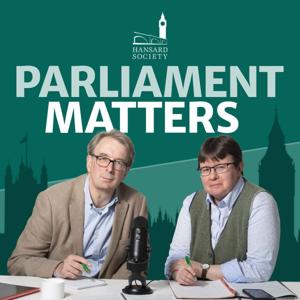

In this episode we continue our special series tracking the progress of the Terminally Ill Adults (End of Life) Bill, the Private Member’s Bill that would legalise assisted dying in England and Wales.
With Committee Stage in the House of Lords progressing slowly – and time in the parliamentary Session running out – we talk to Conservative Peer Lord Harper, a prominent opponent of the legislation and one of the Peers who has been heavily involved in the lengthy Committee debates.
Critics argue that the scale of amendments and extended scrutiny in the Lords amounts to a filibuster designed to run down the clock. Harper rejects that characterisation. He insists that Peers are fulfilling their constitutional role as a revising chamber by probing serious flaws in the Bill and raising concerns about safeguards for vulnerable and disabled people.
Harper argues that the Bill – unusually large and complex for a Private Member’s Bill – arrived in the Lords in poor shape after too many issues were left unresolved in the Commons. He contends that organisations ranging from medical royal colleges to disability groups believe the legislation lacks adequate protections.
In his view, the real problem lies with the legislative process itself: a measure with major implications for the NHS, the courts and devolved governance should have been introduced as a Government bill following full consultation and more detailed policy development before reaching Parliament.
Our conversation explores whether the Lords’ scrutiny amounts to legitimate legislative examination or procedural obstruction. Ruth and Mark press him on the fact the tactics used by opponents are in practice preventing the Lords from ever reaching the stage of making actual changes to the Bill. They explore the limits of the Private Member’s Bill process, and what might happen next – including the possibility that MPs could attempt to revive the legislation in a future Session and even use the Parliament Acts to force it through.
As the Bill’s prospects hang in the balance, the episode examines what this contentious debate reveals about Parliament’s procedures, political strategy, and the role of the House of Lords in scrutinising major social legislation.
_____
🎓 Learn more using our resources for the issues mentioned in this episode.
❓ Send us your questions about Parliament:
✅ Subscribe to our newsletter.
📱 Follow us across social media @HansardSociety / @hansardsociety.bsky.social
£ - Support the Hansard Society and this podcast by making a donation today.
Parliament Matters is a Hansard Society production supported by the Joseph Rowntree Charitable Trust.
Presenters: Mark D’Arcy and Ruth Fox
Producer: Richard Townsend
Hosted on Acast. See acast.com/privacy for more information.
 View all episodes
 By Hansard Society
In this episode we continue our special series tracking the progress of the Terminally Ill Adults (End of Life) Bill, the Private Member’s Bill that would legalise assisted dying in England and Wales.
With Committee Stage in the House of Lords progressing slowly – and time in the parliamentary Session running out – we talk to Conservative Peer Lord Harper, a prominent opponent of the legislation and one of the Peers who has been heavily involved in the lengthy Committee debates.
Critics argue that the scale of amendments and extended scrutiny in the Lords amounts to a filibuster designed to run down the clock. Harper rejects that characterisation. He insists that Peers are fulfilling their constitutional role as a revising chamber by probing serious flaws in the Bill and raising concerns about safeguards for vulnerable and disabled people.
Harper argues that the Bill – unusually large and complex for a Private Member’s Bill – arrived in the Lords in poor shape after too many issues were left unresolved in the Commons. He contends that organisations ranging from medical royal colleges to disability groups believe the legislation lacks adequate protections.
In his view, the real problem lies with the legislative process itself: a measure with major implications for the NHS, the courts and devolved governance should have been introduced as a Government bill following full consultation and more detailed policy development before reaching Parliament.
Our conversation explores whether the Lords’ scrutiny amounts to legitimate legislative examination or procedural obstruction. Ruth and Mark press him on the fact the tactics used by opponents are in practice preventing the Lords from ever reaching the stage of making actual changes to the Bill. They explore the limits of the Private Member’s Bill process, and what might happen next – including the possibility that MPs could attempt to revive the legislation in a future Session and even use the Parliament Acts to force it through.
As the Bill’s prospects hang in the balance, the episode examines what this contentious debate reveals about Parliament’s procedures, political strategy, and the role of the House of Lords in scrutinising major social legislation.
_____
🎓 Learn more using our resources for the issues mentioned in this episode.
❓ Send us your questions about Parliament:
✅ Subscribe to our newsletter.
📱 Follow us across social media @HansardSociety / @hansardsociety.bsky.social
£ - Support the Hansard Society and this podcast by making a donation today.
Parliament Matters is a Hansard Society production supported by the Joseph Rowntree Charitable Trust.
Presenters: Mark D’Arcy and Ruth Fox
Producer: Richard Townsend
Hosted on Acast. See acast.com/privacy for more information.

158 Listeners
140 Listeners

177 Listeners

114 Listeners

114 Listeners
684 Listeners

54 Listeners
21 Listeners

40 Listeners

3,336 Listeners
134 Listeners

26 Listeners

139 Listeners

42 Listeners

23 Listeners