
Sign up to save your podcasts
Or

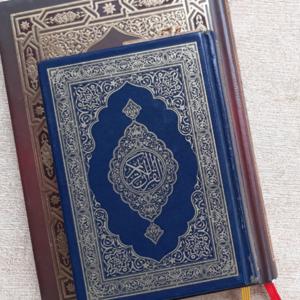


コーランの第1章は、アラビア語で "The Opening "またはアル・ファティーハとして知られ、世界中のイスラム教徒にとって非常に重要な意味を持つ。この章はクルアーン全体のエッセンスであると考えられており、ムスリムの祈りのすべての単位で暗唱される。
この章は7つの節から成り、クルアーン全体に見られるテーマと教えへの美しい導入部としての役割を果たす。この章は、万物の慈悲深く慈愛に満ちた創造主である神を賛美し、認めることから始まる。ムスリムは、神は力強いだけでなく、理解し寛容であると信じている。
「そして、真の導きは神からのみもたらされることを認識し、神に導きを求める。この章では、人生の難局を乗り切るために神の助けを求め、神の無限の知恵に頼ることの重要性を強調している。
この章では、ムスリムはまた、糧と導きを神に依存することを認め、神の支えなしには道に迷ってしまうことを認識する。彼らは、神が定めたまっすぐな道に従いたいと願う。
全体として、"The Opening "は、謙虚さ、神の導きへの信頼、神の主権を認めるというトーンになっている。イスラム教徒にとって、人生のあらゆる局面において、神に力を求め、神の慈悲を求めることを思い起こさせるものとなっている。
翻訳 Talal Itaniによる英語のコーラン www.clearquran.org.
The episode discusses how verses from the Quran appear to reference the sun eventually using up all its fuel and expiring in the future. It discusses scientific research showing that the sun generates heat through nuclear fusion, which can only last as long as it has hydrogen to fuse into helium. Eventually the sun will run out of hydrogen fuel and the nuclear reactions will stop, causing the sun to die. The episode cites sources like NASA and National Geographic documentaries discussing how the sun will grow hotter and expand as it ages, evaporating oceans and destroying life on Earth before collapsing into a white dwarf. It argues this shows remarkable knowledge about the sun's life cycle and expiry was revealed in the Quran over 1400 years ago.
Questions:
1. What is the Arabic term in the Quran that refers to the sun's appointed time or place?
2. What will the sun eventually turn into after exhausting its hydrogen fuel?
3. What will happen to Earth as the sun grows older and expands according to the sources cited?
Surat al-Baqarah, também conhecida como "A novilha", é o segundo capítulo do Alcorão. Esse capítulo consiste em 286 versículos e é o capítulo mais longo do Alcorão. Ele abrange uma ampla gama de tópicos e fornece orientação para os muçulmanos sobre vários aspectos da vida.
O capítulo começa com uma introdução que enfatiza a importância da crença em Deus e a orientação fornecida pelo Alcorão. Em seguida, ele se aprofunda em histórias da história islâmica, incluindo as de Adão e Eva, Moisés e Abraão. Essas histórias servem como lições para os crentes sobre fé, obediência aos mandamentos de Deus e as consequências da desobediência.
Outro tema significativo da Surat al-Baqarah é a importância de seguir os rituais e as leis religiosas. Ela descreve várias obrigações, como a oração, o jejum durante o Ramadã, a caridade e a realização do Hajj (peregrinação). O capítulo também aborda questões relacionadas ao consumo de alimentos, leis de casamento, transações financeiras e responsabilidades sociais.
A Surat al-Baqarah também enfatiza o conceito de unidade dentro das comunidades muçulmanas e desencoraja a divisão ou o sectarismo. Ela incentiva os crentes a trabalharem juntos por objetivos comuns, mantendo a justiça e a compaixão uns com os outros.
Além disso, esse capítulo adverte contra a arrogância e a teimosia em aceitar a orientação divina. Ele destaca exemplos de nações do passado que ignoraram as mensagens dos profetas, resultando em sua queda.
Em resumo, a Surat al-Baqarah (Capítulo 2 do Alcorão) serve como um guia abrangente para os muçulmanos, abordando vários aspectos da fé e assuntos da vida prática. Seus ensinamentos abrangem valores morais, obrigações religiosas, relatos históricos de gerações anteriores, além de enfatizar a unidade dentro das comunidades muçulmanas, alertando contra a arrogância ou a ignorância da orientação divina.
O primeiro capítulo do Alcorão, conhecido como "A Abertura" ou al-Fatihah em árabe, tem grande significado para os muçulmanos em todo o mundo. Ele é considerado a essência de todo o Alcorão e é recitado em todas as unidades da oração muçulmana.
O capítulo consiste em sete versículos e serve como uma bela introdução aos temas e ensinamentos encontrados em todo o Alcorão. Ele começa louvando e reconhecendo Deus, o Criador misericordioso e compassivo de todas as coisas. Os muçulmanos acreditam que Deus não é apenas poderoso, mas também compreensivo e perdoador.
Em seguida, "A Abertura" busca a orientação de Deus, reconhecendo que a verdadeira orientação só pode vir Dele. Ela destaca a importância de buscar Sua ajuda e confiar em Sua infinita sabedoria para enfrentar os desafios da vida.
Nesse capítulo, os muçulmanos também reconhecem sua dependência de Deus para sustento e orientação, reconhecendo que, sem o Seu apoio, estariam perdidos. Eles expressam seu desejo de seguir o caminho reto estabelecido por Ele.
De modo geral, "The Opening" estabelece um tom de humildade, confiança na orientação de Deus e reconhecimento de Sua soberania. Serve como um lembrete para que os muçulmanos se voltem para Ele em busca de força e busquem Sua misericórdia em todos os aspectos da vida.
Traduzido de: Alcorão em inglês por Talal Itani. www.clearquran.org
This episode talks about some verses from the Quran that refers to knowledge and attributes granted to Prophets David and Solomon (peace be upon them). It mentions that the terms used in those verses like "echoing" and describing iron as soft or malleable can be references to modern radar technology. It provides explanations about how radar works using reflection of electromagnetic waves, how soft iron is used to strengthen magnetic fields and how the Prophet Solomon (peace be upon him) controlling the winds could indicate controlling electromagnetic signals. It notes that the Quran remarkably described principles of advanced technology like radar centuries before their invention.
Questions:
1. What verses from the Quran are mentioned in the episode as referring to knowledge granted to Prophets David and Solomon (peace be upon them)?
2. What term used in one of the Quranic verses that refers to echoing is believed to be reminiscent of the operating principle of radar technology?
3. What property of iron mentioned in one of the verses and what does it indicate about iron's use in radar and satellite technology according to the context?
4. What is mentioned in the episode as reference to how the Prophet Solomon (peace be upon him) controlling the winds could indicate?
5. What does radar technology do according to the episode?
This episode talks about how verse 23-25 from Surah Maryam (chapter 19) in the Quran describes how Mary (peace be upon her) shook the palm tree during labor which facilitated her birth process. It discusses how modern medicine shows that squeezing or pulling on objects during labor helps the baby's movement through the birth canal by using the same muscles. It mentions how a U-shaped bar called a "squat bar" is used today during labor to help with squatting motions, keeping the mother immobile, and allowing for more room in the pelvis through expansion and contraction. The shaking of the palm tree branches by Mary (peace be upon her) similarly helped her birth process through this pulling and movement.
Questions:
1. What Surah and verses from the Quran are mentioned in the episode?
2. What object does modern medicine show can help facilitate labor when squeezed or pulled on?
3. What is the U-shaped bar used during labor called?
4. How did shaking the palm tree branches help Mary (peace be upon her) according to the episode?
Notes;
1. http://pregnancy.about.com/cs/laborbasics/a/squatting.htm
2. http://parenting.ivillage.com/pregnancy/plabor/0,,midwife_8swr,00.html?iv_arrivalSA=
1&iv_cobrandRef=0&iv_arrival_freq=1&pba=adid=16657989
In dieser Folge werden einige Schlüsseleigenschaften Gottes anhand von Versen aus dem Koran erörtert. Es wird erklärt, dass Gott das Universum und alles darin, einschließlich der Menschen, erschaffen hat. Er ist der Erste und wird der Letzte sein. Das Universum entstand aus einer Explosion eines winzigen Punktes vor Milliarden von Jahren, was Gottes unendliche Macht zeigt. Gott versorgt die Menschen mit verschiedenen Segnungen wie Nahrung, Wasser, Luft usw. Er weiß alles, was offen oder heimlich geschieht. Gott vergibt den Menschen, wenn sie für ihre Fehler Buße tun. Er heilt Menschen, wenn sie krank sind, wenn er es will.
Fragen:
Wer hat die Menschen und alles andere im Universum erschaffen?
Wie ist das Universum nach den Erkenntnissen der modernen Wissenschaft entstanden?
Welche Segnungen erwähnt Gott für die Menschen?
Wie viel Wissen hat Gott?
Was sollten Menschen tun, wenn sie Fehler machen?
Este episodio analiza algunos atributos clave de Dios basándose en versículos del Corán. Explica que Dios creó el universo y todo lo que hay en él, incluidos los seres humanos. Él es el Primero y será el Último. Dios proporciona a los seres humanos diversas bendiciones, como alimentos, agua, aire, etc. Sabe todo lo que ocurre, abierta o secretamente. Dios perdona a los seres humanos cuando se arrepienten de sus errores. Si Él quiere, cura a las personas cuando están enfermas.
Preguntas:
Este episodio discute algunos principios básicos del Islam basados en información del Corán y las enseñanzas del Profeta Muhammad (que Dios le bendiga y le conceda paz). Enfatiza que la mejor manera de entender el Islam es aprendiendo directamente del Corán y de los hadices auténticos. El Corán se considera la palabra final e inmutable de Dios, en contraste con las escrituras anteriores que fueron distorsionadas con el tiempo. Los musulmanes deben entender y aplicar el Corán junto con la Sunnah (tradiciones) del Profeta (que Dios le bendiga y le conceda paz). La vida del Profeta (que Dios le bendiga y le conceda paz) es un ejemplo para los musulmanes en la práctica de la sabiduría y la rectitud.
Preguntas:
1. 1. ¿Cuáles son las principales fuentes para comprender el Islam?
2. Qué cualidades del Corán menciona que lo hacen diferente de las escrituras anteriores?
3. Cuál es la relación entre entender el Corán y seguir la Sunnah?
4. Sobre qué aspectos de la fe y las formas de vida ofrece orientación el Corán?
5. Según un hadiz del Profeta Muhammad (que Dios le bendiga y le conceda paz), ¿cuál se considera la mejor forma de hablar o de discurso?
This episode discusses the solidity of atoms and electron orbits mentioned in the Quran. It notes that very strong structures exist even in nuclear weapons and nuclear fission/fusion processes. It suggests that the Quranic verse refers to the strength of atoms that cannot be broken, as well as the cloud-like motion of electrons orbiting the atomic nucleus, similar to how clouds move.
Questions:
1. What are some examples given in the episode of very solid structures found?
2. What are the two processes mentioned for splitting and combining atoms?
3. What is the verse from the Quran being referred to?
4. How is the motion of electrons in atoms described?
5. What is the proposed interpretation of the phrase "to everything its solidity" in the verse?
Notes:
1 Henrik Stapelfeldt, "Electrons Frozen in Motion", Nature, 16 December 2004, Vol. 432, pp. 809-810; Adrian Cho, "Whispering Atoms", New Scientist, 16 September 2000, Vol. 2256, p. 15; Albert Stolow, David M. Jonas, "Multidimensional Snapshots of Chemical Dynamics", Science, 10 September 2004, Vol 305, no. 5690, pp. 1575-1577.
2 http://en.wikipedia.org/wiki/Electron_cloud
From the publisher's feed
481 Listeners
0 Listeners
3 Listeners
0 Listeners

11 Listeners
25 Listeners