
Sign up to save your podcasts
Or

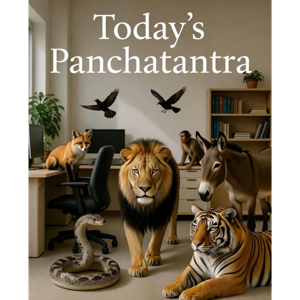


Panchatantra stories are timeless. Written nearly 3,000 years ago, they are not merely children’s tales; they are practical lessons in human behavior, strategy, and wisdom. Across centuries, these fables have taught valuable principles about decision-making, foresight, and problem-solving.
Today, we explore a story that demonstrates the power of intelligence over brute force. In a world that often celebrates strength, this tale reminds us that cleverness and strategy can triumph over raw power.
Overreaching for easy gains can blind one to risks and consequences, and lies and manipulative behavior may offer short-term advantage but often lead to ultimate failure. Trust should be earned, not given hastily—especially in times of vulnerability. But awareness and critical thinking can neutralize threats, even those that seem powerful.
Panchatantra stories are not merely entertaining tales for children; they are timeless guides that provide insight into human nature, decision-making, and strategy. Written almost 3,000 years ago, these fables remain highly relevant because they continue to teach principles that apply to personal life, professional environments, and social interactions.
Whether it’s a colleague, a new boss, a client, or an acquaintance, blind trust without understanding can cost you opportunities, resources, or even your “shelter”—just like the fox losing the hermit’s ashram. By following the age-old Panchatantra wisdom—“see first, trust slowly”—we safeguard not only our professional standing but also personal peace and security.
So, whether a hermit in the forest or a professional in the corporate world, remember: caution, observation, and measured trust are your best allies.
Lessons in Clever Thinking and Problem-Solving
Panchatantra stories are much more than simple tales for children—they are timeless repositories of wisdom for anyone navigating life’s challenges. Written nearly 3,000 years ago, these stories continue to hold relevance because they illuminate human behavior, decision-making, and strategy in ways that remain practical even today.
A story that teaches how thoughtful and strategic thinking can help overcome even the most powerful adversaries.
One such story is The Monkey and the Wedge. On the surface, it seems like a playful tale of a monkey’s mischief. But when viewed through the lens of corporate culture and personal relationships, it offers strikingly relevant insights for our times.
One such story is The Jackal and the Drum. It addresses one of humanity’s oldest emotions—fear of the unknown. Fear is often invisible, irrational, and yet powerful enough to paralyze action and keep us from achieving our true potential. This tale shines a light on how courage and curiosity can transform fear into opportunity.
From the publisher's feed
Avadhanam is more than a podcast—it is an evolving space of mindful attention, inspired by the classical Indian art of Avadhanam, where the mind engages with multiple…
Staying true to its literal essence—focus, intellect, and multi-dimensional thinking—this channel brings together a wide spectrum of ideas, narratives, and reflections across life, society, and storytelling.
From the wisdom-driven narratives of “Today’s Panchatantra”, to thought-provoking explorations like “Directors Who Direct Us”, and many more upcoming series, Avadhanam is designed as a confluence of perspectives:
Each episode is an attempt to observe the world with attention, curiosity, and a touch of wit—staying rooted in tradition while engaging with modern realities.
Much like the art it draws inspiration from, Avadhanam invites you to listen, reflect, question, and connect the dots across diverse themes, because life, like Avadhanam, is not about one thread, but the harmony of many.