
Sign up to save your podcasts
Or

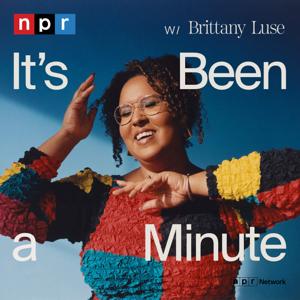
By NPR


4.7
89788,978 ratings


The podcast currently has 1,107 episodes available.
The most played episodes among Podcast App listeners.
Does everyone need their own lawnmower? For a lot of people, living with your spouse and kids in a standalone house with a white picket fence is, more or less, the American dream. But people aren’t as likely to get married and have kids as they used to – and buying a house is more unattainable than ever. But even for those who don't share this particular American dream, alternatives -- like living alone or with roommates you don't really talk to -- can sometimes feel alienating, or like a last resort. But the proponents of communal living say things can be different. Communal living can look like co-living – where people choose to live with others in one house or building – or co-housing – which is a community built around a group of houses. They are intentional communities where people build shared lives together – and they don't have to be blood-related or romantically involved. All Things Considered producer Jordan-Marie Smith wanted to know – what might be driving people to live communally? And can communal living be seen as a viable, first choice adult living situation? Jordan-Marie shares her reporting with Brittany on what she found out. For more episodes on culture and how we build our lives, check out: To be or not to be a parent The safety and power of knowing your neighbors How to survive a millennial midlife crisis Support public media with NPR+ and enjoy perks for over 25 podcasts like this one. This show’s perks include sponsor-free listening. Learn more at plus.npr.org. See pcm.adswizz.com for information about our collection and use of personal data for sponsorship and to manage your podcast sponsorship preferences. NPR Privacy Policy

Has there been a decline in "masculine" men? Some women on Tiktok seem to believe so. The phrase, "Who's gonna be the boys?" has been used online to refer to all the mundane things men are doing that could be described as feminine: wearing earrings, having a skin care routine, and even eating a banana, to name a few. But what does this online question about the alleged absence of masculine men say about our society’s expectations of men? And how might these expectations be causing problems for us all? To explore these questions, Brittany talks with Shar Jossell, entertainment journalist and culture critic, and George M. Johnson, author of All Boys Aren't Blue and the upcoming memoir, And If I Die Before I Wake. Looking for more conversations about gender and pop culture? Check out these episodes: The truth about men on the 'down low' Testosterone doesn't equal masculinity. Support public media with NPR+ and enjoy perks for over 25 podcasts like this one. This show’s perks include sponsor-free listening. Learn more at plus.npr.org. See pcm.adswizz.com for information about our collection and use of personal data for sponsorship and to manage your podcast sponsorship preferences. NPR Privacy Policy
What would it look like to have all of your needs met? That’s the question filmmaker Shatara Michelle Ford’s asks in their film, Dreams in Nightmares. As three Black queer friends take to the road to search for the fourth member of their group, they navigate the ups and downs of love, identity, and what it means to truly feel seen. Shatara joins the show to break down how Dreams in Nightmares went from an idea about the Wim Wenders film Paris, Texas to a journey of self-discovery. Support public media with NPR+ and enjoy perks for over 25 podcasts like this one. This show’s perks include sponsor-free listening. Learn more at plus.npr.org. See pcm.adswizz.com for information about our collection and use of personal data for sponsorship and to manage your podcast sponsorship preferences. NPR Privacy Policy
Is the fantasy of football worth the potential price? That's what football athletes, fans and doctors are asking after a new study published in late August revealed that from a sample of athletes who played at least one NFL game in their careers and who died between 2016 and 2021, a minimum of around 25% -- that's one in every four of those players -- had a brain condition called CTE upon their death. But what do these findings really mean for one of the world's most lucrative sports leagues, and how might our cultural ideas about football be creating blind spots for us when we consider the risks of the game? To find out Brittany is joined by Gene Demby, co-host of NPR’s Code Switch, and LZ Granderson, host of the LZ Granderson Show podcast, and op-ed columnist at the LA Times. Want more episodes at the intersection of labor, entertainment, and pop culture? Check these out: Has Broadway lost its way? People are struggling financially. Even on TV. Support public media with NPR+ and enjoy perks for over 25 podcasts like this one. This show’s perks include sponsor-free listening. Learn more at plus.npr.org. If you or someone you know may be considering suicide, contact the 988 Suicide & Crisis Lifeline by dialing 9-8-8, or the Crisis Text Line by texting HOME to 741741. See pcm.adswizz.com for information about our collection and use of personal data for sponsorship and to manage your podcast sponsorship preferences. NPR Privacy Policy
You are what you wear… or are you? In her new podcast, Philosophy Club, host Avery Trufelman -- who also hosts the fashion podcast Articles of Interest -- tries to answer that question and more by getting back to basics. Each week, she and her co-host, Derek Guy -- fashion critic who many know as "The Menswear Guy" -- read philosophers, theorists, and writers who have built the foundation for our modern-day discourse about fashion, consumption, and more. Avery joins the show to define what fashion philosophy is and how it impacts the way we present ourselves in everyday life. Support public media with NPR+ and enjoy perks for over 25 podcasts like this one. This show’s perks include sponsor-free listening. Learn more at plus.npr.org. See pcm.adswizz.com for information about our collection and use of personal data for sponsorship and to manage your podcast sponsorship preferences. NPR Privacy Policy
The podcast currently has 1,107 episodes available.

90,968 Listeners

38,165 Listeners
25,832 Listeners
11,568 Listeners
14,655 Listeners
4,725 Listeners

111,913 Listeners

56,480 Listeners
16,379 Listeners
4,771 Listeners
6,600 Listeners
6,379 Listeners
1,779 Listeners
1,012 Listeners
654 Listeners