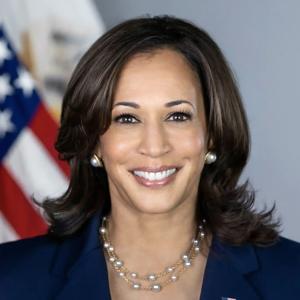
Vice President Kamala Harris recently faced significant criticism following the release of raw footage from a "60 Minutes" interview by CBS, which Sky News Australia characterized as exposing her perceived incompetence. The criticism shines a spotlight on the challenges she faces while handling high-profile issues and reflects the complex public and media environment that American political figures navigate.
In the interview, Harris was questioned about a variety of pressing topics, including her stance on immigration and her approach to key domestic policies. Critics argue that her responses lacked depth and displayed an unsteady grasp of critical issues, fueling debate about her effectiveness as a leader. Such scrutiny is not new, especially for Harris, whose tenure as Vice President has often been in the public and media crosshairs.
This episode is emblematic of the broader challenges faced by the current administration amid a polarized political climate. Harris, the first female, first Black, and first Asian-American Vice President, came into office with significant public expectations and the challenge of breaking multiple glass ceilings. While her historic position promises change and progress, it also subjects her to intense evaluation, especially from those who may be skeptical of her qualifications or political stances.
Media portrayals play a crucial role in shaping public opinion, and incidents like the release of the "60 Minutes" footage highlight the power of selective editing and narrative framing in influencing political discourse. The clip has garnered millions of views, indicating a high level of public interest and scrutiny—a double-edged sword for modern politicians, amplifying their message while also exposing them to criticism.
Amid prevailing criticism, Vice President Harris's supporters argue that she continues to be a trailblazer, contributing to the administration's policies on healthcare, climate change, and social justice. Her role as a key figure in the Democratic Party underscores her influence and continuing potential to shape future political landscapes, despite moments of controversy.
This narrative is relevant in the broader context of how political figures are evaluated not just on policy outcomes, but also on their ability to communicate effectively and resonate with both supporters and critics alike. In today’s hyper-connected world, every statement, pause, and response is dissected and debated, often within minutes on social media platforms.
Moving forward, Harris's ability to navigate these challenges and convey her policy vision clearly will be central to her political legacy. As public attention remains fixed on her actions and words, the Vice President's every move will be instrumental in defining her role within the administration and her broader impact on American politics.
As the political landscape evolves, the scrutiny faced by leaders like Harris exemplifies not only the challenges of modern g
This content was created in partnership and with the help of Artificial Intelligence AI.