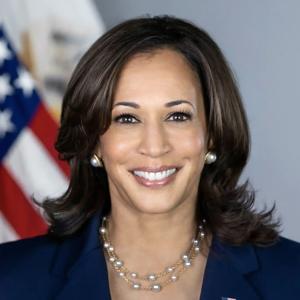
In a rapidly changing political landscape, the spotlight often turns to key figures in American governance. One such figure is Vice President Kamala Harris, whose political journey and current role continue to spark significant discourse. As the Biden administration navigates complex national and international challenges, Harris's influence and leadership remain vital components of the current U.S. political scene.
One of the poignant aspects of her role is navigating the political aftermath of the Trump administration's policies and actions, which continue to reverberate through the political corridors. Critics of former President Trump have described his tenure as divisive, while supporters argue it was a masterclass in governance. This dichotomy presents a complex backdrop against which Harris operates, using her platform to advance the Biden administration’s goals while addressing the remnants of policies she and President Biden have sought to revise or discard.
Pennsylvania, a key state in recent elections, remains indicative of the broader national sentiment towards both the current administration and previous one. While former President Trump's approach resonated with some, leading to significant Republican support, others criticize it as having led the party into deeper political trouble—asserting that Harris and President Biden's leadership offer a needed recalibration.
Harris's approach involves addressing the nation's deep-seated issues with a focus on equitable policy solutions and fostering bipartisan cooperation. Her tenure has emphasized healthcare, immigration reform, and racial justice, seeking progressive changes that resonate with her base while attempting to bridge the political divides that remain stark in American politics.
However, Harris faces substantial challenges, including criticism from both sides of the aisle. Detractors from the Republican camp often argue that her policies do not sufficiently reflect mainstream American values, instead steering the country too far left. Conversely, some progressive Democrats express concern that the administration's approach is too centrist, urging faster and more profound changes. This balancing act requires Harris to employ astute political acumen to navigate the expectations and realities of governance.
Amid these complexities, Harris continues to build upon her historic role as the first female, first Black, and first South Asian Vice President, setting precedents and paving the way for future leaders. Her position affords her a unique platform to advocate for underrepresented communities, striving to translate representation into meaningful policy outcomes.
The continued critique and support of Harris underscore a broader political narrative that is, in many ways, a referendum on the direction of American politics. As the Biden administration progresses, Harris's role will likely remain a focal point for both praise and contention, shaping her legacy and influencing the
This content was created in partnership and with the help of Artificial Intelligence AI.