
Sign up to save your podcasts
Or

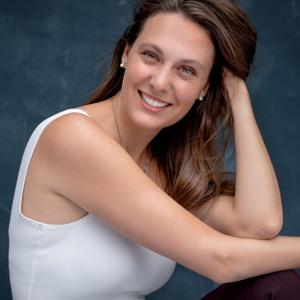


Dr. P. Williams
Patty Williams is a Professor at Mount Saint Vincent University, Director at Food Action Research Centre, for food security and policy change. Dr. Patty Williams is one of the most brilliant humans. Do not be fooled by her easy way of speaking as she knows her stuff! It is one of my favourite things about her. There is a resiliency to how she sees people and completes her work. She speaks to how her clinical experience as a dietitian has shaped her research to include people affected at the table, is a champion for the leading edge of food security work. Plus she is a delight, and very intelligent. She even helped to create a board game!
See more at the blog www.letstastecanada.ca/podcast and the blog dedicated to her (please note there is a delay on the blog) - plus Happy St Patty's Day!
Kim speaks positively about her experience breaking barriers of being a woman and the limits of being able to go on a boat – tune in to hear all about how many boats she has!
See site and look for blog at letstastecanada.ca for more comments!
Listening in to this podcast it was fascinating as someone who I have spoken to quite a bit over the years there was still so much to learn from her as she shared her life story.
To anyone who knew Liz - she mentions living with serious illness in the podcast and she is no longer with us. I want to specifically honour any grief this may bring for someone - and - my hope is it truly brings as Liz always wishes for so many - joy.
Join the conversation of hearing about all of the influences of her life including her family experiences with food. Her role as a dietitian was one she was very proud of, and she speaks to living off the land, policies to support farmland, the importance of food, wanting to take food seriously and also her thoughts on hospital food and the value of eating well.
Although not mentioned in the podcast, she was very creative in how to present the facts - but also equally as much an advocate to being critical of reviewing journals and articles and encouraged professionals to meet to discuss journals especially their methods to determine whether the results were deemed appropriate to consider in practice. Recognizing the rigour of a journal is important when looking at health claims cited in traditional media - is the rigour of the journal adequate? Many health professionals without diving into the evidence tend to pause.
Part of Liz's personal experiences as a caregiver and her thoughts on various family member's preference regarding food and how it is different than what she may choose for them. She makes the distinction between her grandfather, father and her son’s relationship to food including the difference between the physiology of food, and emotional attachment and enjoyment. Personal experiences also supported her role as a dietitian.
---
A few quotes:
"I think we do an extraordinary job with the amount of money we are given [hospital food]."
"… best practice is very clearly delineated people should have access to food 24/7... just like people have access to medication…"
"They got 19 countries to agree on something – yup malnutrition is a problem – and here are some of the ways we need to attend to it…"
"...they are instructed on how to eat a knife and fork properly.. and they are taught at a very young age this is what good food is."
“we are the holder of knowledge, you are the recipient, instead of here is the knowledge, let’s experience it together and see what’s meaningful for you, viable, what you can live with – very different.”
“nothing is more important than eating - you can live without a car – but you will die without eating – dietitians are unique as you are helping people live, survive, thrive, right – it’s a huge privilege.”
“my grandfather said everything that you are putting in your mouth I have either raised or grown… and that was so powerful… just the look of pride he had on his face… I’ve done this… I am feeding my family…"
“he would pay them in food…"
“many of the old cultures… you really are nurtured through food… if you are having a hard day your family member will make you something special… it’s just embedded in our culture…”
“when you offered food… you are offering time and space… so they can speak their troubles, speak their joys.”
“One of my accomplishments is the letting go of being a dietitian with my mom… to just allow her experience her own quality of life… I offer… and then she picks what she wants… but it is her right to choose her own enjoyment.”
Dr. Cath Morley is at Acadia University, NS and has lived all over the country. With significant hands on life career experience which comes across in the interview with multiple different aspects of dietetics and nutrition. Learn more about how a varied and diverse background - can support an inclusive experience - see site here for bio - including a focus in discussing caregiver needs as part of current professional practice. Listen in to an intelligent and articulate interview.
Experience includes having worked closely with cancer patients and how their relationship with food changes. The role of the dietitian includes what Cath now likes to call - nutrition rehabilitation.
Learn all about inexpensive food aspects, big treat growing up, clinical dietitian experience and personal experiences of food. This podcast also speaks to experience as a person regarding hoping for shared responsibility of food making at home, and shares stories about friendly neighbours, and road trips. And even a few extra comments on cookbooks! It is a very fun podcast.
If you want to hear more about Cath on her bio site - there are also audio-videos about dietetic practice with another colleague. It is meant for dietitians/health professionals however does have comments on the client-health professional dynamic, the change many have to have a reaction to the term compliance, and how it is important to work WITH clients, their lived experience of their life - to accomplish their goals.
Valerie speaks about food access as a Professor and focusing on facts, and data with infographics from her communication via PROOF. She is well spoken - but also is direct about complex topics. Be ready to hear about food, cost, pricing, and the challenging decisions people make when it is hard to acquire food.
-----
“Food… is not something everyone has access to in ways that they should… it is a playground right now for a lot of special interests to play out… so I see it very much as a political thing.”
“she got a payment for something… she talked about going and buying a chicken… roasting it for her and her daughter, and she said how good it felt to roast a chicken finally… when you hear that story your heart just breaks.”
Paul Taylor who is currently a lecturer at Simon Fraser University. The interview was during his time at FoodShare Toronto. His profile is significant including having chaired the development of BC's Poverty Reduction Strategy - which he actually mentions in the podcast as needing to be done, demonstrating his interest in action.
See more on letstastecanada.ca for Paul's blog and quotes!
Chad has a considerate tone - a way of speaking of how to bring everyone to the same table celebrating incredible food - he speaks about how global food improves access for everyone, and also the importance of local farmers who work hard - plus the feelings of celebrating together.
At the time, he was working with an Indigenous community creatively to improve.
Take a listen to someone who has done a lot of listening.
Happy Tasting!
Check out Letstastecanada.ca/podcast - for all of the latest ones
Check out Letstastecanada.ca - each interview and podcast has its own blogpost with my favourite quotes!
Hope you enjoy! and Happy Tasting!
Irena
-----------
An incredible server/bartender can make such a difference along with impeccable food to create an impeccable dining experience
https://www.studioeastfood.ca/
--
Studio East was interviewed with original owners Saronn and Ray share how they love to travel and the many places they have lived including, the importance of food and eating together so that family memories of food naturally come up in conversation and how they have their own shared experience about food.
Saronn's super high energy and sweet personality comes out and Ray's thoughtful sharings showcase their different strengths. Saronn brings her unique perspective of food having been born outside of the country enjoying celebrating Canadian food. Ray's experience in the industry helped when discussing speed. They both have spoken about enjoying cooking from scratch, work-life balance, sustainability of not only the land but also the restaurant industry, appreciating working closely with local farmers and farmer's markets as well as naming the challenges. They speak about the whole food system of food grown to making the food in the kitchen as well as financial side.
If you are interested in a very sweet valuable conversation.
My hope is this episode will inspire you to think how you eat, how many different people eat and stay curious (not judgemental) as we all learn together - I really invite you to listen to very educated conversation about enjoying food and the practical challenges in a really positive lens - as if at a table or in the backyard together.
This episode strengthens the experience of how Canadian food can be adventurous - cooking with varied ingredients but prioritizing local. In fact, it was one of the times that I mentioned 'so far' experience - "One is that each region has its own food and also that the commonality is that it's too diverse to name."
---
Here are a few quotes - although there are many many which are great:
"I had seen him work, it’s crazy hours,, we’ll move into the woods."
"We try to do to we have to train them by flavour, the natural product – as any product we use will never be exactly the same, so we say ‘taste this, taste this’ but if you show them a recipe it will never be consistent because mother nature is never exactly the same."
"Food is so important in our culture, you eat together – there’s nothing else more important than putting food on the table and eating as a family."
"We want to serve local product, but there seems to be a lot of reasons why things can’t be done… it’s very educational for us. Our guests have come to us and they are ready for this stuff, but at the same time you have farmers and local producers continuing to decline in Nova Scotia - that’s a big concern"
"Guests are ready for it, it's an exciting time in Nova Scotia"
"future generations, what are we going to leave for them when we're gone, right?" ... work on the business and still be able to impact change.. we need to connect not in a formal way but we're talking about like having a bonfire and just celebrating the feast of the season, you know, having a pig roast in the middle of nowhere."
"What’s sustainable for us to serve in our restaurant. Can we get the product, can we get the local product and if we can’t then it’s probably not going on the menu… if it’s really not available for us... you ask a small farmer will you grow this for us, but you know it’s like .. how much do you need and is it worth their time"
"Let's keep growing what we are good at growing... At the same time, how do we make all these ethnic vegetables, ethnic food?... it's now consumed a lot."
"I don't have time to eat... I am constantly tasting stuff... recently we implemented that into our routine."
"things will drop.. it's ok just pick it back up."
"Canada, think of apple pie, pumpkin pie, if you look at Nova Scotia, you think about seafood chowder, if you go to Ontario, it could be a number of things."
*The concepts are true to interviewees perspectives at the time of the interviewee and have not been fact checked.*
Check out the website:
Check out the blog for the quotes:
- I was always kind of taking risks. I remember I asked my mom to buy seafood to make, I wanted to make chowder.
And, you know, for me, she kind of, it was one of those iconic PEI food products.
We're a dairy rich province here in Canada, in Prince Edward Island specifically, some of the highest, you really good milk for making cheese. It's fermented, is something, you know, that bacterial fermentation is what we're missing these days in our kind of our gut system.
---
Cookbook: flavours of Prince Edward Island - a culinary journey
https://www.indigo.ca/en-ca/flavours-of-prince-edward-island/9781770503854.html
From the publisher's feed
Let’s Taste Canada is a tasty food adventure. We are travelling around to explore, celebrate, laugh, and learn about food.
Please make yourself at home as if you’ve just come over for dinner, or having a chat in the backyard – I’d love to introduce you to everyone.
Let's be curious about - what is our relationship to food?