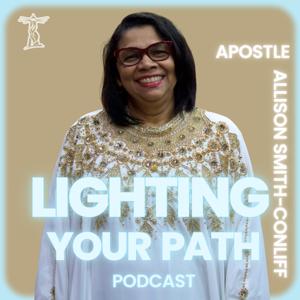
Apostle Allison Smith Conliff delivers a powerful message focused on the biblical book of Ephesians. The teaching emphasizes that true spiritual authority comes solely from a divine calling rather than self-appointed titles or worldly credentials. Apostle Conliff challenges the congregation to maintain holiness and discipline, reminding believers that they were predestined for adoption into God’s kingdom before the world began. The discourse encourages followers to act as faithful disciples by avoiding the distractions of gossip, sexual immorality, and material greed. Ultimately, the message highlights that redemption through Jesus Christ provides a spiritual immunity against sin, urging the church to reflect God's character in every aspect of life.
Key Points:
Recognizing that you are called by the will of God, not by man, establishes that your identity is tied to a higher purpose. This understanding requires a "set apart" life, where you no longer fashion yourself after "former lusts" but after the holiness of God. When you realize you are predestined, you move from following your own desires to becoming a disciple who expresses God's character rather than the kingdom of darkness.
Holiness is not a performance for "Sunday morning only". Because your identity in Christ is a permanent "seal" from the Holy Spirit, your pursuit of holiness must be maintained in private moments, such as when you are lying in bed or choosing what to watch on Netflix. You are encouraged to stay within the "perimeter of faith,"ensuring your daily entertainment and thoughts align with the Word.
Understanding your identity as an adopted child of the King brings a specific set of "perks and benefits," but also demands a high level of discipline. Just as royalty is trained in specific styles and manners to maintain the efficiency of a kingdom, believers are expected to follow the "holy instructions" in the Bible, referred to as the "manual", to express the character of their Father. This adoption means you no longer "play" with the rules of the kingdom but live a life that commands respect through order.
Sin is a virus that has swept through the earth, but through Jesus, believers have built an "immunity". When you understand your identity as one who has received the "forgiveness of sins" through the blood of Christ, sin loses its dominion over you. This perspective transforms your daily pursuit from a struggle against sin into a walk in the victory and immunity already provided by the finished work on the cross.
A believer who does not understand their identity and fails to "feed" on the Word is described as a "scrunting" or "poor" believer, someone who may have accepted Jesus but lacks the power to pray for themselves or others. By contrast, embracing your predestined identity leads to a "rich life" filled with the love, mercy, and power of God. This transformation encourages daily "clocking in" with Jesus through prayer and worship to ensure your life reflects the "character of Christ" rather than a sour or ineffective disposition.
Finally, understanding that you were chosen to be "holy and without blame" means that righteousness must be maintained at all costs. This involves:
- Refusing to revert: Once a shift toward God occurs, you must not go back to old lifestyles, as this limits what God can do through you.
- Forgiveness: You must "release forgiveness to receive forgiveness," as keeping a holy stance requires letting go of gossip and offenses.
- Standard for Living: If you do not have a standard based on God’s Word, others will set a standard for you; therefore, you must maintain your "righteous stance" behind closed doors just as much as in public.
Rec. Date: 21st April, 2024