
Sign up to save your podcasts
Or

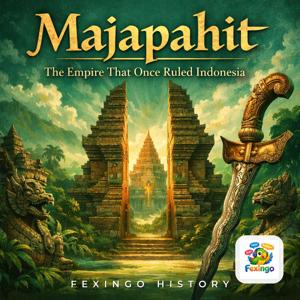


While earlier episodes explored Majapahit’s spice monopolies and naval might, this episode uncovers the empire’s less visible but equally vital engine of power: the textile trade. We trace how Majapahit became the primary supplier of finished cloth to Southeast Asia, exporting intricate ikat and songket fabrics from Central Java to ports as far away as Malacca and Champa. Lucas and Luna examine the economic hierarchy that placed weavers at the center of state revenue, the role of the dyers’ guilds in Trowulan, and how these textiles served as diplomatic currency for rulers across Nusantara. We also look at the archaeological evidence of loom weights found in domestic contexts versus state workshops, revealing a dual economy of household production and imperial manufacturing. By understanding the flow of silk and cotton, we see how Majapahit maintained soft power through cultural prestige rather than just military force, creating a network of dependency that held the archipelago together long after its political centers began to fracture.
#Majapahit #TextileHistory #NusantaraTrade #IkatFabric #SongketWeaving #Trowulan #CentralJava #IndianOceanTrade #DyadisticEconomy #LoomWeights #HayamWuruk #GajahMada #MalaccaStrait #ChampaKingdom #SoutheastAsiaHistory #IndonesianEmpire #CraftGuilds #FexingoHistory
Keep every episode free: buymeacoffee.com/fexingo
While earlier episodes have explored the diplomatic webs and agricultural bases of the Majapahit Empire, this episode turns its gaze to the water. We examine the technological marvel that allowed Java to dominate the archipelago: the jong, a massive trading vessel capable of carrying hundreds of tons of cargo across monsoon winds. Lucas traces the evolution of these ships from local river craft to ocean-going leviathans, detailing how their design facilitated the movement of spices, rice, and troops. Luna joins him to discuss the practical challenges of maritime navigation in Southeast Asia and how the jong’s capacity for deep-water travel fundamentally shifted the balance of power away from continental empires toward island-based thalassocracies. Together, they explore the ingenuity of Majapahit shipwrights and the critical role of ports like Tuban and Gresik in sustaining this naval hegemony.
#Majapahit #IndonesianHistory #JongShip #MaritimeSoutheastAsia #NavalHistory #Thalassocracy #Trowulan #BrantasRiver #MonsoonTrade #Shipbuilding #TubanPort #GresikHarbor #HayamWuruk #GajahMada #Nusantara #AncientTechnology #FexingoHistory #History
Keep every episode free: buymeacoffee.com/fexingo
While previous episodes explored the grandeur of Hayam Wuruk’s reign and the administrative machinery of Trowulan, Episode 256 examines the empire’s final, chaotic twilight. We trace the devastating Paregreg War, a civil conflict that tore the Majapahit court apart in the early 15th century. The story begins with Wikramawardhana, who inherited a fractured realm after his father’s death, and follows the rise of Bhre Wirabhumi, the half-brother who challenged him for control of the capital. Through the lens of the Pararaton chronicle, we reconstruct the brutal siege of Trowulan, the betrayal of key nobles, and the eventual flight of the royal family to the east. This episode reveals how internal dynastic strife, rather than external invasion or plague, delivered the fatal blow to Southeast Asia’s largest Hindu-Buddhist empire, leaving behind a power vacuum that would eventually be filled by the rising Islamic sultanates.
#Majapahit #ParegregWar #Wikramawardhana #BhreWirabhumi #Trowulan #Pararaton #HayamWuruk #GajahMada #Nusantara #BrantasRiver #JavaneseHistory #SoutheastAsiaHistory #CivilWar #DynasticConflict #HinduBuddhist #IndonesianEmpire #15thCentury #FexingoHistory
Keep every episode free: buymeacoffee.com/fexingo
We leave the temples and trade routes behind to explore the Trowulan pleasure gardens, the royal parks where Majapahit’s elite relaxed, hunted, and displayed their power. Through the eyes of Mpu Tantular and the descriptions in the Sutasoma, we uncover how these landscaped spaces were not just for leisure but crucial stages for political theater and spiritual symbolism. We look at the specific flora—like the sacred lotus and teak—and the architectural marvels like the Candi Tikus bathing complex that fed into these gardens. This episode examines how the control of nature itself was a key metric of Majapahit’s imperial might, revealing a side of the empire dedicated to beauty, hierarchy, and the careful curation of the landscape.
#Majapahit #Trowulan #Sutasoma #MpuTantular #RoyalGardens #CandiTikus #JavaneseHistory #SoutheastAsia #HinduBuddhist #ImperialPower #LandscapeArchitecture #AncientIndonesia #PalaceLife #SpaandBathing #LotusSymbolism #TeakForests #FexingoHistory #HistoryPodcast
Keep every episode free: buymeacoffee.com/fexingo
While Majapahit is often remembered for its grand temples and diplomatic finesse, its maritime dominance was also enforced by a brutal, shadowy force. This episode explores the role of the sea wolves who patrolled the archipelago’s waters, operating with semi-official sanction to crush rivals and secure trade routes. We look at the complex relationship between the Javanese court and these maritime enforcers, examining how fear and loyalty intertwined to maintain control over the spice trade. From the rocky coasts of Bali to the bustling ports of Sumatra, we uncover the stories of those who lived outside the law but served the empire’s interests. Through archival accounts and archaeological hints, we piece together the life of a pirate captain who became an admiral, and the delicate balance of power that kept the Nusantara united under Majapahit’s banner.
#Majapahit #IndonesianHistory #SoutheastAsiaHistory #PiracyInHistory #NusantaraEmpire #Trowulan #GajahMada #HayamWuruk #MaritimeTrade #SpiceIslands #JavaHistory #BaliHistory #SumatraHistory #PreColonialIndonesia #IndianOceanTrade #MajapahitNavy #HistoricalPirates #FexingoHistory
Keep every episode free: buymeacoffee.com/fexingo
While earlier episodes have explored Majapahit’s military campaigns, trade networks, and religious syncretism, this episode turns its gaze to the physical architecture of power within the capital city of Trowulan. We examine how the empire’s elite used spatial design, palatial complexes, and monumental gateways not just for residence, but as tools of political control and cosmological alignment. Lucas walks through the archaeological evidence of the inner citadel, discussing the layout of royal residences versus administrative zones, and how these structures reinforced the hierarchy between the king, the nobility, and the commoners. Luna asks probing questions about what these stone layouts reveal about daily life and court intrigue. Together, they unpack the significance of specific sites like Candi Tikus and the reconstructed palace foundations, offering a fresh perspective on how Majapahit physically manifested its authority in Southeast Asia.
#Majapahit #Trowulan #SoutheastAsiaHistory #Archaeology #IndonesianHistory #RoyalArchitecture #PalaceDesign #HistoricalUrbanism #CandiTikus #HayamWuruk #GajahMada #SpatialPower #StoneGateways #CourtLife #MedievalJava #FexingoHistory #HistoryPodcast #AncientCities
Keep every episode free: buymeacoffee.com/fexingo
In this episode of Fexingo History, we examine the catastrophic arrival of the bubonic plague in late 14th-century Java. While previous episodes explored the empire's military might and diplomatic networks, we now look at how the Yersinia pestis bacteria disrupted the Brantas River delta and the capital city of Trowulan. We trace the disease's likely entry through trade ports like Tuban and Gresik, analyzing the demographic collapse that weakened the central authority of King Wikramawardhana. The conversation explores how the pandemic accelerated the decline of Majapahit, contributing to the rise of Islamic sultanates like Demak by removing the manpower needed to maintain the imperial army and agricultural infrastructure.
#Majapahit #BubonicPlague #YersiniaPestis #Trowulan #Wikramawardhana #BrantasRiver #JavaHistory #SoutheastAsiaHistory #DemakSultanate #MedievalIndonesia #BlackDeath #PublicHealthHistory #TradeRoutes #Tuban #Gresik #14thCentury #History #FexingoHistory
Keep every episode free: buymeacoffee.com/fexingo
While earlier episodes have explored the political intrigues of Gajah Mada, the naval dominance of the Palapa Oath, and the spiritual balance of Hindu-Buddhist temples in Trowulan, this episode turns its gaze to the physical foundation of the empire: the water. We examine how Majapahit engineers transformed the volatile Brantas River delta into an agricultural powerhouse through massive dike systems and canal networks. The conversation delves into the technical ingenuity required to manage monsoon floods, the role of the subak irrigation cooperatives in sustaining rice surpluses, and how this hydraulic infrastructure allowed Majapahit to project power across Nusantara. By focusing on the mud, the stone, and the mathematics of water control, we uncover the quiet engineering feats that fed millions and made the empire’s wealth possible, moving beyond kings and battles to the very ground beneath their feet.
#Majapahit #BrantasRiver #Trowulan #IndonesianHistory #HydraulicEngineering #RiceAgriculture #SubakIrrigation #SoutheastAsia #MedievalJava #WaterManagement #DikeConstruction #MonsoonClimate #AgrarianEmpire #FexingoHistory #HistoryPodcast #AncientTechnology #DeltaEcology #HistoricalGeography
Keep every episode free: buymeacoffee.com/fexingo
In this episode, we explore the catastrophic decline of the Majapahit Empire not through war or invasion, but through a biological catastrophe. We examine the bubonic plague that swept through Southeast Asia in the late 14th and early 15th centuries, devastating Trowulan and breaking the empire's grip on its vast trade network. Lucas and Luna discuss the archaeological evidence from the Brantas River delta, the collapse of the spice monopoly, and how the death of key officials accelerated the fragmentation of the Majapahit state into smaller, competing sultanates. This is a story of resilience, disease, and the fragility of even the most powerful pre-modern empires.
#Majapahit #BubonicPlague #SoutheastAsiaHistory #Trowulan #BrantasRiver #14thCentury #IndonesianEmpire #MedievalPlague #TradeCollapse #IslamicSultanates #ArchaeologyIndonesia #DiseaseHistory #SpiceTrade #HayamWuruk #Wikramawardhana #FexingoHistory #HistoryPodcast #AncientDiseases
Keep every episode free: buymeacoffee.com/fexingo
While we often discuss the grand palaces of Trowulan or the naval power of the jong, the true strength of the Majapahit Empire lay in its intelligence apparatus. This episode explores the Kutamantri, the royal informants and secret police who ensured loyalty across the archipelago. We examine how these agents operated under the guise of ordinary citizens, gathering information on potential rebellions and dissent before it could take root. Through the lens of the Pararaton chronicle, we look at specific cases where the Kutamantri’s reach extended from Java to distant islands, revealing a sophisticated system of surveillance that maintained stability for over a century. Lucas and Luna dissect the methods of these shadow figures, discussing how they balanced fear with administrative efficiency, and why their existence is crucial to understanding how such a diverse empire held together without modern communication technologies.
#MajapahitEmpire #Kutamantri #TrowulanHistory #IndonesianHistory #SecretPoliceHistory #SoutheastAsiaHistory #PararatonChronicle #HayamWuruk #GajahMada #SpiesAndInformants #14thCenturyHistory #JavaKingdoms #ImperialIntelligence #Nusantara #AncientEspionage #FexingoHistory #HistoryPodcast #PrecolonialIndonesia
Keep every episode free: buymeacoffee.com/fexingo
From the publisher's feed