
Sign up to save your podcasts
Or

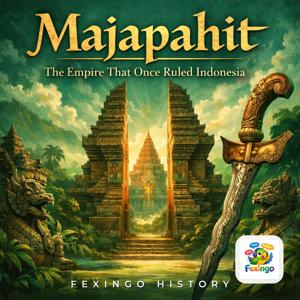


In this episode of Majapahit: The Empire That Once Ruled Indonesia, Lucas and Luna step away from the palace intrigues of Trowulan and the famous Palapa Oath to explore the everyday lives of common people in the Majapahit heartland. Using the Negarakertagama (or Desawarnana) as a guide, they examine how the poet Mpu Prapanca described villages, rice terraces, and local governance under Hayam Wuruk's reign. The conversation covers the role of the 'mancanagara' system—a network of outlying territories—and the surprising autonomy enjoyed by village communities. Lucas explains how the Sawah irrigation system, the construction of simple temples, and local markets sustained an empire that is often remembered only for its grand monuments. They also touch on the religious syncretism of rural Java, where Hindu gods mingled with ancestral spirits, and how modern archaeology at sites like Candi Kidal and Candi Jago reveals these everyday connections. A fresh look at the empire from the ground up—what was life like for the farmers, priests, and traders who made Majapahit possible?
#Majapahit #Desawarnana #Negarakertagama #MpuPrapanca #HayamWuruk #Trowulan #CandiKidal #CandiJago #Mancanagara #Sawah #RuralJava #VillageLife #HinduBuddhist #MedievalIndonesia #SoutheastAsianHistory #Archaeology #History #FexingoHistory #IndonesianHistory #SoutheastAsia
Keep every episode free: buymeacoffee.com/fexingo
This episode dives into the twilight of Majapahit and the unexpected rise of Demak, the first Islamic kingdom on Java. We explore how a Chinese Muslim admiral, Zheng He, planted the seeds of conversion along the north coast, how the Wali Songo — nine saints — spread Islam through wayang and gamelan, and how Raden Patah, allegedly a Majapahit prince, built a rival sultanate. Lucas walks us through the Paregreg civil war that shattered Majapahit, the sacking of Trowulan, and the transfer of power to Demak. We meet Sunan Kalijaga, who used shadow puppets to preach, and Sunan Ampel, who shaped the new state. The episode ends with a reflection on how Indonesia's largest religion today was born from the ashes of a Hindu-Buddhist empire — a story of adaptation, not conquest.
#Demak #WaliSongo #RadenPatah #ZhengHe #Paregreg #Trowulan #SunanKalijaga #Islamization #Java #Majapahit #SoutheastAsia #Pasisir #Wayang #Gamelan #HistoryOfIslam #IndonesianHistory #FexingoHistory #History #HayamWuruk #GajahMada
Keep every episode free: buymeacoffee.com/fexingo
Long before Majapahit fell to civil war and Demak's rise, there was a single, bloody day that shattered the empire's unity forever: the Battle of Bubat in 1357. This episode unpacks the rivalry between Majapahit's powerful prime minister Gajah Mada and the Sunda kingdom, the disastrous diplomatic marriage between Hayam Wuruk and Princess Dyah Pitaloka, and how the massacre at Bubat turned a potential ally into an eternal enemy. We explore the legendary Palapa Oath's dark side, the Sunda source Pustaka Rajyarajya i Bhumi Nusantara, and why this defeat still resonates in Indonesian culture today. Lucas and Luna examine whether Bubat was a calculated political move or a tragic failure of diplomacy, and how it redefined Majapahit's trajectory away from its golden age. An episode about ambition, honor, and the price of empire.
#Majapahit #Bubat #GajahMada #HayamWuruk #Sunda #DyahPitaloka #PalapaOath #PustakaRajyarajya #IndonesianHistory #SoutheastAsia #MedievalHistory #BattleOfBubat #Diplomacy #Empire #Tragedy #History #FexingoHistory #Indonesia #HinduBuddhist #AncientJava
Keep every episode free: buymeacoffee.com/fexingo
In this episode, Lucas and Luna explore how Majapahit became the economic engine of the archipelago not through conquest alone, but through a quiet revolution in currency. They trace the origin of the Chinese copper cash—kepeng—that flooded Java under Emperor Hongwu and the Ming dynasty's ban on private trade. Lucas explains how Majapahit's ports, especially Surabaya and Tuban, became melting pots where Chinese junks, Indian cloth, and Moluccan spices exchanged hands using a standardised coinage that even the smallest farmer could use. The episode delves into the archaeological evidence from Trowulan, where thousands of kepeng have been unearthed, and the curious fact that Majapahit never minted its own coins—a sign of how deeply integrated it was with the Indian Ocean trade network. Luna asks about the 'ghost money' connection, and Lucas reveals how kepeng were used in local rituals, mixing economic and spiritual life. They also touch on the decline of this system when the Ming reopened private trade and the supply of Chinese coins dried up, contributing to Majapahit's economic vulnerability. A story of money, power, and the invisible currents that held an empire together.
#Majapahit #Kepeng #ChineseCoins #Trowulan #Surabaya #Tuban #MingDynasty #Hongwu #CopperCash #IndianOceanTrade #EconomicHistory #Numismatics #GhostMoney #JavaneseHistory #Archipelago #History #FexingoHistory #SoutheastAsia #IndonesianHistory #HayamWuruk
Keep every episode free: buymeacoffee.com/fexingo
This episode of Fexingo History's Majapahit series explores the crucial but often overlooked role of Queen Tribhuwana Wijayatunggadewi, who ruled as regent from 1328 to 1350 for her young son Hayam Wuruk, the later great emperor. We examine her alliance with Gajah Mada, the crushing of rebellions, and the Buddhist royal patronage that shaped Majapahit's golden age. Discover how her rule set the stage for the Palapa Oath and the empire's peak, with insights from the Negarakertagama and Chinese tributary records.
#Majapahit #QueenTribhuwana #TribhuwanaWijayatunggadewi #HayamWuruk #GajahMada #PalapaOath #Negarakertagama #Buddhism #Trowulan #SoutheastAsianHistory #IndonesianHistory #Regency #14thCentury #Java #Nusantara #FexingoHistory #History #WomenInHistory #SoutheastAsia #HinduBuddhist
Keep every episode free: buymeacoffee.com/fexingo
In this episode, Lucas and Luna explore Majapahit's maritime power, often overshadowed by its land-based exploits. They discuss the empire's formidable naval fleet, known as the 'jong' ships, and how Majapahit controlled crucial trade routes through the Malay Archipelago. The conversation delves into the role of the 'laksamana' (admirals), the strategic use of piracy and tribute, and the archaeological evidence of shipwrecks like the Java Sea Wreck. Lucas explains how maritime trade in spices, sandalwood, and slaves funded the empire's grandeur, and how the decline of naval strength contributed to Majapahit's fall. Specific figures like Adityawarman of Malayu and the naval campaigns under Hayam Wuruk are highlighted. The episode also touches on the legacy of Majapahit's seafaring culture in modern Indonesia's maritime identity.
#Majapahit #MaritimeHistory #Jong #Laksamana #JavaSeaWreck #SpiceTrade #Adityawarman #Malayu #Srivijaya #Nusantara #NavalEmpire #IndianOceanTrade #Piracy #TributeSystem #SoutheastAsianHistory #MedievalTrade #IndonesianHistory #FexingoHistory #SoutheastAsia #HayamWuruk
Keep every episode free: buymeacoffee.com/fexingo
In this episode, Lucas and Luna explore the twilight years of the Majapahit Empire, from the death of Hayam Wuruk in 1389 to its final collapse in the early 16th century. They discuss the destabilizing succession crisis between Wikramawardhana and Wirabhumi, the brutal Paregreg civil war (1404–1406), and the role of Chinese admiral Zheng He's interventions. The conversation also covers the rise of Demak as the first Islamic sultanate in Java, led by Raden Patah, and the symbolic end of Majapahit when Demak captured the capital Trowulan in 1527. Along the way, they touch on the emergence of the Pasisir coastal culture, the spread of Islam through trade and the Wali Songo, and the transformation of Bhinneka Tunggal Ika from a Hindu-Buddhist motto into Indonesia's national motto. This episode avoids re-covering the golden age or Gajah Mada's oath, instead focusing on the empire's fragmentation and legacy.
#Majapahit #Paregreg #Wirabhumi #Wikramawardhana #ZhengHe #Demak #RadenPatah #WaliSongo #BhinnekaTunggalIka #Trowulan #FallOfMajapahit #HinduBuddhist #IslamInJava #Pasisir #JavaneseHistory #SoutheastAsia #History #FexingoHistory #IndonesianHistory #HayamWuruk
Keep every episode free: buymeacoffee.com/fexingo
In this episode, Lucas and Luna explore the cultural and architectural zenith of the Majapahit Empire under King Hayam Wuruk and his grand vizier Gajah Mada. They discuss the Negarakertagama, a 14th-century poem that describes Majapahit's vast realm, from Sumatra to New Guinea. Lucas explains how the capital, Trowulan, was a meticulously planned city with irrigation canals, markets, and monumental brick gates. The conversation dives into the syncretic nature of Majapahit religion—a blend of Hindu, Buddhist, and indigenous ancestor worship—and how the annual Srada ceremony reinforced royal authority. They also touch on the keris as a cultural symbol and the disputed role of the sea trade network. Finally, they consider the limits of central control in a sprawling island empire, setting the stage for later decline.
#Majapahit #HayamWuruk #GajahMada #Negarakertagama #Trowulan #Nusantara #SradaCeremony #Keris #HinduBuddhist #IndonesianHistory #SoutheastAsia #14thCentury #Empire #Architecture #Syncretism #AncientCities #History #FexingoHistory #PalapaOath #AncientJava
Keep every episode free: buymeacoffee.com/fexingo
In this pilot episode, Lucas and Luna explore the rise of the Majapahit Empire, the last great Hindu-Buddhist kingdom to rule the Indonesian archipelago. They begin in 1293 AD with the coronation of Raden Wijaya, the empire's founder, and trace the early struggles that shaped its destiny. Lucas explains how a small, war-torn kingdom in eastern Java grew into a maritime superpower controlling trade routes from Sumatra to New Guinea. The conversation touches on key figures like the legendary Gajah Mada, the cunning prime minister who swore the Palapa Oath not to taste spices until he had united the whole archipelago. Lucas also describes Majapahit's capital, Trowulan, with its red brick gates and grand halls, and hints at the empire's sophisticated bureaucracy and cultural achievements. The episode sets the stage for future explorations of Majapahit's golden age under Hayam Wuruk, its naval dominance, and its eventual decline in the face of Islam's spread. It's a vivid, accessible entry point into a civilization that once rivaled the great empires of Asia, yet remains little known in the West.
#Majapahit #IndonesianHistory #RadenWijaya #GajahMada #Trowulan #PalapaOath #HinduBuddhistKingdom #MaritimeEmpire #Java #Nusantara #SoutheastAsia #HayamWuruk #13thCentury #14thCentury #MedievalEmpires #HistoricalPodcast #History #FexingoHistory #HinduBuddhist #AncientJava
Keep every episode free: buymeacoffee.com/fexingo
From the publisher's feed