
Sign up to save your podcasts
Or

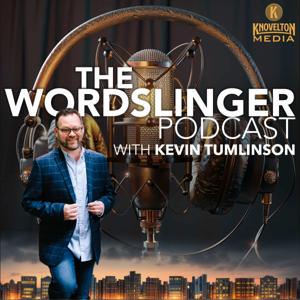

What makes a story impossible to put down?
It usually starts with one uncomfortable truth: You have to make your characters suffer.
In this episode of the Wordslinger 10-Shot, I dig into several practical writing craft principles that can help you create stronger characters, sharper scenes, more natural dialogue, and stories that keep readers turning pages.
We’ll talk about why change is the engine of story, how consequences create momentum, why “and then” can quietly kill your plot, and how to build tension without exhausting your reader. I’ll also explore dialogue as a form of action, the value of leaving some questions unanswered, and how to recognize when a story is truly finished.
Whether you’re writing your first novel or your fiftieth, these are the kinds of craft fundamentals that can help you tell more compelling stories.
What writing craft topic would you like me to cover next? Leave your question in the comments. I may turn it into a future episode.
TIMECODES
00:00 – Why writers should talk more about craft
01:44 – Why your characters need to suffer
03:36 – Suffering doesn’t have to mean physical danger
07:38 – Every scene must create change
10:13 – Creating discomfort and escalating tension
10:54 – “And then” versus “because” storytelling
12:18 – Giving readers moments of hope and relief
14:31 – Why everything in a story must serve a purpose
18:11 – Building tension in peaks and valleys
18:55 – Understanding three-act structure
21:30 – Change as the purpose of scenes
23:20 – Dialogue as action, not exposition
27:37 – Why explanatory dialogue stops a story cold
29:32 – Suspense as the distance between knowledge and action
30:52 – How to know when your story is over
34:03 – Leaving some questions unanswered
37:30 – Using A, B, and C plots across a series
40:17 – Why craft remains a writer’s primary tool
Subscribe to the channel for practical, honest guidance on writing, publishing, marketing, and building a sustainable creative career. Whether you’re just getting started or working toward your next breakthrough, this is the place to find useful advice for every stage of your writing and publishing journey.
Visit the Wordslinger Podcast:
https://wordslingerpodcast.com
Improve your writing with ProWritingAid:
https://tidd.ly/3NCdlk5
Publish and distribute your books with Draft2Digital:
https://draft2digital.com/wordslinger
Get professional support for your author career with AuthorAnchor:
https://authoranchor.com
Find Kevin and his books:
https://kevintumlinson.com
Join Kevin on Substack:
https://kevintumlinson.substack.com
#WritingCraft #WritingTips #Authors #CreativeWriting #Storytelling #IndieAuthors #WritingAdvice #NovelWriting #CharacterDevelopment #WordslingerPodcast
Hosted by Simplecast, an AdsWizz company. See pcm.adswizz.com for information about our collection and use of personal data for advertising.
 View all episodes
 By It's all about the story here.

4.8
5757 ratings
What makes a story impossible to put down?
It usually starts with one uncomfortable truth: You have to make your characters suffer.
In this episode of the Wordslinger 10-Shot, I dig into several practical writing craft principles that can help you create stronger characters, sharper scenes, more natural dialogue, and stories that keep readers turning pages.
We’ll talk about why change is the engine of story, how consequences create momentum, why “and then” can quietly kill your plot, and how to build tension without exhausting your reader. I’ll also explore dialogue as a form of action, the value of leaving some questions unanswered, and how to recognize when a story is truly finished.
Whether you’re writing your first novel or your fiftieth, these are the kinds of craft fundamentals that can help you tell more compelling stories.
What writing craft topic would you like me to cover next? Leave your question in the comments. I may turn it into a future episode.
TIMECODES
00:00 – Why writers should talk more about craft
01:44 – Why your characters need to suffer
03:36 – Suffering doesn’t have to mean physical danger
07:38 – Every scene must create change
10:13 – Creating discomfort and escalating tension
10:54 – “And then” versus “because” storytelling
12:18 – Giving readers moments of hope and relief
14:31 – Why everything in a story must serve a purpose
18:11 – Building tension in peaks and valleys
18:55 – Understanding three-act structure
21:30 – Change as the purpose of scenes
23:20 – Dialogue as action, not exposition
27:37 – Why explanatory dialogue stops a story cold
29:32 – Suspense as the distance between knowledge and action
30:52 – How to know when your story is over
34:03 – Leaving some questions unanswered
37:30 – Using A, B, and C plots across a series
40:17 – Why craft remains a writer’s primary tool
Subscribe to the channel for practical, honest guidance on writing, publishing, marketing, and building a sustainable creative career. Whether you’re just getting started or working toward your next breakthrough, this is the place to find useful advice for every stage of your writing and publishing journey.
Visit the Wordslinger Podcast:
https://wordslingerpodcast.com
Improve your writing with ProWritingAid:
https://tidd.ly/3NCdlk5
Publish and distribute your books with Draft2Digital:
https://draft2digital.com/wordslinger
Get professional support for your author career with AuthorAnchor:
https://authoranchor.com
Find Kevin and his books:
https://kevintumlinson.com
Join Kevin on Substack:
https://kevintumlinson.substack.com
#WritingCraft #WritingTips #Authors #CreativeWriting #Storytelling #IndieAuthors #WritingAdvice #NovelWriting #CharacterDevelopment #WordslingerPodcast
Hosted by Simplecast, an AdsWizz company. See pcm.adswizz.com for information about our collection and use of personal data for advertising.

313 Listeners

629 Listeners

326 Listeners
58 Listeners

100 Listeners
19 Listeners

55 Listeners

133 Listeners
1,489 Listeners

74 Listeners

26 Listeners
428 Listeners

5 Listeners

13 Listeners

382 Listeners