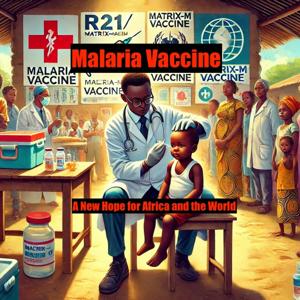
In a significant stride towards combating malaria in Nigeria, the Civil Society for Malaria Control, Immunization, and Nutrition (ACOMIN) has been actively involved in disseminating information about the latest developments in malaria vaccination. The breakthrough malaria vaccine, known as RTS,S/AS01 (RTS,S), is the world's first and only vaccine that has demonstrated the ability to significantly reduce malaria, and life-threatening severe malaria, in African children.
The implementation of this vaccination program by ACOMIN in Kaduna, as part of a broader initiative, marks a pivotal moment in the fight against this deadly disease. Given that malaria remains one of the leading causes of death among children in Africa, the introduction of a viable vaccine could potentially save millions of lives.
The RTS,S vaccine works by targeting the Plasmodium falciparum parasite, which is the most deadly malaria parasite globally and the most prevalent in Africa. Developed through a partnership between GSK and the PATH Malaria Vaccine Initiative, with support from the Bill and Melinda Gates Foundation, RTS,S is designed to trigger the immune system's response to prevent the parasite from infecting, maturing, and multiplying in the liver, after which it would typically re-enter the bloodstream and infect red blood cells, leading to disease symptoms.
Field studies in sub-Saharan Africa have shown that the RTS,S vaccine has approximately 30% efficacy, which is a significant achievement given the complexity of the malaria parasite and its ability to evade the immune system. The vaccine is considered a complementary malaria control tool to be used in addition to the existing preventive, diagnostic, and treatment measures.
Moreover, in collaboration with government health agencies, ACOMIN has been essential in advocating for community involvement in the vaccine's roll-out, ensuring that remote communities receive equitable access to this lifesaving vaccine and are educated about its benefits and limitations. Education efforts include dispelling myths and misinformation about vaccines, which is crucial for increasing vaccination rates and ensuring widespread protection.
The World Health Organization's approval and recommendation for the broad use of the RTS,S vaccine in children in sub-Saharan Africa and other regions with moderate to high transmission rates as part of a pilot program, further supports the ongoing initiatives by ACOMIN. The pilot program aims to reach approximately 360,000 children annually across selected areas in Ghana, Kenya, and Malawi, providing invaluable data on the vaccine's broader effectiveness and safety in routine use.
ACOMIN’s role extends beyond the dissemination of the vaccine. The organization also provides support in monitoring adverse effects and gathering feedback from the communities, which is fundamental for assessing the vaccine's impact comprehensively.
ACOMIN’s involvement in this crucial health intervention not only h
This content was created in partnership and with the help of Artificial Intelligence AI.