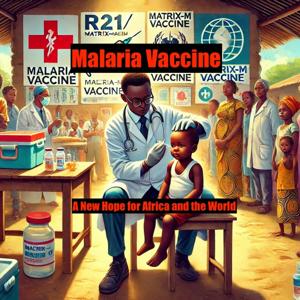
In the ongoing battle against malaria, recent developments highlight both the challenges and the advancements in combating this ancient and resilient disease.
As of the latest reports, the global fight against malaria is facing significant hurdles. Despite the World Health Organization's (WHO) goal to reduce malaria deaths by 75% by 2025 compared to 2015 levels, the current death rate remains more than double the target, at 13.7 deaths per 100,000 at-risk people. The incidence of malaria cases worldwide is nearly three times higher than the desired goal[1].
One of the major concerns is the evolving resistance of the malaria parasite to drugs, including partial resistance to artemisinin, a key treatment drug. This resistance has been confirmed in several countries, including Eritrea, Rwanda, Uganda, and Tanzania, with suspicions of resistance in Ethiopia, Namibia, Sudan, and Zambia. This development is particularly alarming as it threatens to undermine current treatment strategies[1].
In addition to drug resistance, the malaria parasite has also adapted to evade diagnostic tests. In 41 countries where malaria is endemic, parasites have been found to lack a part of the gene that is the basis for a rapid diagnostic test. Furthermore, mosquitoes are evolving resistance to insecticides, with 55 countries recording mosquitoes resistant to pyrethroid insecticides used in bed nets. The invasion of Africa by the urban-dwelling Anopheles stephensi mosquito, native to South Asia, adds another layer of complexity to malaria control efforts[1].
Despite these challenges, significant progress has been made in the development and deployment of malaria vaccines. The RTS,S vaccine, developed by GSK, has been in use since 2019 and has shown promising results. In Ghana, Kenya, and Malawi, over 5.8 million doses of the RTS,S vaccine have been administered, resulting in a 13% reduction in all-cause mortality and a substantial fall in severe malaria hospitalizations among children[4].
A new vaccine, R21/Matrix-M, co-developed by the University of Oxford and the Serum Institute of India, has recently been endorsed by the WHO. This vaccine has demonstrated high efficacy, particularly in highly seasonal malaria transmission settings, reducing malaria cases by 75%. The R21/Matrix-M vaccine is seen as a breakthrough, although challenges in distribution, access, and acceptance in affected regions remain[5].
The WHO continues to push for the development of more effective vaccines by 2025, drawing inspiration from the rapid development of COVID-19 vaccines. New approaches, including subunit vaccines, whole sporozoite vaccines, and genetic vaccines based on DNA or RNA, are being explored. These genetic vaccines, which have proven successful in the COVID-19 pandemic, offer versatile and easy-to-produce platforms that could significantly enhance malaria vaccination efforts[2].
In summary, while the fight against malaria is complicated by evolving parasite and mosquito resi
This content was created in partnership and with the help of Artificial Intelligence AI.