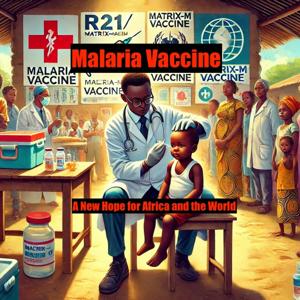
In a significant development in the fight against malaria, the recent rollout of malaria vaccines in Africa has garnered considerable attention and hope for improving child health. The World Health Organization (WHO) has been at the forefront of this initiative, with the RTS,S vaccine, developed by GlaxoSmithKline, being a key component.
The RTS,S vaccine, also known as Mosquirix, has been in use since 2019 as part of a pilot program in Ghana, Kenya, and Malawi. This vaccine has shown promising results, preventing about 39% of malaria cases and 32% of severe cases in Phase 3 trials[1][2][3].
A recent analysis from the WHO pilot campaign revealed that the vaccine not only reduces malaria deaths but also decreases all-cause mortality among children by 13%. This statistic is particularly noteworthy, as it indicates the vaccine's broader impact on child health beyond just malaria prevention. Over two million children aged 5 months to 2 years have received the vaccine in these pilot countries, highlighting its potential to save tens of thousands of lives annually[1].
However, the implementation of the RTS,S vaccine comes with some challenges. Children require four doses over a year to be fully vaccinated, which can be difficult to coordinate, especially outside clinical trial settings. Each dose costs approximately $9.80, and there have been concerns about ensuring an adequate supply from GSK. To address these issues, the WHO has also approved a second malaria vaccine, R21/Matrix-M, developed by the University of Oxford. This vaccine requires only three doses, each costing between $2-4, and is expected to be more readily available, with 100 million doses anticipated later this year[1].
The R21 vaccine has shown even greater efficacy, with evidence suggesting it could prevent up to 80% of malaria cases. Ghana has already approved the use of this new vaccine for children aged between five months and three years, and Nigeria, the country most affected by malaria, has granted provisional approval. This development is seen as a significant step towards reducing malaria mortality, particularly in Africa, where the disease claims nearly half a million lives annually, mostly among children under five[2].
The timing of this vaccine rollout is crucial, given the recent resurgence of malaria cases in many regions. Climate change and growing drug and insecticide resistance have complicated efforts to combat the disease. Despite these challenges, experts are reassured that the vaccine has not led to a decrease in the use of other preventive measures such as insecticide-treated bednets and antimalarial tablets[1].
The WHO and global health experts are optimistic about the transformative impact these vaccines could have on public health in Africa. Dr. Kate O'Brien, Director of the Department of Immunization, Vaccines and Biologicals at WHO, expects the scale-up of the malaria vaccine to save tens of thousands of lives annually. The vaccine campaign, which bega
This content was created in partnership and with the help of Artificial Intelligence AI.