Malaria Vaccine

Malaria Vaccine

Download on the App Store

Malaria Vaccine episodes

  • "Malaria Vaccines Offer Renewed Hope in Global Fight Against the Disease"
    In recent developments, the global fight against malaria has seen significant milestones, particularly in the realm of vaccination.
    According to the World Health Organization (WHO), malaria mortality has returned to pre-COVID-19 crisis levels, although the organization is urging for faster progress against the disease. In 2023, there were 263 million cases of malaria worldwide, an increase of 11 million from the previous year, but the death toll remained relatively stable at around 597,000 deaths. The disruptions caused by the COVID-19 pandemic in 2020 had led to a sharp increase in malaria-related mortality, but since then, the total number of deaths and the mortality rate have gradually decreased[1].
    A key factor in this improvement is the wider rollout of malaria vaccines. The WHO has highlighted the promise of two vaccines, RTS,S and R21/Matrix-M, which have been introduced in several African countries. These vaccines have shown significant efficacy in reducing malaria cases and deaths, especially among young children. In the pilot countries of Malawi, Kenya, and Ghana, nearly two million children have received the RTS,S vaccine, resulting in a 13-percent drop in mortality over four years[1].
    The RTS,S vaccine, which was the first to be recommended by the WHO, has demonstrated its ability to reduce malaria and severe malaria cases by approximately 39% and 29%, respectively, over four years of follow-up. The vaccine has also reduced hospital admissions and the need for blood transfusions due to malaria-related anemia[5].
    Recently, a new malaria vaccine candidate, PfSPZ-LARC2, has shown promising results. Developed by researchers at the Seattle Children’s Research Institute and the biotechnology company Sanaria, this vaccine uses genetic engineering to create a parasite that can multiply in the liver without causing symptoms, thereby stimulating a strong immune response. The PfSPZ-LARC2 vaccine has provided 100% protection against infection in animal models and is set to enter clinical trials. This vaccine holds potential to save millions of lives and could be a crucial tool in eliminating malaria from defined geographic regions[2].
    As the world continues to battle malaria, new challenges are emerging, such as the spread of mosquito habitats due to a warming climate. Researchers are using advanced techniques to develop new treatments, including a compound to combat the resurgence of malaria. This is particularly important as malaria is not only prevalent in sub-Saharan Africa but is also returning to areas in North America and Europe where it had previously been eradicated[4].
    In summary, while malaria remains a significant global health threat, recent advancements in vaccination and ongoing research offer hope for reducing its impact. The continued rollout of existing vaccines and the development of new ones, such as PfSPZ-LARC2, are critical steps towards achieving the vision of a world free from malaria.
    This content was created in partnership and with the help of Artificial Intelligence AI.
    4 min
  • Advancing the Fight Against Malaria: Promising Vaccines, Vector Control, and Environmental Challenges
    In the ongoing battle against malaria, several recent developments have marked significant strides, particularly in the realm of vaccination and vector control.
    ### Malaria Vaccines
    Two malaria vaccines, recommended by the World Health Organization (WHO), have been at the forefront of recent discussions. The vaccines, RTS,S and the newer R21, have shown promising efficacy in reducing malaria cases. The R21 vaccine, an improved version of RTS,S, has demonstrated slightly higher efficacy, especially in seasonal malaria settings. In clinical trials, R21 achieved a 75% vaccine efficacy against clinical malaria in children aged 5 to 17 months, compared to RTS,S's 56% efficacy in similar settings[4].
    These vaccines are crucial as they reduce uncomplicated malaria by around 40%, severe malaria by about 30%, and all-cause mortality by 13%. The WHO's recommendation of the R21/Matrix-M vaccine in 2023 is expected to ensure sufficient vaccine supply to benefit all children living in malaria-endemic areas[2].
    ### Challenges and Funding
    Despite the progress, funding remains a critical issue. Ahead of the Global Fund Replenishment, heads of state and government have warned that without increased funding, the number of malaria cases and deaths could rise significantly. The RBM Partnership to End Malaria has emphasized that malaria is not only a health issue but also exacerbates poverty, strains health systems, and worsens existing vulnerabilities such as displacement and gender inequality[5].
    ### Vector Control
    In addition to vaccination, innovative vector control methods are being developed. Scientists at the University of California have introduced a precision-guided sterile insect technique (SIT) aimed at eliminating the primary African malaria vector, Anopheles gambiae mosquitoes. This CRISPR-based genetic technique has shown over 99.25% efficiency in sterilizing male mosquitoes, which can significantly suppress wild Anopheles gambiae populations and prevent malaria transmission[1].
    ### Environmental Factors
    Environmental changes, particularly deforestation, have also been linked to increased malaria cases. A recent study in the Brazilian Amazon revealed that a 1% increase in deforestation is associated with a 6.3% rise in malaria cases within a month. Deforestation alters mosquito breeding habitats, leading to higher mosquito densities and increased malaria transmission. This underscores the need for region-specific strategies that consider ecological and demographic differences[3].
    In summary, while malaria vaccines and advanced vector control techniques offer hope, sustained funding and addressing environmental factors such as deforestation are essential to effectively combat malaria and move towards its eradication.
    This content was created in partnership and with the help of Artificial Intelligence AI.
    3 min
  • Malaria Breakthrough: Vaccines, Environmental Factors, and Blood Donation Measures Driving Progress
    In recent developments, the fight against malaria has seen significant advancements, particularly in the realm of vaccination and the understanding of environmental factors influencing the disease.
    The World Health Organization (WHO) has reinforced its recommendation for the use of malaria vaccines, specifically the RTS,S and R21 vaccines, which have been proven safe and effective in preventing malaria in children. As of December 2024, 17 countries in Africa have introduced these vaccines as part of their routine childhood immunization programs, with additional roll-outs planned for 2025. These vaccines have shown remarkable efficacy, reducing malaria cases by more than half during the first year after vaccination and by up to 75% when given seasonally in areas of highly seasonal transmission[2][4].
    The RTS,S and R21 vaccines are administered in a schedule of four doses starting from around 5 months of age, with a fifth dose considered in areas of highly seasonal transmission or where the malaria risk remains high beyond the third year of life. The vaccines are part of a comprehensive malaria control strategy that includes other preventive, diagnostic, and treatment measures tailored to local contexts. The rollout of these vaccines is expected to save tens of thousands of young lives annually, with modeling estimates suggesting they could prevent up to half a million child deaths over 12 years if scaled up to all Gavi-eligible countries[2][4].
    Meanwhile, environmental factors continue to play a crucial role in malaria transmission. A recent study highlighted the link between deforestation in the Brazilian Amazon and a surge in malaria cases. The research found that a 1% increase in deforestation is associated with a 6.3% rise in malaria cases within a month, particularly in highly forested areas. Deforestation alters mosquito breeding habitats, leading to increased mosquito density and higher malaria transmission risks. This study underscores the need for region-specific health interventions and the importance of monitoring local conditions to implement effective malaria control strategies[1].
    In another development, the U.S. Food and Drug Administration (FDA) has issued new draft guidance aimed at reducing transfusion-transmitted malaria. The guidance recommends selective testing of at-risk donors using an FDA-approved nucleic acid test and the use of pathogen reduction devices for platelets and plasma. This move is crucial as it addresses the risk of malaria transmission through blood donations, especially from donors who have traveled to or lived in malaria-endemic areas[3].
    These recent updates reflect the multifaceted approach being taken to combat malaria, from advanced vaccination programs to targeted environmental and public health interventions. As global efforts continue to scale up, there is growing optimism about the potential to significantly reduce malaria cases and move closer to the goal of malaria elimination.
    This content was created in partnership and with the help of Artificial Intelligence AI.
    4 min
  • Breakthrough Malaria Vaccine Trials Offer Hope for Combating Global Health Challenge
    In recent developments, the quest for an effective malaria vaccine has seen significant advancements, particularly with new research and funding announcements.
    A groundbreaking study published in the _New England Journal of Medicine_ has highlighted the promising results of a late-liver-stage attenuated malaria parasite vaccine, known as GA2. Conducted by researchers at Leiden University Medical Center and Radboud University Medical Center in the Netherlands, this clinical trial demonstrated the vaccine's high protective efficacy against malaria infection. The GA2 vaccine, which involves a genetically modified _Plasmodium falciparum_ parasite, showed an impressive 89% protective efficacy in participants, compared to 13% for the GA1 vaccine and no protection in the placebo group. This approach exposes the immune system to a broader array of parasite antigens by allowing the parasite to develop further within liver cells, enhancing the immune response[1][5].
    In parallel, Ocean Biomedical has made substantial progress in their malaria vaccine research, thanks to new funding from the National Institutes of Health (NIH). Led by Dr. Jonathan Kurtis, the team is studying naturally occurring immune responses in children who have developed resistance to malaria. They have identified a unique protein, glutamic acid-rich protein (GARP), on the surface of malaria-infected red blood cells, which children who resisted severe malaria had developed antibodies against. With additional NIH and non-governmental grants, Ocean Biomedical is now testing three vaccine candidates in non-human primates, utilizing lipid-encapsulated messenger RNA (mRNA) technology. The FDA's new guidance on lipid-encapsulated vaccines could expedite the transition to human trials, potentially starting as early as the fourth quarter of 2025[2].
    Meanwhile, the World Health Organization (WHO) has reinforced the importance of existing malaria vaccines, such as RTS,S and R21. Both vaccines have been shown to be safe and effective in preventing malaria in children, reducing cases by more than half in the first year after vaccination. A fourth dose in the second year prolongs this protection, and when given seasonally in highly seasonal transmission areas, these vaccines prevent up to 75% of malaria episodes. As of December 2024, 17 countries have introduced these vaccines into their childhood immunization programs, with additional roll-outs planned for 2025. The WHO emphasizes that the combination of these vaccines with other preventive, diagnostic, and treatment strategies can significantly reduce malaria-related illnesses and deaths[3].
    These developments underscore the ongoing efforts and advancements in the fight against malaria, a disease that continues to pose a significant global health challenge, particularly in sub-Saharan Africa and parts of Asia and Latin America. With new vaccine strategies and continued support from global health organizations and funding bodies, there is growi
    This content was created in partnership and with the help of Artificial Intelligence AI.
    4 min
  • New Malaria Vaccines Offer Hope for Eradication
    In the ongoing battle against malaria, recent developments have brought significant hope and progress, particularly in the realm of vaccine development.
    A groundbreaking study published in the _New England Journal of Medicine_ has highlighted the promising results of a new malaria vaccine, GA2, developed by researchers at Leiden University Medical Center and Radboud University Medical Center in the Netherlands. This late-liver-stage attenuated malaria parasite vaccine has shown high protective efficacy against malaria infection. The vaccine, which involves immunization with a genetically modified _Plasmodium falciparum_ parasite, induced a favorable immune response and provided substantial protection in a small clinical trial. In the trial, 89% of participants who received the GA2 vaccine were protected against malaria, compared to 13% in the control group and none in the placebo group. This vaccine's mechanism involves exposing the immune system to a broader range of parasite antigens, enhancing the immune response and preventing breakthrough infections[1].
    In another significant advancement, researchers at the Seattle Children’s Research Institute, in collaboration with the biotechnology company Sanaria, have developed a novel malaria vaccine called PfSPZ-LARC2. This vaccine, engineered through the deletion of two parasite genes, allows the parasite to multiply in the liver without causing symptoms, thereby stimulating a strong immune response. The PfSPZ-LARC2 vaccine has shown 100% protection against infection in animal models and is now poised for clinical trials. This vaccine has the potential to save millions of lives and could be a crucial tool in mass vaccination programs aimed at eliminating malaria from defined geographic regions[2].
    Current malaria vaccines, such as RTS,S, which was recommended by the World Health Organization (WHO) in 2021, have also seen expanded implementation. RTS,S has been shown to reduce deaths among children by 13% and severe malaria hospitalizations by 22%. As of January 2024, Cameroon became the first non-pilot country to introduce RTS,S into its routine immunization program, with at least nine countries expected to be using it by 2025[5].
    These developments underscore the urgent need for more effective and durable vaccination strategies against malaria, a disease that still claims nearly half a million lives annually, predominantly in sub-Saharan Africa and parts of Asia and Latin America. The ongoing research and advancements in malaria vaccines are critical steps towards achieving the global goal of malaria eradication and highlight the collaborative efforts of researchers, health organizations, and governments in combating this devastating disease.
    This content was created in partnership and with the help of Artificial Intelligence AI.
    3 min
  • Transformative Malaria Vaccine Rollout Saves Lives in Africa
    In recent developments, the fight against malaria has seen significant advancements, particularly with the rollout and impact of malaria vaccines.
    As of the latest updates, the malaria vaccine rollout in Africa has achieved notable milestones. Nearly 10 million malaria vaccine doses have been delivered across the continent during the first year of routine immunization, according to the Gavi vaccine alliance. This initiative has been particularly successful in countries like Ghana, Kenya, and Malawi, where pilot programs from 2019 to 2023 resulted in substantial reductions in severe malaria illness and hospitalizations, as well as a 13% drop in mortality among children[3].
    The World Health Organization (WHO) has recommended the use of two malaria vaccines, RTS,S and R21/Matrix-M, for the prevention of _Plasmodium falciparum_ malaria in children living in malaria-endemic areas. Both vaccines have been shown to be safe and effective, reducing malaria cases by more than half during the first year after vaccination and preventing around 75% of malaria episodes when given seasonally in highly seasonal transmission areas[4].
    The rollout of these vaccines is well underway, with 17 countries in Africa already introducing them as part of their childhood immunization programs. Additional countries are expected to follow suit in 2025, aiming to protect millions more children. The demand for these vaccines is unprecedented, with at least 30 countries in Africa planning to introduce them into their national malaria control strategies[4].
    In terms of public health impact, the vaccines have demonstrated promising results. For instance, in Cameroon, one of the high-burden countries, the vaccine rollout has led to reduced deaths among children under five. This is particularly significant given that malaria claims over 13,000 lives annually in Cameroon and accounts for nearly 30% of all hospital consultations[3].
    Despite these advancements, the global malaria burden remains high. In 2023, there were an estimated 263 million new malaria cases and 597,000 malaria deaths globally, with the WHO African Region shouldering 94% of these cases and 95% of the deaths. Children under five are disproportionately affected, accounting for about 76% of all malaria deaths in Africa[3][4].
    The ongoing efforts to expand vaccine access and improve other control interventions, such as insecticide-treated nets and effective case management, are crucial in the quest to reduce malaria cases and deaths. The combination of these strategies, tailored to local contexts, is expected to yield the highest public health impact[2][4].
    In summary, the recent news highlights the significant progress made in the fight against malaria through the widespread rollout of effective vaccines, underscoring the potential to save tens of thousands of young lives annually and transform public health outcomes in malaria-endemic regions.
    This content was created in partnership and with the help of Artificial Intelligence AI.

    4 min
  • "Groundbreaking Malaria Vaccines Offer Hope in Africa's Fight Against the Deadly Disease"
    In the ongoing battle against malaria, a disease that continues to devastate communities, particularly in sub-Saharan Africa, recent developments have brought both hope and challenges to the forefront.
    Nigeria, which bears the world's highest malaria burden, has recently launched a significant initiative with the roll-out of the R21/Matrix-M malaria vaccine. As of January 2025, the vaccine has been integrated into the routine immunisation schedules in Kebbi and Bayelsa states, areas with the highest malaria incidence in the country. This rollout, supported by Gavi, the Vaccine Alliance, UNICEF, and the World Health Organization (WHO), marks a crucial step in protecting children from this deadly disease. The vaccine, administered in a four-dose series, has already seen impressive turnout, with over 100 women bringing their children to vaccination centers each week[1].
    The R21/Matrix-M vaccine, along with the RTS,S vaccine, has been endorsed by the WHO for its efficacy in preventing malaria in children. Both vaccines have demonstrated significant reductions in malaria cases and hospitalizations for severe malaria. Data from pilot projects in Kenya, Ghana, and Malawi show a 13% reduction in all-cause mortality and a 22% drop in hospitalizations for severe clinical malaria among eligible children[1][3].
    In parallel to these vaccination efforts, new research is advancing the fight against malaria. Ocean Biomedical has received significant funding from the National Institutes of Health (NIH) to develop a novel malaria vaccine. Led by Dr. Jonathan Kurtis, the research focuses on a unique protein called glutamic acid-rich protein (GARP) found on the surface of malaria-infected red blood cells. Children who naturally resist severe malaria have been found to develop antibodies against GARP, paving the way for a potentially transformative vaccine. With FDA guidance on lipid-encapsulated vaccines, Ocean Biomedical is on track to initiate human trials as early as the fourth quarter of 2025[2].
    Despite these advancements, the fight against malaria remains complex. The disease has seen a stagnation in decline since 2015, partly due to mosquitoes developing resistance to primary insecticides and the parasite becoming resistant to treatment drugs. Additionally, the emergence of a new mosquito species, Anopheles stephensi, in East Africa has posed a threat to urban populations. Funding for malaria research has also hit its lowest recorded level, further complicating efforts[4].
    However, the introduction of these vaccines and ongoing research offer a beacon of hope. The WHO recommends the use of malaria vaccines in areas of moderate and high transmission, prioritizing children living in endemic regions. With concerted efforts and resources, these vaccines could significantly reduce the global malaria burden, saving thousands of lives, especially among children under five who are most vulnerable to the disease[3].
    This content was created in partnership and with the help of Artificial Intelligence AI.
    4 min
  • Malaria Vaccine Breakthroughs Offer New Hope in the Fight Against a Deadly Disease
    In the ongoing battle against malaria, several recent developments have brought new hope and momentum to the global efforts to combat this devastating disease.
    One of the most significant advancements comes from Ocean Biomedical, a biopharma company based in Providence, Rhode Island. As of late January 2025, the company announced that its Scientific Co-founder, Dr. Jonathan Kurtis, and his research team have received substantial funding from the National Institutes of Health (NIH) to advance their innovative malaria vaccine research. This funding, which includes a $4.6 million non-governmental grant and an additional $3.5 million NIH grant, is crucial for their novel approach that involves studying naturally occurring immune responses in children who have developed resistance to malaria.
    Dr. Kurtis and his team have identified a unique protein called glutamic acid-rich protein (GARP) on the surface of malaria-infected red blood cells. Children who naturally resisted severe malaria were found to have developed antibodies against GARP, paving the way for vaccine development. The team is currently testing three vaccine candidates in non-human primates, aiming to block the malaria parasite’s ability to enter and exit red blood cells. The use of lipid-encapsulated messenger ribonucleic acid (mRNA) technology as a delivery mechanism is also being explored, a method that has been facilitated by new FDA guidance on lipid-encapsulated vaccines. This could expedite the transition to first-in-human trials, potentially as early as the fourth quarter of 2025[2].
    In addition to these developments, existing malaria vaccines have shown promising results. The RTS,S and R21 vaccines, which have been prequalified by the World Health Organization (WHO), have demonstrated high efficacy in preventing malaria in children. Independent evaluations of the RTS,S vaccine pilot introductions have shown a 13% drop in mortality among children eligible for vaccination, substantial reductions in hospitalizations for severe malaria, and improved access to malaria prevention interventions. Both vaccines reduced malaria cases by more than half during the first year after vaccination and by 75% when given seasonally in highly seasonal transmission areas[3].
    The global research community continues to unite in the fight against malaria. The upcoming BioMalPar XXI conference, scheduled to take place at EMBL Heidelberg with virtual attendance options, will bring together scientists from around the world to share insights and explore cutting-edge technologies. The conference will focus on various aspects of malaria research, including epidemiology, vaccines and immunity, vectors and transmission, and molecular and cellular biology. This event underscores the commitment to understanding the biology of the malaria parasite and advancing global health strategies to reduce the impact of the disease[4].
    These recent developments highlight the significant progress being made in the quest
    This content was created in partnership and with the help of Artificial Intelligence AI.
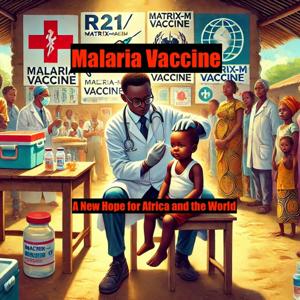
    4 min
  • "Malaria Vaccines Surge Ahead: Promising Advancements and Global Challenges"
    In recent developments, the fight against malaria has seen significant advancements, particularly in the rollout and development of malaria vaccines.
    As of January 2025, the routine immunization program for malaria vaccines in Africa has achieved a milestone, with nearly 10 million doses of the malaria vaccine delivered across the continent in the first year of the program. This initiative, supported by the Gavi vaccine alliance, has been rolled out in 17 African countries, including Ghana, Kenya, Malawi, and Cameroon, among others. The vaccines, specifically RTS,S and R21/Matrix-M, have shown promising results, with a 13% drop in mortality and substantial reductions in severe malaria illness and hospitalizations during the pilot phase from 2019 to 2023[1][3].
    The RTS,S and R21/Matrix-M vaccines are recommended by the World Health Organization (WHO) for the prevention of _Plasmodium falciparum_ malaria in children living in malaria-endemic areas. Both vaccines have been prequalified by WHO and have demonstrated high public health impact, reducing malaria cases by more than half during the first year after vaccination. A fourth dose given in the second year of life prolongs this protection[3].
    In addition to these existing vaccines, new breakthroughs are on the horizon. The PfSPZ-LARC2 vaccine, developed by scientists at Sanaria and the Seattle Children's Research Institute, offers high-level protection with just one dose. This vaccine employs genetic engineering to ensure the malaria parasites replicate only in the liver and not in the blood stage, where they could cause disease. The PfSPZ-LARC2 vaccine has the potential to achieve up to 90% protection against malaria infection, making it a significant advancement in global health efforts[2].
    Meanwhile, other research initiatives are also gaining traction. Ocean Biomedical has received additional funding from the National Institutes of Health (NIH) to advance their malaria vaccine research. Led by Dr. Jonathan Kurtis, the team is studying naturally occurring immune responses in children who have developed resistance to malaria, focusing on a unique protein called glutamic acid-rich protein (GARP). This research aims to develop a vaccine that blocks the malaria parasite's ability to enter and exit red blood cells, with potential human trials as early as the fourth quarter of 2025[5].
    Despite these positive developments, challenges persist. The recent freezing of US aid to malaria projects has raised concerns about the impact on global malaria control efforts. The US had been a major contributor to malaria funding, providing up to $1 billion annually. The sudden cut in funding comes at a critical time, with new variants of the disease spreading in Africa and the emergence of drug and insecticide resistance. This disruption could severely affect supply chains, rural hospitals, and programs aimed at controlling the disease[4].
    In summary, while significant progress has been made in the rollout
    This content was created in partnership and with the help of Artificial Intelligence AI.
    4 min
  • Malaria Vaccines Offer Hope Amidst Climate Change Challenges
    In recent developments, the global fight against malaria has seen both challenges and significant advancements, particularly with the ongoing implementation of new malaria vaccines.
    Climate change is posing a formidable threat to the progress made in eradicating malaria. Rising temperatures and altered rainfall patterns are expanding the geographic distribution of mosquitoes that spread the disease. According to the World Health Organization's (WHO) latest World Malaria Report, warming temperatures are extending the breeding season for mosquitoes and speeding up the growth cycle of malaria parasites, potentially undermining gains in vulnerable regions[1].
    Despite these challenges, the introduction of new malaria vaccines has marked a significant milestone. The R21/Matrix-M vaccine, recently endorsed by the WHO, has demonstrated unprecedented safety, efficacy, and cost-effectiveness in phase III trials published in February 2024. This vaccine, along with the RTS,S/AS01 vaccine, has been shown to reduce malaria cases by more than half during the first year after vaccination, with a fourth dose prolonging protection[2][3].
    The rollout of these vaccines is well underway, with 17 countries in Africa already incorporating them into their childhood immunization programs as of December 2024. Additional countries are expected to follow suit in 2025. The Central African Republic, for instance, introduced the R21/Matrix-M vaccine into its routine Expanded Programme on Immunization (EPI) in August 2024, aiming to vaccinate around 200,000 children. This initiative is supported by WHO, UNICEF, and Gavi, the Vaccine Alliance, and is seen as a major step in reducing early child deaths and strengthening the fight against malaria[5].
    The impact of these vaccines is already being observed. The RTS,S/AS01 vaccine, which has been in use since 2019, has been linked to a 13% reduction in deaths from all causes except injury and a 22% reduction in hospitalizations for severe malaria in countries like Ghana, Kenya, and Malawi[4].
    However, challenges persist, including the evolution of malaria parasites and mosquitoes. Malaria parasites have developed resistance to nearly every drug deployed against them, including partial resistance to artemisinin in several African countries. Additionally, mosquitoes are evolving resistance to insecticides and expanding their geographic range, further complicating control efforts[4].
    In conclusion, while climate change and evolutionary adaptations of malaria parasites and mosquitoes present ongoing hurdles, the introduction and widespread implementation of effective malaria vaccines like R21/Matrix-M and RTS,S/AS01 offer a promising avenue in the global fight against this deadly disease.
    This content was created in partnership and with the help of Artificial Intelligence AI.
    3 min

About Malaria Vaccine

From the publisher's feed

In the heart of a bustling research lab at Oxford University, Dr. Sarah Johnson peered intently into her microscope. For years, she and her team had been working tirelessly on a project that could change the lives of millions. Their goal? To create a vaccine that could finally put an end to one of humanity's oldest and deadliest foes: malaria. Sarah's journey had begun years earlier when, as a young medical student, she had volunteered in a rural clinic in Burkina Faso. There, she had witnessed firsthand the devastating impact of malaria, particularly on children. The image of a mother cradling her feverish child, helpless against the parasites ravaging the little one's body, had stayed with her ever since. "We're close," Sarah muttered to herself, adjusting the focus on her microscope. "I can feel it." And indeed, they were. After years of painstaking research, countless failures, and glimmers of hope, Sarah and her team had developed a vaccine they called R21/Matrix-M. It was a mouthful of a name, but it held the promise of saving countless lives. Meanwhile, in a small village in Ghana, Kwame sat outside his home, swatting at mosquitoes in the evening air. His young daughter, Ama, lay inside, her small body wracked with fever. Malaria had struck again, as it did every year when the rains came. Kwame had lost his eldest son to the disease three years ago. Now, as he listened to Ama's labored breathing, he prayed for a miracle. Little did he know that halfway across the world, that miracle was taking shape in the form of a tiny vial of vaccine. Back in Oxford, Sarah's team received the news they had been waiting for. The results from their latest clinical trial were in, and they were nothing short of remarkable. The R21/Matrix-M vaccine had shown an efficacy rate of up to 77% in young children who received a booster dose. "This is it!" Sarah exclaimed, her eyes shining with excitement as she shared the news with her team. "We've done it!" But what exactly had they done? How did this tiny vial of liquid manage to outsmart a parasite that had been outwitting humans for millennia? The secret lay in the vaccine's clever design. It targeted a specific protein found on the surface of the malaria parasite called the circumsporozoite protein, or CSP for short. Think of CSP as the parasite's coat – by teaching the body's immune system to recognize and attack this coat, the vaccine effectively stopped the parasite in its tracks before it could cause harm. But the R21/Matrix-M vaccine had another trick up its sleeve. It included a special ingredient called an adjuvant – Matrix-M. This adjuvant worked like a megaphone for the immune system, amplifying the body's response to the vaccine and making it more effective. As news of the vaccine's success spread, it reached the ears of world leaders and health organizations. In boardrooms and government offices, plans were set in motion to bring this life-saving vaccine to those who needed it most. Ghana, Nigeria, a