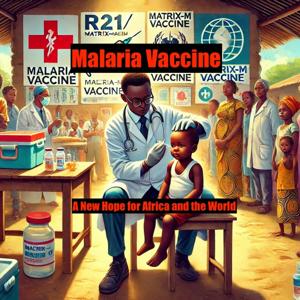
In a significant development in the fight against malaria, Uganda is set to introduce the malaria vaccine into its national routine immunization schedule starting in April 2025. This move is part of the country's broader strategy to reduce and eventually eliminate malaria by 2030.
The malaria vaccine, which has been decades in the making, has already shown promising results in several African countries. The World Health Organization (WHO) recommended the widespread use of the RTS,S/AS01 (RTS,S) malaria vaccine in October 2021 for children living in areas with moderate to high malaria transmission. This vaccine has been administered in pilot programs in Ghana, Kenya, and Malawi, where it has significantly reduced severe malaria cases and hospital admissions among children[2][4].
The RTS,S vaccine works by preventing the malaria parasite from infecting liver cells, thereby stopping the infection from progressing and causing severe illness. It is administered in a schedule of four doses to children from six months of age. In addition to the RTS,S vaccine, the WHO also prequalified a second malaria vaccine, R21/Matrix-M (R21), in 2023, which has shown high efficacy in highly seasonal malaria settings and good efficacy in low-to-moderate endemicity settings[1][2].
In Uganda, the introduction of the malaria vaccine is expected to bolster existing malaria prevention strategies, including the use of insecticide-treated nets and effective case management. The vaccine will be available in all health facilities and community outreach posts, and its impact is anticipated to be greatest when combined with other malaria prevention measures[1].
The rollout of the malaria vaccine is a result of extensive global health investment and public-private partnerships. African researchers and public health specialists have been at the forefront of malaria vaccine development, with support from organizations such as GAVI, the Vaccine Alliance, the Global Fund to Fight AIDS, Tuberculosis and Malaria, and Unitaid[1][4].
Despite these advancements, the fight against malaria continues to face challenges. Recent cuts in U.S. foreign aid have threatened malaria control efforts in several African countries, including Uganda, Nigeria, and the Democratic Republic of Congo. These cuts have impacted the supply of anti-malarial medicines and insecticide-treated bed nets, which are crucial in preventing and treating malaria[3].
However, the ongoing commitment to vaccine development and implementation remains a beacon of hope. With over 6 million children having received the malaria vaccine since its introduction in 2019, and with ongoing research into new vaccine candidates, including transmission-blocking vaccines and mRNA vaccines, the global health community is steadfast in its efforts to combat malaria[1][2].
As Uganda prepares to integrate the malaria vaccine into its national immunization program, it joins a growing list of countries leveraging this critical tool to redu
This content was created in partnership and with the help of Artificial Intelligence AI.