
Sign up to save your podcasts
Or

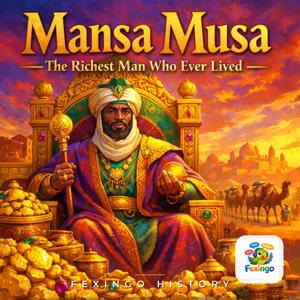


We turn our attention from the gold markets of Cairo to the muddy banks of the Niger River in 1325, where Mansa Musa’s armies clashed with the rebellious city-state of Gao. This episode explores the military machinery of the Mali Empire, focusing on the general Tira and his elite cavalry that secured the empire’s eastern flank. We examine how the conquest of Gao wasn't just about territorial expansion but about controlling the critical salt mines at Taghaza and protecting the Dyula merchant networks that fed the imperial treasury. Drawing from the Tarikh al-Sudan and the accounts of Ibn Battuta, we reconstruct the tactical reality of Sudano-Sahelian warfare, the role of the farba commanders, and how the Kouroukan Fouga legal code governed both peace and the conduct of war. You will hear about the specific strategies used to breach Gao’s walls, the integration of Songhai leaders into the Malian court, and the lasting economic impact of bringing the Niger Bend firmly under Niani’s control.
#MansaMusa #MaliEmpire #BattleOfGao #TiraGeneral #NigerBend #SudanoSahelian #IbnBattuta #TarikhAlSudan #TaghazaSalt #DyulaMerchants #KouroukanFouga #WestAfricanHistory #MedievalAfrica #Timbuktu #GaoCity #MalikJurisprudence #FexingoHistory #History
Keep every episode free: buymeacoffee.com/fexingo
We often hear about Mansa Musa’s gold, but we rarely look at how that wealth was actually generated and managed. In this episode, we dive into the administrative machinery of the Mali Empire, specifically the Kouroukan Fouga—the constitution that structured society. We explore how the Farba tax collectors operated in the field, the intricate system of tribute from mining towns like Bambuk and Bumbuk, and the legal protections granted to Dyula merchants. By examining the daily enforcement of these laws, we see a state far more sophisticated than just 'rich kings and pilgrims.' This is the story of the bureaucrats, the judges, and the economic policies that turned West Africa into an economic powerhouse.
#MansaMusa #MaliEmpire #KouroukanFouga #WestAfricanHistory #MedievalAfrica #Farba #DyulaMerchants #BambukGold #TaxationHistory #TimbuktuScholars #AfricanConstitution #EconomicHistory #SahelCivilization #AbuIshaqAl-Sahili #Niani #IslamicLaw #FexingoHistory #History
Keep every episode free: buymeacoffee.com/fexingo
While Mansa Musa is famous for his gold-fueled pilgrimage to Cairo, the Mali Empire’s wealth was equally rooted in a sophisticated luxury trade network that reached far beyond the Sahara. In this episode, we explore how silk, intricate textiles, and courtly aesthetics shaped the political culture of Niani during the fourteenth century. We look at the role of the Dyula merchants who bridged the gap between West African production centers and North African markets, bringing back not just raw materials but cultural influences that transformed the Malian court. The conversation examines the Kouroukan Fouga, the constitution that regulated these trades, and the jeliw, the griots who sang the praises of this material wealth as much as military conquest. We also touch on the specific contributions of scholars like Abraham Abbas, whose work in Timbuktu helped codify the legal frameworks that allowed such long-distance commerce to flourish without constant conflict. By focusing on the silks and the spies who monitored their movement, we see a Mali that was not just rich in gold, but deeply connected to the global fashion and diplomatic currents of its time.
#MaliEmpire #MansaMusa #SilkTrade #DyulaMerchants #Niani #KouroukanFouga #Jeliw #AbrahamAbbas #Timbuktu #SudanoSahelian #WestAfricanHistory #14thCentury #GriotTradition #MalikJurisprudence #TransSaharanTrade #TextileHistory #AfricanLuxury #FexingoHistory
Keep every episode free: buymeacoffee.com/fexingo
While earlier episodes explored Mansa Musa’s gold, his architectural legacy in Timbuktu, and the diplomatic letters to Cairo, Episode 266 turns inward to the human infrastructure of the Mali Empire: the jeliw. These are not merely entertainers but the living archives of West Africa, custodians of oral history who preserved genealogies, legal precedents, and political legitimacy through song and speech. We examine how the jeliw functioned as a counterweight to royal power, their role in the Kanku court alongside figures like Abraham Abbas, and how their mnemonic techniques ensured that the Kouroukan Fouga constitution remained a living document rather than a static decree. By focusing on the jeliw, we uncover the sophisticated social mechanics that allowed Mali to endure for centuries, revealing that Mansa Musa’s greatest asset may have been his ability to harmonize with these powerful voices rather than silence them.
#Jeliw #Griot #MaliEmpire #OralHistory #WestAfrica #KouroukanFouga #AbrahamAbbas #Kanku #SundjataKeita #Niani #Bamana #MandeCulture #IslamicLaw #Timbuktu #AfricanHistory #FexingoHistory #History #Podcast
Keep every episode free: buymeacoffee.com/fexingo
While earlier episodes explored the spiritual and architectural magnificence of Mansa Musa’s reign, this episode uncovers the gritty military machinery that sustained Mali’s dominance. We examine the 1324 conquest of Gao, a pivotal moment where Musa deployed not just armies but a sophisticated network of intelligence and economic warfare. Lucas walks through the tactical brilliance behind the siege, detailing how the Dyula merchants acted as both suppliers and spies within the Songhai city walls. Luna reacts to the strategic depth of these campaigns, prompting Lucas to reveal the role of Tira and Koli Tekin in securing the Niger Bend. The conversation highlights how control over salt and gold trade routes was enforced through precise diplomatic pressure and military precision, transforming Gao from a rival power into a loyal provincial hub. Listeners will discover the specific names of the commanders, the logistical challenges of moving troops across the Sahel, and the immediate economic aftermath of the victory. This narrative shifts focus from the golden pilgrim to the iron-willed administrator who built an empire through calculated force and shrewd diplomacy.
#MansaMusa #MaliEmpire #GaoConquest #WestAfricanHistory #NigerBend #DyulaMerchants #SonghaiHistory #TiraCommander #KoliTekin #SahelianTrade #GoldSaltTrade #14thCenturyAfrica #MilitaryStrategy #IslamicLaw #TimbuktuScholars #AbuIshaqAl-Sahili #FexingoHistory #HistoryPodcast
Keep every episode free: buymeacoffee.com/fexingo
While Mansa Musa is famous for his pilgrimage and gold, his reign was built on military expansion. This episode explores the Mali Empire’s conquest of the Songhai city of Gao in 1325, a pivotal moment that secured control over the Niger River trade routes. We examine how General Tira led the campaign against the Songhai ruler Koli Tekin, integrating these wealthy urban centers into the empire without destroying their local governance. The conversation also looks at the role of the dyula merchants in facilitating this expansion and the strategic importance of controlling salt mines at Taghaza. By understanding the sword behind the gold, we see how Mali maintained its dominance in West Africa for decades after Musa’s death.
#MansaMusa #MaliEmpire #GaoCity #SonghaiEmpire #TiraGeneral #KoliTekin #NigerRiverTrade #WestAfricanHistory #DyulaMerchants #TaghazaSalt #TimbuktuHistory #14thCenturyAfrica #AfricanEmperors #MedievalTradeRoutes #FexingoHistory #HistoryPodcast #AfricanHistory #ColonialPreHistory
Keep every episode free: buymeacoffee.com/fexingo
While Mansa Musa is famous for his gold, this episode explores the sophisticated textile economy of the Mali Empire that funded his reign. We trace the origins of the kente cloth tradition to the Dyula traders who connected West Africa to North African markets. Lucas and Luna discuss how the kouroukan fouga legal code regulated trade practices, ensuring quality control for luxury fabrics like silk and cotton. We examine the role of the jeliw griots in preserving the history of these merchant families and how their oral histories reveal a complex social hierarchy based on craftsmanship rather than just wealth. The conversation also touches on the diplomatic gifts exchanged between Niani and Cairo, where fine textiles served as currency alongside gold dust. By looking at the threads of commerce, we uncover a side of Mansa Musa’s empire that was woven with precision, regulation, and deep cultural significance, offering a new perspective on the material culture of the Sahel.
#MaliEmpire #MansaMusa #KenteCloth #DyulaTraders #WestAfricanHistory #SahelCulture #Niani #JeliwGriots #KouroukanFouga #TimbuktuTrade #TextileHistory #AfricanEconomy #GoldAndSilk #IslamicLawAfrica #OralTradition #FexingoHistory #HistoryPodcast #MansaMusaLegacy
Keep every episode free: buymeacoffee.com/fexingo
While Mansa Musa is remembered for his gold and his hajj, the Mali Empire under his rule was also a center of sophisticated court culture where humor served as political diplomacy. This episode explores the role of the jester, or 'bana', in the imperial court at Niani. We examine how these performers used satire to critique power, maintain social balance, and navigate the strict hierarchies of the Malian aristocracy. Drawing from accounts by Ibn Battuta and later oral traditions preserved by jeliw (griots), we look at the specific duties of the royal jesters, who were not merely entertainers but trusted advisors capable of speaking truth to the emperor. We also delve into the cultural significance of laughter in West African societies, contrasting it with the solemnity often associated with medieval courts elsewhere. The episode highlights the life of a fictionalized but representative jester named Kanku, whose witty exchanges with Mansa Musa reveal the human side of the empire’s most famous ruler. Through this lens, we understand how the Mali Empire maintained stability through a blend of military strength, economic power, and cultural flexibility.
#MansaMusa #MaliEmpire #AfricanHistory #CourtJester #IbnBattuta #Niani #WestAfrica #OralTradition #Jeliw #MalikJurisprudence #SahelCulture #MedievalAfrica #PoliticalSatire #Timbuktu #HistoricalHumor #AfricanRoyalty #FexingoHistory #History
Keep every episode free: buymeacoffee.com/fexingo
While Mansa Musa’s pilgrimage to Mecca is legendary, his older brother Abu Bakr II remains one of West Africa’s most enigmatic figures. In this episode, Lucas and Luna explore the radical decision made by Abu Bakr around 1310 CE: he abdicated the throne of the Mali Empire to sail into the Atlantic Ocean, leaving his brother Musa to rule in his place. Drawing from the Tarikh al-Sudan and Ibn Khaldun’s accounts, we examine the evidence for this transatlantic voyage, the cultural context of Jeliw canoes, and why a ruler would choose exploration over empire. We also look at the aftermath of Musa’s subsequent hajj, which solidified Mali’s global reputation while Abu Bakr vanished into the waves. This story challenges traditional narratives about African exploration and highlights the spirit of curiosity that defined the Mali court.
#AbuBakrII #MansaMusa #MaliEmpire #TransatlanticVoyage #AtlanticOcean #WestAfricaHistory #Jeliw #TarikhAlSudan #IbnKhaldun #Niani #14thCentury #AfricanExploration #Timbuktu #Sahel #HistoricalMystery #FexingoHistory #History #Podcast
Keep every episode free: buymeacoffee.com/fexingo
While Mansa Musa’s pilgrimage is famous for crashing the gold market in Cairo, his arrival also introduced the Mamluk Sultanate to a new social reality: a large retinue of Black African servants. Historians like al-Umari and Ibn Khaldun recorded not just the gold, but the presence of these attendants, many of whom were likely enslaved or semi-free laborers from the Mali Empire. This episode explores how this demographic shift challenged Egyptian social norms of the 1320s. We look at the specific roles these individuals played, from royal guards to domestic staff, and how their presence sparked both fascination and anxiety among the Cairene elite. By examining the accounts of contemporary observers, we uncover a nuanced picture of cross-cultural encounter that goes beyond simple wealth display. It reveals the complex intersections of race, power, and diplomacy in medieval Islam, showing how Mansa Musa’s court was a microcosm of the broader African world that Egypt was only beginning to understand.
#MansaMusa #CairoHistory #MamlukSultanate #WestAfrica #Timbuktu #IbnBattuta #AlUmari #IslamicLaw #SlaveryInMedievalTimes #AfricanHistory #DjinguereberMosque #HajjPilgrimage #GoldTrade #EthiopianEunuchs #BlackAfricans #Niani #MalikiJurisprudence #History #FexingoHistory
Keep every episode free: buymeacoffee.com/fexingo
From the publisher's feed