
Sign up to save your podcasts
Or

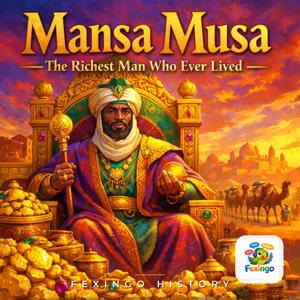


We have spent many episodes exploring the gold, the architecture, and the diplomatic letters of Mansa Musa. But his reign was also defined by hard power on the frontiers. This episode uncovers the brutal campaign against the Kanem-Bornu Empire in the late 1340s. We examine how Musa sent his brother, Farim Mamadi, to crush a rival sultanate that threatened Mali’s eastern trade routes. You will hear about the siege of Njimi, the use of heavy cavalry, and the political aftermath that secured the Sahel for decades. We look at primary accounts from Ibn Khaldun and the Tarikh al-Sudan to separate the legend from the military reality.
#MansaMusa #KanemBornu #WestAfricanHistory #SahelEmpire #FarimMamadi #NjimiSiege #MaliEmpire #IbnKhaldun #TarikhAlSudan #SaharanTrade #AfricanCavalry #14thCentury #Timbuktu #FexingoHistory #HistoryPodcast #MilitaryHistory #IslamicScholarship #SundiataKeita
Keep every episode free: buymeacoffee.com/fexingo
We have spent the last twenty episodes tracing the gold, the architecture, and the diplomatic letters of Mansa Musa, but there is a ghost in the Keita court that has haunted historians for centuries. In this episode, we turn our attention to his predecessor and elder brother, Abu Bakr II, who did not simply die or step aside. According to the Tarikh al-Sudan and later oral traditions preserved by the jeliw, he abdicated his throne to lead a massive naval expedition across the Atlantic Ocean. We examine the conflicting accounts from al-Umari and Ibn Khaldun, the logistical nightmare of outfitting such a fleet with the shipbuilding technology of the Mali Empire, and the radical political implications of a ruler choosing exploration over administration. This story challenges our understanding of medieval African ambition and the limits of pre-colonial navigation.
#AbuBakrII #MansaMusa #KeitaDynasty #WestAfricanHistory #AtlanticExpedition #TarikhAlSudan #IbnKhaldun #AlUmari #MaliEmpire #Niani #Jeliw #MedievalAfrica #NavalHistory #TransatlanticVoyage #GriotTradition #KouroukanFouga #FexingoHistory #History
Keep every episode free: buymeacoffee.com/fexingo
While we have explored the inflation caused by Mansa Musa’s gold and the architectural legacy of the Djinguereber mosque, this episode shifts focus to the written word that cemented Mali’s place in the medieval world. We examine the surviving correspondence between Mansa Musa and the Mamluk Sultan al-Nasir Muhammad in Cairo. These letters were not merely polite greetings; they were instruments of statecraft, asserting sovereignty while negotiating trade rights for Malian merchants in Egypt. We look at the specific demands Musa made regarding the treatment of his subjects, known as dyula, and how these documents reveal a sophisticated understanding of Islamic law and international diplomacy. By analyzing the tone and content of these missives, we see Mansa Musa not just as a wealthy pilgrim, but as a calculated ruler who used parchment and ink to build a lasting reputation across the Mediterranean. This conversation unpacks the political nuance behind the pilgrimage, showing how a single journey can reshape diplomatic relations for decades.
#MansaMusa #MaliEmpire #MamlukSultanate #alNasirMuhammad #DiplomaticLetters #WestAfricanHistory #MedievalAfrica #IslamicDiplomacy #CairoHistory #dyulaMerchants #TimbuktuArchives #AfricanStatecraft #14thCentury #NorthAfricanTrade #SahelianCulture #HistoricalCorrespondence #FexingoHistory #History
Keep every episode free: buymeacoffee.com/fexingo
We often think of Mansa Musa’s pilgrimage to Mecca as his defining moment, but recent scholarship points to an even more audacious ambition: a naval expedition into the Atlantic Ocean. This episode explores the story of his predecessor, Abu Bakr II, who reportedly abdicated the throne to lead a fleet of two thousand ships across the unknown waters. Drawing on the accounts of al-Umari and the oral traditions preserved by the jeliw, we examine the logistics of this voyage, the technology of Mande shipbuilding, and the enduring mystery of what happened when the fleet vanished beyond the horizon. We also look at how this legend shaped later West African perceptions of trade and sovereignty, contrasting the maritime ambitions of the Mali Empire with the land-based control of the trans-Saharan routes.
#MansaMusa #AbuBakrII #MaliEmpire #AtlanticExpedition #WestAfricanHistory #alUmari #Jeliw #Timbuktu #Niani #KeitaDynasty #IslamicScholarship #NavalHistory #Sahel #OralTradition #MedievalAfrica #TransSaharanTrade #FexingoHistory #History
Keep every episode free: buymeacoffee.com/fexingo
While previous episodes have explored Mansa Musa’s pilgrimage, his architectural patronage in Timbuktu, and the economic shockwaves of his gold spending, this episode turns to a more turbulent chapter of the Mali Empire’s expansion. We examine the strategic military campaign against the city of Gao, a critical Songhai stronghold on the Niger Bend. Lucas traces the movements of the Malian armies under the command of farba governors, detailing how the siege reshaped the political landscape of West Africa in the early fourteenth century. Luna guides the conversation toward the cultural aftermath of the conquest, asking about the integration of Songhai elites into the Mande administrative structure and the role of the dyula merchants in securing trade routes post-siege. Together, they uncover how the fall of Gao was not merely a military victory but a complex diplomatic maneuver that solidified Mali’s dominance over trans-Saharan commerce for decades.
#MansaMusa #SiegeOfGao #SonghaiEmpire #MaliEmpire #WestAfricanHistory #NigerBend #FarbaGovernor #DyulaMerchants #TransSaharanTrade #MandeCulture #14thCenturyAfrica #Timbuktu #MilitaryStrategy #KeitaDynasty #GaoCity #AfricanKingdoms #FexingoHistory #History
Keep every episode free: buymeacoffee.com/fexingo
We often think of Mansa Musa’s pilgrimage as a story of gold and piety, but the real intrigue lies in what happened after he returned to Niani. This episode explores the diplomatic shadow war between the Mali Empire and the Mamluk Sultanate, focusing on the mysterious figure of Abba Siyyam and the complex relationship between Mansa Musa and Sultan al-Nasir Muhammad. We examine how Mali used its wealth not just for building mosques, but for strategic influence, including the controversial presence of Black eunuchs and ghilman soldiers in Cairo. Through the accounts of Ibn Khaldun and al-Umari, we piece together a narrative of espionage, alliance, and the delicate balance of power in the medieval Mediterranean. You will hear about the specific treaties signed, the cultural exchange that went beyond trade, and how a Malian diplomat navigated the treacherous politics of the Nile Delta. This is a deep dive into the political machinery behind the legend, revealing a side of West African history that is often overlooked in favor of simpler tales of wealth.
#MansaMusa #MaliEmpire #MamlukSultanate #AbbaSiyyam #alNasirMuhammad #IbnKhaldun #WestAfricanHistory #Timbuktu #CairoMedieval #Ghilman #Eunuchs #IslamicGoldenAge #Diplomacy #NorthAfrica #Sahel #14thCentury #FexingoHistory #History
Keep every episode free: buymeacoffee.com/fexingo
We explore the 1324 military campaign that secured Mali’s eastern frontier, focusing on the siege of Gao and the strategic use of cavalry against the Songhai. Lucas details how Mansa Musa leveraged his father’s legacy to project power into the Niger Bend, while Luna questions the logistical reality of feeding an army in the Sahel. We examine the role of the Dyula merchants in funding this expedition and the political aftermath that integrated Gao into the empire without destroying its autonomy. This episode moves beyond gold and pilgrimage to reveal the hard-edged statecraft that made Mali a superpower.
#MansaMusa #MaliEmpire #SiegeOfGao #SonghaiKingdom #WestAfricanHistory #NigerRiver #SahelHistory #KeitaDynasty #DyulaMerchants #CavalryTactics #Timbuktu #GaoCity #IslamicStatecraft #14thCenturyAfrica #ColonialMyths #PreColonialAfrica #MilitaryHistory #FexingoHistory #History
Keep every episode free: buymeacoffee.com/fexingo
We’ve talked a lot about gold, mosques, and the Hajj, but today we’re looking at how Mansa Musa’s wealth was actually built on the ground long before his caravan reached Cairo. We dive into the daily reality of the trans-Saharan trade network, focusing on the Dyula merchants who acted as the connective tissue between the salt mines of Taghaza and the gold fields of Bambuk. Lucas walks us through the logistics of moving heavy goods across the Sahara using camel caravans, while Luna asks about the social status of these traders and how they navigated the complex political landscape of West Africa. We’ll explore the Kouroukan Fouga constitution’s role in protecting trade routes, the specific currencies used like the mitqal, and how the Islamic legal framework allowed for contracts that spanned thousands of miles. This episode strips away the myth of infinite wealth to reveal the hard work, risk, and diplomatic skill required to sustain one of history’s greatest empires.
#MansaMusa #MaliEmpire #DyulaMerchants #TransSaharanTrade #WestAfricanHistory #TaghazaSalt #BambukGold #Timbuktu #IslamicScholarship #KouroukanFouga #Mitqal #CamelCaravan #Niani #GbaraCouncil #FarbaGovernor #JeliwGriots #HistoryPodcast #FexingoHistory
Keep every episode free: buymeacoffee.com/fexingo
While earlier episodes explored Mansa Musa’s legendary pilgrimage and the architectural marvels of Timbuktu, this episode turns its gaze to the machinery of the Mali Empire itself. We examine how such vast wealth was actually generated and managed through a sophisticated system of taxation, trade regulation, and state administration. Lucas and Luna discuss the role of the dyula merchants, the strategic importance of salt mines at Taghaza, and how the Keita dynasty maintained control over gold fields like Bambuk without direct exploitation. By looking at the fiscal policies that underpinned the empire, we see Mansa Musa not just as a spender of gold, but as an administrator who stabilized regional economies across the Sahel. This conversation reveals the economic infrastructure that allowed Mali to become one of the most powerful states in medieval history, offering a grounded look at the daily realities of commerce, currency, and state power in the fourteenth century.
#MansaMusa #MaliEmpire #WestAfricanHistory #SahelTrade #GoldAndSalt #DyulaMerchants #Taghaza #Bambuk #KeitaDynasty #MedievalEconomics #Timbuktu #IbnBattuta #AlUmari #TaxationHistory #Trans-SaharanTrade #AfricanKingdoms #FexingoHistory #History
Keep every episode free: buymeacoffee.com/fexingo
In this episode, we move away from the well-trodden paths of Timbuktu’s libraries and Cairo’s gold inflation to explore a surprising diplomatic thread in Mansa Musa’s reign. While most histories focus on his pilgrimage or his architecture, recent analysis of Mamluk court records suggests that Musa maintained a complex, ongoing relationship with the Sultanate of Cairo long after his return. We examine the role of Abba Siyyam, a Malian envoy who stayed in Egypt for years, and how he facilitated a steady flow of intelligence, trade, and perhaps even military advisors between West Africa and the Nile Valley. By looking at the Tarikh al-Sudan and the correspondence mentioned by Ibn Khaldun, we uncover how the Mali Empire positioned itself not just as a gold producer, but as a key player in the broader Islamic geopolitical landscape of the fourteenth century.
#MansaMusa #MaliEmpire #AbbaSiyyam #MamlukSultanate #CairoHistory #WestAfricanHistory #IbnKhaldun #TarikhalSudan #IslamicGold #DiplomaticHistory #14thCentury #NorthAfrica #EgyptHistory #SahelTrade #FexingoHistory #HistoryPodcast #MedievalAfrica #HistoricalResearch
Keep every episode free: buymeacoffee.com/fexingo
From the publisher's feed