
Sign up to save your podcasts
Or

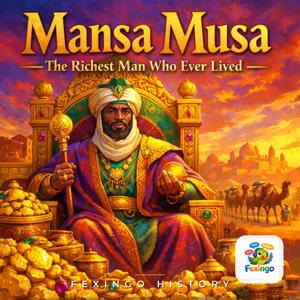


How did Mansa Musa's gold end up in the coins of medieval Europe? This episode traces the journey of West African gold from the Mali Empire to the mints of Italy, France, and England. Lucas and Luna explore the trans-Saharan trade routes that funneled gold to North African ports like Tunis and Ceuta, where European merchants bought it for minting into florins, ducats, and even English nobles. They discuss the role of the Catalan Atlas, which depicted Mansa Musa holding a gold nugget, and how European rulers like Henry IV of England benefited from Mali's wealth. The episode also covers the competition between Genoese and Venetian traders for access to African gold, and the impact of the gold on European economies, including the inflation known as the 'price revolution.' The conversation ends with the irony that while Mansa Musa's name was known in Europe, the source of his wealth remained a mystery for centuries.
#MansaMusa #MaliEmpire #GoldTrade #TransSaharanTrade #CatalanAtlas #MedievalEurope #VenetianGold #GenoeseTrade #Florin #Ducat #EnglishNoble #HenryIV #NigerRiver #Taghaza #Walata #Fez #Tunis #FexingoHistory
Keep every episode free: buymeacoffee.com/fexingo
In this episode of Fexingo History, Lucas and Luna explore the legendary gold mines of Bambuk, the primary source of Mansa Musa's immense wealth. They discuss the geography of the Bambuk region, located between the Senegal and Falémé rivers, and how its gold deposits were formed by ancient geological processes. The conversation covers the secretive mining techniques used by the Soninke and Mandinka peoples, the role of the dyula merchants in transporting gold, and the political control exercised by the Mali Empire through farba governors. Lucas explains the debate among historians about whether Mansa Musa ever took direct control of the mines or left them in the hands of local chiefs. They also touch on the environmental impact of medieval mining and the decline of Bambuk's output after the 14th century. This episode offers a deep dive into the geological, economic, and political factors that made Bambuk the engine of the Mali Empire's prosperity.
#Bambuk #MansaMusa #MaliEmpire #GoldMines #WestAfrica #MedievalTrade #Soninke #Mandinka #Dyula #Farba #Geology #Mining #SenegalRiver #FalemeRiver #AlUmari #IbnBattuta #History #FexingoHistory
Keep every episode free: buymeacoffee.com/fexingo
While Mansa Musa's gold and pilgrimage have been covered extensively, this episode explores the agricultural backbone of the Mali Empire that sustained its population and trade. Lucas and Luna delve into the ingenious farming techniques of the Mande people along the Niger River, the cultivation of sorghum, millet, and rice, and the role of fishers and farmers in supporting the empire's wealth. They discuss the importance of the Niger's floodplains for agriculture, the use of terracing, and the management of food surplus. The episode also touches on the Kouroukan Fouga charter's provisions for land use, the role of farba as provincial governors overseeing food production, and the integration of farming communities into the Mali economy. Discover how Mansa Musa's empire was not just built on gold but on the fertile lands of the Sahel.
#MansaMusa #MaliEmpire #AfricanAgriculture #NigerRiver #Sahel #FoodHistory #Mande #KouroukanFouga #Farba #Sorghum #Millet #Rice #FloodplainFarming #WestAfrica #History #FexingoHistory #Podcast #Agriculture #GoldTrade #Timbuktu
Keep every episode free: buymeacoffee.com/fexingo
In Episode 40 of Fexingo History's Mansa Musa series, Lucas and Luna explore the crucial role of griots in the Mali Empire. These oral historians were not just praise-singers but the living archives of the Mande people, preserving genealogies, laws, and epic tales like the Epic of Sundiata. Lucas explains how griots underwent rigorous training from childhood, memorizing centuries of history verbatim, and how their art of verbal artistry ensured the continuity of Mali's legacy long after its decline. The episode delves into specific griot families, the instruments they used (like the kora), and their social status as advisors and diplomats. Lucas also discusses how griots adapted after the fall of the Mali Empire, continuing to keep traditions alive into the 21st century. This episode sheds light on a vital but often overlooked aspect of Mansa Musa's world—the human memory that preserved his story and that of his predecessors.
#MansaMusa #Griots #MaliEmpire #OralTradition #EpicOfSundiata #Kora #Mande #WestAfrica #History #FexingoHistory #SundiataKeita #Jeli #Niani #Sunjata #WestAfricanHistory #OralHistory #TransSaharan #MedievalAfrica #GoldTrade #Timbuktu
Keep every episode free: buymeacoffee.com/fexingo
In this episode, Lucas and Luna explore Mansa Musa's diplomatic correspondence with the Mamluk Sultan al-Nasir Muhammad, based on the account of Al-Umari. They discuss how the Mali emperor's letters, written in Arabic and carried by his ambassadors, reveal the sophisticated chancery culture of his court. The conversation covers the content of the letters—requests for protection of pilgrims, offers of gifts, and discussions of tribute—and the broader diplomatic networks of the Mali Empire. Lucas explains the role of the qadi and the use of secretaries in crafting these messages, and how the Mamluks responded. The episode also touches on the symbolic meaning of gold in these exchanges and what the letters tell us about Mansa Musa's political ambitions.
#MansaMusa #MaliEmpire #AlUmari #MamlukSultanate #Diplomacy #Gold #Timbuktu #Hajj #Letters #Ambassador #Qadi #Arabic #Cairo #AlNasirMuhammad #WestAfrica #Medieval #Sahara #FexingoHistory #GoldTrade #MedievalAfrica
Keep every episode free: buymeacoffee.com/fexingo
In this episode, Lucas and Luna explore a little-known aspect of Mansa Musa's legendary 1324 pilgrimage: the lavish diplomatic gifts he presented to the Mamluk sultan al-Nasir Muhammad in Cairo. Drawing on the accounts of the Egyptian historian al-Umari, who interviewed officials who witnessed the encounter, they unpack the staggering quantities of gold dust, ingots, and luxury items Musa gave away. They also examine the political calculations behind the gifts—how Musa used wealth to secure alliances, display Mali's power, and navigate the complex Mamluk court. The conversation touches on the protocols of gift-giving in the Islamic world, the lasting impression Musa made on Cairo's elite, and how these gifts contributed to his legendary status. No previous episodes have focused solely on the diplomatic strategy of Musa's pilgrimage, making this a fresh angle on his legendary journey.
#MansaMusa #MalEmpire #AlUmari #MamlukSultanate #AlNasirMuhammad #Cairo #Hajj #GoldGifts #Diplomacy #IslamicHistory #WestAfrica #MedievalTrade #TransSaharan #GiftGiving #Gold #Pilgrimage #History #FexingoHistory #MaliEmpire #GoldTrade
Keep every episode free: buymeacoffee.com/fexingo
Everyone knows Mansa Musa for gold, but what about copper? In this episode, Lucas and Luna explore the role of copper in the Mali Empire—its use in currency, status objects, and trade. They discuss the mines of Takedda, the trans-Saharan copper trade, and how copper flowed alongside salt and gold. The episode also touches on the mysterious 'copper bars' mentioned by Ibn Battuta, the role of copper in armlets and royal regalia, and how the Wangara traders handled this metal. A fresh angle on the wealth of Mansa Musa's empire.
#MansaMusa #MaliEmpire #Copper #TransSaharanTrade #Takedda #IbnBattuta #Wangara #Gold #Salt #WestAfrica #MedievalAfrica #Trade #Currency #Metal #Sijilmasa #Niani #FexingoHistory #History #GoldTrade #Timbuktu
Keep every episode free: buymeacoffee.com/fexingo
In this episode of Fexingo History, Lucas and Luna explore a lesser-known aspect of Mansa Musa's reign: his systematic patronage of Islamic scholarship through gold stipends. They delve into how Musa used his legendary wealth not just for display but to transform Timbuktu into a center of learning, attracting scholars like Abu Ishaq al-Sahili and funding the Sankore Madrasa. The conversation also touches on the controversy surrounding the lavish salaries paid to qadis and imams, which some saw as corrupting religious integrity, and how this patronage created a unique intellectual culture that outlasted the empire itself. Drawing on accounts from Al-Umari and Ibn Battuta, they examine the sums involved—some scholars received up to 200 mithqals of gold annually—and the ripple effects on West African education and law. This episode offers a fresh angle on Mansa Musa's legacy, focusing on the gold that greased the wheels of knowledge rather than just the coins he scattered in Cairo.
#MansaMusa #Timbuktu #SankoreMadrasa #MaliEmpire #GoldPatronage #IslamicScholarship #AbuIshaqalSahili #AlUmari #IbnBattuta #WestAfrica #MedievalAfrica #Qadis #Maliki #GoldStipends #Scholars #History #FexingoHistory #Podcast #GoldTrade #SundiataKeita
Keep every episode free: buymeacoffee.com/fexingo
When you think of Mansa Musa, you think of gold, camels, and caravans crossing the Sahara. But the Mali Empire's true superpower was its navy. On the Niger River, a fleet of hundreds of war canoes — some over 80 feet long — controlled trade, projected power, and transported armies. This episode dives into the forgotten naval tradition of the Mande people. We explore the Bozo and Sorko boat-builders, the strategic use of the river as a highway, the legendary naval battle against the Songhai, and how control of the Niger allowed Mansa Musa to project influence from the inland delta to the Atlantic. Lucas and Luna examine archaeological evidence from Jenne-Jeno, the role of the farba (provincial governors) in managing river trade, and the lasting impact of Mali's maritime power on West African history. Discover how wood and water, not just desert caravans, built the richest empire of its time.
#MaliEmpire #NigerRiver #Bozo #Sorko #MansaMusa #WestAfricanHistory #NavalHistory #JenneJeno #Farba #SonghaiEmpire #Mande #RiverTrade #AfricanEmpires #Canoe #InlandDelta #MaritimeHistory #FexingoHistory #History #WestAfrica #GoldTrade
Keep every episode free: buymeacoffee.com/fexingo
In this episode, Lucas and Luna explore the unsung architects and engineers of the Mali Empire under Mansa Musa. They delve into the role of the farba (governors) in commissioning public works, the construction of the Djinguereber and Sankore mosques using banco (mud-brick), and the influence of Abu Ishaq al-Sahili, the Andalusian poet-architect who brought fired brick and geometric design to Timbuktu. The hosts discuss the organization of labor, the use of enslaved and free artisans, the challenges of building on the Niger River's floodplains, and how these structures served as symbols of Islamic piety and imperial power. They also touch on the maintenance of these mud-brick buildings, which require annual replastering, and the role of the community in preserving them. The episode offers a fresh perspective on Mansa Musa's reign by focusing not on gold or pilgrimage, but on the physical legacy that still stands today.
#MansaMusa #MaliEmpire #Timbuktu #AbuIshaqalSahili #Djinguereber #Sankore #Architecture #Banco #WestAfrica #MedievalAfrica #IslamicArchitecture #Engineering #Farba #NigerRiver #Sahara #AfricanHistory #History #FexingoHistory #GoldTrade #SundiataKeita
Keep every episode free: buymeacoffee.com/fexingo
From the publisher's feed