Master of Ballantrae

Master of Ballantrae

By Robert Louis StevensonArtsBooksKids & FamilyStories for Kids
Download on the App Store

Master of Ballantrae episodes

  • Plea for Ragged Schools; or, Prevention Better than Cure-Thomas Guthrie
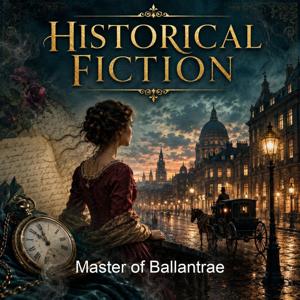
    Heir to a noble Scottish house in the mid 18th century, the Master is a charming, clever, and resourceful villain whose daring but ill-advised schemes first alienate his patrimony and at last cost him his life. His younger brother, sweet-tempered and good but dull and unpopular, suffers at the Master's hands until his patience and courage win him limited ascendancy, but he is at last consumed with hatred and driven to madness and death by the strain of his many sufferings. The story is told from the point of view of a loyal servant with the occasional insertion of documents in the words of other eye-witnesses. The episodic plot, although exciting, serves mainly as a structure on which to hang superb character studies. The Master, whom one both admires and hates, bears comparison with Long John Silver, not to mention Milton's Satan, to whom the narrator explicitly likens him. The secondary characters—narrator, father, and wife—are deftly characterized, and (with the exception of the two children) even the minor characters are vivid and memorable.Except for a few highly dialectal passages whose spelling insists on a Scottish burr, the reading eschews any false accent. (T. A. Copeland)

    1 hr 43 min
  • Knights of the Square Table-Seckatary Hawkins
    Heir to a noble Scottish house in the mid 18th century, the Master is a charming, clever, and resourceful villain whose daring but ill-advised schemes first alienate his patrimony and at last cost him his life. His younger brother, sweet-tempered and good but dull and unpopular, suffers at the Master's hands until his patience and courage win him limited ascendancy, but he is at last consumed with hatred and driven to madness and death by the strain of his many sufferings. The story is told from the point of view of a loyal servant with the occasional insertion of documents in the words of other eye-witnesses. The episodic plot, although exciting, serves mainly as a structure on which to hang superb character studies. The Master, whom one both admires and hates, bears comparison with Long John Silver, not to mention Milton's Satan, to whom the narrator explicitly likens him. The secondary characters—narrator, father, and wife—are deftly characterized, and (with the exception of the two children) even the minor characters are vivid and memorable.Except for a few highly dialectal passages whose spelling insists on a Scottish burr, the reading eschews any false accent. (T. A. Copeland)
    8 hr 9 min
  • Through Swamp and Glade A Tale of the Seminole War-Kirk Munroe
    Heir to a noble Scottish house in the mid 18th century, the Master is a charming, clever, and resourceful villain whose daring but ill-advised schemes first alienate his patrimony and at last cost him his life. His younger brother, sweet-tempered and good but dull and unpopular, suffers at the Master's hands until his patience and courage win him limited ascendancy, but he is at last consumed with hatred and driven to madness and death by the strain of his many sufferings. The story is told from the point of view of a loyal servant with the occasional insertion of documents in the words of other eye-witnesses. The episodic plot, although exciting, serves mainly as a structure on which to hang superb character studies. The Master, whom one both admires and hates, bears comparison with Long John Silver, not to mention Milton's Satan, to whom the narrator explicitly likens him. The secondary characters—narrator, father, and wife—are deftly characterized, and (with the exception of the two children) even the minor characters are vivid and memorable.Except for a few highly dialectal passages whose spelling insists on a Scottish burr, the reading eschews any false accent. (T. A. Copeland)
    8 hr 50 min
  • Treasure Island (version 2)-Robert Louis Stevenson
    Heir to a noble Scottish house in the mid 18th century, the Master is a charming, clever, and resourceful villain whose daring but ill-advised schemes first alienate his patrimony and at last cost him his life. His younger brother, sweet-tempered and good but dull and unpopular, suffers at the Master's hands until his patience and courage win him limited ascendancy, but he is at last consumed with hatred and driven to madness and death by the strain of his many sufferings. The story is told from the point of view of a loyal servant with the occasional insertion of documents in the words of other eye-witnesses. The episodic plot, although exciting, serves mainly as a structure on which to hang superb character studies. The Master, whom one both admires and hates, bears comparison with Long John Silver, not to mention Milton's Satan, to whom the narrator explicitly likens him. The secondary characters—narrator, father, and wife—are deftly characterized, and (with the exception of the two children) even the minor characters are vivid and memorable.Except for a few highly dialectal passages whose spelling insists on a Scottish burr, the reading eschews any false accent. (T. A. Copeland)

    7 hr 33 min
  • Boy Scouts First Camp Fire-St. George Henry Rathborne
    Heir to a noble Scottish house in the mid 18th century, the Master is a charming, clever, and resourceful villain whose daring but ill-advised schemes first alienate his patrimony and at last cost him his life. His younger brother, sweet-tempered and good but dull and unpopular, suffers at the Master's hands until his patience and courage win him limited ascendancy, but he is at last consumed with hatred and driven to madness and death by the strain of his many sufferings. The story is told from the point of view of a loyal servant with the occasional insertion of documents in the words of other eye-witnesses. The episodic plot, although exciting, serves mainly as a structure on which to hang superb character studies. The Master, whom one both admires and hates, bears comparison with Long John Silver, not to mention Milton's Satan, to whom the narrator explicitly likens him. The secondary characters—narrator, father, and wife—are deftly characterized, and (with the exception of the two children) even the minor characters are vivid and memorable.Except for a few highly dialectal passages whose spelling insists on a Scottish burr, the reading eschews any false accent. (T. A. Copeland)

    5 hr 51 min
  • Treasure Island (version 3, dramatic reading)-Robert Louis Stevenson
    Heir to a noble Scottish house in the mid 18th century, the Master is a charming, clever, and resourceful villain whose daring but ill-advised schemes first alienate his patrimony and at last cost him his life. His younger brother, sweet-tempered and good but dull and unpopular, suffers at the Master's hands until his patience and courage win him limited ascendancy, but he is at last consumed with hatred and driven to madness and death by the strain of his many sufferings. The story is told from the point of view of a loyal servant with the occasional insertion of documents in the words of other eye-witnesses. The episodic plot, although exciting, serves mainly as a structure on which to hang superb character studies. The Master, whom one both admires and hates, bears comparison with Long John Silver, not to mention Milton's Satan, to whom the narrator explicitly likens him. The secondary characters—narrator, father, and wife—are deftly characterized, and (with the exception of the two children) even the minor characters are vivid and memorable.Except for a few highly dialectal passages whose spelling insists on a Scottish burr, the reading eschews any false accent. (T. A. Copeland)
    6 hr 21 min
  • Havelok the Dane A Legend of Old Grimsby and Lincoln - Charles Watts Whistler
    Havelok the Dane is a captivating tale set in the legendary landscapes of Old Grimsby and Lincoln, penned by Charles Watts Whistler. This story explores themes of heroism, identity, and the enduring struggle for justice, making it a timeless narrative that resonates with listeners today. As Havelok embarks on his quest, the rich historical backdrop and the exploration of loyalty and courage invite reflection on the values that shape our own lives. The legend's enduring appeal lies in its ability to transport audiences to a bygone era while highlighting universal themes that remain relevant across generations. Experience this classic tale that intertwines history and legend in a way that continues to inspire.
    8 hr 57 min
  • Master of Ballantrae - Robert Louis Stevenson
    Heir to a noble Scottish house in the mid 18th century, the Master is a charming, clever, and resourceful villain whose daring but ill-advised schemes first alienate his patrimony and at last cost him his life. His younger brother, sweet-tempered and good but dull and unpopular, suffers at the Master's hands until his patience and courage win him limited ascendancy, but he is at last consumed with hatred and driven to madness and death by the strain of his many sufferings. The story is told from the point of view of a loyal servant with the occasional insertion of documents in the words of other eye-witnesses. The episodic plot, although exciting, serves mainly as a structure on which to hang superb character studies. The Master, whom one both admires and hates, bears comparison with Long John Silver, not to mention Milton's Satan, to whom the narrator explicitly likens him. The secondary characters—narrator, father, and wife—are deftly characterized, and (with the exception of the two children) even the minor characters are vivid and memorable.Except for a few highly dialectal passages whose spelling insists on a Scottish burr, the reading eschews any false accent. (T. A. Copeland)
    8 hr 47 min

About Master of Ballantrae

From the publisher's feed

Heir to a noble Scottish house in the mid 18th century, the Master is a charming, clever, and resourceful villain whose daring but ill-advised schemes first alienate his patrimony and at last cost him…