
Sign up to save your podcasts
Or

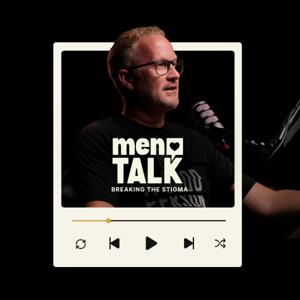


From the outside, Jim Maley looked like someone who had plenty going for him. He was a talented basketball player who began his college career at Northwestern, later became a teacher and coach, built a family, and continued showing up for the people around him.
But internally, Jim was battling depression in ways many people could not see.
In this episode of Men, Talk: Breaking the Stigma, Jim opens up about the warning signs he didn’t recognize, the conversation with Coach Bill Carmody that he wasn’t ready to hear, and the powerful role his mother played in helping him finally understand what he was experiencing.
Jim also shares one of the most important moments of his story: standing in front of his basketball players and telling them the truth about his mental health. That honesty opened the door for one of those young men to come forward about his own struggles—a reminder of what can happen when one person decides to stop pretending.
The conversation explores depression, masculinity, asking for help, fatherhood, coaching, vulnerability, and the creation of The Maley Way.
Because depression doesn’t always look like someone falling apart.
Sometimes it looks like the person who keeps showing up.
🎙️ Men, Talk: Breaking the Stigma
Jim Maley — “The Depression Nobody Could See”
Real conversations. Real stories. Real hope.
What happens when the man behind the microphone is struggling, too?
In this deeply personal midseason episode of Men, Talk: Breaking the Stigma, host Darren Zancan reflects on the powerful conversations that have shaped the podcast so far—and the heartbreaking comments from men who continue to share their struggles on social media.
Men who feel invisible. Men who are exhausted. Men who believe life has become impossible. Men who aren't sure they want to keep living.
Darren wants them to know their voices are being heard.
But this time, he's opening up about his own struggles, too.
After welcoming his son into the world, losing his corporate job, and experiencing depression and the emotional challenges of becoming a new father, Darren is navigating a difficult shift in identity, purpose, and his sense of himself as a provider.
He loves being a dad. He's grateful for his family. And he's still struggling.
Because gratitude and depression can exist at the same time.
This episode is a reminder that even the person encouraging others to keep going sometimes needs support himself.
You don't have to figure out your entire future today. You don't have to carry everything alone. And you don't have to pretend you're okay.
If life feels impossible right now, please reach out to someone and let them know.
Please stay. Your story isn't over.
🎙️ Men, Talk: Breaking the Stigma
Real conversations. Real stories. Real hope.
Content note: This episode discusses depression and suicidal thoughts. If you're in crisis in the United States, call or text 988 for immediate support.
Some losses divide life into before and after.
In this episode of Men, Talk: Breaking the Stigma, Bob Hornickel joins Darren for one of the most emotional and important conversations of the season — an honest discussion about losing a son to suicide, the grief that follows, and what it means to keep living when a piece of your family is forever missing.
Bob opens up about fatherhood, unanswered questions, guilt, anger, love, and the complicated reality of suicide loss. He also shares how his family has worked to carry their son's memory forward, turning unimaginable pain into purpose through advocacy, community, and the 1441 Foundation.
This isn't a conversation about “moving on.”
It's about learning how to carry grief without allowing grief to become the only thing you carry.
Bob talks about the memories that still make him smile, the importance of supporting veterans and families affected by suicide, and why people who have experienced this kind of loss need space to tell their stories.
Because the people we lose are never statistics.
They are sons, fathers, brothers, husbands, friends — and people who are deeply loved.
And sometimes hope after loss doesn't mean the pain disappears.
It means finding a reason to keep living, loving, remembering, and helping someone else.
Real conversations. Real stories. Real hope.
Life doesn’t always give us a warning before the storm hits.
In Episode 6 of Men, Talk: Breaking the Stigma, Rob Johnson joins Darren for an honest conversation about navigating the difficult seasons of life, the weight men often carry quietly, and what it means to keep moving forward when life doesn’t go according to plan.
“Riding Through the Storm” is about resilience—not pretending the hard moments aren’t happening, but learning how to face them, talk about them, and find a way through.
The conversation explores the pressure men feel to stay strong, the importance of having people around you when things get heavy, and why real strength can sometimes look like admitting you’re struggling.
Because the goal isn’t to live a life without storms.
It’s knowing you don’t have to ride through them alone.
🎙️ Men, Talk: Breaking the Stigma
Episode 6: Rob Johnson — “Riding Through the Storm”
Real conversations. Real stories. Real hope.
or those who don’t know Skypp, there’s a lot more behind the name than music.
Byron Horton, known professionally as Skypp, is an Indianapolis-born rapper, songwriter and record producer who has become one of the city’s prominent voices in hip-hop. His music has earned multiple appearances on the iTunes rap charts, including a No. 6 showing for Sorry 4 My Trauma, and his career has put him on stages alongside artists including Babyface, DMX, Too $hort and others.
But behind the accomplishments is a story shaped by struggle.
In this episode of Men, Talk: Breaking the Stigma, Skypp opens up about trauma, identity, healing, and the experiences that helped shape both the man and the artist he became.
Growing up on the east side of Indianapolis, Skypp experienced poverty, loss, family struggles and the pressure to survive—experiences he would eventually begin putting into his music rather than continuing to carry silently. His album Sorry 4 My Trauma was itself rooted in confronting those experiences and turning pain into something other people could feel and understand.
“Turning Trauma Into Testimony” goes beyond the music.
It’s a conversation about the things we’re taught to believe about ourselves, the wounds we carry long after the moment has passed, and what happens when we finally decide our trauma doesn’t get to write the ending of our story.
Skypp talks about growth, vulnerability, purpose, and finding the courage to turn some of the hardest parts of his life into something that can connect with—and potentially help—someone else.
Because healing doesn’t mean pretending the pain never happened.
Sometimes healing begins when we finally talk about it.
And sometimes the story you once wanted to hide becomes the testimony another person desperately needs to hear.
🎙️ Men, Talk: Breaking the Stigma
Skypp — “Turning Trauma Into Testimony”
Real conversations. Real stories. Real hope.
In Episode 4 of Men, Talk: Breaking the Stigma, host Darren Zancan sits down with Cedric A. Washington, an educator, author, speaker, youth advocate, and Founder and Executive Director of N.E.R.D. Youth Services, Inc. Cedric is also the creator of the Knowledge of S.E.L.F. Curriculum.
Together, Darren and Cedric explore an important question: What do young men need before pain, pressure, disappointment, and society’s expectations begin to harden them?
Cedric shares how his journey through basketball, coaching, education, and mentorship revealed the powerful need for consistent male role models. His mission is to help young people—especially young men—understand their identity, recognize their potential, develop emotional intelligence, and believe they can become more than their circumstances.
The conversation examines the messages boys often receive from an early age: be tough, hide your feelings, handle everything alone, and never let anyone see you struggle. Over time, sadness can look like anger, fear can become defiance, and pain can turn into silence.
Darren and Cedric discuss why young men need safe spaces where they can express themselves without being judged or told to “man up.” Cedric explains why crying is not weakness and why teaching boys to understand their emotions can prevent those emotions from controlling their choices later in life.
They also address the influence of social media, sports culture, instant gratification, and unrealistic definitions of success. Young men are constantly shown images of wealth, fame, and achievement, but they are not always given the discipline, patience, support, and self-awareness needed to build a meaningful life.
At the center of Cedric’s work is the belief that young people must develop a true knowledge of self. Before a young man can confidently choose his future, he must understand his identity, history, emotions, strengths, and purpose.
“What Young Men Need Before Life Hardens Them” is a powerful conversation about mentorship, emotional safety, identity, education, and reaching boys before survival becomes the only way they know how to live.
When we teach a young man who he is, give him a safe place to speak, and surround him with people who refuse to give up on him, we can help change the direction of his life.
In this episode of Men, Talk, Darren sits down with Jason Prinzo, a men’s mental health speaker and advocate, for a powerful conversation about anxiety, depression, suicide prevention, childhood trauma, and the mask so many men wear when they are falling apart inside.
Jason helps unpack why men often hide their pain, how early experiences can shape the way we see ourselves, and why silence can become dangerous when men do not have a safe place to talk.
This episode is about breaking the belief that men have to be fine, strong, quiet, and emotionless all the time. It is about learning that vulnerability is not weakness, asking for help is not failure, and the truth you are afraid to say out loud may be the thing that starts your healing.
Men, Talk exists to create honest conversations around men’s mental health, healing, growth, resilience, and the stories that shape us.
If you have ever said, “I’m good,” while silently struggling, this conversation is for you.
If you are struggling or in crisis, call or text 988 in the U.S. You are not alone.
In this episode of Men, Talk, Darren sits down with Jim Herbert, founder of The MindSmith Academy, for a powerful conversation about mindset, mindfulness, meditation, martial arts, and what it really means for men to slow down and do the inner work. Jim brings decades of experience helping people develop self-awareness, discipline, emotional control, and a deeper connection to themselves.
“Becoming the Man You’re Meant to Be” is about more than motivation. It is about learning how to face yourself, process what you carry, and build the tools needed to grow, heal, and show up differently.
Because becoming better does not happen by pretending everything is fine.
It happens when men do the work.
In the first episode of Men, Talk, host Darren Zancan introduces the heart behind the podcast through his own story of depression, suicidal thoughts, grief, adoption, toxic relationship pain, therapy, weight loss, mindset change, and finding hope again. This solo episode sets the tone for the entire show: real conversations, real stories, and real hope for men who have been taught to suffer in silence.
From the publisher's feed