It's a simple idea, but one that shapes everything Russ Willenbring does at Produce Acres.
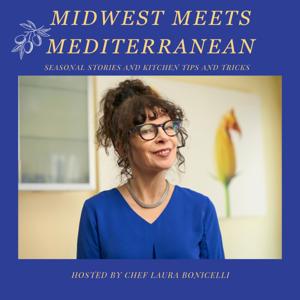
In this episode of Midwest Meets Mediterranean, Chef Laura Bonicelli visits the farm and walks the fields with Russ to explore the connection between soil health, plant nutrition, flavor, and human health. Known throughout the Twin Cities farmers market community for his exceptional asparagus, berries, and vegetables, Russ has spent decades developing a farming philosophy rooted in the belief that healthy plants are naturally more resilient.
Rather than relying on pesticides, Russ focuses on feeding the soil and providing plants with the micronutrients they need to thrive. The result is produce that is flavorful, nutrient-dense, and capable of defending itself against many of the challenges modern farmers face.
Together, Laura and Russ discuss asparagus, aronia berries, organic farming, Brix measurements, family farming, and why the health of our food begins long before a seed is planted.
Whether you're a gardener, farmers market shopper, home cook, or simply curious about where your food comes from, this conversation offers a fascinating look at the relationship between healthy soil and healthy food.
Episode Timestamps
00:00 Introduction
00:18 Walking the Fields at Produce Acres
02:20 What Russ Grows Beyond Asparagus
04:20 Why Healthy Plants Resist Pests Naturally
05:18 How Produce Acres Got Started
07:20 Pick-Your-Own Strawberries and Early Success
09:00 Where Russ Sells His Produce
10:10 Why His Asparagus Tastes Different
11:55 Flavor Starts with Nutrition
14:35 The Journey to Organic Farming
16:58 A Message from Chef Laura
17:27 How Brix Levels Measure Food Quality
20:05 Are Sweet Foods Actually Healthier?
22:00 Aronia Berries: Minnesota's Superfruit
24:15 Life Starts in the Soil
26:50 Can Young Farmers Still Make It?
29:10 Russ's Family Farming Story
32:50 How Russ Cooks Asparagus
34:20 Can Organic Farming Feed the World?
36:00 Why Modern Food Doesn't Spoil the Way It Should
39:40 Customers Who Can Taste the Difference
41:15 Final Thoughts
About Russ Willenbring
Russ Willenbring is the owner of Produce Acres, a Minnesota farm known for exceptional asparagus, berries, vegetables, and a deep commitment to soil health. Through decades of farming, Russ has developed a growing philosophy centered on plant nutrition, biological diversity, and producing food that tastes the way food is supposed to taste.
Russ is a regular vendor at the Minneapolis Farmers Market, where he is known for exceptional asparagus, aronia berries, berries, and seasonal produce.
Episode Timestamps
00:00 Introduction
00:18 Walking the Fields at Produce Acres
02:20 What Russ Grows Beyond Asparagus
04:20 Why Healthy Plants Resist Pests Naturally
05:18 How Produce Acres Got Started
07:20 Pick-Your-Own Strawberries and Early Success
09:00 Where Russ Sells His Produce
10:10 Why His Asparagus Tastes Different
11:55 Flavor Starts with Nutrition
14:35 The Journey to Organic Farming
16:58 A Message from Chef Laura
17:27 How Brix Levels Measure Food Quality
20:05 Are Sweet Foods Actually Healthier?
22:00 Aronia Berries: Minnesota's Superfruit
24:15 Life Starts in the Soil
26:50 Can Young Farmers Still Make It?
29:10 Russ's Family Farming Story
32:50 How Russ Cooks Asparagus
34:20 Can Organic Farming Feed the World?
36:00 Why Modern Food Doesn't Spoil the Way It Should
39:40 Customers Who Can Taste the Difference
41:15 Final Thoughts
About Russ Willenbring
Russ Willenbring is the owner of Produce Acres, a Minnesota farm known for exceptional asparagus, berries, vegetables, and a deep commitment to soil health. Through decades of farming, Russ has developed a growing philosophy centered on plant nutrition, biological diversity, and producing food that tastes the way food is supposed to taste.
In This Episode
• Why Russ chooses not to rely on pesticides
• The role of micronutrients in plant health
• What Brix levels reveal about food quality
• How soil health affects flavor and nutrition
• Growing asparagus and aronia berries in Minnesota
• The challenges facing family farms
• Can organic farming feed the world?
• Why customers can taste the difference
Connect with Midwest Meets Mediterranean
Subscribe for more conversations with farmers, producers, artisans, chefs, and experts who are shaping the way we grow, cook, and think about food.
In This Episode
• Why Russ chooses not to rely on pesticides
• The role of micronutrients in plant health
• What Brix levels reveal about food quality
• How soil health affects flavor and nutrition
• Growing asparagus and aronia berries in Minnesota
• The challenges facing family farms
• Can organic farming feed the world?
• Why customers can taste the difference
Connect with Midwest Meets Mediterranean
Subscribe for more conversations with farmers, producers, artisans, chefs, and experts who are shaping the way we grow, cook, and think about food.
Bonicelli Cooking Club
Substack
Russ Willenbring
Produce Acres