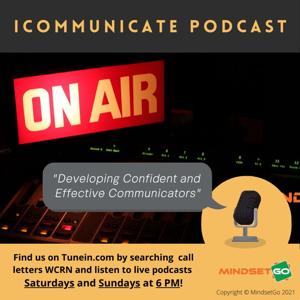
MindsetGo iCommunicate Podcast

MindsetGo iCommunicate Podcast

By MindsetGo PodcastBusiness
Download on the App Store

MindsetGo iCommunicate Podcast episodes

  • ICommunicate Radio Show #145: What it Looks Like When a Leader Knows How to Coach
    In this episode of ICommunicate, new MindsetGo coach Patty Burke joins Mark Altman to discuss how leaders can become effective coaches, what gets in the way of being a good coach and how coaching starts with managing yourself.Segment 1: As easy as it sounds to put ourselves in another person's shoes, not all of us are prepared to put ourselves in the mindset to do so. What are the qualities that determine an effective leader and coach, and how do we know that we possess those qualities? Why is it so hard to put ourselves in another person’s shoes, and what can make it easier for us? Segment 2:“Be mindful” is a phrase we hear day in and day out, but what does that actually mean? What are the benefits of mindfulness, and how does it apply to different aspects of our lives? What questions should we be asking people who seek change in their lives to motivate them and get them to understand what the root cause of their insecurities or problems may be?Segment 3:Leaders, we have to stop expecting our team member’s habits to change after one, long conversation -- but what is the alternative to that? How can we make habit change manageable for our employees, so that check-ins don’t waste our time or theirs? Why is it important for us, as leaders, to get our employees to understand their own problems, as opposed to us spelling them out for them?Segment 4: We’re an outcome-driven society, where our priority by the end of the day is to hit our numbers -- but what about every other aspect of our lives? Why should we shift our mindset to prioritize processes and development instead of outcomes? Each and every one of us has some internal motivation that drives us to do what we do -- can you identify what those aspirations are in each and every one of your teammates?
    43 min
  • ICommunicate Radio Show #144: Here to Stay
    In the frantic need to hire more people, the group we often forget to attend to are the folks who stay — those showing up day-in and day-out shouldering the work that needs to get done. Think about what these people — the ones who are here, working for and with you — need now. In this episode of ICommunicate, Mark discusses how to use “Stay interviews” and other retention strategies to assess needs and wants, engage, appreciate and recognize the loyal employees who have stayed.Segment 1: When we spend enough time and effort reacting to people who are in need, the people who have been most loyal to us can fall by the wayside. How can we show our appreciation to the employees who have been loyal to us, and why is it important that we consistently do so? What are “stay interviews,” and why should we be initiating them? Segment 2:Part of your job as a leader is to consistently check in on your team and gauge their engagement with the company. What questions can we ask members of our team to understand their values and how they align with the values of the company? If a team member has a concern about their future with the company, how should we address it?Segment 3:So much of leadership comes down to the mindset and behaviors that you’re modeling, given that your attitude towards work will be especially contagious? What strategies can we use to ensure that our team feels like they’re making significant contributions to the company, and that they’re meeting expectations? When somebody feels like they can’t be a part of the team anymore, how should we react to that?Segment 4: When somebody feels like they don’t belong in the company anymore, we have a few options at our disposal. What are those options, and how can we assess which one will work best in our given situation? What questions should we ask to understand the root cause of our team member’s concerns regarding their future with the company?
    43 min
  • ICommunicate Radio Show #143- The Blind Leading The Blind
    In this episode of ICommunicate, Robert Bush, a Sales Leader from Connection, once again joins Mark Altman to discuss critical steps to be self-aware of heading into habit change conversations and how to get people comfortable sharing their truth about where they need help.Segment 1: Integrating learning and development training into our workplace culture is much easier said than done. How can we educate people about the importance of self-reflection and evolving from their mistakes? How can we make time in the day for learning and development, and how can we sustain a positive attitude towards it?Segment 2:Developing the skill set to self-reflect and accurately identify your strengths and weaknesses is a challenge in and of itself, let alone teaching someone else how to do it. As leaders, how can we identify trends in our employee’s behaviors that need to be addressed? When should we intervene and talk about habit change with them, and how can we facilitate change?Segment 3:As leaders, we understand that one of the most difficult challenges that comes with leading our teams is maintaining a positive outlook. How can we maintain a positive attitude without feeling as though we have to fake it? How can we adjust our mindset to look at difficulties as a metric of improvement rather than a hindrance? Segment 4: The unfortunate truth regarding conversations around habit change is that there’s not a single, sure-fire solution -- some people may be more resistant to change or admitting their faults than others. How can we prepare for these conversations, ensuring that our approach derives from a place of humility rather than authority? How can we adjust our mindset so that we have a proactive outlook on work/life, and how can we make that attitude contagious?
    43 min
  • ICommunicate Radio Show #142: Personal Blind Spots
    In this episode of ICommunicate, Mark discusses how to use a tool to assess yourself, compare yourself to your peers/competitors, and also to find career growth opportunities. Segment 1: If somebody were to ask you what your greatest strengths and weaknesses are, would you be able to tell them with confidence what those are? How can we determine what our greatest strengths and weaknesses are? Who should we be approaching to gather feedback?Segment 2:We all have unique strengths that differentiate us from our peers, but determining what those are is often challenging. What strategies can we use to generate feedback for ourselves? What questions can we ask to understand what our positive and negative blind spots are?Segment 3:In your process for determining success, are you identifying areas that you’re improving on, or just focusing on outcomes? What questions should we be asking ourselves to identify our weaknesses? How can we build confidence in areas of our personal and professional lives that we believe we struggle in?Segment 4: Often there are opportunities for us to take advantage of in our personal and professional lives that we don’t see as obvious. What questions can we ask ourselves to recognize the opportunities around us, even when it seems like there aren’t any? What is the difference between internal and external threats, and how can we identify and act on them?
    43 min
  • ICommunicate Radio Show #141: Great Expectations
    How can you set clear boundaries at work and still feel like you are a team player? In this episode of ICommunicate, Mark discusses how to recognize what you expect of your boss, your peers, your direct reports, and meaningful personal relationships. Learn how to differentiate between a request and expectation and how to get to the root cause of what you truly expect of others.Segment 1: We often create expectations for people that they are unaware of, and subsequently become disappointed when said expectations are not met. How can we clarify those expectations and avoid future let downs? How does detail orientated communication play into expectations?Segment 2:The breakdown of communication can be narrowed down to three factors: unclear expectations, core values, and ambiguity. When communicating with others, we must consider three questions: What expectations are we setting, and what are the rules for creating them? How do we clearly communicate our core values? And finally, how do we remove ambiguity and achieve clarity?Segment 3:Just because we believe we communicated our expectations effectively, doesn’t mean that the receiver of that information perceives it in the same way. How does setting and managing clear and attainable expectations impact the workplace? What are the two simple steps in eradicating the; “I told them what I want, but they don't listen,” mindset, and how do we benefit from correcting it?Segment 4: Think about how you define your expectations; Are you clear in what you want and need? How can we balance accountability and empathy in a conversation? How can we allow room for “effortless empathy” in conversation through the application of introspection?
    45 min
  • ICommunicate Radio Show #140: Holding Salespeople Accountable
    In this episode of ICommunicate, Robert Bush, Senior Director of Sales for Connection, a Fortune 1000 company, joins Mark to discuss how to recognize complacency in salespeople, options to motivate and re-energize them, and how to hold your sales team accountable.Segment 1: Too often, salespeople become satisfied when they hit or exceed their quotas, causing a complacent mindset. Why can this mindset be dangerous, and how can we overcome it? Is motivation something that is inherent, or can we teach it? Segment 2:As salespeople we don't always have full transparency about how our customers feel about us, our product and our company. What strategies can we use to find out how our customers truly feel about us? What example should we be setting to ensure a culture of honesty in the workplace? What does it mean to “build a bank of equity,” and how will doing so benefit leaders and their teams?Segment 3:Sometimes certain members of our team may be hitting quotas, but fail to meet other expectations. Allowing this behavior can lead to a toxic workplace environment, as other employees may develop a resignation mindset. How do we determine creative rewards and consequences to motivate employees to strive for goals beyond the bottom line? What does it mean to “manage fearfully” and is it harmful or helpful to our team?Segment 4: Motivating employees who are sales-driven can be difficult, especially when they don’t feel incentivized to improve in other aspects of their job. What can we offer to these employees to encourage them to adopt emotionally intelligent habits and behaviors? How can employees who fall under this category hinder the development of the rest of the team?

    44 min
  • ICommunicate Radio Show #139: How to Know if Your Job Has Become Your Identity
    Can you distinguish your personal identity from your professional one? In this week’s episode of ICommunicate, Mark discusses the limitations that come as a result of having a resignation mindset as well as how to take control of the work-life balance issues that make your job feel toxic and overwhelming.Segment 1: For a lot of us, taking a 30-minute break every day is something that we can’t afford to do. How is it that shifting our mindset as well as reconsidering our priorities can lead to a healthier work-life balance? How can we reassess our schedule and set goals regarding how we manage our time?Segment 2:Think about how many times you’ve had a conversation with somebody new, and your career was a focal point of the discussion. At what point should we become concerned about our jobs determining our individuality? How much control do we have over our identity, and does it need to relate to our career?Segment 3: When we get out of the office, finish checking our emails, and go home, we can rest easy knowing that our work for the day is done… right? Why is it that our personal lives are so deeply linked to our careers? How can we gain the awareness to recognize when our work is taking over our personal lives to an unreasonable extent, and what can we do about it?Segment 4: If there was ever a time to reassess our identity and how it relates to our careers, it’s now. Have you taken the time to reflect on your identity, goals, and relationships, disconnected from work? How can we remind ourselves that our identity is not limited to our job, and discover that we have valuable qualities that would make us effective in other industries or hobbies?
    42 min
  • ICommunicate Radio Show #138: It May Be the Right Time to Give Up
    In this week’s episode of ICommunicate, Mark dissects the phrase “Never Give Up.” He discusses why that advice is often flawed, when it can be great advice, and what needs to accompany that advice to help develop the core competencies of resilience and grit.Segment 1: What kind of message are we sending to people when we tell them not to give up, and how does it affect their confidence and productivity? What strategies can we turn to when we feel the urge to give up on a goal that we’ve set?Segment 2:As leaders, it’s our job to model engagement and tend to the morale of our team. How can we ensure that our team is motivated and self-driven? If our team fails to meet its goals, how can we adjust without hurting the confidence of our team? Segment 3: Sometimes we’re faced with situations in which there are plenty of red flags that warn us to give up on something before proceeding with it. What red flags should we be looking for before making a decision and how do we know whether we should back out or follow through? Segment 4: When we get overwhelmed or stressed with our work, it becomes incredibly tempting to give up and walk away. When the going gets tough, what strategies can we use to pull ourselves back to reality and find the motivation to continue working? At what point, if any, should we give up on our goals and set new ones?
    47 min
  • ICommunicate Radio Show #137: Is This Meeting Necessary?
    In this episode of ICommunicate, Mark discusses how to determine if meetings are necessary, what makes an impactful meeting, how to make meeting or email communication relevant, and how to capture the attention of your meeting participants.Segment 1: When a meeting is called, the question on everyone’s mind quickly becomes: Is this meeting really necessary, or is this something that can be accomplished through email? How can we make meetings more productive and collaborative, ensuring that the meeting was well worth the time? How can we provide engaging and insightful emails that our employees are sure to read?Segment 2:Far too often, we hold meetings for things that could have been resolved through an email. How do we determine when it’s worth holding a meeting versus just sending an email? What are some other ways we can share information with our team either leading up to a meeting or in place of one, allowing us to make the most of our time?Segment 3: When calling a meeting, does everybody on your team understand their role in the conversation? What should we be including in an email to our team prior to a meeting? How can we set up our team in advance so that they come to the meeting prepared to contribute? Segment 4: Believe it or not, optimizing your meeting time frees up you and your team so that you can make the most of each and every day. How is it that creating a game plan for meetings can lead to an abundance of extra time to do other work? With all of this newfound time, what should we be prioritizing?
    44 min
  • ICommunicate Radio Show #136: Gauging Emotional Intelligence When Interviewing Leaders
    In this week’s episode of ICommunicate, Mark discusses how to assess a leader’s level of emotional intelligence during an interview. He discusses what questions to ask to ensure that their core values aligned with the company, how they deal with change, how they respond to adversity, and what behavior they model.Segment 1: Before we can interview potential leaders about their value and emotional intelligence, we need to know what steps to take to ensure that our interviewee will be comfortable and transparent. How can we ensure that a candidate that we’re interviewing has a psychological safety net? How can workplace culture influence the outcome of an interview?Segment 2:Time is valuable -- and with only so much time to interview a candidate for a leadership position, we need to know what questions to ask to reveal the most we can about their level of emotional intelligence. How can we uncover their habits around dealing with setbacks or conflict? Segment 3: Leaders, it’s essential that we understand not only our strengths, but our weaknesses as well. How can a story about growth and self-awareness about your weaknesses prove a high capacity of emotional intelligence? What questions can we ask to gauge a leader’s core values around learning, growth, and relationships?Segment 4: At the end of the day, what we’re really looking for in a candidate is somebody whose core values line up with the culture of the workplace. Why is it important that our leaders value work-life balance? Why is it essential that we uncover what motivates a candidate and how it fits into their long-term development plan?
    44 min

About MindsetGo iCommunicate Podcast

From the publisher's feed

Welcome to the iCommunicate Podcast where we develop the mindset and provide communication strategies to foster confidence, emotional intelligence, as well as organizational, team, or personal…