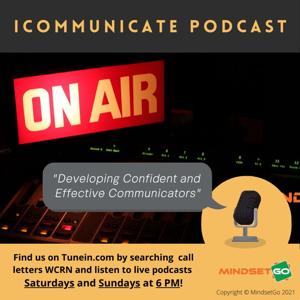
MindsetGo iCommunicate Podcast

MindsetGo iCommunicate Podcast

By MindsetGo PodcastBusiness
Download on the App Store

MindsetGo iCommunicate Podcast episodes

  • ICommunicate Radio Show #137: Read Between The Lines - Part 3
    In this episode of ICommunicate, Mark discusses how to discern, break down, and address feedback by asking questions and using emotionally intelligent communication to solve problems. He also discusses managing expectations within a team and providing an atmosphere where team members feel comfortable to initiate honest feedback.Segment 1: It takes an incredible amount of emotional intelligence to create a workplace culture where people feel comfortable giving and receiving feedback. What processes can we use to encourage 360 feedback? Segment 2:When expectations and priorities within our teams aren’t clear, it may be because we’re not asking the right questions or inviting enough feedback. How can we become more approachable leaders and inspire our teams to be open and honest with us? What questions should we be asking to uncover how members of our team truly feel about us?Segment 3: When a problem arises and we react before asking questions, we risk missing out on valuable information and making the problem worse. When should we be having one on one meetings, and how can we make them more productive? Segment 4: If we inspire a workplace culture of open and honest communication, odds are that we’ll be faced with some constructive feedback that we’ll need to work through. How should we be reacting to feedback, and what steps can we take to address it?
    42 min
  • ICommunicate Radio Show #139: Finding Your Passion - Part 1
    Are you doing what you want to do and are passionate about, or what you feel like you have to do and are resigned to your fate? In this episode of ICommunicate, Mark discusses how to discover and act on your passion in relationships, the workplace, and your career.Segment 1: Whether we’re towards the end of high school or deep into our professional career, it’s not uncommon to find ourselves at a crossroads when it comes to deciphering our passion. How can we determine where our passion lies? How can leisurely activities help us develop skills that may benefit our professional lives?Segment 2:Today it feels harder than ever to stay engaged with our work, especially given the fact that Covid has hindered several workplace factors that would otherwise serve as intrinsic motivators. What are some factors in and out of the workplace that may be hindering our ability to love what we do? Segment 3: Whether we realize it or not, the criticism that we direct towards our kids or colleagues create expectations that they inevitably fall into. How should we be communicating feedback with people who look up to us? How do the expectations of college students affect their professional development?
    35 min
  • ICommunicate Radio Show #135: Read Between The Lines
    What information can we gather from a conversation to discern the real message being communicated? When we lose clients or relationships weaken, it’s often due to the fact that customers don’t see us as individuals, our solution, or our company as valuable enough. In this episode of ICommunicate, Mark discusses client retention and communication strategies and how to be proactive about articulating and meeting expectations. Segment 1: It’s one thing to notice a person’s body language, tone, and word choice, but another thing to really understand what it means. What information can we gather from a conversation to discern what somebody is communicating to us? Why can’t we simply just assume how another person feels about a particular issue?Segment 2:When it comes to professional relationships, one mistake could turn out to be detrimental enough to where trust is lost between those two parties. In these situations, how can we earn that trust and respect back? Should we protect ourselves or the company first when we can’t get along with a client?Segment 3: When we lose clients, it’s often due to the fact that they don’t see us, our solution, or our company as valuable enough. How can we prove to them that we can be a valuable asset to them in both the short and long term?Segment 4: Having the mindfulness to slow down and digest all of the information that we’re presented with during a conversation is an essential skill in developing professional relationships with prospects. How often should we be reaching out to clients, and what questions should we be asking them?

    45 min
  • ICommunicate Radio Show #134: Sending The Right Message When Servicing Others
    In this episode of ICommunicate, Mark discusses what messages our behavior sends to prospects as well as how to adapt selling styles to the wants, needs, and baggage of buyers.Segment 1: What questions should we be asking to reveal a customer’s wants and needs? How can we provide the optimal buying experience?Segment 2:Our tone, body language, and word choice can mean the difference between frustrating a customer or making a sale. How can we make a good and lasting impression with potential clients? Segment 3: If our mindset isn’t aligned with the buyers’, we’re going to end up fighting an uphill battle to make that sale work. What are the types of buyers and sellers, and how do they relate to each other? How can we adapt our behavior to suit different kinds of buyers?Segment 4: How do we ensure that both parties walk away both feeling like they won in a negotiation?
    48 min
  • ICommunicate Radio Show #132: What Are You Trying To Say?
    Ever wonder why words like micromanage, help, change, and fault frustrate and trigger people so much? In this episode of ICommunicate, Mark discusses how to define terms and set expectations when getting people to be more open-minded, receptive to feedback, and more comfortable having difficult conversations.Segment 1: Nobody likes to be micromanaged, so coming to an agreement early on between leaders and our teams may be the key to avoiding that frustration. Why do words like “micromanage” and “help” cause people to be so irritated? What conversations should we be having with our teams to create an environment that invites feedback?Segment 2:Sitting down with a colleague and having a difficult conversation can be daunting on its own, never mind when you consider the fact that your word choice can make or break the dialogue. What mindset should we have going into these conversations, and how can we adapt to the flow of the discussion?Segment 3: We can follow all the right steps while communicating with someone, but still not manage to get the results that we wanted. What then? How can we navigate our way through difficult conversations without inadvertently devaluing what the other person has to say?Segment 4: As difficult as it is to be the bearer of bad news and reject somebody, it’s our responsibility to let them know. How should we communicate rejection with somebody, and is there a way to make it easier on us?
    43 min
  • ICommunicate Radio Show: #131 Finding The Right Words
    In this episode of ICommunicate, Mark discusses how to use the power of word choice to impact reframing negatives to positives, communicate change, and to more effectively influence and motivate.Segment 1: Words aren’t always as cut and dry as we may think they are, and what means something to us may not necessarily resonate the same way to another person. How can we better understand what words to say and what modes of communication are most effective?Segment 2:We often set such high standards for ourselves that when we don’t accomplish our goals right away, we never let ourselves hear the end of it. Why can this mindset be harmful not only to ourselves, but to the people we work with? How can we turn negative thoughts into productive ones?Segment 3: We don’t often give much thought to the way we treat ourselves and the unreasonably high expectations we set. What kinds of expectations should we be setting for ourselves and for our teams in the workplace? What kind of power does recognition have within a team?Segment 4: We’ve all been in situations where we’re disappointed with someone and exaggerate the impact that they had on us emotionally, but how often do we consider where they’re coming from? How can we diffuse these situations and come to a compromise?
    44 min
  • ICommunicate Radio Show #130: How to be Young and Assertive When Generating Leads
    In this week’s episode of ICommunicate, former environmental science expert now turned sales expert Jim Keogh joins Mark Altman to discuss how to overcome challenges faced by young sales professionals when it comes to cold calling, lead generation and being taken seriously.Segment 1: Covid not only forced us to change our home into a workplace, but also to rethink the way we communicate with clients and coworkers. Why is it important that we adjust our method of communication across generations in and out of the workplace? Segment 2:Enduring rejection and being cautiously optimistic are essential traits to maintaining our composure as salespeople. How can we stay cool and confident while pursuing prospects? Are we overlooking the potential benefit of cold calls?Segment 3: With every new prospect comes a bit of a gamble in what your attitude and approach should be while talking to them for the first time. There’s a difference between being assertive and aggressive, but how can we define that line, especially since it varies from person to person?Segment 4: Social media designed for business, such as LinkedIn, provides us with a platform to connect with potential prospects, but navigating these apps and getting the desired leverage out of them tends to be easier said than done. How can assertiveness help us navigate these platforms and land us a valuable connection?
    43 min
  • ICommunicate Radio Show #129: Using Storytelling To Influence And Engage
    Do your sales people talk features and functions and sell on price? Whether you're an executive pitching your company vision or a sales pro selling a product or service, you need to capture the attention of your audience, persuade them that you can help, and make sure you're remembered. In this week’s episode of ICommunicate, storytelling expert Robert Mattson joins Mark Altman to discuss how to be more compelling and memorable. They also discuss the keys to motivating people who are selfish, lazy and smug.Segment 1: Far too often, we understate the impact that storytelling has on the people around us -- especially in sales, where a memorable and engaging story can mean the difference between whether you or a competitor is hired. What makes storytelling such an essential skill? How can it improve our effectiveness as leaders?Segment 2:At the end of a day, a salesperson finds success if they can convince a customer that their product or service will add value to that person’s life. What are the key components to delivering a story that resonates with our clients?Segment 3: Let’s face it, we’re not going to become phenomenal story tellers overnight. How can we practice our ability to tell engaging and meaningful tales? How do we structure stories and determine what aspects are the most important?Segment 4: Know your audience. We hear that all the time, but what does it really mean? What techniques can we use to make our audience feel that our stories are applicable to them?
    46 min
  • ICommunicate Radio Show #128: Embracing And Supporting Organizational Change
    In this week’s episode of ICommunicate, Mark discusses how to make change communication clear, empathetic and motivational as it flows from the top to the bottom of an organization.Segment 1: When companies seek to make major changes, communicating that efficiently with all people involved is much easier said than done. How can we clearly get across our point and avoid miscommunication?Segment 2:We’ve all come to know and understand those dreaded words -- “resistance is futile.” When we’re in a situation where change is happening out of our control, how can we determine if it is for the greater good? How can we come to terms with major changes in the workplace?Segment 3: It’s in our nature to duck for cover when we have to come to terms with change that we’re not necessarily confident in. How do we determine when it is time to move forward with a major decision we’re in charge of making? How can we recover from negative experiences so that we don’t repeat the same mistakes?Segment 4: With so many moving pieces involved in change management, communicating effectively across every department is a challenge in and of itself. What should the process for communicating major change in the workplace look like and who should be involved?
    44 min

About MindsetGo iCommunicate Podcast

From the publisher's feed

Welcome to the iCommunicate Podcast where we develop the mindset and provide communication strategies to foster confidence, emotional intelligence, as well as organizational, team, or personal…